You’ll start by investing in quality clippers like the Wahl 5-Star or Skull Shaver Pitbull Gold PRO. Prepare your scalp with warm water, gentle cleansing, and exfoliation using a boar bristle brush. Buzz section by section—back, sides, then top—using upward strokes with consistent clipper settings. Blend and taper using progressively lower guards for smooth shifts, then clean edges with precision. Finally, rinse with cold water and apply post-shave balm for protection. Mastering proper technique and maintenance routines will help you achieve professional results consistently.
Gather the Right Clippers and Tools
You’ll need to invest in quality clippers and tools before you start shaving your head. Your clippers comparison should evaluate motor speed, battery life, and blade quality. The Wahl 5-Star Balding Clipper operates at 14,400 strokes per minute with included guides, while the Skull Shaver Pitbull Gold PRO offers 90-minute wireless operation. For tool selection, gather a styling comb, barber comb, and blade guard. Consider the Remington Balder Pro if you prefer wet or dry versatility with attachment combs. The Oster Classic 76 provides dependable corded power lasting over 10 years. Select clippers with ergonomic design and exposed non-corrosive blades to prevent overheating. Taking a hot shower before clipping will soften your hair and make the shaving process easier. Use a boar bristle brush to distribute natural oils and exfoliate your scalp before beginning the clipping process. Include cutting guides matching your desired length for consistent, even results throughout your head shaving process. Established brands like Philips stand out for their reliability and warranty support in the head shaving market.
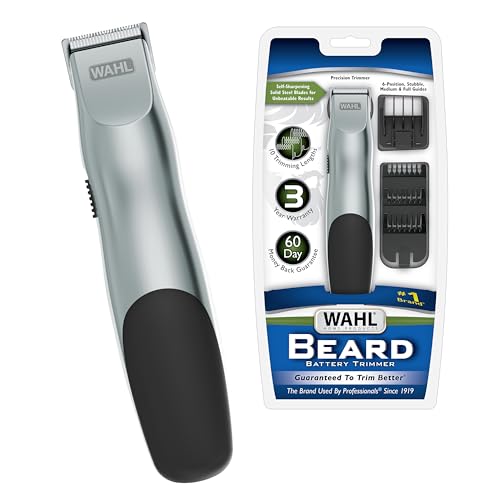
Precision Ground Blades – Our high-carbon precision-ground blades stay sharp longer, use in conjunction with our six-position beard regulator for multiple beard trimming lengths; Our beard guards vary in length from stubble to short and clean, to thick and even

Cordless Convenience – Color Pro Cordless is rechargeable and wireless. Cord/Cordless allows you to use the clipper on battery or when it's charging.
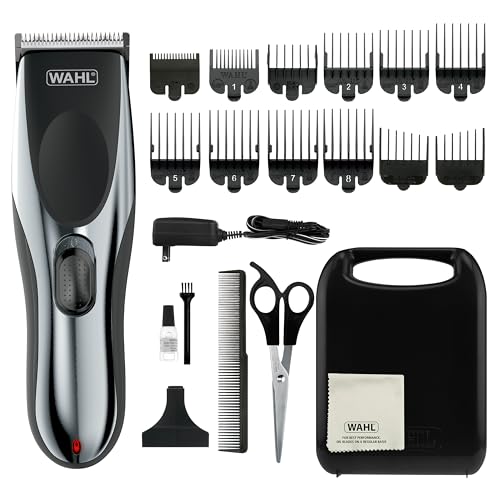
Long Run Time - These clippers feature convenient cord/cordless use options with 60 minutes of cordless run time. Long-lasting easy-to-clean stainless-steel precision blades enable no-snag cutting.
Prepare Your Scalp Before You Start
Proper scalp preparation guarantees ideal clipper performance and minimizes skin irritation during the head-shaving process. Start with scalp cleansing using warm water and a gentle cleanser, working in circular motions for 30 seconds to remove oil, sweat, and debris that would clog blades. Incorporate exfoliation techniques by brushing your scalp during your shower to loosen hair follicles and reduce resistance during clipping. Regular exfoliation helps prevent dead skin and dirt buildup that can interfere with clipper effectiveness.
After your hot shower, examine your scalp under proper lighting to identify any bumps or moles. Pat your scalp dry—moisture interferes with blade contact—then apply a light pre-shave oil for protection. The white mineral oil base found in quality clipper oils provides appropriate viscosity and helps maintain cutting accuracy and blade sharpness when applied regularly. For optimal results, ensure your clippers are properly sanitized with 70% isopropyl alcohol before use to prevent infection and maintain blade sharpness. Stretch the skin around your neck and behind your ears to prevent loose areas from catching during clipping. You’re now ready to begin.
Buzz Your Head Section by Section
Now that your scalp’s properly prepared, it’s time to start clipping. You’ll work systematically through three distinct sections: back, sides, and top.
Begin with the back section using upward strokes from your neck base to the crown. Hold a handheld mirror to monitor progress. Next, tackle the sides with an upward rocking motion, starting in front of your ears and using ear trim guards for precision around that delicate area.
Finally, address the top section by running clippers front to back in straight lines. Your clipper settings should remain consistent throughout—typically a #7 guard works well for top length. Many people find that maintaining a shaved head provides reduced maintenance compared to managing thinning hair. To maintain your clippers in optimal condition, lubricate the blades monthly with clipper-specific oil to ensure smooth performance. Remember to moisturize your scalp after clipping to prevent dryness and maintain skin health.
These technique tips guarantee uniform coverage and prevent common mistakes like uneven patches or accidental scalping. Work methodically through each section before moving to blending.

14 Piece Kit: Includes hair clipper guards from 1/2 (1/16") all the way up to 8 (1")

Please check your HAIR CLIPPER'S SIZE/MODEL before purchased.Not fit for PEANUT, POWER PRO TRIMMER, PRO, KM2 and SMALL/MINI HAIR CLIPPER. QPOIBSD Clipper Limit Comb Compatible With WAHL 6102, 2150, 2151, 2171, 2170, 2160, 2110, 21062, 6130, 8591, 8148, 1919, 8504, 6200, 6211, 2240, 2241, 2111. And it also can be applied to clipper with 46*38mm blade

Clipper Guide Comb Fits Oster, Andis & Wahl
Blend, Taper, and Clean Up Edges
With your sections clipped uniformly, the real refinement begins. Blending techniques create seamless shifts between different lengths. Tilt your clipper blade at an angle during side cuts, keeping the blade flush to your scalp for the smoothest motion. Pull the skin tight in your cutting area to prevent catching and guarantee an even glide. Use progressively lower guards, working from bottom to top, then go over lower hair with an even lower guard to fade evenly.
Edge cleanup requires precision around sensitive areas. Pull your ear down before lining to access the region properly. Use the corner of your clipper blade in short strokes from various angles. For sideburns and front lining, hold your trimmer with your index finger as a stabilizer. Use scissors or a trimmer for stray hairs around your ears and nape, flicking below the hairline for a clean frame. To minimize irritation and razor bumps on delicate neck skin, apply a sensitive shave gel before detailed edge work. A beard trimmer can also be used for shaping sideburns and defining the neckline with greater control. Professional barbers often rely on high-speed magnetic motors to ensure consistent precision when creating detailed grooming results such as defining necklines and beard lines.
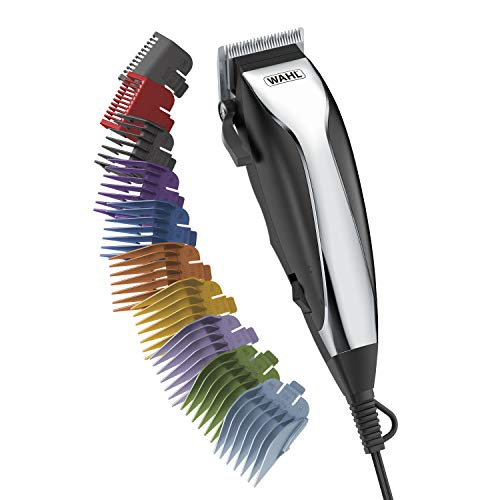
Multi-Cut Hair Clipper - Heavy duty motor for exceptional power and no-snag cutting; features an adjustable taper lever for easy blending and fading. This results in a very strong audible hum, but is completely normal to its operation. Don’t settle for a weak clipper.

CORDLESS and CORDED Hair trimmer can be with cord or cordless which is super convenient for self cutting. Universal charging.One full charge Last up to 200 minutes of use.When the power of the hair clipper is used up.This hair trimmer supports plug and play.When charging. The five indicators light up in the form of running lights from bottom to top. When the five indicators become normally on.the power is full. At this time.The charging wire can be pulled out.

PRO TESTED, CREATED FOR ALL - Our Novah barber kit has been tested in some of the best barbershops around the world to do what they do best. Our barber clippers professional sets are being used worldwide to give zero gap cuts to the men who walk the walk. We have brought our most trusted professional cordless hair clippers to now be available to all
Protect Your Scalp and Maintain Your Fade
For ideal scalp safety, rinse with cold water immediately after clipping to close hair follicles and reduce irritation. Pat your scalp dry gently, then apply a post-shave balm to soothe any redness. Follow with a moisturizing scalp shampoo designed for sensitive skin.
To guarantee fade longevity, establish a maintenance routine: shave every 1-3 days based on your growth rate. Use quality shampoo and conditioner regularly to combat oils and flaking. Apply sunscreen or wear a hat for UV protection. Stay hydrated internally while moisturizing externally, especially in dry conditions. Perform gentle scalp massages to promote blood flow and scalp health. Regular clipper maintenance, including oiling your blades, reduces friction and prevents pulling that can compromise both blade performance and scalp comfort. Be aware that improper clipping technique can lead to skin irritation similar to other grooming practices, so prioritize proper form to minimize harm. Pre-shave oils and gels create a protective barrier that minimizes friction during your next clipping session.

IMMEDIATE RELIEF: Make your skin go "aaah". Our men’s aftershave balm is specially formulated to calm irritated skin on the spot. With a clean, invigorating feel right away, HEAL will transform your shaving routine into a shaving retreat.


BLACKSTONE MEN'S GROOMING POST SHAVE MOISTURIZER: Cooling balm refreshes, hydrates, and soothes the skin. Sandalwood, 6 oz.