You’ll achieve a closer, smoother shave with minimal irritation by softening your beard with hot water first. Assemble quality tools: a safety razor, badger hair brush, and shaving soap. Build rich lather using circular motions, then execute three passes—with, across, and against the grain—applying minimal pressure. Finish by splashing cool water on your face and applying a non-alcohol moisturizer. Each step builds toward mastering wet shaving’s full potential.
Why Wet Shaving Delivers a Superior Shave
When you wet shave, you’re leveraging the fundamental principle that softened hair cuts more easily than dry hair. Water and lather penetrate your beard, reducing resistance and enabling cleaner cuts below the skin surface. Multiple blades in quality razors lift hair while cutting deeper, delivering that sought-after smoothness. This approach works particularly well for coarse hair or when you’re seeking an exceptionally close shave.
Your shaving techniques improve dramatically with proper preparation. Hot water opens pores and softens whiskers, while quality cream provides ideal lubrication. The combination minimizes friction, reducing razor burn and ingrown hairs considerably. Beyond immediate comfort, wet shaving has remained a timeless ritual practiced for centuries, demonstrating its enduring effectiveness across generations. Safety razors using a single sharp blade deliver closer shaves with less skin irritation compared to multi-blade systems.
Proper razor maintenance—replacing blades regularly and rinsing thoroughly—ensures consistent results. For optimal technique, hold the razor at a 30-45 degree angle with minimal pressure, allowing the blade’s weight to do the work. This discipline yields superior closeness and comfort compared to dry methods, making wet shaving the preferred choice for discerning shavers.
Assemble Your Wet Shaving Tools
The foundation of wet shaving rests on selecting quality tools that work harmoniously together. Your razor selection determines shaving comfort and results. Beginners should start with entry-level double-edge safety razors like the Edwin Jager DE89 or Merkur 34C, which minimize nicks through protective guards. For those transitioning from cartridge razors, the King C. Gillette Double Edge Safety Razor offers exceptional precision and moderate blade exposure to ease the adjustment.
Blade types greatly impact performance. You’ll choose between stainless steel blades, which resist rust and maintain sharpness longer, or carbon steel alternatives that achieve finer edges but require frequent maintenance. A sampler pack is recommended for beginners to find the blade that suits their specific skin type and beard thickness. Before shaving, prepare your skin by showering with warm water to soften hair and open pores, which helps achieve smoother results.
Next, invest in a quality shaving brush using badger hair for superior water retention, or select synthetic options for ethical alternatives. Pair your brush with a textured ceramic or marble bowl to generate rich lather efficiently. Consider the design of your razor, such as closed-comb designs that offer forgiveness for beginners or open-comb options for coarser facial hair.
Finally, acquire shaving soap or cream and a razor stand for protection and display.

THE PERFECT SHAVE: Make skin irritations and ingrown hair a problem of the past. With the metal razor, you will achieve the closest shave effortlessly.

THE PERFECT SHAVE: Make skin irritations and ingrown hair a problem of the past. With the safety razor for women, you will achieve the closest shave effortlessly.

THE PERFECT SHAVE: Make skin irritations and ingrown hair a problem of the past. With the double sided razor, you will achieve the closest shave effortlessly.
Soften Your Beard and Prepare Your Skin
Now that you’ve assembled your tools, you’re ready to prepare your skin and beard for the blade. Start with a hot shower or apply a warm towel to your face for 2-3 minutes—this softens your beard and opens your pores. Beard hydration techniques work best when you use water between 90-110°F, adjusted based on your skin sensitivity assessment. Young adults benefit from warmer temperatures (100-110°F) for coarse beards, while seniors should use cooler water (90-98°F) to minimize irritation.
Wash your face with a gentle cleanser to remove oils and dirt, then hydrate for at least three minutes. Massage pre-shave product into your skin to loosen follicles. Keep the area wet throughout this process to minimize tugging and guarantee ideal blade glide. Using shaving oil or pre-shave cream provides additional lubrication and protection for a smoother shaving experience. A quality shaving cream will further soften your hairs and ensure efficient cutting when the blade makes contact. For optimal results, ensure you maintain regular maintenance of your tools to keep them in peak condition for consistent performance.

Nourish and Prepare - Bevel Pre Shave Oil is enriched with a powerful blend of Castor Oil, Olive Oil, and Tea Tree Oil, providing deep hydration and nourishment to your skin, while preparing your facial hair for a smooth shave


Rich Italian pre-shave cream that softens stubble, energizes skin, and creates a layer of protection for a smoother, closer, barbershop-quality shave. Shea Butter & Sandalwood soften and nourish skin & coarse, rough beards
Build Rich Lather for Better Glide
After you’ve prepped your skin, you’ll need to create a stable lather that protects your face and allows the blade to glide smoothly. Master these lather building techniques by loading your damp brush with a small amount of soap or cream, then whipping it in circular motions while gradually adding water. Continue this process for 30 seconds to two minutes until you’ve achieved a thick, glossy lather with creamy consistency. Use lukewarm water exclusively—hot water breaks down lather into a slippery mess, while cold water creates dense, poorly-spreading bubbles. If your lather appears dry, add water drops incrementally by dipping brush tips in water to hydrate the product effectively. For sensitive areas, consider using anti-friction technology products that provide additional protection during the shaving process. Proper maintenance of your brush, including regular cleaning and oiling similar to clipper blade care, will ensure it continues to produce quality lather. Avoid overloading your brush, which produces weak lather prone to irritation. Proper balance between product and water guarantees ideal protection and blade glide.

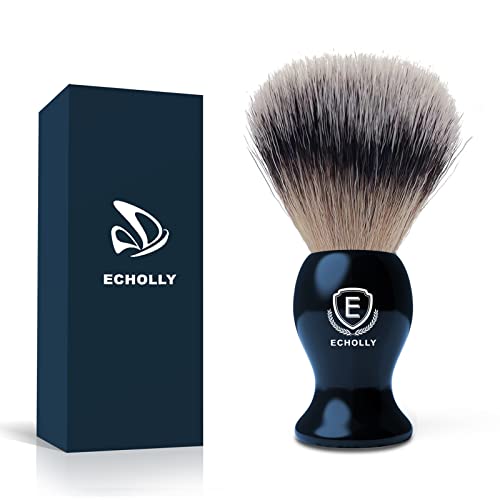
✔️PREMIUM SHAVING BRUSHES WORTH MORE THAN IT COST-Most shaving brushes if the quality is premium, the price always high. Echolly have a simple answer--our shave brush only need half price, but give you a luxury brush. Best Entry Level Shaving brushes for men.

Rich Lather- Experience the smoothest shave you've ever had, leaving your skin silky soft
Execute the Three-Pass Shave Technique
Once you’ve built your protective lather, you’re ready to begin the three-pass shave technique—the industry standard for achieving a close, comfortable shave while minimizing irritation.
Start with Pass 1 (With the Grain): Map your beard growth pattern first—typically downward on cheeks and across the neck. Shave in the direction of growth using minimal pressure, letting the razor glide naturally. This initial pass removes length without pulling.
For Pass 2 (Across the Grain): Rinse, re-wet, and re-lather thoroughly. Shave perpendicular to growth direction, further reducing stubble while maintaining comfort. Keeping blades sharp will enhance your shaving efficiency during this stage. For those with coarse facial hair, selecting high-quality blades that won’t dull quickly is particularly important to maintain effectiveness across multiple passes.
Complete with Pass 3 (Against the Grain): After re-lathering, shave opposite to growth for the closest result. This final pass delivers the smoothest finish. If you prefer an electric alternative to traditional wet shaving, electric trimmers with adjustable length settings can provide comparable results with less technique required.
Re-lather between every pass using fresh water and cream for ideal protection.
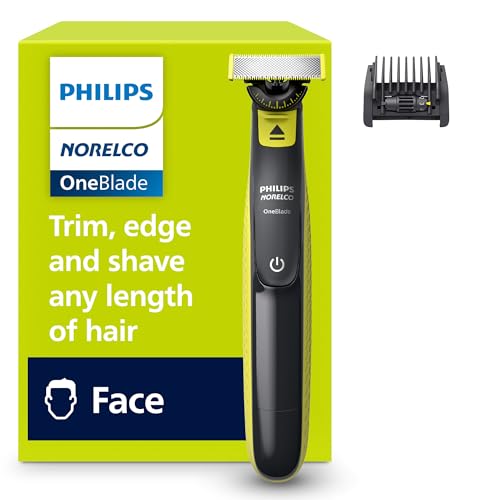
OneBlade Technology: Fast-moving cutter moves 12,000x/min on longer hair; the Dual Protection system with glide coating and rounded tips supports a more comfortable shave

COMPLETE MEN'S SHAVING KIT: The Gentleman Jon Shaving Kit for Men is a comprehensive set that includes a safety razor, badger hair brush, alum block, shave soap, stainless steel bowl, and five razor blades - everything needed for a luxurious, comfortable and smooth wet shave experience. With its compact design, our product is also a suitable travel companion to those who value traditional shaving, ensuring a neat shave even while on the go.

From the #1 electric shaver brand¹: Shaver 2400 Series gives you a fast, clean shave even on sensitive skin thanks to 27 self-sharpening ComfortCut blades and 4D Flex Heads
Cool Your Face and Lock In Moisture
The final stage of your shave routine determines whether you’ll enjoy lasting comfort or battle irritation in the hours ahead. You’ll employ cooling techniques immediately after completing your three-pass shave. Splash your face with cool water to close pores and remove residual lather, which soothes irritated skin effectively. Pat your face dry gently with a clean towel, paying particular attention to areas around your ears where lather accumulates. Avoid aggressive rubbing, as patting minimizes post-shave irritation.
Next, apply a non-alcohol moisturizer or balm directly to damp skin. This moisture retention step locks in hydration and protects your freshly shaved face. Use an almond-sized amount of hypoallergenic cream for even coverage. Consider incorporating natural soothers like tea tree oil into your post-shave routine for additional skin calming benefits. For optimal results, consider how battery life and performance in grooming devices like electric razors can complement your wet shaving routine when you need quick touch-ups between shaves. Regular post-shave care with moisturizer or Skin Food leads to healthier skin and prevents long-term damage. This combined approach of cooling techniques and immediate moisturizing yields noticeably smoother skin while preventing dryness and irritation.