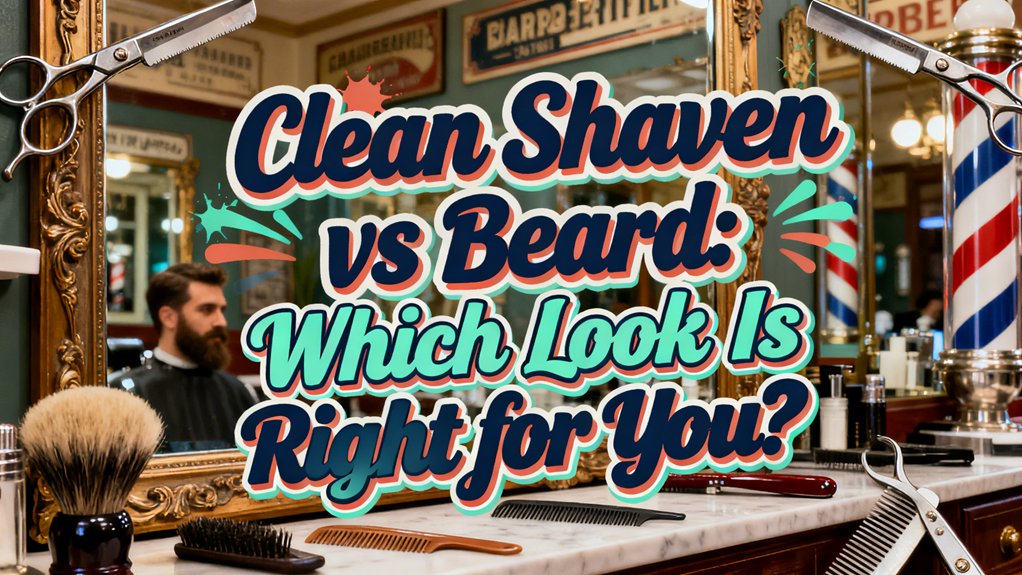
Your choice between clean-shaven, stubble, and a full beard shapes professional and social perceptions markedly. Clean-shaven looks project professionalism in conservative industries like finance and healthcare, while stubble offers balanced appeal between approachability and confidence. Full beards signal dominance and higher social status, though they’re rated less cheerful in workplace settings. The right choice depends on your industry, goals, and context. Your complete grooming strategy—including maintenance frequency and precision techniques—ultimately determines your overall impact.
What Women Actually Want: Facial Hair Preferences by Age and Context
What’s the verdict on facial hair? You’ll find that women’s preferences shift based on context, age, and cultural influences. Research shows stubble consistently ranks highest for attractiveness, while clean-shaven faces appeal to nearly 44 percent of women surveyed. Your relationship context matters greatly—bearded faces rate higher for both short-term and long-term relationships compared to clean-shaven options.
Age dynamics play a role too. Women during their fertile menstrual cycle window rate bearded faces higher for masculinity signals. Personal taste dominates, however; some prefer grooming styles that mask health signals, while others prioritize clean aesthetics. Just as proper positioning and technique enhance lawn care results, the right grooming approach enhances your overall appearance. Beyond aesthetics, maintaining groomed facial hair provides practical hygiene benefits that contribute to overall attractiveness and health.
The takeaway? Attraction variations depend on individual disgust sensitivities and mating strategies. Your grooming consistency—whether stubble, light beard, or clean-shaven—matters more than the style itself. Maintain whatever facial hair you choose meticulously. Bearded men who smile are rated as friendlier and more helpful compared to their clean-shaven counterparts, suggesting that emotional expression can significantly influence how your facial hair style is perceived overall.
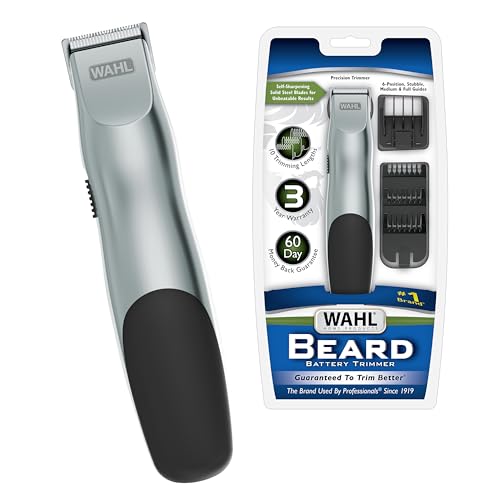
Precision Ground Blades – Our high-carbon precision-ground blades stay sharp longer, use in conjunction with our six-position beard regulator for multiple beard trimming lengths; Our beard guards vary in length from stubble to short and clean, to thick and even
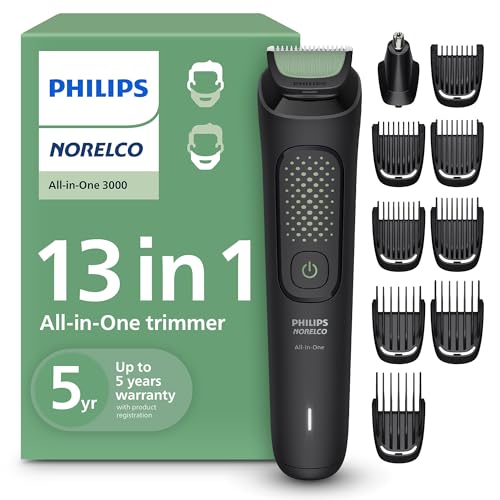
Skin-Friendly Blades: Rounded comfort-blade tips feel gentle on skin for a quick, comfortable trim when shaping beard or hair
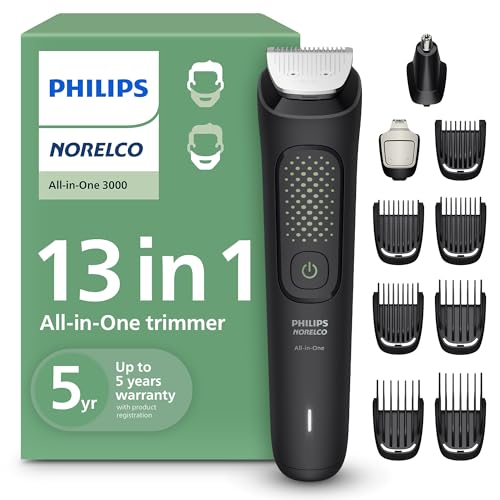
Full Metal Blades: Self-sharpening blades stay as sharp as day one and require no oiling for precise, low-maintenance grooming
The Professional Edge: Why Your Look Matters at Work
While women’s preferences shape attraction in personal contexts, your professional environment operates by different rules entirely. Your facial hair directly influences career perception and advancement opportunities. Current facial hair trends show 90% of workplaces permit beards with neatness requirements, yet conservative sectors like finance, law, and healthcare maintain clean-shaven expectations for perceived discipline and professionalism. Grooming etiquette matters notably—bearded men face perception challenges, rated 36% less caring and 51% less cheerful than clean-shaven counterparts. Conversely, mustaches correlate with 8% higher earnings than beards. Your industry determines acceptability; tech embraces facial hair while food service and manufacturing prohibit it for safety and hygiene. Before interviewing, research your company’s culture by checking team pages and social media to assess what grooming standards are acceptable in your target workplace. Executive grooming standards signal what’s acceptable. Regardless of your choice, maintaining sharp adjustable blades and precise grooming tools ensures your facial hair—whether bearded or clean-shaven—remains impeccably maintained. For optimal results, consider investing in cordless hair clippers to achieve professional-grade precision with convenient portability. Ultimately, meticulous maintenance—whether bearded or clean-shaven—demonstrates professionalism that advances your career trajectory. Studies reveal that 79% of men maintain consistent facial hair care routines, underscoring how dedication to grooming reflects your commitment to professional excellence.
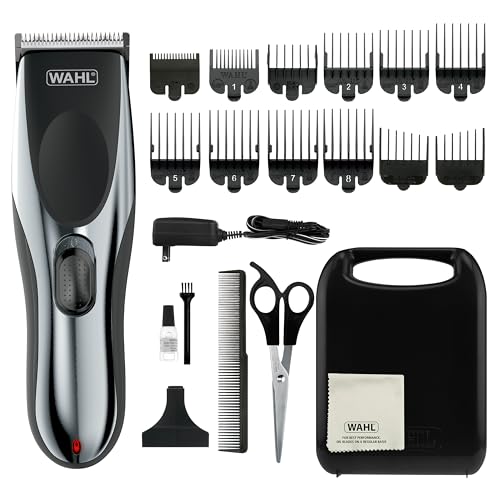
Long Run Time - These clippers feature convenient cord/cordless use options with 60 minutes of cordless run time. Long-lasting easy-to-clean stainless-steel precision blades enable no-snag cutting.
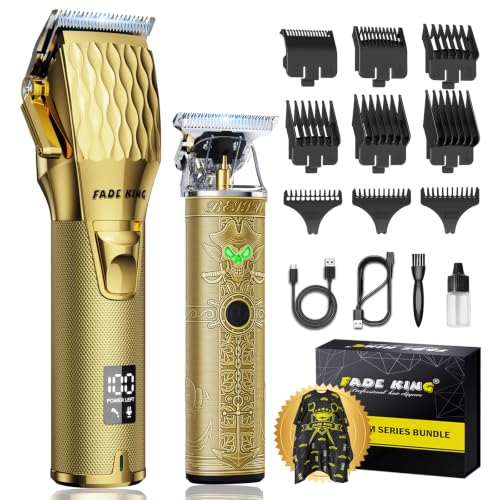
【CREATE BARBER-QUALITY HAIRCUTS, FADES & BEARD STYLES】 Whether you're maintaining your own haircut or grooming professionally, FADEKING hair clippers for men deliver smooth fades, clean blends, buzz cuts, tapers, beard trimming, and sharp lineups with confidence. Designed for home haircuts, professional barbers, and everyday grooming, this cordless clipper and trimmer kit helps you achieve professional-quality results every time

Diamond-Like Carbon Blades for Superior Sharpness & Smoothness – Engineered for barber-level results, the VGRPRO professional hair clippers equipped the DLC blades, provide ultra-sharp, ultra-smooth hair cutting. This clippers can handles full haircuts, and tidying sideburns or necklines, while the zero-gapped precision trimmer (0.1MM) excels at beard, eyebrow and manscaping trimming.
Why Stubble Beats Beards and Clean Shaven for Attractiveness
Ever wonder why stubble consistently outperforms both clean-shaven faces and full beards in attractiveness studies?
The science is clear: you’ll find that stubble advantages stem from best facial hair balance. Research shows light and heavy stubble rated considerably more attractive than clean-shaven across multiple studies (t≥23.82, p<0.001). Your stubble perception matters because it signals maturity and masculinity without the aggression full beards convey.
Heavy stubble particularly excels, ranking highest for attractiveness, health, and masculinity ratings. The key distinction: stubble masks overly masculine features while maintaining visual interest—something clean-shaven faces lack. In short-term relationship contexts, you’ll see light stubble outperform full beards consistently. For those looking to maintain their preferred style, modern beard trimmers offer precision control for achieving the perfect stubble length. Professional-grade options like the Brio Beardscape V2 provide exceptional precision for maintaining exact stubble lengths.
This negative frequency-dependent preference explains why stubble beats both extremes: it’s neither too polished nor too unkempt, hitting the attractiveness sweet spot. Interestingly, menstrual cycle phases do not significantly affect women’s preferences for facial hair, as women consistently prefer bearded faces over clean-shaven regardless of hormonal fluctuations.

Multifunctional Shaving Kit for Head to Body: This is a high quality all in one machine that includes 7 trimmer heads, 10 hair combs and a base. Covers all hair cutting tasks, from hair, face, beard, nose, ear, body, pubic area. This is professional men's grooming kit and gifts for him.

High Quality Components – Corded power allows for extreme strength heavy duty cutting from our high torque rotary motor & our precision drive components.

All-in-One Grooming Kit: This beard trimmer for men includes 3 interchangeable heads (beard, foil, nose/ear) plus an upgraded 0.5–10 mm adjustable comb, ideal for beards of different lengths. Compact and portable, this mens grooming kit replaces multiple single-function tools, saving bathroom space, reducing travel load, and streamlining your daily grooming routine whether at home or on the go.
How Beards Signal Higher Status: And Why They Make You Seem Aggressive
Because beards trigger distinct social perceptions, they’ll shape how others judge your authority and intent. Research consistently shows that facial hair elevates perceived dominance and leadership qualities—bearded men score higher on social status scales across multiple cultures. You’ll appear more authoritative in professional settings, with LinkedIn analyses confirming enhanced expertise perception.
However, beard benefits come with a trade-off: aggression signals. Studies reveal that bearded faces with angry expressions amplify perceived aggressiveness considerably compared to clean-shaven alternatives. Cross-cultural research confirms European and Polynesian women rate bearded aggressive faces as substantially more threatening. The psychological impact of growing a beard extends beyond social perception, as many men report increased self-confidence and personal satisfaction through the grooming process. Proper beard maintenance using electric razors and safety razors can help achieve clean edges while minimizing skin irritation during grooming. Electric razors operate through high-speed rotating or oscillating blades powered by rechargeable batteries, enabling convenient dry shaving without water or cream.
This dual effect reflects beards’ evolutionary role in intrasexual competition. Your facial hair communicates physical formidability and competitive capability to other men, deterring rivals through dominance cues. Consider your context carefully—beards enhance authority but intensify aggressive impressions simultaneously.


𝟰-𝗶𝗻-𝟭 𝗠𝗲𝗻'𝘀 𝗚𝗿𝗼𝗼𝗺𝗶𝗻𝗴 𝗞𝗶𝘁- This beard trimmer for men includes 4 heads for hair, beard, body, nose, ear and detail trimming, plus 11 guide combs for controlled stubble, beard and haircut lengths. Switch styles without buying separate tools

Precise & effortless styling: Braun’s All-in-One Trimmer Kit, Series 5, lets you effortlessly trim your beard, hair, ears, nose and body
Grooming Matters: Maintain Your Beard, Stubble, or Clean-Shaven Look
How you maintain your facial hair—whether you’re sporting a full beard, stubble, or a clean-shaven face—directly impacts both its appearance and the health of your skin beneath it. Beard washing should occur one to three times weekly using beard-specific products to preserve natural oils that prevent irritation. Your trimming techniques depend on your desired style: short beards need weekly maintenance, medium beards require trims every two to four weeks, and longer styles benefit from professional trims every four to six weeks. For precise trimming, consider using precision beard trimmers that offer multiple settings and ergonomic design to achieve clean lines and maintain your desired look. Adjust your routine based on beard type, growth rate, and skin sensitivity. In dusty or polluted environments, you may need to increase your washing frequency to twice weekly to maintain optimal cleanliness and prevent buildup. Like other grooming practices, improper facial hair maintenance can lead to skin infections and irritation, so it’s important to follow proper hygiene protocols. Consistency matters considerably—establish a regular grooming schedule to prevent irritation and maintain ideal facial hair health.

Edging: Get crisp, clean lines & sharp edges with Wahl’s zero overlap blades; Blades are 0.2 millimeters and leave a crisp ash line for excellent line definition with the power of a full-size clipper in an easy to hold compact trimmer unit
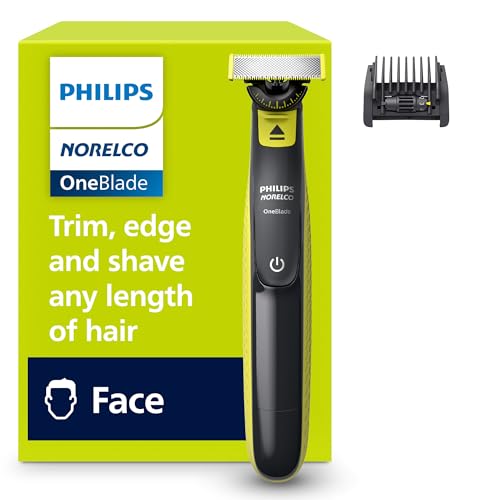
OneBlade Technology: Fast-moving cutter moves 12,000x/min on longer hair; the Dual Protection system with glide coating and rounded tips supports a more comfortable shave

PRECISION DETAIL TRIMMER: Create clean lines with surgical steel blades and 5-length comb (1–5mm). For best results, trim dry hair, start on longest setting, and comb hairs outward. Ensure the comb is locked into place to prevent shifting or uneven trims.
Why Full Beards Make You Look Healthier, More Mature, and More Responsible
While clean-shaven faces carry markedly higher bacterial loads—including over three times more MRSA than bearded skin—full beards offer tangible health advantages that extend beyond aesthetics. Your facial hair actively filters airborne pathogens, reducing allergen exposure and respiratory irritation. The dense hair structure blocks up to 95% of UV radiation, considerably lowering skin cancer risk. Maintaining proper beard hygiene practices is crucial to prevent bacterial issues and ensure these protective benefits are fully realized.
Beyond health benefits, beards function as maturity signals that reshape how others perceive you. Women consistently rate bearded men as older and more socially dominant than their clean-shaven counterparts. This perception translates into enhanced responsibility credibility—your beard communicates protective instincts and behavioral reliability. Research demonstrates that full facial hair correlates with higher perceived social status and physical formidability. When you cultivate a moderately full beard, you’re strategically leveraging both biological protection and psychological perception advantages simultaneously. For those maintaining their beards with traditional grooming methods, tools like straight razors with full hollow grind offer precision maintenance and alignment with classic barbering standards. Just as regular oiling and maintenance preserves the quality and longevity of grooming tools, consistent beard care preserves the health and appearance that communicate your maturity and reliability to others.
Choose Your Beard, Stubble, or Clean-Shaven Look for Your Goals
Your facial hair choice isn’t merely aesthetic—it’s a strategic tool that directly influences how others perceive your competence, trustworthiness, and suitability for specific roles.
If you’re targeting finance or broadcasting, clean-shaven projects compliance and professionalism. Choose stubble styles for balanced appeal—they’re overwhelmingly preferred and enhance fearlessness without sacrificing approachability. However, beard maintenance demands daily commitment: trimming cheek and necklines prevents an unkempt appearance. For achieving sharp, precise beard lines, a 3-piece double edge safety razor offers an accessible entry point with excellent results for most users.
Full beards signal maturity and authority, but they risk perceptions of reduced generosity and cheerfulness—potentially damaging sales outcomes. In tech or telecommunications, they’re more acceptable. Beards can convey dominance and power, which may resonate in industries valuing authoritative presence.
Your goal determines everything. Conservative industries demand clean-shaven looks. Less formal sectors reward heavy stubble. For maintaining your chosen look, consider investing in quality grooming tools like head shavers for sensitive skin to ensure smooth, comfortable results. Whatever you select, prioritize grooming; 77% accept beards if kept neat and trim. Your total package matters more than hair alone.