Shaving your back won’t directly cause pimples, but improper technique and hygiene practices can trigger breakouts. Dirty razors transfer bacteria into open follicles, while dull blades create micro-trauma that enlarges pores and increases infection risk. Post-shave friction from tight clothing and excess sebum production further contribute to acne development. You’ll prevent back breakouts by sanitizing razors, using sharp single-blade tools, and shaving with the grain. Understanding the specific conditions that promote post-shave acne reveals how you can refine your technique considerably.
Does Shaving Your Back Actually Cause Pimples?
How much does shaving actually contribute to back acne? Direct shaving doesn’t cause acne breakouts when you use proper shaving technique. Acne develops primarily from hormonal changes, genetics, and pore-clogging products rather than the shaving action itself. However, indirect factors matter greatly. Your hygiene practices determine whether shaving leads to breakouts. Using dirty razors transfers bacteria onto your skin, while oily shaving products clog pores. Failing to wash your back after shaving allows bacteria, shave gel, and dead skin cells to accumulate. Shaving can irritate your skin and create razor bumps resembling pimples, but these are distinct conditions caused by ingrown hairs. Hair typically does not grow out of the same pore as existing acne, so avoiding the blemishes themselves can prevent additional complications. To minimize irritation and reduce the risk of complications, using specialized shaving foams and proper preparation can help protect your skin during the shaving process. Holding your razor at a 90-degree angle with a light grip prevents excess pressure that can cause additional skin irritation. The odds of shaving being your sole acne cause remain extremely low.
Razor Burn, Ingrown Hairs, and Back Acne: What’s the Difference?
While they’re often confused, razor burn, ingrown hairs, and back acne are distinct conditions with different causes and presentations. Razor burn appears as a blotchy red rash resulting from dry shaving, dull blades, or improper shaving techniques. Ingrown hairs occur when curly or coarse hair curls back into your skin after close shaving, forming small raised bumps with visible trapped hair underneath. Back acne, or acne vulgaris, stems from clogged pores filled with oil, dead skin, and bacteria—unrelated to shaving. Understanding these differences helps you refine your skincare routines and shaving techniques appropriately. To minimize razor burn, prepare your skin by using clean, dry skin without excess oils and hold your shaver at a 90-degree angle for optimal blade contact. Using a pre-shave oil can provide additional lubrication and protection against irritation during the shaving process. Razor burn typically resolves independently, while ingrown hairs and acne require targeted interventions. Men of color are particularly susceptible to ingrown hairs due to unique hair textures that curl more easily. Avoid shaving over irritated areas to prevent worsening razor burn.
Why Your Back Is Vulnerable to Post-Shave Breakouts
Your back’s unique anatomy and environment create perfect conditions for post-shave breakouts. Your back skin produces excess sebum while experiencing constant friction from clothing and backpacks, trapping oil and dead skin cells in follicles. This combination overwhelms your follicle health, especially if you have curly or coarse hair—a genetic trait that increases ingrown hair risk sixfold in carriers of the A12T polymorphism.
Your back’s oblique follicle angles worsen vulnerability after shaving. Razor trauma enlarges follicles, allowing bacteria to penetrate and multiply in clogged pores. Males of African descent face elevated risk due to hair characteristics that promote inflammation post-shave. The clipper guard number system offers an alternative to razors, with lower guard numbers like #0 to #2 providing very short hair lengths that reduce follicle trauma compared to traditional shaving. Using shorter guard settings like those in the #2 to #4 range can create more even coverage similar to how these guards maintain uniform appearance on the scalp. Keeping your skin clean and changing out of sweaty clothing after exercise helps reduce bacteria buildup that can lead to breakouts.
Proper skin care becomes essential. You’ll need strategic cleansing and moisturizing routines to prevent bacterial proliferation and maintain follicle health following shaving.
Prep Your Skin Before Shaving to Prevent Breakouts
Because your back’s unique anatomy makes it prone to post-shave inflammation, you’ll need to establish a strategic prep routine that addresses the three critical factors: removing dead skin cells, opening follicles, and creating a protective barrier between your skin and the blade.
Start with exfoliation techniques 2-3 times weekly using mild exfoliants or glycolic wipes to lift ingrown hairs and clear pores. Twenty-four hours before shaving, apply a gentle sugar scrub to remove accumulated dead skin cells.
Next, employ pH-balanced cleansing products like non-comedogenic face wash to eliminate oil and bacteria without stripping protective layers. Follow with a warm compress for 2-3 minutes to soften hair follicles and open pores, maximizing shave effectiveness while minimizing irritation risk. After cleansing and preparing your skin, ensure your shaving tools are properly sanitized using 70% isopropyl alcohol or professional clipper sprays to eliminate bacteria that could contribute to breakouts. Harsh soaps with high pH levels of 9-10 can disrupt your skin’s protective barrier and lead to micro-tears that contribute to post-shave breakouts. Consider using specialized body groomers with skin-friendly designs and adjustable guards to reduce the risk of irritation on sensitive areas like your back.

Exfoliating Scrub: The First Aid Beauty KP Bump Eraser combines Glycolic and Lactic Acids and Pumice Beads to effectively smooth strawberry legs and rough bumps, revealing softer, smoother skin
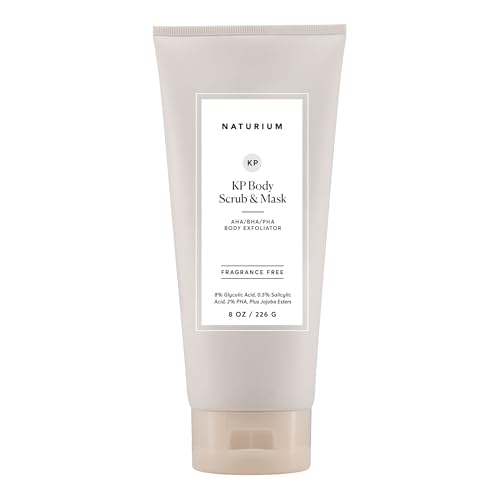
3-IN-1 BODY EXFOLIANT: A body exfoliant that helps smooth the look and feel of rough, bumpy and dull skin. It grips, polishes and helps improve the appearance of skin texture and tone. Developed for aging, dry, combination and sensitive skin.

[WARNING] This ain't your grandma's frilly loofah! "Bye Bye Loofah" is an ultra-extreme, no-joke exfoliating washcloth. It’s for exfoliation seekers who like it rough. Handle with caution and enjoy your transformation.
Dull Razors, Bacteria, and Back Acne: The Connection
The moment you drag a dull blade across your back, you’re setting off a cascade of biological events that can trigger acne-like breakouts within hours or days. Dull blades tug at hair rather than cutting cleanly, traumatizing follicles and creating entry points for bacteria. This irritation opens your pores, exposing them directly to Cutibacterium acnes and other skin bacteria thriving in excess sebum.
The bacterial spread accelerates when you shave, as the razor distributes microorganisms across your back’s surface. Bacteria multiply rapidly in inflamed, clogged follicles, intensifying infection risk. Research shows 73.2% of acne sufferers experience worsening after shaving with suboptimal tools. Electric shavers with flexible blade systems can help minimize the trauma associated with manual razors by contouring to skin contours more effectively. Maintaining a sharp blade through regular stropping on leather prevents the follicle trauma that contributes to post-shave breakouts. Pre-existing acne heightens this vulnerability considerably, making proper razor maintenance essential for preventing post-shave breakouts. Studies indicate that stress-related acne can be further exacerbated by the physical trauma of shaving, as stress itself increases sebum production and follicle inflammation.
Shaving Mistakes That Clog Follicles
While you might believe you’re shaving correctly, even subtle technique errors create the ideal conditions for follicle obstruction. When you shave too close or apply excessive pressure, you force hair below the skin surface, where it curls back into follicles. Shaving against the grain exacerbates this problem, promoting sharp angles that encourage ingrown growth. Over-stretching your skin during shaving causes additional hair retraction, trapping strands beneath the surface.
These shaving techniques directly compromise your skin’s health. The mechanical trauma from improper method—combined with follicle blockages—creates inflammation and bacterial colonization. Your back becomes particularly vulnerable because friction from tight clothing compounds these obstruction issues. When hair follicles are damaged during shaving, pathogens can more easily invade the compromised area. Using corded electric razors can help minimize the mechanical trauma associated with manual shaving techniques. After shaving, applying soothing moisturizers with natural ingredients like vitamin E or tea tree oil can help prevent irritation and reduce breakout risk. By refining your shaving technique, you’ll greatly reduce follicle blockages and subsequent breakouts.

4-IN-1 Back Shaver & Body Groomer Kit:Includes back shaver head, foil shaver, precision body trimmer for intimate areas, and nose trimmer, providing a complete grooming solution for men

【Hatteker Electric Back Shaver 4 in 1 Kit】Comes with 4 interchangeable heads: precision trimmer, nose/ear trimmer, body hair trimmer, and main back shaver. Includes 5 guide combs: 1/2/3mm for the precision trimmer (ideal for haircuts, beard and sideburn trimming), and 3mm/6mm for the body hair trimmer (perfect for back, arms, legs, and body grooming). This kit supports everything from facial detailing to below-the-waist grooming, meeting daily grooming needs for men.

Safe and Efficient Trimming: PRITECH razors for men uses ceramic blades with built-in protection. On the surface where the blade contacts the skin, we have implemented a chamfered design, ensuring that it never cuts, pulls, or irritates the skin, and guarantees efficient hair trimming. This body trimmer for men equipped with 3 adjustable comb attachments and 5 lengths (1.5mm, 3mm, 6mm, 9mm, 12mm), it meets your diverse trimming requirements
Shave Your Back Without Causing Pimples
Now that you understand how improper shaving techniques cause follicle obstruction and inflammation, you can implement a systematic approach to prevent back acne before it starts. Effective skin preparation is foundational—wash your back with a gentle cleanser using warm water to open pores and soften hair. Apply a non-abrasive exfoliant or mandelic acid to remove dead skin cells and clear follicles of buildup. During shaving, employ a sharp single-blade razor and shave with the grain using short, gentle strokes. Apply moisturizing shave cream to minimize friction. Rinse thoroughly with cool water to close pores and reduce inflammation. Always use a clean, sharp razor to prevent skin irritation and bacterial contamination. For optimal results, maintain your blade at a 30-degree angle to cut hair at the skin level without causing unnecessary trauma. Consider using professional-grade grooming tools with powerful motor consistency to ensure even cutting across all areas of your back. Follow with alcohol-free aftershave containing witch hazel or aloe, then apply non-comedogenic moisturizer to maintain your skin barrier and prevent dryness-triggered breakouts.

【Scrub Every Inch of Your Skin】It should not be a difficult thing! The Eaxun extra-long 38.5 inches exfoliating back scrubber can easily clean hard-to-reach areas. More convenient than the traditional back brushes. With our back scrubber, you no longer need the help of others. It's enough to get the job done, and you can confidently scrub every inch of your skin.

【2 Pack Soft & Rough Washcloth】:2 Different Roughness to Meet Your Different Needs.The rough Exfoliating washcloth is made of 60% Nylon and 40% Polyester, and the surface is rough and hard for exfoliating effectively ; The softer washcloth are made of cotton and nylon, suitable for sensitive skin for daily use.

【Effective Exfoliation】Designed with a coarse natural jute weave,this back scrubber is perfect for removing dead skin cells,unclogging pores,and reducing body acne.deal for men,such as workers,athletes,gym enthusiasts, and outdoor professionals like farmers and firefighters.
Treat Razor Burn vs. Acne: Different Timelines, Different Products
Distinguishing between razor burn and acne requires understanding their distinct timelines and treatment protocols. Razor burn emerges within minutes of shaving and typically resolves within hours to days with proper razor burn treatments. Acne, conversely, develops independently of shaving and persists without correlation to your grooming schedule.
Your treatment approach must match the condition. For razor burn, apply gentle cleansers and moisturizing aftercare balms using cold water rinses. Avoid irritants and unscented products. Acne management requires oil-free cleansers applied twice daily and non-comedogenic moisturizers. Incorporate benzoyl peroxide for bacterial control when necessary. Regularly changing your razor blades and storing razors in dry places prevents bacteria growth that can exacerbate skin irritation. Traditional manual razors require proper lubrication products to prevent the blade from tugging and shredding skin, which minimizes the risk of razor burn and irritation.
A definitive diagnostic test exists: stop shaving temporarily. If bumps persist unchanged, you’re dealing with acne, not shaving-related irritation. This distinction directs you toward appropriate interventions and prevents misguided treatment efforts.

Designed for Sensitive Skin: Vanicream is the #1 Dermatologist-Recommended Brand for Sensitive Skin*. This shaving cream creates a protective barrier between the razor and your skin to deliver a smooth, close, and comfortable shave for both men and women

Reduces Razor Bumps Fast: Targets visible razor bumps after shaving to help skin look smoother and clearer with consistent use

Soothe Razor Burn and Irritation – Calms redness, razor bumps, and irritation after shaving with aloe vera, witch hazel, and cucumber extract. Helps prevent ingrown hairs for smooth, refreshed skin, without sting or discomfort.
How Often to Shave Your Back Without Triggering Acne
Finding the right shaving frequency for acne-prone back skin requires balancing hair removal with adequate recovery time between sessions. You should shave every two to three days, allowing your skin sufficient healing between passes. This spacing prevents irritation buildup that triggers acne breakouts on your back. Using chemical exfoliants on non-shaving days further supports skin recovery and clarity.
Your hair growth patterns and skin sensitivity determine ideal frequency adjustments. If you’re managing active acne, extend intervals further to minimize inflammation. Back shaving demands particular care because the area’s curved surface complicates technique consistency.
Monitor how your skin responds within the first two weeks of establishing your routine. Reduce frequency if you notice increased redness or pustule formation. You’ll likely find that every three days works best for most acne-prone individuals, accommodating both hair removal needs and skin tolerance.
Skip Shaving During Active Cystic Acne: Why and For How Long
When you’re dealing with active cystic acne, shaving your back becomes counterproductive to healing. Razor blades drag across inflamed tissue, deepening irritation and spreading bacteria across your skin’s surface. This friction increases scarring risk from cysts while compromising your skin barrier.
Your shaving schedule should pause entirely during active outbreaks. Wait until your acne treatment—like benzoyl peroxide or salicylic acid—reduces inflammation and cysts calm substantially. Most dermatologists recommend waiting 2-3 days minimum between shaves on clear skin, but during flare-ups, you’ll need considerably longer. For those with sensitive skin, choosing a safety razor with protective guards can further minimize irritation during regular shaving routines. Applying a soothing moisturizer with aloe vera after shaving can help reduce irritation once your skin has healed enough to resume the practice. Switching to non-rotary electric foil razors can minimize irritation when you do resume shaving, as they cut hair at the surface rather than pulling it.
If you must address facial hair, use electric trimmers instead of razors. Trimmers cut hair without contacting inflamed skin directly. Resume your normal shaving routine only after cysts flatten and redness subsides completely, preventing further complications.