You’ll achieve a close shave by preparing your skin with warm water and hydration to soften hair cuticles. Maintain a 90-degree razor angle and use short, controlled strokes against hair growth direction. Apply minimal pressure while employing a multi-pass technique—with grain, across, and against—for maximum smoothness. Keep your razor fully charged and clean weekly with a soft-bristle brush. These fundamentals establish your foundation, though mastering refinements in technique and maintenance yields even closer results.
Prepare Your Skin and Electric Razor for the Best Results
Before you shave, you’ll want to cleanse your face with warm water and a gentle cleanser to remove dirt, oil, and debris while softening your facial hair for easier cutting. This preparation opens your pores and lifts ingrown hairs, creating ideal conditions for a close shave.
Your pre-shave routine should include skin hydration through a warm shower or wet washcloth applied for several minutes. This step softens hair cuticles and promotes easier blade glide. For electric razors, apply a thin layer of high-quality shaving cream or gel—thinner consistency performs better than thick lather. Non-aerosol traditional creams or soaps provide superior lubrication and protection compared to foams that may dry out skin. To further enhance your shave, consider exfoliating once or twice weekly to remove dead skin cells and prevent ingrown hairs.
Meanwhile, make sure your electric razor is fully charged and clean. Select the appropriate shaving head for your target area. For optimal results with sensitive areas, consider using razors with multiple lubrication strips to ensure smooth glide and reduce irritation. Start on sensitive zones before the razor warms up, allowing your skin and equipment to work together seamlessly for superior results.


PROTECT YOUR SKIN – Delivers a smooth, close and comfortable shave

POWER SHAVE GEL: Clinically tested on sensitive skin, our lubricating, performance-based shaving gel helps prep your head and face for a close, clean, and comfortable shave.
Find the Right Angle and Pressure for Your Face
The angle at which you hold your electric razor fundamentally determines shaving efficiency and skin comfort. Maintain a perpendicular 90-degree angle to your skin surface, allowing the shaving head to establish flat, consistent contact. This positioning lets your free hand pull skin taut, making hairs stand upright for ideal blade engagement.
Angle adjustments become necessary when shifting between facial areas. Slightly tilt your razor toward outer foils below your nose, and flip it upside down for precision around your upper lip and ears. Regular shaving with proper angle maintenance helps you manage stubble length effectively for optimal shaver performance. Just as hair clippers benefit from regular oiling, electric shavers perform best when properly maintained. For the closest results, maintain even pressure across both blade surfaces to ensure consistent cutting performance.
Pressure application requires a delicate touch. Electric shavers demand minimal, gentle force—excessive pressure causes blade irritation and reduces efficiency. Guide your razor’s movement without forceful pressing. Combine light pressure with skin stretching for superior hair capture across multi-directional growth areas.
Shave Against the Grain for Maximum Smoothness
While electric shavers operate differently than traditional razors, shaving against the grain still delivers superior results by cutting closer to the hair root. Understanding grain direction is essential to mastering this technique. Rub your hand across your face to identify where resistance occurs—that’s your hair’s natural growth pattern.
Before shaving against the grain, hydrate your facial hair thoroughly with hot water and lather. This pre-shave preparation reduces cutting force by up to 70%, minimizing friction and irritation. Apply short, controlled strokes directly opposite your grain direction, using minimal pressure to prevent skin damage. Variability in hair growth direction can occur across different areas of the face, requiring you to adjust your shaving angle accordingly. For optimal safety and control, select razors with protective guards that reduce the risk of cuts while maintaining blade sharpness. Electric head shavers with ergonomic pivoting heads adapt naturally to the contours of your face and scalp, making it easier to maintain consistent angles across different shaving areas.
For best results, employ a multi-pass method: first pass with the grain, second across it, and third against it. Reapply lather between passes to maintain cutting efficiency. This strategic approach to grain direction guarantees maximum smoothness while reducing overall shaving frequency.
Refine Your Stroke Pattern to Minimize Irritation
Your stroke pattern determines whether you’ll achieve a close shave or irritate your skin, and mastering this technique requires understanding how different razor types interact with facial hair. For foil shavers, use short, controlled strokes against hair growth direction with straight lines—up, down, or left to right. This maximizes foil contact while minimizing skin sensitivity. With rotary shavers, employ circular overlapping motions combined with up-down and sideways strokes for complete coverage. Apply very light pressure, allowing natural hair feeding into blades rather than forcing contact. Adjust stroke length based on contour—shorter strokes for neck and jaw, longer strokes for cheeks. Your steadiness and control will improve with regular use, making the technique feel more natural over successive shaving sessions. Beginners may find that single-blade safety razors offer an alternative approach for those seeking to reduce ingrown hairs and irritation. After shaving, apply moisturizing aftershave lotion to soothe freshly shaved skin and prevent irritation. Fewer, patient passes using varied directions outperform rushed multiple passes, greatly reducing irritation while delivering superior shaving techniques for all skin types.

Professional Foil Shaver: Engineered for barbers, delivers an ultra-smooth, bump-free finish on face, head, neck, and hairline. Perfect for blending bald fades or finishing close cuts.

World's #1 Foil Shaver Brand. The perfect holiday gift.

Three-Head Floating Design: Experience professional grooming with our advanced Foil Shavers for Men featuring an innovative three-head system that adapts seamlessly to facial contours. The flexible floating heads glide smoothly across your face, neck, and jawline, capturing both short stubble and longer beard hair without pulling
Keep Your Electric Razor Clean Between Shaves
Maintaining a clean electric razor between shaves directly impacts blade performance, hygiene, and shaving results. Establish a consistent cleaning schedule that includes quick rinses after each shave and deep cleaning weekly. After every shave, run your razor under warm water while it’s powered on to flush out hair and debris. For weekly maintenance tips, disconnect your razor and remove detachable heads. Use a soft-bristle brush to gently clear the blades and foils, then soak removable components in a vinegar-baking soda solution. Apply blade lubricant afterward to maintain cutting efficiency, similar to how clipper oil is essential for hair clipper maintenance. For optimal results, replace worn parts every 12-18 months to ensure your razor maintains its shaving performance. This disciplined approach prevents bacterial buildup, extends your razor’s lifespan, and guarantees consistently close shaves without irritation. Dampen a cloth or cotton swab with mild soap to clean external surfaces and remove any residual debris from hard-to-reach areas.
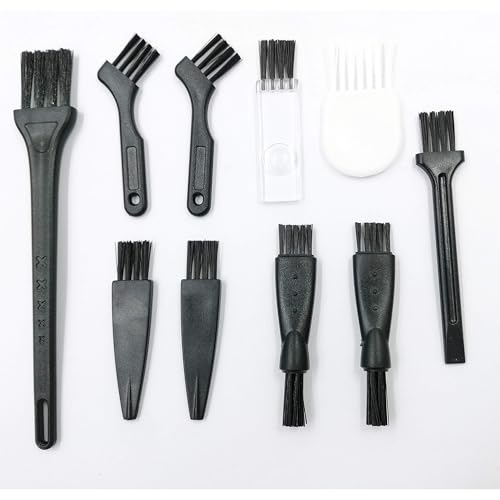
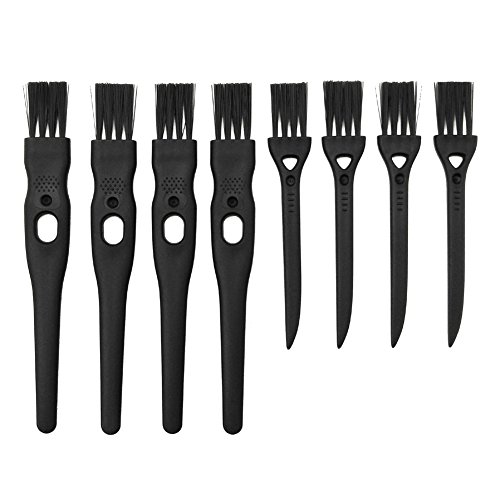
Very convenient to clean shaver / razor.

ShaverAid Electric Razor Shaver Cleaning Brush