Your beard keeps growing after daily shaving because razors only cut hair above your skin’s surface—they don’t touch the follicles beneath that control growth rate. Your genetics and testosterone levels determine how fast your beard grows, not shaving frequency. What you’re seeing is the blunt-tip illusion: freshly cut hair appears darker and thicker against your skin, creating a visual density that isn’t actually new growth. Understanding what truly drives beard development reveals surprising strategies you haven’t considered.
Debunk the Myth: Does Shaving Really Make Beards Grow Faster?
While you’ve likely heard that shaving stimulates faster beard growth, this claim doesn’t hold up to scientific scrutiny. Decades of research consistently debunk this shaving myth. When you shave, you’re only cutting hair at its widest point—the middle shaft, which appears thicker and darker than naturally tapered ends. This blunt edge creates a stark visual contrast against your skin, tricking your perception into believing regrowth is faster and coarser.
The reality is that shaving never touches your hair follicles, which lie beneath your skin’s surface. These follicles independently control your beard’s growth rate, thickness, and color. Your genetics, hormones, and age determine these characteristics, not your razor. No amount of daily shaving alters your follicles’ natural cycle or output. Using a sharp blade can minimize skin irritation and reduce unnecessary passes over the skin that might damage follicles. Switching to tools designed for closer shaves with less irritation helps protect your skin during frequent grooming. Hair growth occurs through distinct phases—the anagen, catagen, and telogen phases—which progress naturally regardless of shaving frequency.
Your DNA Controls Beard Growth Speed, Not Your Razor
Your beard’s growth rate isn’t determined by how often you drag a razor across your face—it’s written into your genetic code. Your DNA controls the speed at which your beard grows through specific genetic markers that regulate follicle density and activity levels. The LNX1 gene on chromosome four, for instance, directly correlates with facial hair thickness and growth velocity. Your follicles’ sensitivity to dihydrotestosterone (DHT)—not testosterone levels themselves—determines how quickly your beard develops. These genetic factors are predetermined at birth and remain constant throughout your life. Shaving stimulates nothing; your inherited follicle programming operates independently of blade contact. You’ll experience consistent growth rates regardless of shaving frequency because your genetic blueprint, not your grooming habits, controls beard development. A healthy diet containing proteins, vitamins, and minerals can support your hair follicle health and optimize the expression of your genetic potential.

SUPPORTS BEARD & HAIR CARE – Formulated with 10,000 MCG of Biotin, Collagen, Keratin, and essential nutrients, ALPHA BEARD is designed to help maintain a healthy beard and hair.

DHT Blocker hair growth supplement for women and men. Ideal for hair loss and thinning hair on the top of your head, crown, or frontal hairline. Target hair loss caused by genetics and pattern hair loss with a powerful formula with 11 natural ingredients for optimal health, hair loss control, and immune system support.

Scientific research on hair loss has shown that the number one factor in hair loss is the production of dihydrotestosterone or DHT. Finanutride natural hair loss supplements revolutionary formula contains clinically proven DHT blockers that work synergistically to stop hair loss and help regrow and thicken hair. Works for both men and women!
Why Testosterone Drives Thicker and Faster Facial Hair
Although genetics sets your beard’s growth potential, testosterone is the biochemical engine that determines whether your follicles’ll produce thick, dark terminal hair or remain fine and sparse. Your body converts testosterone to DHT via 5-alpha reductase enzyme in hair follicles, which then activates beard growth at the cellular level. Facial follicles demonstrate exceptional DHT sensitivity compared to scalp follicles, responding aggressively to even modest hormone increases. Higher testosterone levels directly extend your beard’s active growth phase, allowing individual hairs to persist longer before shedding. This testosterone effect explains why men experience progressive beard thickening through their twenties and thirties—sustained hormonal stimulation continuously transforms vellus hair into robust terminal strands. The follicle programming variation evident across different body locations means that while facial hair follicles thrive under DHT exposure, scalp follicles in genetically susceptible individuals may simultaneously experience miniaturization and thinning. Low testosterone impairs this process, while clinical replacement therapy demonstrably restores density in deficient men. For men who shave daily, choosing the right shaver type—whether a foil or rotary shaver—can optimize comfort and efficiency during frequent grooming sessions. Maintaining proper grooming hygiene through regular shaving can help reduce bacteria buildup and improve overall comfort during the growth cycle.
The Blunt Tip Illusion: Why Stubble Looks Darker After Shaving
When you drag a razor across your face, you’re not actually changing your hair’s color or thickness—you’re creating an optical illusion that’ll persist for the next few days. The blunt edge left by shaving creates a flat surface that appears wider than your hair’s natural tapered tip. This structural change produces significant visual contrast against your skin. Short stubble appears darker due to increased contrast between the cut hair and your skin tone, not because the hair itself changed color. Freshly shaved skin accentuates emerging stubble, creating a density illusion. The darkness perception results from lighting angles rather than actual pigmentation changes. To avoid irritation from frequent shaving, many men prefer using an electric trimmer as a safer alternative to razors. Clinical studies dating back to 1928 have confirmed that shaving does not alter the follicle, thickness, color, or growth rate of your beard. Once your hair grows past the initial stubble stage, this visual contrast disappears entirely, revealing your hair’s true appearance. Contrary to popular belief, this optical effect has no impact on actual hair growth rates, which remain entirely dependent on your genetics and hormonal balance.
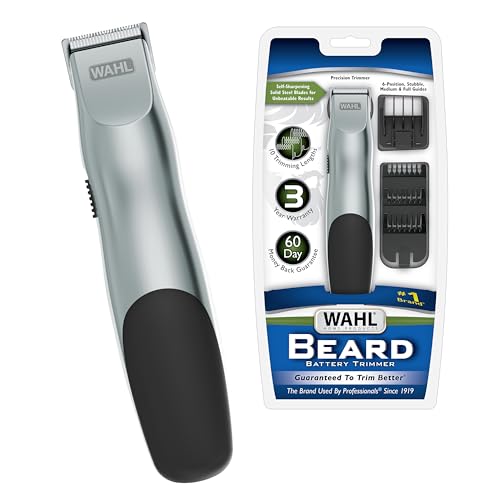
Precision Ground Blades – Our high-carbon precision-ground blades stay sharp longer, use in conjunction with our six-position beard regulator for multiple beard trimming lengths; Our beard guards vary in length from stubble to short and clean, to thick and even
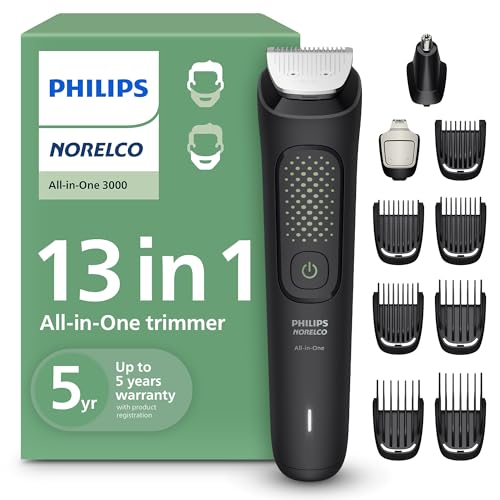
Full Metal Blades: Self-sharpening blades stay as sharp as day one and require no oiling for precise, low-maintenance grooming

Edging: Get crisp, clean lines & sharp edges with Wahl’s zero overlap blades; Blades are 0.2 millimeters and leave a crisp ash line for excellent line definition with the power of a full-size clipper in an easy to hold compact trimmer unit
Why Shaving Won’t Speed Up Beard Growth at the Follicle Level
Now that we’ve established how shaving creates visual illusions about your beard’s appearance, it’s worth addressing the persistent myth that daily shaving actually accelerates growth at the follicle level—it doesn’t.
Your hair growth operates on a predetermined hormonal and genetic cycle, independent of shaving frequency. When you shave daily, you’re removing existing hair above the skin’s surface, but you’re not triggering follicle activity beneath it. The root and follicle remain completely unaffected by how often you shave.
Your follicles continue producing hair at their genetically determined rate regardless of shaping patterns. The volume and density of new growth remain constant. Shaving doesn’t stimulate accelerated responses in follicles; it simply removes what’s already grown. Maintaining proper clipper hygiene and maintenance is essential if you use electric shavers, as clean blades reduce skin irritation during frequent shaving. If you have sensitive skin, using a gentle electric shaver like those with hypoallergenic stainless steel blades can help reduce irritation while shaving frequently. Understanding this biological independence helps you manage expectations about beard development.
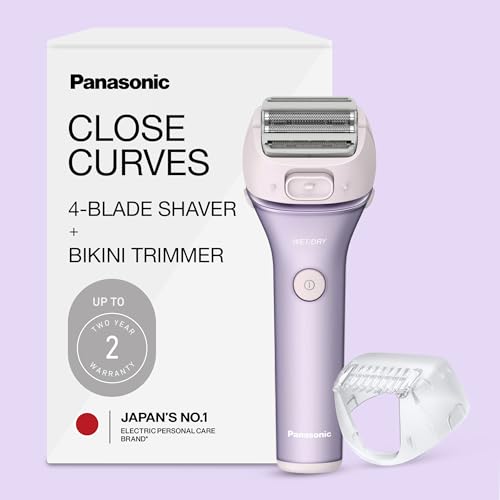
A Safe and Gentle Electric Razor for Women: Experience easy, curve-hugging, smooth shaving with this bikini trimmer for women, featuring a reusable, rechargeable design that minimizes skin irritation and reduces disposable razor waste

4 BLADES FOR SMOOTH AND SILKY RESULTS: The hypoallergenic foils and trimmers move smoothly across the skin and leave no hair behind

Sharp men’s electric shaver blades: Panasonic Arc 5 electric shavers for men with five ultra-sharp precision honed 30° Nanotech blades and ultra-thin Arc foil follow facial contours for a quick, close and comfortable shave; charging time : 1 hour
The Only Factors That Actually Speed Up Beard Growth
Genetics, hormones, and nutrition—not shaving frequency—directly control how fast your beard grows. Your DHT hormone sensitivity determines whether your follicles respond aggressively or minimally to hormonal signals. If you’re genetically predisposed to hormone sensitivity, you’ll experience faster beard growth regardless of shaving habits.
Nutritional deficiencies actively slow your growth rate. Inadequate protein intake compromises keratin synthesis, the structural foundation of beard hair. Zinc deficiency impairs both hair tissue growth and hormone regulation. Iron deficiency reduces oxygen transport to follicles during the anagen phase, stunting growth velocity. Chronic inflammation from environmental factors such as UV rays and pollutants can also disrupt hair growth cycles and create patchiness in your beard development. If you have sensitive skin, choosing appropriate shaving tools can help prevent additional irritation that may compromise follicle health. Using waterproof grooming devices designed for sensitive areas provides better protection during the shaving process.
Optimize your beard growth by addressing these controllable factors: consume sufficient lean protein, maintain adequate zinc and iron levels, and guarantee biotin supplementation if deficient. These interventions directly accelerate growth by supporting your follicles’ biological capacity.

Get To The Root Of The Issue For Fuller & Thicker Hair - Healthy hair & beard growth for men kits, serums and shampoos can help you from the outside, but the root issue comes down to an internal nutrient deficiency. Our mens hair & beard growth product fills the missing nutrients from your diet that may be causing hair loss, thinning or unhealthy growth, and ensures that you get everything you need for fast hair regrowth.

BIOTIN 10000MCG FOR HAIR, SKIN AND NAILS, support your daily beauty routine with vitamin B7, zinc and selenium in one convenient tablet. A focused formula for adult women and men who want straightforward daily nutritional support.

Powerful Men's Multi-Vitamin - Formulated with essential vitamins like Biotin, B12, E, and C, our beard growth gummies help support your beard and hair growth from within
Maximize Beard Growth With Proven Nutrition and Grooming Habits
You’ll accelerate beard growth by addressing two controllable domains: nutritional intake and grooming practices.
Nutritional benefits directly impact follicle performance. Prioritize protein-rich foods—eggs, salmon, and lean meats—supplying amino acids for keratin synthesis. Incorporate zinc from pumpkin seeds and oysters to regulate hormonal balance. Selenium in Brazil nuts amplifies testosterone production, essential for robust growth. B vitamins enhance follicle circulation, while biotin strengthens hair thickness at the recommended 30 mcg daily intake. Vitamin D promotes hair follicle cycling and supports the transition between different growth phases for sustained beard development.
Grooming techniques equally matter. Regular beard shampoo maintains clean follicles, enabling nutrient absorption. Brushing stimulates blood flow and promotes even growth patterns. Beard oil prevents dryness and breakage by supporting sebum production. Trimming split ends preserves structural integrity without compromising growth velocity. For sensitive skin prone to irritation, consider using safety razors to minimize razor burn and ingrown hairs during beard maintenance. Professional-grade tools like beard trimmers with precise guards can help maintain optimal length while your beard develops. These combined strategies optimize your beard’s biological potential.

BEARD GROWTH KIT FOR MEN, INSIDE AND OUT - Thickening biotin beard balm for men plus strawberry beard growth gummies to support facial hair from within and condition on the surface

Biotin, Collagen & Keratin — a beauty multicomplex featuring Biotin, Collagen, Keratin, Hyaluronic Acid, Vitamin B-complex, Vitamins A & E, and natural botanical extracts. Each serving is designed to provide well-rounded nutritional support to complement your beauty routine.

KEEPS HAIR REGROWTH FOR MEN - Men's Hair supplement formulated especially for male hair loss. Especially for men currently experiencing thinning hair and hair loss due to, stress, bad diet, aging, and unhealthy lifestyle.