No, shaving won’t make your mustache grow back thicker—that’s a common misconception. When you shave, you’re only cutting hair above the skin surface; the follicles beneath remain genetically unchanged. What you’re experiencing is an optical illusion: blunt hair ends create coarser texture and appear denser than naturally tapered tips. Your hair’s thickness is determined by genetics and hormones, not grooming methods. Understanding the actual mechanics behind regrowth reveals why this myth persists so stubbornly.
Why Hair Feels Thicker After Shaving
When you run your hand across freshly shaved skin, the stubble that emerges feels noticeably coarser than the hair you removed—yet this sensation doesn’t reflect any actual change in your hair’s thickness.
Your sensory perception shifts because razors create blunt ends rather than the naturally tapered tips on unshaven hair. This chopped edge sits at your hair’s thickest point, amplifying the stubble sensation against your skin. The uniform blunt edges across all hairs create an optical illusion of increased density and coarseness.
Meanwhile, your previously unshaven hair had frayed from sun exposure and friction, appearing finer. Fresh regrowth emerges undamaged and unexposed to weathering, contrasting sharply with your skin. Whether you prefer wet shaving or dry shaving, the underlying mechanism of how your hair feels after removal remains the same. For those concerned about skin irritation from frequent shaving, safety razors may offer a gentler alternative due to their single-blade precision. This hair texture difference is temporary—a sensory illusion driven by geometry, not biology. Your hair’s actual diameter remains unchanged. Hair thickness, growth speed, and color are determined by genetics and hormones, meaning that shaving frequency has no biological impact on how your hair develops.

THE PERFECT SHAVE: Make skin irritations and ingrown hair a problem of the past. With the safety razor for women, you will achieve the closest shave effortlessly.

THE PERFECT SHAVE: Make skin irritations and ingrown hair a problem of the past. With the double sided razor, you will achieve the closest shave effortlessly.

Smooth & Precise Shave: Single blade design cuts cleanly at skin level, helping reduce the tugging and pulling that multi-blade razors can cause. Designed to minimize razor bumps and ingrown hairs on your face, legs, head, bikini area, and underarms.
The Real Science Behind Hair Regrowth
Because your hair follicles contain specialized stem cells, they’re capable of regenerating new hair throughout your lifetime—a process far more intricate than the simple act of shaving. Your stem cells rely on regulatory T cells (Tregs) to initiate regeneration timing through direct interaction. These Tregs activate the Notch signaling pathway via the Jag1 protein, which stimulates follicle stem cell activity essential for hair regrowth. This complex biological mechanism operates independently of shaving. Multiple clinical studies confirm that shaving doesn’t alter your hair’s thickness, color, or growth rate because the razor only cuts the shaft above skin surface. Your follicle characteristics remain determined solely by genetics and hormones, unaffected by blade contact. For precise facial hair maintenance, using beard trimmers with fine teeth allows for detailed edging without affecting the underlying follicle structure. Safety razors provide closer shaves with less skin irritation compared to multi-blade systems that can tug hair and scrape skin layers. When Tregs are absent from skin tissue, follicles lose their ability to undergo the critical regenerative recycling process necessary for healthy hair growth.
Timeline: How Fast Does Hair Grow Back?
Now that you understand the biological machinery driving hair regrowth, you’ll want to know the timeline for your mustache to return after shaving. Your upper lip terminal hair follows a predictable regrowth timing of 4-6 weeks. During this period, your growth rate averages 0.3-0.5 mm daily, meaning stubble visibly emerges within 7 days. By week two, you’ll notice more defined facial hair as growth continues steadily. The regrowth timing varies slightly based on genetics and hormonal factors, with peak growth occurring during your mid-20s to mid-30s when hormonal stability supports ideal hair development. After age 35, growth rates may gradually slow. For teens and beginners just starting their shaving journey, choosing a gentle electric razor can help minimize irritation during the regrowth phase. Maintaining proper hygiene during regrowth can help prevent irritation and infection control as new hair emerges. It’s important to recognize that all hair progresses through distinct growth phases including anagen, catagen, and telogen phases, which influence when and how quickly your facial hair regenerates. Understanding these timelines helps you anticipate when your mustache fully returns to its original appearance.

GENTLE & PAINLESS: The 2-1 women's hair remover is suitable for daily use to keep up with hair regrowth and leave it smooth, specially designed for use on eyebrows, upper and lower lip, cheeks, chin, and neck. Works on peach fuzz or fine hair. Go slow with circular movements and it will do the job.
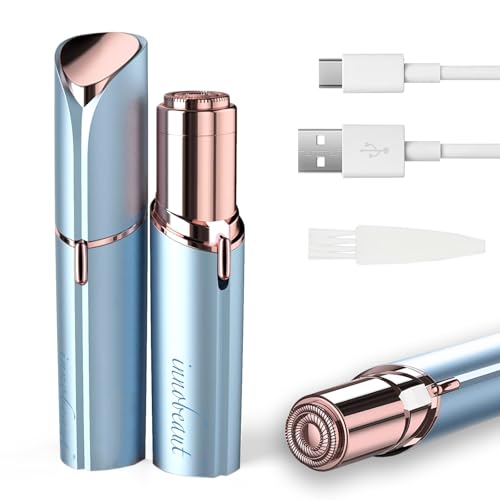
Gentle Facial Hair Remover: This face shaver for women features a rounded low-friction protection head, designed to smoothly glide over skin to trim fine hairs without pulling, nicks, or cuts. It safely shapes stubble on the lip, chin, cheeks, and jawline for a neat, smooth finish.

2 in 1 Facial Hair Remover and Eyebrow Trimmer for Women: This hair removal device is effective for removing peach fuzz and fine hairs around the eyebrows, chin, and upper lip. With a single glide, it gently on the skin while effectively removing unwanted hair on both the face and eyebrow.
Why Regrowth Looks and Feels Thicker (It’s Not, Really)
After you shave, your mustache won’t actually grow back thicker—though it’ll certainly feel and look that way. Shaving creates blunt tips on hair shafts, contrasting sharply with naturally tapered ends. These blunt tips stand upright against your skin, enhancing visual perception of density and darkness. Your regrowth emerges uniformly from follicles, creating a synchronized stubble appearance that amplifies the illusion of thickness.
Scientific studies from 1928 and 1970 confirm that shaving doesn’t alter hair width or coarseness. Mayo Clinic corroborates this: no biological changes occur in follicle structure. Your perception shifts as hair lengthens and tips sharpen naturally during growth. The tactile sensation of coarseness fades accordingly. Observer bias amplifies your initial impression of change, but your mustache hair diameter remains genetically determined and unchanged by shaving. Hair typically grows at a rate of half an inch to one inch per month, allowing you to track how your regrowth naturally tapers and softens. For precision trimming during regrowth, tools with adjustable guards and LED lights can help you maintain your desired look without additional irritation. If you want genuinely finer regrowth over time, consistent waxing weakens follicles, resulting in visibly softer hair compared to the blunt-edged aftermath of shaving.

Precision Beard Styling with 20 Adjustable Lengths: The REHOYO BeardFix beard trimmer offers 20 adjustable length settings, ranging from 0.5mm to 10mm, giving you full control over your grooming routine. With a simple twist of the dial, you switch effortlessly between different beard styles without needing to change attachments. From a close stubble to a long beard, facial hair trimmer is designed for versatility, catering to every man's unique grooming preferences.

PRECISION CONTROL WITH ADJUSTABLE ZOOM WHEEL: Easily dial in your exact beard length with 9 lock-in settings (1–18mm) using the intuitive zoom wheel—perfect for stubble, short beards, or shaping clean lines

20 Precision Length Settings: The Electric Beard Trimmer offers a precision dial with 20 adjustable length settings (0.5-10mm) Whether you prefer stubble, a medium beard, or a full, thick beard, this versatile trimmer provides the ultimate control for barber-grade results at home.
What Actually Controls Hair Thickness: Genetics and Hormones
Your mustache thickness ultimately comes down to two biological forces: the genes you’ve inherited and the hormones coursing through your body. Genetic factors determine your hair follicle count and density—traits set at birth. Over 500 DNA markers influence facial hair thickness, including the EDAR and LNX1 genes that shape follicle architecture.
Hormonal influence kicks in at puberty when testosterone transforms fine vellus hair into coarser terminal hair. Your body converts testosterone into dihydrotestosterone (DHT), which binds to androgen receptors in follicles. However, genetics also control follicle sensitivity to DHT. Two men with identical testosterone levels can have vastly different beard thickness because their follicles respond differently to hormonal signals. If your biological father or grandfather had thick facial hair, you’re more likely to inherit similar beard growth traits. Your genetic blueprint fundamentally writes the rules. Maintaining consistent grooming habits requires tools with extended battery capacity to keep up with regular maintenance. When selecting grooming tools, choosing equipment with long battery life and cutting power ensures consistent maintenance of whatever thickness you naturally possess.
How to Shave for Less Stubble
While genetics and hormones dictate your mustache’s growth potential, proper technique directly determines how close you can shave and how long you’ll stay stubble-free. Your shaving techniques greatly impact results. Begin by rinsing your face with warm water to hydrate hair, then apply shave gel to non-mustache areas. Use light, gentle strokes with your razor, rinsing blades frequently to prevent buildup that compromises closeness. Bite your top lip to pull skin taut during delicate work near sensitive areas. For ideal mustache care, shave outside defined lines from your mouth edge and nose bottom using precision movements. Investing in a quality shaver with double-edge Lift&Cut blades ensures superior cutting performance and closer results compared to budget options. Proper aftercare soothes potential irritation and helps maintain skin health. Finish with cool water rinses and apply hydrating aftershave lotion to maintain skin health and extend stubble-free duration. Consider using moisturizing ingredients like aloe vera or shea butter in your aftershave products to soothe freshly shaved skin and prevent dryness.

Get the ultimate grooming experience with the Line-Up Razor, proudly made in Korea.

Two packs of 5 blades.
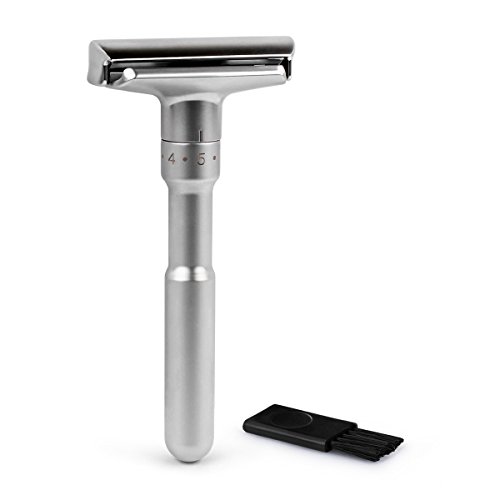
German Design Adjustable Handle to set blade exposure levels from 1 to 6. Matte chrome plated over zinc.
Do Waxing, Plucking, or Threading Affect Hair Thickness?
A common misconception circulates that repeated hair removal methods—whether waxing, plucking, or threading—make your hair grow back thicker, darker, or denser. Science refutes this claim entirely. Threading effects and waxing benefits don’t include hair thickening; instead, repeated sessions weaken follicles over time, potentially causing finer, sparser regrowth. Your hair’s thickness, color, and density are genetically and hormonally determined—removal methods can’t alter these fixed traits. Hair growth rate and thickness are primarily controlled by genetics, testosterone, and DHT, which stimulate follicles independently of any removal method. The perception of thicker regrowth stems from darker new hair unexposed to light and simultaneous regrowth creating volume illusion. Waxing benefits include removing multiple hairs evenly while reducing ingrown hair risk. For those with sensitive skin concerns, choosing gentler removal tools like single blade razors can minimize irritation while providing the same results as other methods. All root-removal methods share similar follicle stress, but none stimulate thicker growth regardless of frequency or technique. Dermatologists consistently affirm that hair structure remains unchanged by any hair removal method, supporting the evidence that genetics and hormones alone control these characteristics.
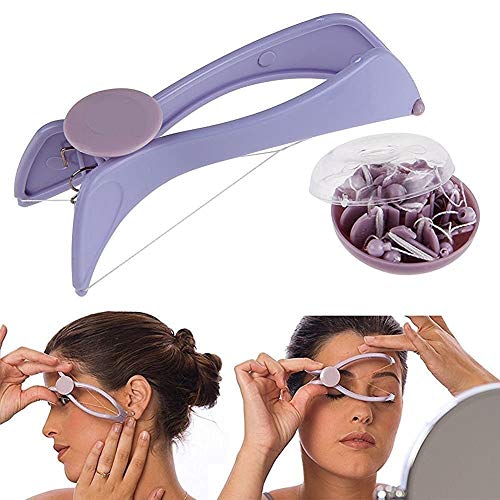
One handed operation compared to other solutions removes hair from the root for slow regrowth
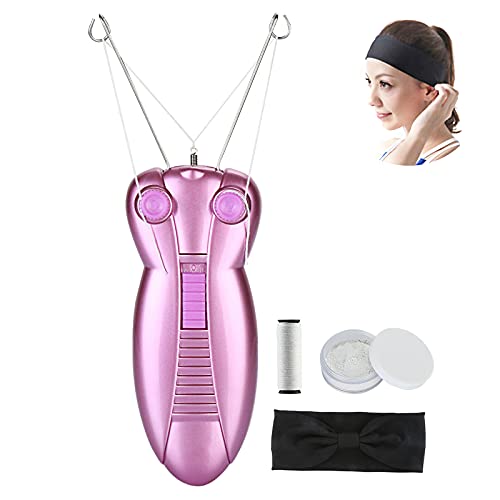
Traditional Method: Use a physical pull face device to remove your facial hair, a safe and fast way to remove facial hair, and keep away from irritation and allergies

EFFECTIVE SPRING THREADING TECHNOLOGY – Gently remove unwanted facial hair from the root with a rolling spring motion. No sharp blades, hot wax, or chemical depilatory creams.