You shave your head for practical reasons—reduced maintenance, cost savings, and simplified daily routines. Psychologically, you’re confronting insecurities and building authentic confidence. You’re also challenging traditional beauty standards linked to femininity while potentially engaging in political activism or supporting charitable causes like childhood cancer research. Social acceptance has grown markedly since 2007, though generational reactions vary. Understanding your specific motivation shapes how you’ll navigate this transformative choice.
Why Women Shave Their Heads: The Main Reasons
Women shave their heads for several interconnected reasons that span practical, psychological, and cultural dimensions. You’ll find that practical motivations dominate: reduced maintenance, easier hygiene, and simplified routines suit busy lifestyles. Psychologically, you’re removing a barrier that allows authentic confidence to emerge, forcing you to confront insecurities without hair as a shield. Maintaining short hair or a shaved head requires proper care, such as regular clipper oiling to keep grooming tools in optimal condition. Research from a 2012 study shows that shaved heads are perceived as 13% more dominant compared to thinning hair.
Cultural significance plays a substantial role in this trend. Personal stories shared across over 402,000 YouTube videos demonstrate how women’re breaking from historical shame associations to reclaim empowerment. Research indicates that younger women aged 18-24 are significantly more likely to engage in hair grooming practices compared to older age groups, reflecting generational shifts in beauty standards. You’re challenging beauty standards that tie femininity to long hair, subverting traditional ideals while embracing womanhood on your terms. This shift reflects modern feminist values gaining traction in media and popular culture, transforming what was once stigmatized into a bold declaration of self-determination.
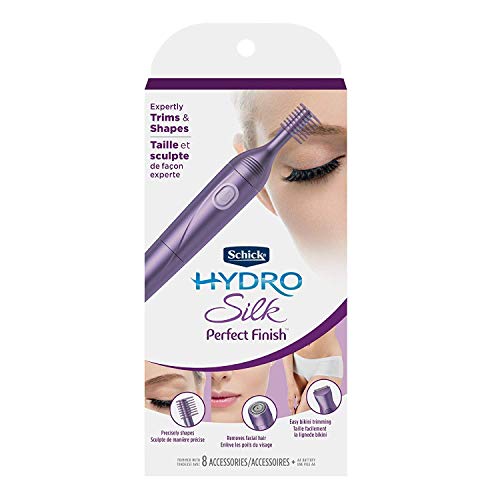
CREATE YOUR PERFECT LOOK : Our multi zone face and body shaver is uniquely designed for convenient and precise hair removal
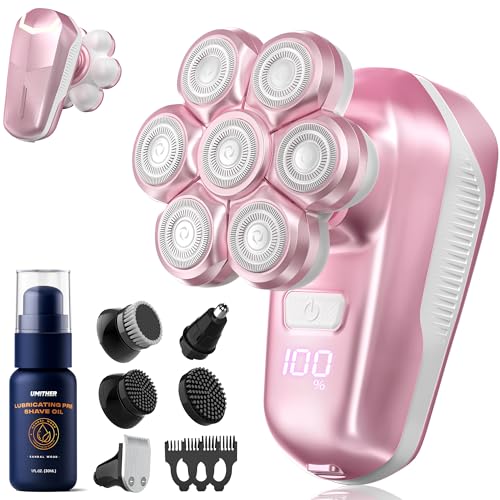
7D Magnetic Floating Shaver Heads – This shaver for women features advanced magnetic levitation technology for effortless removal and cleaning. The flexible 7D floating heads glide smoothly along the contours of your face, legs, underarms, and bikini line, delivering a silky-smooth shave without irritation. Perfect as a head shaver or women’s electric shaver for full-body use.

【Safe and Effective. Achieve a Polished Look in Minutes】 This all-in-one personal grooming kit features 2 interchangeable heads. The precision trimming head is used for quick large-area hair removal, while the round shaver head provides a close, smooth finish. Suitable for the face, arms, legs, body, armpits, and bikini area, it leaves no residue behind. A true lifesaver.
Shaving as Political Protest: The 2024 4B Movement
Beyond personal empowerment, head-shaving‘s taken on explicit political dimensions through the 4B movement, a radical feminist protest that gained significant traction in the United States following the 2024 presidential election. You’re rejecting patriarchal beauty standards by shaving your head as an act of societal rebellion. This visible gesture communicates your refusal to conform to expectations of femininity and attractiveness designed to appeal to men. You’re leveraging your appearance as political empowerment, signaling resistance against reproductive rights erosion, gender inequality, and systemic misogyny. The movement, originating in South Korea, emphasizes collective action among women. TikTok videos documenting head-shaving garnered millions of views, demonstrating how you’re transforming bodily autonomy into protest. Beyond the symbolic act, head-shaving offers practical benefits including improved hygiene and reduced discomfort from hair management. The 4B movement’s four tenets—no dating, marriage, sex, or childbirth—represent a comprehensive rejection of heteronormative structures that participants view as inherently patriarchal.
The Confidence Boost: Empowerment Through a Shaved Head
Shaving your head triggers a measurable psychological shift that extends beyond aesthetics—it’s fundamentally about reclaiming agency over your appearance. You actively reject societal perceptions that equate hair loss with diminished worth. This deliberate choice transforms vulnerability into strength, allowing you to embrace self-acceptance rather than conceal insecurity.
Research demonstrates that owning baldness enhances perceived confidence, trustworthiness, and dominance. You signal intentionality through grooming rather than resignation through concealment. The psychological empowerment stems from confronting societal standards directly—refusing to hide what you cannot change. Studies show that men with shaved heads are perceived as more dominant and leader-like, reinforcing how this choice communicates strength to others. Beyond psychological benefits, many women report that shaving their head eliminates bad hair days and provides a liberating fresh start. Maintaining a clean shave requires professional hair trimmers designed for precision and durability in regular grooming routines.
Shaving for Good: Donating Hair to Charity
The act of removing your hair transforms personal grooming into a vehicle for charitable impact. When you shave your head, you’re not simply changing your appearance—you’re enabling organizations like Locks of Love, the Little Princess Trust, and Wigs for Kids to create hairpieces for children experiencing hair loss from cancer treatment and other medical conditions.
Your donated hair directly supports recipients who receive custom wigs that restore confidence during vulnerable periods. Simultaneously, you can establish a JustGiving fundraising page to solicit donations alongside your hair donation, amplifying your charity impact. Events like St. Baldrick’s demonstrate this dual benefit: participants have contributed over $340 million toward childhood cancer research while providing hair for wig creation. For those seeking alternatives to traditional shaving, hair removal creams offer a convenient method to achieve smooth results at home. To ensure comfort and safety during head shaving, using specialized body grooming devices with skin-friendly designs helps minimize irritation on sensitive scalp areas. Beyond medical charities, head-shave events like those organized by Media 10 Limited have raised substantial funds for organizations such as Macmillan Cancer Support through team participation and creative fundraising activities.
This approach combines personal sacrifice with tangible medical support.

All-in-One Travel Friendly Wet Shave Kit: Upgrade your daily grooming with this complete men shaving set. It includes 60ml 2-in-1 facial cleanser & shaving cream, shaving brush, stainless steel lather bowl and 30g solid aftershave balm. Packed with all essentials for a smooth wet shave, it brings professional barbershop experience at home or on the go. The compact design perfectly fits daily use and travel needs

COMPLETE MEN'S SHAVING KIT: The Gentleman Jon Shaving Kit for Men is a comprehensive set that includes a safety razor, badger hair brush, alum block, shave soap, stainless steel bowl, shaving stand, canvas & leather dopp kit, and five razor blades - everything needed for a luxurious, comfortable and smooth wet shave experience. With its compact design, our product is also a suitable travel companion to those who value traditional shaving, ensuring a neat shave even while on the go.
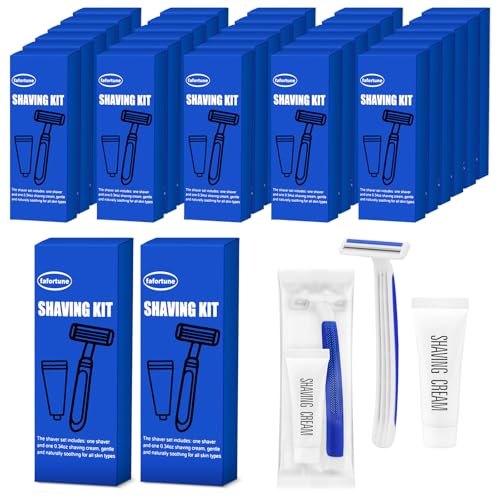
Sufficient quantity:Bulk Razors Disposable Individually Wrapped includes 60 individual packaged disposable razor sets,enough for you and your family every day; Shaving cream bulk travel size is sealed with foil to prevent leakage .It is also suitable for any hotel guest or personal use it's ideal for those who need more quantity
The Practical Perks: Time, Money, and Simplicity
While charitable contributions represent one compelling reason women choose to shave their heads, the decision often hinges on distinctly personal advantages. You’ll experience significant time efficiency by eliminating washing, drying, and styling routines. Cost savings accumulate rapidly—you’ll discontinue spending on shampoos, conditioners, and salon visits, reducing annual hair care expenses substantially. Grooming simplicity transforms your daily routine into a single-step process. Depending on your hair growth rate and stubble tolerance, you might shave every other day or twice weekly, minimizing frequency requirements. Maintenance reduction follows naturally; you’ll avoid chemical treatments, dyes, and damage repair cycles. Quality razors provide long-lasting performance, lowering replacement costs. Your scalp recovers between sessions, preventing irritation while eliminating daily hair management decisions entirely. Using sharp razors ensures a close, comfortable shave that enhances both the quality and longevity of your grooming results.

2-IN-1 SHAVE GEL BARS: The Venus ComfortGlide Razor lathers and shaves in every stroke--no shave cream required!

3 BLADES: 3 blades and a SkinElixir lubrastrip for glide, to deliver a smooth shave, with up to 0% irritation (US Consumer Study Feb 2018)

FLAMINGO RAZORS: Includes 6 razor blade refills designed for a really close, really comfortable shave
Handling Reactions to Your Shaved Head
Once you’ve made the decision to shave your head, you’ll encounter varied responses from your social circles, media exposure, and potential romantic partners. Handling public perception requires understanding that reactions often correlate with age demographics—older generations typically express concern while younger audiences demonstrate support.
Navigating social conversations means recognizing that your shaved head functions as a filter identifying compatible relationships. Family members may initially react negatively, though acceptance typically stabilizes over time. Within dating contexts, the aesthetic reveals which partners accept non-traditional femininity expressions, naturally screening for flexible gender role expectations. Research shows that cultural shift has significantly reduced the stigma previously associated with women choosing shorter hairstyles.
Media narratives have shifted greatly since 2007, framing head shaving as empowering rather than indicative of crisis. This cultural reframing reduces stigma considerably. For those maintaining their shaved head long-term, proper grooming tools with sharp stainless steel blades and ergonomic designs can help keep the look polished and intentional. To achieve the closest shave, consider that foil shavers maintain a slight edge in closeness compared to other electric shaver technologies. Understanding these dynamics helps you contextualize reactions as predictable patterns rather than personal rejections.
Why Some Criticize the Trend: Alopecia and Hair Loss Sensitivity
Beyond managing social acceptance, you’ll encounter criticism rooted in a legitimate medical concern: voluntary head shaving can appear insensitive to those experiencing involuntary hair loss from alopecia. Approximately 147 million people globally face alopecia areata, an autoimmune condition where the immune system mistakenly attacks healthy hair follicles. For these individuals, hair loss represents genuine medical and psychological distress, not aesthetic choice.
Critics argue that normalizing shaved heads trivializes the experiences of those seeking hair loss support. When you voluntarily adopt what others endure involuntarily, you risk diminishing alopecia awareness efforts. The distinction matters: your choice differs fundamentally from someone managing totalis, patchy, or universalis alopecia variants. Just as those with sensitive scalp conditions require specialized grooming approaches such as electric razors designed to minimize skin irritation, individuals with alopecia benefit from precision grooming tools featuring high-speed magnetic motors that deliver reliable performance without exacerbating their condition. Individuals with alopecia need thoughtful public discourse that recognizes their medical challenges. The global alopecia market is projected to reach USD 12.99 billion by 2026, reflecting the substantial economic and healthcare resources dedicated to treating this serious condition.
Sensitivity requires acknowledging this difference publicly and supporting alopecia advocacy initiatives.
Thinking Long-Term: Regrowth, Regret, and Redefining Beauty
Before you commit to a shaved head, you should understand the biological realities of hair regrowth and the psychological weight of potential regret. If you’re experiencing hair loss, evidence-based regrowth options exist: finasteride produces hair regrowth in 48% of men after one year, while spironolactone stabilizes or improves female pattern hair loss in 74.3% of patients. However, only 12% of women with hair loss pursue restoration treatment, suggesting psychological barriers persist.
Consider that 29% of women with hair loss report depression symptoms. 95 percent of female hair loss is androgenetic due to hormonal changes, which means many cases are medically addressable rather than inevitable. Before permanently altering your appearance, explore medical interventions. To maintain your scalp health during this exploration period, ensure proper regular maintenance of any hair removal tools you use, and always prepare your skin with warm water to soften hair before any removal process. Redefining beauty standards shouldn’t require sacrificing biological potential for recovery. Your decision should reflect genuine preference, not resignation to untreated hair loss or societal pressure.