You should shave with the grain on your first pass, regardless of whether that’s up or down on your face. Shaving against the grain—typically upward on most facial areas—causes irritation, razor burn, and ingrown hairs despite delivering a closer shave. Start by mapping your grain direction using two to three days of growth, then execute short, overlapping strokes following hair growth patterns. Once you’ve mastered the fundamentals, you’ll uncover techniques that refine your results further.
Map Your Grain Direction First
You’ll want to start by mapping your facial hair’s grain direction—the natural growth patterns that vary across different sections of your face. These grain patterns remain consistent, making them essential for minimizing irritation, bumps, and ingrown hairs.
Begin with 2-3 days of facial hair growth for ideal visibility. Use proven mapping techniques: run your fingers across each zone—smooth indicates with-grain, rough indicates against-grain. Alternatively, glide a credit card or cotton swab to detect direction changes.
Examine five key sections: both cheeks, underneath chin, and both neck sides. Document your findings by drawing arrows on a printed face diagram or taking photos and marking growth paths. Hair growth directions can be vertical, horizontal, or diagonal depending on your unique facial structure. For those with sensitive skin, understanding your grain direction is particularly important as shaving against the grain can increase razor burn and micro-trauma. Many men find that using an electric razor with adjustable settings provides greater control when navigating different grain directions across facial zones. Hang your completed map on your mirror as a shaving reference guide, or memorize patterns through repeated applications.

✔✔【PRITECH ELECTRIC RAZOR FOR MEN 】The 3D floating electric shavers for men with dual-track stainless steel blades fits the contours of the face, neck and jaw even chin for a quick yet clean shave.

√ **4 Floating Blades** –PRITECH Men Electric Razor with 4 independent floating blades can trace every facial contour, cutting hair cleanly without tugging for a faster, smoother shave.

High-Performance Brushless Motor & Stepless Speed: Powered by a smooth outer rotor brushless DC motor with stepless speed adjustment from 7000 to 9000 RPM, this wmark shaver delivers consistent, reliable power for a smooth and effortless shaving experience every time
Shave With the Grain on Your First Pass
Now that you’ve mapped your grain direction, your first shaving pass should follow the grain to establish a safe foundation for closer shaving. This fundamental shaving technique minimizes irritation by positioning hair between blade and skin, cutting just above the surface. You’ll remove a substantial amount of facial hair while greatly reducing razor burn risk—especially beneficial if you’re prone to bumps or redness.
Use short, slightly overlapping strokes in your chosen direction, typically north to south. Re-lather thoroughly before proceeding to your second pass. While your skin care routine prioritizes protection here, understand that this initial pass won’t deliver baby-smooth results alone. Safety razors feature a protective guard that reduces injury risk compared to straight razors, making them ideal for developing proper technique. For those grooming sensitive areas beyond the face, electric trimmers designed for sensitive skin offer an alternative approach to traditional razors. Instead, it prepares your facial hair for subsequent passes across and against the grain, enabling progressive closeness while maintaining skin integrity throughout your shaving techniques. Gentle post-shave care is essential to avoid skin aggravation after completing your shaving routine.
Assess Your Skin Type Before Going Closer
Why does skin type matter when progressing to closer shaving passes? Your skin type determines how your skin responds to multiple razor passes, directly influencing product selection and technique adjustments.
If you have sensitive skin, you’ll want to minimize additional passes since multiple blade contact increases irritation risk. Dry skin requires moisturizing products to reduce friction during closer shaves. Oily skin tolerates closer passes better but needs oil-free formulations to prevent pore clogging. For those with sensitive skin, choosing razors with protective guards can significantly reduce the risk of irritation from multiple passes.
Assessment methods reveal your skin type through post-shave observations. Check for dryness, irritation, or excess shine after cleansing. Identify characteristics like razor bumps, large pores, or breakouts. Much like planning guard sizes before cutting hair, determining your skin type before shaving prevents unnecessary mistakes. Consider using a pre-shave oil for sensitive skin to provide extra protection during assessment and initial shaving attempts.
Understanding your specific skin type enables you to select appropriate shaving products and techniques. This targeted approach prevents unnecessary irritation while achieving ideal shave closeness for your individual skin needs.

Nourish and Prepare - Bevel Pre Shave Oil is enriched with a powerful blend of Castor Oil, Olive Oil, and Tea Tree Oil, providing deep hydration and nourishment to your skin, while preparing your facial hair for a smooth shave
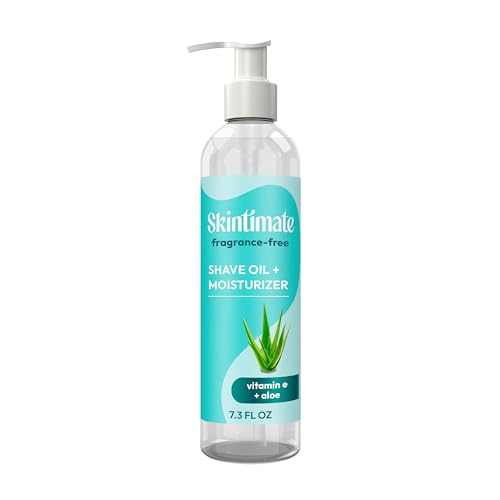
AWARD WINNING 2-in-1 SHAVE OIL – Skintimate shaving oil for women protects + softens skin. Can be used as shave prep & as a post-shave moisturizer for 24-hour moisturization.
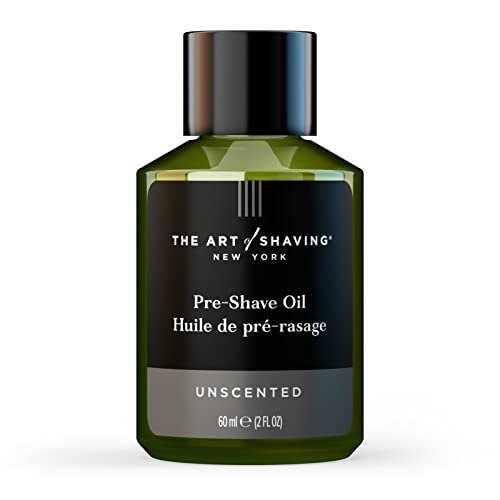
The unscented preshave oil is the first step of the perfect shave
Adjust Your Strokes by Face Area and Grain
Facial hair grows in different directions across distinct zones of your face, and shaving technique must adapt accordingly to minimize irritation while achieving ideal closeness. Start every area with with-grain strokes to remove bulk gently and reduce irritation risk. On tougher zones like cheeks and chin, you can progress to across-grain passes for increased smoothness without deep cuts. Always shave your neck downward, matching typical grain direction and minimizing irritation on this sensitive area. Reserve against-grain shaving techniques for hardy skin only after mapping confirms your tolerance. Delicate regions like your jawline require conservative with-grain shaving techniques exclusively. Using a fresh, sharp razor will significantly reduce the chances of irritation and tugging on hair across all facial zones, just as specialized tools minimize irritation in other sensitive grooming areas. For optimal results across different facial zones, investing in top-rated electric razors with quality blade systems can provide consistent performance and reduced irritation compared to manual alternatives. This adaptive approach balances closeness with safety, protecting vulnerable skin while delivering results on resilient areas.

CLOSER*, LONG-LASTING SHAVE: This razor for men features 5 anti-friction blades. *vs. Mach3

UPGRADED PROGLIDE BLADES LASTING 3X LONGER: 5 ultra-sharp razor blades for ultimate closeness (Vs Fusion5)

iF DESIGN AWARD WINNER – The iF Design award is one of the oldest, largest, and most prestigious international design competitions in the world. The award states, “The Chairman foil shaver series utilizes unique design features that redefine foil face shaving, bringing modern innovation to a longstanding category. Designed to help reduce irritation and maximize comfort, The Chairman devices deliver an exceptional, smooth shave.”
Add a Second Pass Against the Grain (Optional)
Once you’ve removed the bulk of your facial hair with initial with-grain and across-grain passes, you can optionally add a final against-grain pass to achieve the closest possible shave. This shaving technique delivers peak results for special occasions when you need a baby-smooth finish.
However, you’ll increase irritation, razor burn, and ingrown hair risks, particularly if you have sensitive or coarse skin. Proper skin preparation is critical before attempting this pass. Re-lather your face thoroughly to reduce friction and tugging. Using a quality shaving cream will help build lasting foam for maximum protection. Apply light pressure rather than aggressive strokes, especially on sensitive areas prone to bumps and redness. For those with sensitive skin, consider using foil or rotary blades which are less harsh and more effective for close shaving. According to leading grooming experts, tools like the Philips Norelco Multigroom 9000 are designed with precision capabilities to help minimize skin irritation during detailed facial work.
Limit against-grain shaving to specific zones like your chin where stubble grows densely and your skin tolerates it well. Follow with healing post-shave products to minimize irritation.

DYE AND FRANGRANCE FREE: this shaving gel for women is specially designed for sensitive skin, made without elements that can irritate skin, like dyes and fragrances

INFUSED WITH ALOE: Gillette Sensitive Shaving Gel infused with aloe helps soothe skin during shaving
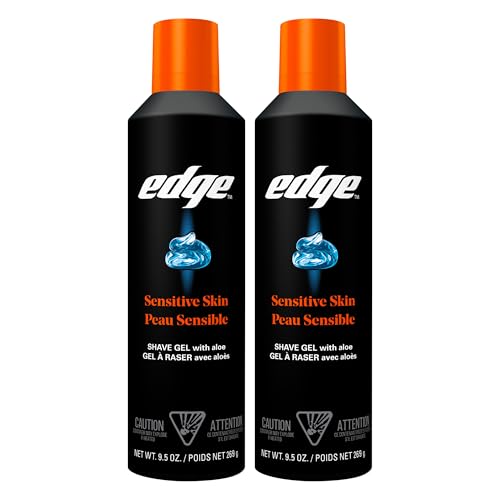
SENSITIVE SKIN PROTECTION: With Edge sensitive skin shaving cream for men, enjoy protection from nicks and cuts thanks to its effective formulation
Execute the Two-Pass Method for Optimal Results
The two-pass method delivers ideal results by systematically reducing stubble while minimizing irritation and blade contact with your skin. You’ll start with a with-the-grain pass to remove bulk, then follow with a cross-grain pass for refinement. This approach aligns with current shaving trends favoring efficiency and skin health over aggressive multi-pass routines.
Industry innovations emphasize proper technique over quantity. You’ll maintain a consistent 30-degree blade angle throughout both passes, applying no pressure and letting the blade’s weight do the work. Between passes, you’ll re-lather completely and rinse thoroughly to remove debris. This systematic approach of re-lathering between passes helps maintain skin hydration and prevents irritation during your shave. Similar to lawn care equipment that requires proper positioning and rotation for even results, your shaving technique demands consistent angle maintenance and deliberate body positioning. This two-pass strategy proves particularly effective for sensitive skin, reducing irritation while achieving a close shave. You’ll notice shortened shave time without compromising results or risking ingrown hairs. Whether you choose a traditional razor or an electric shaver, the two-pass method’s emphasis on technique ensures optimal results regardless of your shaving tool.
Modify Your Technique for Sensitive Skin and Thick Beards
Adapting your shaving routine becomes essential when you’re managing sensitive skin or a thick beard, as both conditions demand modifications to the standard two-pass method. For sensitive skin, you’ll shave with the grain exclusively, avoiding diagonal passes that increase irritation risk. For thick beards, soften hair with three minutes of warm water hydration and use light, short strokes—letting the razor’s weight do the work rather than applying pressure.
Select appropriate shaving products carefully: double-edge razors reduce tugging compared to cartridges, while dermatologist-tested gels protect skin. Electric razors with straight-line shaving motion offer additional protection against irritation for those with sensitive skin. Map your beard’s growth patterns to target problem areas with precision. Consider using precision beard trimmers designed specifically for sensitive skin to complement your shaving technique and minimize irritation. Re-lather stubborn spots instead of dry re-shaving, and limit overall passes to prevent micro-tears. Dull blades increase the risk of nicks and irritation, so change blades regularly to maintain shaving effectiveness. This strategic beard maintenance approach balances effectiveness with skin protection, addressing both conditions simultaneously.
Troubleshoot Razor Burn, Bumps, and Ingrown Hairs
Even with proper technique, razor burn, bumps, and ingrown hairs can still develop when friction between your blade and skin exceeds what your skin can tolerate. To address skin sensitivity and razor burn, rinse with cold water post-shave to constrict blood vessels and reduce inflammation. Apply aloe vera-based aftershave balm immediately to soothe irritation.
For persistent razor bumps, shave less frequently to allow skin recovery. Replace blades every 5-7 uses since dull edges increase pulling and irritation. Shave with the grain rather than against it to minimize ingrown hairs. Exfoliate before shaving to remove dead skin cells that clog razors. Use light pressure with short strokes, letting your razor do the work rather than forcing it through dense hair growth. When shaping your beard, maintain proper neckline definition by carefully removing hair below the jawline to avoid over-trimming and irritation. For those with sensitive skin conditions, consider whether your skin’s irritation stems from genetic sensitivity or conditions like eczema, which may require specialized razors designed for comfort. Using a quality electric shaver like the Braun Series 9 Pro can significantly reduce friction and prevent repeated strokes that cause irritation.
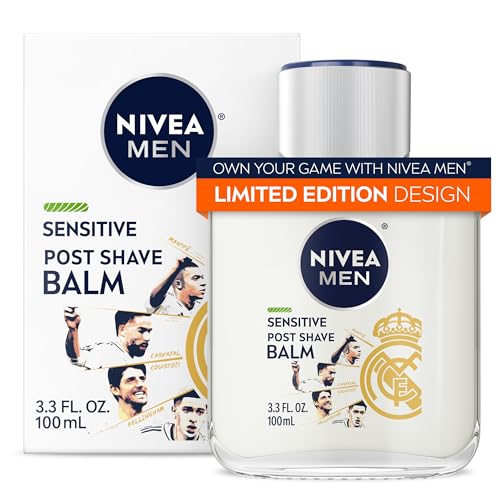
WITH VITAMINPRO COMPLEX: Enriched with VitaminPro Complex—Vitamin E, Provitamin B5 and Chamomile extract

IMMEDIATE RELIEF: Make your skin go "aaah". Our men’s aftershave balm is specially formulated to calm irritated skin on the spot. With a clean, invigorating feel right away, HEAL will transform your shaving routine into a shaving retreat.

WITH VITAMINPRO COMPLEX: Enriched with VitaminPro Complex—Vitamin E, Provitamin B5 and Chamomile extract