You’d need to shave your head completely bald to remove adult lice, but even total head shaving won’t cure an infestation because nits remain chemically bonded to hair shafts and survive up to 10 days away from the scalp. You’ll require a second treatment 7-9 days later to eliminate newly hatched nymphs. Additionally, dislodged lice can survive off-host for 48 hours, creating reinfection risks. Dermatologists recommend evidence-based alternatives that preserve hair integrity while achieving superior outcomes.
Does Shaving Actually Cure Lice?
While shaving does physically remove adult lice by eliminating their hair habitat, it won’t cure a lice infestation because nits—chemically bonded to hair shafts—survive the process and can hatch days afterward, reestablishing the infestation. This represents a critical lice myth: that extreme measures like head shaving provide definitive treatment.
You’ll need a second application seven to nine days post-shaving to address newly hatched nymphs. Head lice survive off-scalp for up to 48 hours, enabling reinfection cycles. Lice eggs are glued to the hair shaft with remarkable tenacity, which is why shaving alone cannot guarantee complete elimination. For those using electric razors or grooming tools during treatment, adjustable guards can help maintain consistent cutting lengths while minimizing skin irritation. Regular maintenance tools like clipper-specific oil can help keep grooming equipment clean and functional during treatment protocols.
Shaving alternatives—including ivermectin lotion, spinosad suspension, and professional lice removal clinics—target both adult lice and nits simultaneously, achieving superior outcomes. Medical treatments combined with nit combing deliver higher success rates. Western Australia’s Department of Health recommends evidence-based treatments over unnecessary shaving, which causes emotional distress without guaranteeing eradication.
Why Nits Survive Shaving: Even Complete Head Shaving
Because female lice attach eggs to hair shafts using a chemical adhesive produced by their accessory glands, nits remain firmly bonded to individual strands even after you’ve shaved your head. This robust adhesive bond persists even after hatching, leaving empty eggshells attached to hair remnants. Nits positioned extremely close to the scalp—approximately 1 cm in cool climates—occupy a protective zone that shaving may incompletely remove, particularly near the skin surface where blade contact becomes limited. Additionally, egg viability extends up to 10 days away from the scalp under favorable conditions, allowing surviving nits on remaining stubble to continue development. Hair regrowth subsequently provides habitat for these viable eggs, enabling reinfestation even after apparently thorough shaving. Properly warming the razor before use ensures optimal blade performance and comfort during the shaving process. After shaving, clippers should be properly sanitized using 70% isopropyl alcohol to prevent cross-contamination. To address this challenge, adjunctive wet combing every 3 days for 14 days until all nits are removed is recommended as a supplementary measure to ensure complete elimination.
The 48-Hour Survival Window: When Lice Spread After Shaving
Even after you’ve shaved your head, the threat of reinfestation persists beyond the scalp itself. You’ll find that dislodged lice can survive off-host for up to 48 hours, during which their lice behavior remains active and problematic. They’ll crawl onto shared items—brushes, hats, headphones—exploiting their survival strategies to locate new hosts through direct contact.
You’re particularly vulnerable within this critical window. Lice spread efficiently via head-to-head contact or contaminated personal items during their survival period. Their six legs enable rapid crawling across furniture and clothing, facilitating transmission to family members and playmates. Shaving alone does not address the root problem of infestation, as lice eggs remain viable regardless of hair length. Following shaving, applying pre-shave oils can help soothe irritated scalp skin and reduce inflammation during the recovery period. Proper blade spacing and tension should be maintained when using clippers to ensure an effective and comfortable shaving experience.
Understanding this timeframe is essential. You must isolate potentially contaminated items and monitor for signs of reinfestation during these 48 hours. This knowledge directly informs your treatment strategy and containment protocols post-shaving.
Buzz Cuts Don’t Work: Here’s Why Short Hair Isn’t Enough
Many people assume that cutting hair short—or even shaving it down to a buzz cut—will eliminate lice infestations, but this approach fundamentally misunderstands how head lice establish themselves on the scalp. Lice require only ¼ inch of hair to survive and reproduce, making buzzed hair an ineffective prevention strategy. Furthermore, lice transmission depends entirely on head-to-head contact, not hair length or thickness. You’ll find that buzzed hair actually complicates treatment rather than facilitating it. Fine-toothed combs lose traction on short, upright hairs, reducing their extraction effectiveness. Electric razors and manual removal methods similarly struggle with reduced grip, though specialized devices like cordless electric shavers with powerful motors may provide better control on very short stubble. Instead of relying on haircuts, professional heat treatments like AirAllé use heated air to kill lice and nits without the complications that come with managing short hair during removal. Unless you shave completely to bare scalp—a rarely practical solution—short hair won’t eliminate an active infestation.
Professional Lice Removal Tools That Beat Scissors
Scissors can’t match the precision and effectiveness of specialized lice removal tools designed by clinicians and entomologists. Metal combs with 0.09–0.19 mm teeth spacing remove nits through targeted traction, while louse combs with wider spacing aid diagnosis. You’ll find that dry hair combing proves 4–5 times more effective than hand examination, requiring only 10–20 passes for efficient detection.
Manual nit picking by trained technicians combines these specialized tools with chemical-free products, addressing the entire lice lifecycle. Metal combs’ rigid teeth dislodge nit glue more effectively than plastic alternatives, especially when paired with dissolver spray. Using tools at the proper angle and pressure maximizes effectiveness and minimizes scalp irritation during the removal process. Hair removal choices, like those involving genetics and hormone levels, vary by individual preference and circumstance. Professional treatment takes 1–2 hours and achieves near-guaranteed results, whereas scissors leave incomplete removal behind—the primary cause of reinfestation. Professional expertise ensures that follow-up checks can confirm complete removal and prevent recurring infestations that often result from DIY methods.

SUITABLE FOR ALL HAIR TYPES: Designed with varied tooth designs and lengths, the OwnHealer fine-tooth comb set efficiently removes lice, eggs, and nits from straight, wavy, curly, and coily hair, as well as fine, medium, and thick hair textures. The set features combs with tight micro-grooved teeth for precise nit removal, smoother teeth for gentle detangling, and a dual-sided comb for versatile use. Three combs ensure simultaneous care for the whole family.

NO MORE STRESS. BE READY WHEN LICE ATTACK: Be far-sighted! Now you can have a lice comb in advance and fight them directly! The package contains 2 combs, one blue and one red to allow you to have two different combs and not mix them. You can fight lice for more than one family member or if you become infected again later. You can also keep one at home, and one to travel in case of emergency!

💕★【Easy Application】: This nit lice combs size is 4" x 2.16" ,it is widen and convenient for us to grip and sweep a large area of the scalp at once, preventing nits from escapinga,definitely good tool to make life easier
FDA-Approved Heat Treatment as a Faster Alternative
If you’re seeking a chemical-free alternative that delivers results in a single session, FDA-cleared heat treatment devices offer a compelling option. The AirAllé device kills 99.2% of nits, while LouseBuster achieves nearly 100% egg mortality. You’ll need approximately one hour for treatment, including post-treatment combing.
Heat treatment works by applying controlled airflow at temperatures exceeding 130°F for at least five minutes, dehydrating lice and eggs without chemical exposure. Unlike pesticide-based treatments where lice rapidly develop resistance, heat-based methods eliminate this concern since lice can’t evolve resistance to dehydration. For those preferring traditional methods, carbon steel blades offer durability comparable to modern treatments when properly maintained. The FloSonix device represents another FDA-cleared option available at professional lice clinics for those seeking effective heat-based treatment.
Professional technicians at lice clinics administer these devices with safety monitoring to prevent scalp burns. Clinical trials involving over 500 individuals confirmed high efficacy with virtually all subjects cured within one week, making heat treatment a reliable lice alternative. For optimal results, combining heat treatment with proper preparation techniques ensures the most effective outcome in eliminating lice infestations.
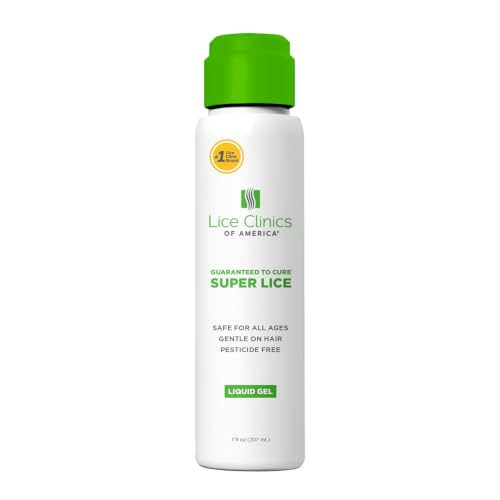
PROFESSIONAL-STRENGTH FORMULA FROM LICE CLINICS OF AMERICA — Developed by the world's largest network of professional lice treatment clinics. The same active ingredient used in LCA Clinics, now available for home treatment .

Amazon One Medical Pay per visit (PPV) telehealth telemedicine video message consultation healthcare. Membership option available. Previously Clinic
Medicated Shampoos + Heat: The Combination That Works
While heat treatment alone delivers impressive single-session results, combining medicated shampoos with professional heat therapy creates a more extensive eradication strategy that targets lice across all life stages. You’ll start with shampoo application, which chemically weakens adult lice and compromises egg viability. This preparatory step enhances heat effectiveness by priming parasites for thermal dehydration.
Following the medicated shampoo, you’ll proceed to heated air treatment, which dehydrates remaining lice and nits in a single 60-minute session. This sequential approach minimizes reinfestation risk by eliminating survivors at every developmental stage. Professional clinics integrate both methods because the combination outperforms solo treatments, particularly against resistant strains. Similar to how drag alters aerodynamics in flight dynamics, the layered application of chemical and thermal treatments creates compounding effects that enhance overall treatment performance. Professional-grade heat tools, such as those featuring Nano Titanium technology, deliver consistent thermal performance that maximizes treatment efficacy. Trained specialists ensure thorough, tailored treatment by utilizing specialized tools and non-toxic products to maximize effectiveness. You’ll achieve extensive eradication while preserving your hair, avoiding incomplete nit removal associated with shaving alone.

Maximum strength lice treatment shampoo.

Lice Prevention for Everyday Routines: A line of lice repellent products for kids built around a simple hair care routine made for school days, camp, playdates, and high-exposure moments. Rosemary Repel gives parents an easy way to build lice protection into shampooing, conditioning, and daily leave-in care.

Powerful Ingredient: Natrum muriaticum is a powerful pediculicide in this homeopathic lice prevention shampoo that effectively kills lice and eggs, while preventing undetected infestations. Tough on lice while being gentle on hair.
Why Dermatologists Skip Shaving and Recommend Other Methods
You’ll find that dermatologists consistently bypass head shaving in favor of evidence-based pharmacological and mechanical alternatives that preserve hair while delivering superior efficacy against resistant strains. These treatment misconceptions—particularly regarding shaving as a primary intervention—lack clinical support.
Instead, specialists recommend FDA-approved topicals like ivermectin 0.5% lotion, spinosad 0.9%, or malathion 0.5%, which eliminate lice and nymphs without hair removal. Physical methods including wet combing and dimethicone coatings prove equally effective, preventing resistance development while maintaining hair integrity. For patients with sensitive scalps, foil shavers with protective guards can minimize irritation if mechanical removal becomes necessary. When mechanical removal is necessary, professional-grade clippers designed for precision cutting offer safer alternatives to razors. Adult female lice lay 8 to 10 eggs daily, making rapid treatment with these proven methods essential to interrupt the reproductive cycle.
The shaving myths persist despite evidence showing mechanical and pharmacological approaches achieve comparable or superior outcomes. You’ll benefit from these dermatologist-endorsed strategies, which address underlying resistance mechanisms without unnecessary cosmetic compromise. Clinical data supports targeted treatment protocols over invasive alternatives.

100% PESTICIDE-FREE FORMULA: The Nix Ultra Lice Treatment Solution kills pesticide-resistant superlice, lice and eggs – one application is more effective at killing lice than Ivermectin Lotion*; *in laboratory study

DAILY LICE PREVENTION: Protect your child's hair with a powerful lice-fighting solution that helps repel lice while keeping hair soft, smooth, and easy to manage. This lice-scaring spray is expertly formulated to scare away lice. Great for back to school season and lice outbreaks, ensuring your little ones can enjoy their day without worry

PROFESSIONAL LICE TREATMENT SYSTEM: More than a single-bottle treatment. This complete lice removal system includes professional-grade products used every day in Ladibugs treatment clinics and by many independent lice clinics across the country to remove head lice and eggs.
How to Prevent Lice Without Drastic Hair Removal
Since evidence-based pharmacological and mechanical treatments can eliminate lice without hair removal, prevention strategies should focus on reducing transmission risk and enabling early detection. You’ll implement effective styling practices by maintaining tight hairstyles—ponytails, braids, or buns—that restrict lice movement and attachment. These preventive measures greatly reduce head-to-head contact transmission during close interactions. For those seeking additional grooming options, textured crop styles and other short hairstyles can complement lice prevention efforts while maintaining a polished appearance.
You’ll also avoid sharing personal items like hats, helmets, headbands, and hair accessories, which serve as common transmission vectors. Regular brushing and combing sessions enable you to detect infestations early when manual removal proves most efficient. Short hair lengths facilitate thorough inspection and expedite identification of nits and mobile lice. Wet-combing with a fine-toothed comb helps distinguish lice from dandruff while enabling precise mechanical removal during detection. For additional grooming needs beyond lice prevention, consider using an electric trimmer to maintain overall hair health and hygiene.
You’ll combine these mechanical prevention strategies with regular household cleaning protocols and targeted treatments when necessary, eliminating the need for drastic hair removal.

REPEL LICE WITH 100% NATURAL ESSENTIAL OIL – Formulated with mint essential oil, this treatment acts as an effective repellent to help keep head lice away from your family.

LICE GUARD CARE IN THE FINAL STEP: Finish your child’s daily lice routine with a dedicated styling gel

Lice Ladies PREVENT aids in preventing future Lice infestations. Safe to spray on your kid's hair before they go to school every day!