To groom your long beard effectively, you’ll want to wash it 2-3 times weekly with beard-specific shampoo using lukewarm water, then condition and pat dry gently. Master trimming by starting with sidewalls, shaping the neckline into a U-shape, and using scissors for detail work. Daily, brush with a boar bristle brush and apply beard oil to prevent dryness and breakage. Define your cheek and neck lines for a polished appearance. These fundamentals form the foundation for maintaining a distinguished, well-groomed long beard.
Prepare Your Long Beard: Wash, Condition, and Dry
Since long beards require different care than shorter styles, you’ll want to wash yours 2-3 times weekly with beard-specific shampoo to prevent dryness and frizz while preserving natural oils. Your preparation routine starts with lukewarm water, which prevents irritation and damage. Apply a small amount of shampoo, massaging in circular motions from roots to tips to remove buildup effectively.
After rinsing thoroughly, follow with beard conditioner or oil to maintain moisture and manageability. Co-washing—using only conditioner on alternate days—keeps your beard soft and tangle-free without over-stripping oils. Proper grooming routines also help with infection control by eliminating areas where bacteria and pathogens can accumulate.
For drying, gently pat your beard with a clean towel, removing about 90% of water before applying products. Avoid vigorous rubbing that causes breakage. Air dry or use low heat while combing upward then downward to direct hairs and add volume. Once your beard is prepared, you can use beard and body trimmers to maintain clean lines and remove any stray hairs that detract from your grooming.

Top-tier Beard Kit: Formulated to aid in healthy beard growth, this beard shampoo and conditioner kit hydrates, cleans and softens, giving your beard shine and life.

Wash for a Gentle, Non-Drying Clean: Massage a small amount of this hydrating cleanser to a wet beard in the shower 2-3x/week to remove product build-up, residue, dirt and grime, leaving your beard feeling clean, refreshed and never stripped or dry

Kit Content: This kit includes a complete grooming arsenal in our warm and rugged Spiced Vanilla scent: Beard Wash, Beard Conditioner, Beard Balm, and Beard Oil, plus a classic Dual Action Beard Comb.
Master the Trimming Techniques for Shape and Length
Now that your beard is clean and dry, you’ll focus on trimming to achieve your desired shape and length. Master essential clipper techniques by starting with sidewalls, using an adjustable clipper set halfway to trim downward gradually. For the underside shelf, tilt your head back and work from the base toward your Adam’s apple, creating clean structure. Even out front length carefully in small sections, removing minimal amounts at a time to prevent over-trimming. Employ the clipper-over-comb technique with a wide-tooth comb, lifting and cutting for precise control on longer beards. When selecting your trimmer, consider models with precision control and powerful motors to handle thick beard hair effectively. Look for trimmers with multiple length settings to give you the flexibility to achieve your exact desired beard length. Finish with scissors to snip flyaways and refine details. Remember that beard oil or balm should be applied after trimming to moisturize and tame any remaining flyaways for a polished finish. These beard maintenance strategies guarantee professional results and consistent shape throughout your grooming routine.

Barber-Quality Beard Styling: Designed as a cordless electric beard trimmer for men and as a corded beard trimmer for men, the Panasonic Men’s Trimmer ER-GB96 allows you to easily maintain even long beards at home for personal grooming
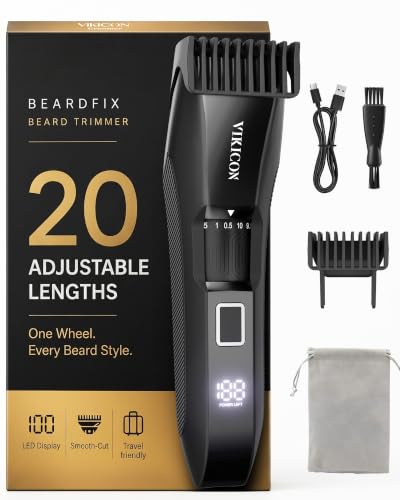
CUSTOMIZE EVERY TRIM — Easily customize your beard with 20 adjustable length settings from 0.5mm to 10mm. Designed as a versatile men's beard trimmer, the built-in adjustment wheel lets you fine-tune your preferred length without constantly changing guards, making it easy to maintain everything from light stubble to a fuller beard. Enjoy greater control, more consistent results, and a grooming routine that fits your personal style.

THE BEARD HEDGER: Our precision beard groomer comes equipped with an intuitive zoom wheel with 20 different lengths (.5mm increments up to 10mm max. length) to choose from so you can ditch the dozen clipper attachments and trim anything from a lumberjack ‘stache to stubble.
Define Lines and Blend the Edges for Clean Finishes
With your beard trimmed to the proper length and shape, you’ll now focus on creating sharp, defined lines that enhance your facial features and deliver a polished finish.
Start with your cheek line, running from your sideburn’s base to your mustache corner. A curved line suits most face shapes, though you’ll want to adjust based on your specific features—straight lines slim wider faces, while raised lines elongate round faces.
Next, tackle neckline shaping by forming a U-shape connecting your ear backs to above your Adam’s apple. Place two fingers above your Adam’s apple as a guide, then trim below this point. Tilt your head back and work from the base upward, following your natural neck curve for a seamless blend. Remove all stray hairs beneath for that sharp, finished appearance. For designer stubble or short beard styles, consider using adjustable precision trimmers with guards that allow fine control over exact lengths. When traveling, compact travel electric razors offer the portability needed to maintain these defined lines while on the go. Using precision trimmer tools will ensure you achieve clean, professional lines throughout your grooming process.
Brush and Oil Daily: Your Between-Trim Routine
Brush your beard daily using a boar bristle brush, starting from your neckline and moving toward your chin and cheeks. This practice trains your hair to grow in your desired direction while preventing knots and tangles. Immediately after brushing, apply beard oil by massaging a few drops into your hair and underlying skin. This beard maintenance step distributes natural oils, exfoliates skin, and strengthens hair to prevent split ends. Jojoba oil is recommended as it mimics your skin’s natural oils for optimal hydration.
If you have sensitive skin, consider pairing your daily routine with a beard trimmer for sensitive skin to maintain clean edges without irritation during your between-trim maintenance. Like individuals managing hair loss from conditions, maintaining consistent grooming practices helps preserve your beard’s health and appearance. Perform this routine morning and evening when possible, particularly after washing. You’ll keep your long beard tangle-free, styled, and healthy between professional trims.

Wild Boar Bristles & Black Walnut: This mens boar bristle hair brush is made of high-quality boar bristles. Medium size mens hair and beard brush with a long black walnut handle. Provides a better grip. GAINWELL Wild boar bristle hair brush can be used in dry and wet environments
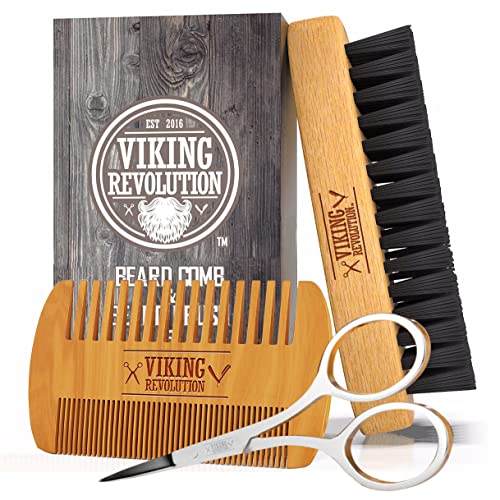
Look And Feel Your Best: With a high quality brush and double sided comb, get ready for a smooth, well-manicured beard free of tangles.

Dimensions: 1.57 x 3.35 x 1.42 in; Bristle Length: 0.59 in
Fix Tangles, Dryness, and Breakage
Even with consistent daily brushing and oiling, long beards can develop tangles, dryness, and breakage that require targeted intervention. You’ll need a multi-pronged approach combining moisture retention and tangle prevention strategies.
Start by washing with beard-specific products that soften hair without stripping natural oils. Apply conditioner or beard softener in the shower, then comb through with a wide-tooth comb while damp. After washing, massage beard oil from roots to tips, ensuring even lubrication. Split ends can act like hooks and multiply tangles over time if left untreated, making regular trimming essential. Consider using products with stainless steel combs designed to glide smoothly through hair without causing additional damage or breakage.
For stubborn tangles, use your fingers first to separate larger knots, then work through sections slowly with a beard pick to avoid yanking or aggressive combing that causes breakage.
Trim split ends every few weeks to maintain beard integrity. Regular maintenance stops damage from compounding and keeps your long beard healthy and manageable.
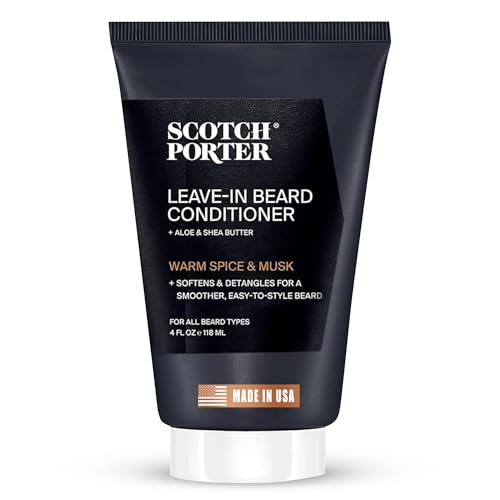
Smooth, Soften & Shine: Massage a generous amount of this extra smooth & silky restorative leave-in conditioner into a damp beard to deeply hydrate and add long-lasting shine for a soft, manageable beard

Sculpt a Softer Beard that’s Smooth Like Butter: Work in a dab of our rich balm for instant conditioning, a moisture boost, and a blessing to both your beard, mustache and skin underneath, kicking off your journey to a full, healthy-looking beard with long-lasting shine

Beard Oil to Smooth & Soothe: After washing, apply 1-2 pumps of beard oil, combing through & smoothing out with your fingers to style a full, healthy-looking beard with long-lasting shine