
You should replace your safety razor blade every 3–10 shaves, depending on your shaving frequency and hair characteristics. Daily shavers typically need replacement every 3–5 uses, while infrequent shavers can extend blade life to 5–7 shaves. Coarse hair substantially reduces longevity, often requiring changes after just 2–3 shaves, whereas soft hair extends usability. Monitor for tugging sensations, uneven patches, and increased irritation as primary indicators of dulling. Understanding your specific replacement schedule involves examining multiple variables affecting blade performance.
Replace Blades Every 3–10 Shaves: Your Frequency-Based Schedule
Because your shaving frequency directly impacts blade dulling rates, you’ll need to adjust your replacement schedule accordingly. Understanding your blade lifecycle allows you to enhance performance and cost-effectiveness.
Daily shavers should replace blades every 3–5 shaves, as frequent use accelerates dulling. If you shave infrequently—three times weekly or less—extend your blade lifecycle to 5–7 shaves. The ideal frequency for most users falls within 5–10 shaves before performance degradation occurs.
Your hair type influences replacement intervals. Soft hair extends blade longevity, while coarser hair reduces it. Safety razors provide superior hygiene through their easy blade replacement and cleaning compared to multi-blade systems. Popular models like the King C. Gillette Double Edge Safety Razor offer precision blade exposure that contributes to consistent shave quality across replacement cycles. Monitor your blade’s condition closely; increased pressure, tugging sensations, or visible dullness signal replacement necessity. Proper maintenance practices, such as rinsing and drying blades after each use and storing them in dry, ventilated areas, significantly extend blade sharpness and reduce premature dulling.
Rotating blades between uses promotes drying and extends their functional period. Establishing a schedule aligned with your specific shaving patterns guarantees consistent shave quality while maximizing blade utility.
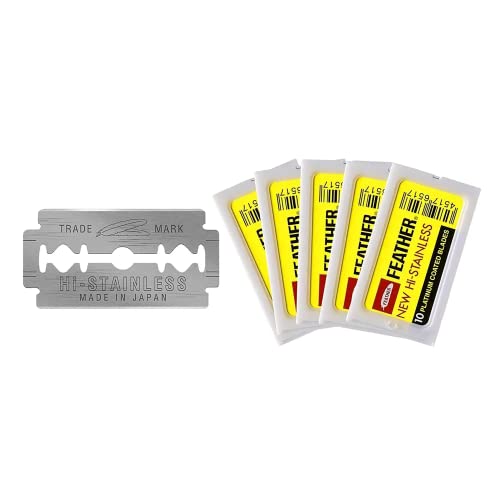
Fifty Count Of Double Edge Razor Blades; Our Razors For Men Feature A Fifty Count Of Double Edge Razor Blades; Feather Razor Blades Are Extremely Sharp And Will Give You A Great Shaving Experience

Model Number: ASTRA01

Perfiect in all brands of Safety Razors
Coarse Hair? Dense Growth? How Blade Life Really Changes
While your shaving frequency sets the baseline for blade replacement, your hair’s physical characteristics fundamentally alter that schedule. Coarse hair dramatically reduces blade longevity—you’ll notice dulling after just 2–3 shaves compared to the standard 5–10. Dense growth compounds this effect, accelerating wear through increased resistance and clogging. Daily shaving with coarse, dense hair shortens your blade’s lifespan to 3–5 uses maximum, necessitating weekly replacements.
This reduction occurs because thicker hair strands demand greater cutting force, blunting edges faster. Even quality blades succumb quickly to coarse resistance. For those with sensitive skin experiencing irritation from frequent blade changes, options like safety razors with adjustable aggression can help minimize discomfort while managing blade replacement schedules. Proper maintenance helps slightly: rinse thoroughly between strokes to prevent clogging, dry blades completely, and rotate them for adequate drying intervals. However, no maintenance fully compensates for coarse hair’s inherent impact on blade longevity. Electric shavers like the Panasonic Arc 5 can achieve close shaves without requiring frequent blade replacements due to their engineered cutting systems. Your shaving technique also plays a critical role—pressing hard or shaving against the grain will accelerate dulling regardless of hair type.
Watch for These 5 Signs Your Blade Is Dull
How can you identify when your safety razor blade has dulled? Several physiological and mechanical indicators signal blade degradation. You’ll experience tugging sensations as dull edges drag across skin rather than slicing cleanly, particularly against beard grain where sensitivity peaks. Uneven shaving patches emerge despite multiple passes, demonstrating compromised cutting efficiency. Increased razor burn and irritation develop suddenly when blade sharpness declines, with rough worn edges causing pronounced nicks and redness. Visible damage—bent edges, nicks, or rust formation—indicates immediate replacement necessity. Finally, gel or debris buildup that resists thorough rinsing signals blade aging. To prevent rust and maintain blade integrity, store your razor dry after each use. Proper post-shave care can extend your blade’s lifespan and maintain its performance over time. Different blade types have varying lifespans, with premium options like Feather Hi-Stainless offering extended sharpness despite their demanding technique requirements. These signs collectively compromise your shaving comfort and necessitate blade maintenance. Recognizing these indicators prevents skin trauma and maintains consistent shaving performance.

Sharp and precise – These double edge razor blades are designed to be sharp and precise to provide you with the ultimate shaving experience. Say goodbye to ingrown hairs, irritation and razor bumps thanks to these safety razor blades.

Sharp and precise – These double edge razor blades are designed to be sharp and precise to provide you with the ultimate shaving experience. Say goodbye to ingrown hairs, irritation and razor bumps thanks to these safety razor blades.

Sharp and Precise- Highest quality edging blades for a precise and clean shave.
Make Blades Last Longer: Rinse, Rotate, and Store Right
Extending your safety razor blade’s functional lifespan requires three foundational maintenance practices: consistent rinsing, strategic rotation, and deliberate storage protocols. You’ll remove residual shaving cream and debris by rinsing under warm water after each use, preventing clogging that compromises cutting efficiency. Complete drying immediately afterward eliminates moisture exposure that causes rust and corrosion. Implement blade maintenance through alternating between multiple razors, distributing wear evenly across blades and reducing individual deterioration rates. For ideal storage, you’ll position your razor outside the shower environment in dry locations with adequate air circulation. Bathroom sink containers or elevated shelves prevent water accumulation around components. Loosening handle tension periodically releases blade strain. A soft toothbrush can be used to gently scrub the razor head and remove stubborn residue that impacts performance. For deeper maintenance, you can soak disassembled parts in diluted vinegar and water solution to dissolve mineral deposits that affect blade sharpness. Safety razors deliver a closer shave with their single sharp blade, making proper maintenance especially important to preserve this cutting performance advantage. These practices collectively maximize blade longevity while minimizing replacement frequency.

Design for used safety razor blades disposal

Safely dispose of used blades: This sturdy, compact Blade Bank allows you to conveniently and safely dispose of old, dull razor blades

The Real Cost: How Much You’ll Spend on Blades Yearly
Understanding your annual blade expenditure requires calculating replacement frequency based on your shaving habits and facial hair characteristics. Daily safety razor users consume 52-104 blades annually, while casual shavers needing replacements every two weeks require only 26 blades yearly. Your cost comparison reveals significant savings: safety razors generate substantially lower annual expenses than cartridge systems despite identical shaving frequency.
Blade budgeting becomes streamlined through bulk purchasing, which reduces per-unit costs compared to retail cartridge replacements. Subscription services offer customization aligned with your actual consumption patterns, preventing overstock or shortage scenarios. Premium quality blades with specialized coatings extend longevity, maximizing value per replacement cycle. Closed-comb designs and open-comb razors each impact blade longevity differently based on your facial hair type and shaving technique. For those seeking alternatives, body hair trimmers provide nick-free grooming options that can complement or replace traditional blade shaving. Proper maintenance—including rinsing and storage—preserves sharpness and prevents premature dulling, ultimately minimizing yearly expenditure while maintaining consistent shave quality. Men with coarser facial hair typically require more frequent blade replacements, which should be factored into your annual budget calculations.