You’ll want to use electric clippers with adjustable guards rather than razors to minimize skin contact and injury. Time the shave between your baby’s 4th and 10th day after birth when they’re well-fed and rested. Lightly dampen the hair, comb sections upward to protect sensitive areas, and maintain a consistent blade angle. After shaving, wash gently, apply petroleum jelly, and monitor closely for irritation or infection signs. Understanding proper aftercare techniques becomes essential for protecting your newborn’s delicate scalp.
Should You Shave Your Baby’s Hair? Myths and Safety Facts
Why do so many parents consider shaving their newborn’s head despite limited medical justification? You’ve likely encountered shaving misconceptions that persist across cultures, yet lack scientific evidence. The belief that shaving stimulates thicker, faster hair growth doesn’t hold up—your baby’s hair thickness and growth rate depend entirely on genetics and existing follicles, not on removing visible strands.
You should also know that shaving doesn’t cool your baby or reduce sweating. Hair actually dissipates heat and regulates scalp temperature. Removing it exposes delicate skin to sunburn, insect bites, and irritation from sweat salt. Additionally, shaving won’t resolve cradle cap; it may worsen the condition by disturbing affected scalp patches. Infants have soft spots on the head called fontanels that require careful attention during any scalp procedure.
The risks outweigh perceived benefits. If you do consider using grooming tools on your infant, ensure any device prioritizes skin safety features appropriate for delicate skin. Infants under one year face increased infection risk, scalp scratches, and inflammatory responses from this ritual.
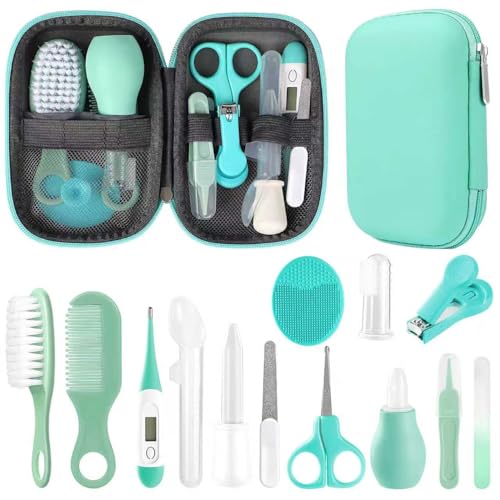
14 in 1 Baby Grooming Kit: The package comes with the baby grooming kit, including baby nail file, Newborn hair brush, Babies comb, finger toothbrush, tweezer, nasal aspirator, baby scissors, medicine dropper,portable blue EVA bag, and measuring spoons(ml).This 14 in 1 grooming kit can be used for our newborn baby's daily needs.

All Natural - We use natural goat bristle with bamboo, beech wood and pear wood for all baby hair brush and baby comb. Our KeaBabies Baby Hair Brush Set for newborns is handmade with love and perfectly safe for infant, toddlers, and kids.

3 Step Solution for Cradle Cap Relief: The soft sponge lathers and stimulates the scalp, the gentle bristle brush loosens flakes, and the curved comb removes flakes.
Tools and Techniques for Sensitive Skin
Given that you’ve decided to proceed with shaving your newborn’s head despite the risks, selecting appropriate tools and employing proper sensitive techniques become your primary safeguards against scalp injury and infection. Electric clippers with adjustable guards minimize skin contact and reduce pulling on delicate tissue. For fine edges, use only baby-sized safety razors, avoiding sharp blades entirely.
Before shaving, trim hair short to reduce scalp stress. Gently stretch skin taut to prevent folds and nicks. Lightly wet hair without soaking to minimize irritation. Apply short, gentle strokes following hair growth direction, using minimal pressure on thin skin. Maintaining a consistent blade angle helps prevent accidental cuts and irritation on sensitive newborn skin. Work in small sections, pausing frequently to monitor for redness or discomfort. Many families prepare new blades specifically for the shaving process to ensure optimal safety and hygiene. After each use, sanitize clippers with 70% isopropyl alcohol to eliminate bacteria and prevent scalp infections. Post-shaving, wash the scalp twice with minimal water and pat dry thoroughly to prevent infection.

Professional Hair Clippers with Safe Combs: The electric kids hair trimmer adopts sharp & safe ceramic blade, and every tooth of the blade is rounded, no pulling hair & no harm to the skin. The baby hair cutter comes with 3 guide combs, meeting different needs of hair lengths (1/3/6/9/12mm). The 1mm safe guide comb is designed for baby/kids, protecting skin from hurt, the second line of protection when doing haircut. Besides, the hair cut kit also can be used as hair clippers for men

High-Grade Nylon Build: Crafted from durable, flexible nylon designed to withstand daily use while providing a smooth, comfortable glide equal to original guards.

Safe Haircutting Clipper: Baistom baby clipper adopts ceramic blade with 28 R-shaped teeth to cut kids' hair without pulling hair or scratching skin
Timing and Preparation
Timing your newborn’s head shaving within the first few weeks of life aligns with common cultural practices—neonatal shaving typically occurs between the 4th and 10th day post-birth in 76.92% of cases, while Islamic and Hindu traditions establish guidelines ranging from 7 days to 3 years.
Before proceeding, verify your baby’s ideal condition. Schedule the procedure when your infant is well-fed, rested, and alert—never attempt shaving a hungry or drowsy baby, as this raises injury risk. Select a comfortable location with adequate room temperature during morning hours when both you and your baby are refreshed. Using specialized grooming devices with skin-friendly designs and rounded blades will help minimize the risk of cuts and discomfort on your baby’s delicate scalp.
Professional expertise matters greatly. Engage an experienced practitioner familiar with neonatal traditions and sensitive skin care. Sterilized equipment should be used throughout the procedure to minimize infection risk. Following the procedure, provide a warm bath to remove loose hair and apply protective turmeric-sandalwood paste to prevent infection.
How to Safely Shave Your Baby
Once you’ve scheduled the procedure and prepared your baby, selecting the right tools becomes your primary safety concern. Child-friendly trimmers with guards offer superior safety compared to razors, which pose significant cutting risks given your baby’s delicate skin and unpredictable movements. Despite common shaving myths suggesting razors provide better results, trimmers deliver comparable outcomes with substantially reduced injury potential. Look for trimmers with ceramic blades designed specifically for sensitive skin to minimize irritation.
Before beginning, lightly dampen small hair sections with a spray bottle for easier management. Comb each section upward, holding it away from the scalp between your fingers to protect sensitive areas. Make multiple angled passes across your baby’s head in both directions, ensuring even coverage while avoiding sudden motions near soft spots. It’s important to note that shaving does not influence your baby’s future hair thickness or growth rate. Electric trimmers are particularly advantageous for infant shaving because they provide faster dry shaving without the need for wet preparation, reducing both procedure time and skin irritation risks.
Position your hands carefully around ears and neck to prevent accidental injury. Hair safety during this process depends entirely on your technique and tool selection.

Professional Baby Hair Clippers: Our baby hair clippers for boys are designed specifically for infants, children, and adults, making them the perfect choice for families. The professional hair cutting kits newborn boy include two safety combs (1/3/6/9/12mm) to cater to different hair lengths, ensuring a comfortable and safe haircut experience for your little one.

[Vacuuming Function Baby Hair Clipper] The children's hair clipper offers two modes: the regular haircut mode and the combined haircut and vacuuming mode. The latter achieves a clean experience with no hair fragments remaining through the built-in vacuum system. It ensures that the baby is comfortable and relaxed throughout the process, and makes post-cut cleaning much easier and more convenient.

【The Gold Ratio 28 Teeth,Safer Cutting System】 EANCEIL baby hair clipper equipped with fine cutting unit. The special 28 teeth cutting unit patent technology is different from the common 20 teeth. The technology makes it easier for this clipper to catch and cut babies' soft hair without pulling hair or scratching skin.
Scalp Care After Shaving
After you’ve finished shaving, immediate cleaning is essential to prevent complications and protect your baby’s sensitive scalp. Wash your baby’s hair twice with minimal water, then wipe thoroughly with a water-absorbing towel. Sweep away loose hair with a sponge before removing the smock, and follow with a full shower to eliminate remaining hair fragments.
For scalp hydration techniques, apply petroleum jelly or baby oil to moisturize the exposed skin. Use unscented baby shampoo daily to prevent cradle cap remedies from becoming necessary. If cradle cap develops, massage almond oil onto affected areas, wait one hour, then gently comb without shampooing afterward. Cradle cap is a harmless condition that typically resolves within one year, so remain calm if it appears on your baby’s scalp. Monitor your baby’s scalp for irritation, sunburn, or infection. When shaving your baby’s head, check the guard markings and lengths to ensure you’re using an appropriate setting for delicate infant skin. Protect against temperature loss and apply prickly heat powder if needed. Be aware that repeated shaving can cause skin irritation and ingrown hairs, so consider trimming as a safer alternative to frequent head shaving.

CHOSEN BY NICU PROFESSIONALS: Keep your little one's sensitive skin healthy and soft with this 3-ingredient baby massage oil; Infused with organic calendula and organic jojoba oil, as well as easily absorbable grapeseed oil for skin and hair

Cradle Cap Relief & Newborn Hair Growth: Our Coconut Baby Oil is specially formulated to address cradle cap and promote hair growth in newborns. The organic coconut oil is gentle on babies' sensitive skin, ensuring a soothing experience while nourishing the scalp and hair roots for optimal health and growth. Great for Curly Hair!

Gentle, Unscented Baby Oil for Newborns: Our fragrance free baby oil is safe for delicate infant skin. Perfect for daily moisturizing, post bath care, or massage. A hypoallergenic baby oil with no scent, ideal for sensitive skin or families seeking a nontoxic, earth mama alternative.
Red Flags and When to See Your Pediatrician
While shaving your newborn’s head can be done safely with proper technique, you’ll want to watch carefully for complications that warrant medical attention. Monitor closely for infection symptoms including redness, swelling, or pus discharge from any cuts. Increased fussiness or fever alongside scalp issues demands immediate evaluation.
Watch for persistent cradle cap worsening or signs of infection from aggressive flake removal. Contact your pediatrician if you notice abnormal hair growth patterns—specifically, lack of hair follicles by age one to two years warrants professional assessment. For head shaving, ensure you use a device designed with proper battery life and grip to maintain control during the procedure. After shaving, apply lightweight moisturizing products to soothe freshly shaved skin and prevent dryness and irritation.
Remember that shaving doesn’t thicken hair; genetics determine texture and growth. If baldness persists beyond infancy or hair fails to develop normally, consult your pediatrician to rule out underlying conditions requiring treatment. Excessive washing that strips natural oils from your newborn’s scalp may also contribute to dryness and irritation that complicates healing after shaving.