Yes, you can have naturally straight pubic hair—it’s a common genetic variation determined by your hair follicle shape and inherited keratin gene variants. About 45% of Europeans possess straight hair, with male prevalence ranging from 56.5% to 71.5%. Your follicles’ oval or round structure directly influences whether you’ll develop curly or straight hair. This biological diversity reflects natural human variation across all demographics. Understanding your specific hair type helps you determine which grooming and maintenance approaches work best for your individual needs.
Is Straight Pubic Hair Natural?
Why’s straight pubic hair less common than curly variants, yet entirely natural? Your pubic hair genetics determine this outcome through inherited traits passed down via family lineage. The shape of your hair follicles—whether oval or round—directly influences whether you’ll develop straight or curly hair. Oval follicles produce curved shafts, while round follicles yield straight growth patterns. This natural variation occurs across all demographics and represents normal biological diversity. Approximately 45% of European populations display straight hair throughout their bodies, with male prevalence ranging from 56.5% to 71.5% depending on population samples. Females show similarly variable rates between 49.1% and 72.6%. Keratin protein composition and trichohyalin gene variants further influence your hair’s straightness, confirming that straight pubic hair remains entirely natural and genetically determined. Unlike scalp hair with its multi-year growth cycle, the shorter 30–45 day growth cycle of pubic hair contributes to the distinct appearance and texture characteristics you may observe. To maintain healthy pubic hair, regular grooming with clipper-specific oil helps reduce friction and prevent irritation during trimming. When grooming, many people find that starting with longer trimmer settings helps maintain the natural appearance of their hair while avoiding irritation.
What Temporary Softening Methods Work Best?
If you’re looking to temporarily soften your pubic hair without permanent removal, several evidence-based methods can effectively reduce coarseness and improve manageability.
Melanin softening conditioner applied to wet hair provides slip for detangling. You’ll work through sections systematically using an Aveda paddle brush from ends to roots. After conditioning, apply a weightless serum—two pumps per section—and allow ten minutes for absorption before heat styling.
This temporary conditioning approach transforms kinky texture through moisture penetration and protein coating. The serum-conditioner combination enables faster detangling on coated hair while reducing breakage. For professional-quality results similar to those achieved with cordless clippers, invest in tools designed for precision grooming. Regular exfoliation a few times a week can also help prevent ingrown hairs and support healthy skin in sensitive areas. For those preferring specialized grooming equipment, electric razors offer safe trimming options designed specifically for delicate skin.
For heat styling applications, make sure hair is adequately conditioned beforehand to prevent damage. Results typically last until your next wash cycle, making this method ideal for temporary texture modification without chemical alteration or permanent reduction.

This richly nourishing oil locks in skin's moisture for soft glowing skin
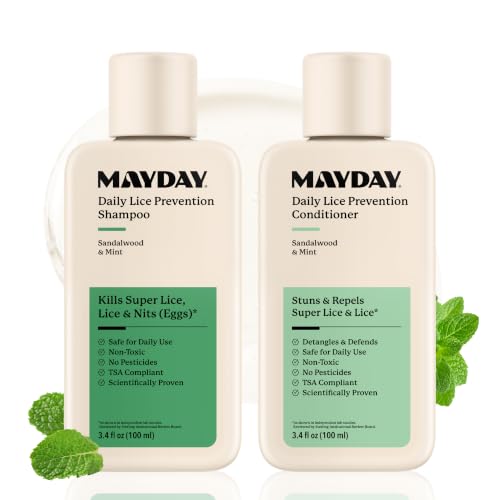
Gentle Conditioning Formula: Conditioner helps leave hair feeling soft, smooth, and manageable while supporting everyday hair care routines.
How Chemical Straighteners Work
Chemical straighteners permanently alter your hair’s structure by disrupting the disulfide bonds that give it texture and curl. Hydroxide-based chemical relaxers—sodium hydroxide, lithium hydroxide, potassium hydroxide, and calcium hydroxide—break these bonds within your hair’s cortex, allowing restructuring into a straighter configuration. No-lye alternatives like guanidine carbonate function similarly but at lower pH levels, reducing potential damage. During hair restructuring, you comb or brush your hair into your desired straight position while bonds remain malleable. Neutralizing shampoo then systematically reforms disulfide bonds in this new configuration. Understanding pH levels will enhance the effectiveness and safety of chemical straightening services. Just as electric shavers require different approaches for varying beard density and skin sensitivity, chemical straightening treatments must be tailored to your hair’s thickness and texture to minimize damage. For optimal results, consult resources on gentle shaving and grooming to understand how different body areas require specialized care approaches. You’ll achieve ideal results by ensuring even application, monitoring processing time carefully, and avoiding overlapping on previously treated areas to prevent cumulative damage.

Country Of Origin: United States


Leave Hair more manageable and soft.
Health Risks When Straightening Pubic Hair
While chemical hair straighteners effectively alter hair structure, they’re associated with significant health risks that you should understand before use. When you apply these products to sensitive pubic skin, you increase absorption of harmful chemicals like formaldehyde, parabens, and bisphenol A through compromised tissue barriers. Formaldehyde exposure triggers respiratory irritation, allergic dermatitis, and contact sensitivity. The scalp’s heightened permeability becomes even more pronounced in genital areas, elevating systemic chemical absorption. Similar to how wet shaving requires waterproof capability to protect sensitive skin, chemical straightener application demands careful consideration of skin integrity and chemical penetration. For those seeking alternatives, foil shavers designed for body grooming offer a safer method for managing pubic hair without chemical exposure risks.
Research links frequent straightener use to substantially increased uterine cancer risk—lifetime risk rises from 1.64% to 4.05% with regular application. You should consider rigorous safety guidelines before application, including patch testing, proper ventilation, and limiting frequency. These findings are particularly relevant for Black women, who represent approximately 60% of straightener users and may face compounded health disparities from increased product exposure. Health considerations must weigh cosmetic preferences against documented carcinogenic potential and immediate allergic reactions.

DON’T SETTLE FOR SHAVE BUMPS AND INGROWNS. These razors have an Anti-Irritation Barrier with blades that barely touch the skin to help protect against shaving ingrowns and bumps

Safe and Efficient Trimming: PRITECH razors for men uses ceramic blades with built-in protection. On the surface where the blade contacts the skin, we have implemented a chamfered design, ensuring that it never cuts, pulls, or irritates the skin, and guarantees efficient hair trimming. This body trimmer for men equipped with 3 adjustable comb attachments and 5 lengths (1.5mm, 3mm, 6mm, 9mm, 12mm), it meets your diverse trimming requirements

DON’T SETTLE FOR BUMPS AND INGROWNS: These razors offer a smooth shave with blades that barely touch the skin
Should You Go Professional or DIY?
When you’re considering pubic hair straightening, the choice between professional treatment and DIY methods fundamentally depends on your risk tolerance, desired duration of results, and budget constraints.
Professional techniques employ keratin-based treatments or Japanese permanent straightening, delivering results lasting up to 12 weeks or five months respectively. Certified professionals minimize adverse effects through precise product concentration, pH control, and application timing. They apply solutions safely away from sensitive skin and guarantee complete rinsing before neutralization. The ammonium thioglycolate acid used in Japanese straightening has been safely utilized for over 80 years in professional hair care settings.
DIY options like thermal methods—using heated tools with pressing oil—provide temporary results lasting until your next wash. These techniques modify hydrogen bonds temporarily through dehydration. To maintain tool effectiveness and prevent damage during DIY treatments, proper cleaning and maintenance of heated styling tools is essential. However, DIY applications on delicate pubic tissue carry elevated risks of chemical burns and irritation, making professional treatment the safer choice despite higher costs. Given that the pubic area has coarse, sensitive skin, post-treatment care with cold compresses or fragrance-free moisturizer can help soothe any irritation.
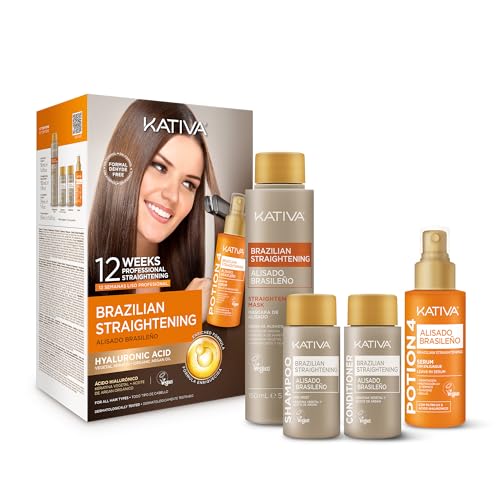
Professional keratin hair treatment for smoother-looking hair – At-home Brazilian straightening system designed to help reduce the appearance of frizz, control volume, and improve manageability for a sleek, salon-inspired finish with natural movement. Results may vary by hair type and routine

IMMEDIATE RESULTS AND IT CAN BE APPLIED ON COLORED HAIR - Developed with Green Keratin obtained from hydrolyzed cereal proteins blended with amino acids and enriched with Buriti Oil provides hair cuticle alignment, weightlessness, smoothness and intense shine to hair without frizz.

💆♀️ One-Step Keratin Treatment – Achieve Sleek, Smooth Hair! Transform your hair with the Amazonliss Brazilian Keratin Smoothing Treatment, a professional-grade keratin hair treatment designed for both salon and at home keratin treatment use. This powerful keratin blowout solution eliminates frizz and curls while restoring natural shine and strength to dry, damaged hair. Achieve long-lasting results with just one application, leaving your hair silky smooth and glossy. ✨
How Long Pubic Hair Straightening Results Last
Once you’ve selected your treatment method, understanding the longevity of results becomes your next consideration. Semi-permanent treatments typically last three to five months, with results gradually softening across the treated area. Permanent straightening extends beyond six months, maintaining straightness indefinitely on the affected hair shaft as new growth emerges.
Your treatment duration depends greatly on individual factors. Hair type, thickness, and natural curl strength influence how long results persist. Your hair growth rate determines when regrowth becomes visible, necessitating touch-ups every six to twelve months for permanent treatments.
Maintenance practices largely extend longevity. You’ll maximize durability by using sulfate-free shampoo, applying nourishing conditioner, and waiting two to three days before washing. This allows chemical bonds to fully set, preserving your straightening results effectively. Following post-treatment aftercare guidelines, such as using EVEKO Revitalising Shampoo & Nourishing Conditioner and avoiding washing for five to seven days initially, ensures optimal results and extends the life of your treatment.
When You’ll Need to Reapply
The reapplication timeline for pubic hair straightening varies considerably depending on your chosen treatment method and individual hair growth rate. Japanese straightening perms typically require touch-ups every 6–9 months as new growth emerges. You’ll only retouch newly grown sections, not previously treated hair, since permanent results don’t fade. Keratin or Brazilian treatments demand more frequent reapplication every 2–4 months, necessitating special maintenance products between applications. Your reapplication schedule depends on how quickly your pubic hair grows and how fast texture returns in treated areas. Healthier hair post-treatment yields superior results on subsequent applications. For those seeking alternative approaches, hair removal methods like trimming or waxing can provide different maintenance schedules that may better suit your lifestyle. Applying heat protectant products before any heat-based straightening maintenance will minimize damage and extend the longevity of your treatment results. For precision application during maintenance, consider using tools with LED spotlight features to ensure accurate product placement and even coverage. If frizz returns to previously straightened sections despite proper care, full reapplication may become necessary rather than touch-up maintenance alone.
Non-Chemical Ways to Straighten or Soften
Several non-chemical approaches can soften or temporarily straighten pubic hair without the commitment or potential irritation of permanent treatments. You can apply natural oils like argan, olive, or coconut oil to penetrate the hair shaft and reduce coarseness. These moisturizing techniques hydrate both skin and hair, promoting softness and manageability. Regular moisturizing helps maintain smoothness and prevents ingrown hairs while supporting overall hair health.
Heat tools offer temporary straightening effects. You’ll use a straightening iron on the highest setting for extended results, though you must maintain careful temperature control to prevent damage.
Proper shaving technique also matters. You should shave in the direction of hair growth rather than against it, minimizing discomfort and coarseness. For sensitive areas, using specialized manscaping devices with rounded blades and adjustable guards provides safer results than standard razors. Additionally, maintaining internal hydration through consistent water intake supports your body’s natural oil production, contributing to softer hair texture overall. Studies show that over 80% of men who groom their pubic hair experience itching and irritation, making proper hydration and moisturizing techniques essential preventative measures.

Certified Organic Argan Oil - Cliganic organic argan oil is proudly USDA organic certified to ensure ultimate quality and integrity.
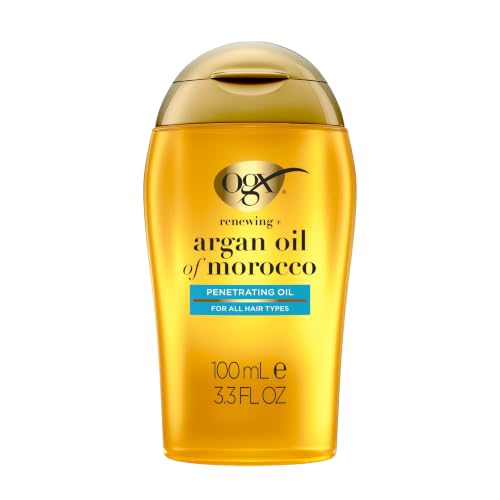
Argan oil for hair: Penetrating hair oil treatment with cold-pressed Moroccan argan oil nourishes and renews each strand; helps seal in nutrients and shine for visibly softer, stronger, and healthier-looking hair.

HYDRATES & COMBATS DRYNESS: 100% Organic Cold-Pressed Moroccan Argan Oil naturally hydrates skin while supporting a healthy-looking complexion.