No, your hair doesn’t grow back thicker after shaving. Razors only cut dead hair at your skin’s surface—they never affect the living follicles beneath that determine your hair’s actual thickness. What you’re experiencing is an optical illusion: blunt-edged stubble feels coarser than naturally tapered ends, and new growth appears darker than sun-bleached hair. These factors create the perception of thickness, but your hair’s actual characteristics remain genetically determined. Understanding what’s actually happening during regrowth reveals why this myth persists.
Why People Believe Hair Grows Back Thicker After Shaving
Although multiple clinical studies spanning from 1928 to 2006 consistently show that shaving doesn’t alter hair growth rate or density, the myth persists because razors create a blunt edge that fundamentally changes how regrowth appears and feels. You experience perceived thickness through tactile sensation—short stubble resists bending, feeling stiffer and pricklier than longer hair. Simultaneously, new growth lacks sun bleaching, appearing darker than weathered ends. Your regrowth stands upright initially, creating visual density that contrasts sharply against skin. Cultural myths reinforce these sensations; mothers historically discourage early shaving by citing thickness concerns. Regrowth typically occurs at a rate of half an inch to one inch per month on the scalp, though this natural growth cycle is often mistaken for shaving-induced changes. For those seeking to manage body hair grooming, electric trimmers with rounded blades offer a safer alternative that minimizes these blunt-edge effects. Hair follicles remain unaffected by the shaving process since razors only cut at the skin’s surface. You’re basically misinterpreting optical illusions and tactile feedback as biological changes, though hormones and genetics—not razor blades—actually control your hair growth.
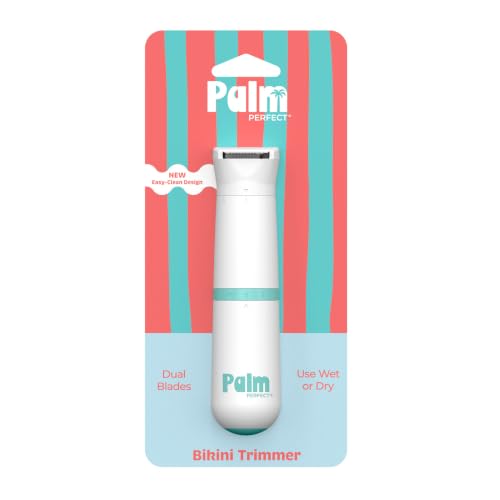
FLAUNT YOUR CONFIDENCE: The PalmPerfect cordless bikini trimmer gives you a bikini line as smooth as tanning oil, providing precise and comfortable results every time.

2-IN-1 FACE AND BODY GROOMING: This bikini trimmer for women includes a body hair trimmer and face shaver. Use the body head for bikini line, pubic hair, legs and underarms, and the facial head for peach fuzz and quick touch-ups.

Safe and Efficient Trimming: PRITECH razors for men uses ceramic blades with built-in protection. On the surface where the blade contacts the skin, we have implemented a chamfered design, ensuring that it never cuts, pulls, or irritates the skin, and guarantees efficient hair trimming. This body trimmer for men equipped with 3 adjustable comb attachments and 5 lengths (1.5mm, 3mm, 6mm, 9mm, 12mm), it meets your diverse trimming requirements
What Happens When You Shave (And What Doesn’t)
What exactly happens when a razor blade meets your skin? You’re cutting dead hair shaft material—cornified cells with no living tissue. The blade can’t reach your follicle, which sits safely beneath the skin’s surface. Your follicle’s bulb and dermal papilla remain completely untouched and undisturbed.
The shaving effects you notice are purely mechanical. That blunt tip created by the razor feels coarser than the naturally tapered hair you had before. Short hairs standing erect appear darker and denser than longer, angled hairs. But follicle integrity stays intact. No living cells experience damage. Your follicle structure doesn’t change—it continues regenerating hair at the same rate, thickness, and color as always. Clinical evidence confirms no measurable differences in regrowth characteristics. Electric shavers cut hair at or above the skin surface to eliminate razor burn, nicks, ingrown hairs, and micro-trauma that traditional blades can cause. For the closest and most comfortable shave, using quality foil shavers designed with contour-following technology can minimize irritation while achieving results. Regular exfoliation can help remove dead skin cells that might accumulate around your hair follicles and contribute to irritation.

PIVOT & FLEX FOIL TECHNOLOGY: Shaver adjusts to facial contours for a close, comfortable shave. Use short circular strokes and light pressure. Best results when used daily for the first few weeks.

Skin Friendly Foil System: Dudes, meet your no-yank zone! These grooming beasts rock precision titanium blades with built-in smart sensing tech – bye-bye beard tugging. The floating head design? Lets your portable razor glide like butter on facial contours. Smooth operator status: unlocked

Essential electric shaver for women and girls is designed for shaving sensitive skin on legs
The Real Drivers of Hair Growth: Genetics, Hormones, and DHT
While shaving can’t alter your hair’s fundamental characteristics, your genetics, hormones, and sensitivity to DHT actually control whether your strands grow thick or thin. Your ethnic variations and polygenic traits determine baseline hair thickness through genes like EDAR, which influences follicle size and shaft diameter. Hormonal influences, particularly androgens, convert fine vellus hairs into thicker terminal hairs—a process controlled by genetic predisposition. DHT effects compound this through androgen receptor sensitivity; variations in your AR gene can double male-pattern baldness risk. The interplay between genetic factors and hormonal shifts explains why up to 80% of androgenetic alopecia cases involve both components. Twin studies confirm 0.81 heritability, meaning genetics explain most hereditary hair loss patterns. Environmental factors like climate and nutrition also impact your hair health outcomes, complementing the genetic foundation that determines hair thickness. Using quality shaving tools with flexible foil technology and surgical stainless steel blades can help reduce skin irritation during the shaving process. Proper shaving technique, such as maintaining consistent blade angles and using gentle strokes, can help minimize irritation that might otherwise impact hair health during the growth cycle.
Why Regrowth Feels Thicker, Coarser, and Darker
The blunt edge created by shaving—rather than the tapered tip of naturally shed hair—fundamentally changes how your regrowth appears and feels to your touch. When you shave, you sever hair at a perpendicular angle, creating a flat, dense terminus. This blunt hair edge reflects light differently than naturally tapered ends, producing an optical illusion of greater thickness. Simultaneously, your sensory perception shifts as stubble contacts your skin with its squared-off edge rather than a fine point, amplifying tactile feedback and creating the sensation of coarseness. Additionally, newly growing hair hasn’t yet been exposed to environmental weathering that gradually thins and lightens mature strands. Research on androgenetic alopecia demonstrates that terminal hair density accounts for over 85% of total hair density, highlighting how dramatically our perception of hair thickness can shift based on the structural presentation of individual strands. Using an electric trimmer instead of a razor can prevent the blunt-edge effect while minimizing irritation and ingrown hairs. For those seeking to maintain their appearance between trims, investing in a quality trimmer like those available at top beard trimmer retailers can help manage regrowth more effectively than shaving alone. These optical and sensory factors combine to create a compelling—though ultimately misleading—perception that your hair has fundamentally changed.
How Blunt Tips and Stubble Create an Illusion
Several optical and tactile mechanisms work together to create the compelling illusion that your hair’s grown back thicker. When you shave, you create blunt tips that reflect light differently than natural tapered ends, making stubble appear darker and more defined against your skin. This sharp visual contrast between bare skin and emerging hair heightens the perception of density and growth speed.
The stubble illusion intensifies because short hair shafts stand prominently against your skin tone, while uncut tapered hair blends subtly. Additionally, blunt tips feel coarser and stiffer to the touch—a tactile sensation that amplifies the thickness perception during early regrowth. To maintain clean edges and achieve a polished appearance during regrowth, neckline and edge cleanups help preserve the sharp definition that enhances the stubble illusion. For most men seeking to maintain this sharp look, a #2 to #4 clipper guard provides an optimal balance between visible definition and manageable length. As your hair lengthens beyond the stubble phase, it gradually resumes its natural taper, the illusion fades, and the original texture returns unchanged. The actual growth rate of hair is determined by genetics and hormones rather than shaving practices, so the hair emerging is fundamentally identical to what would have grown without any shaving.
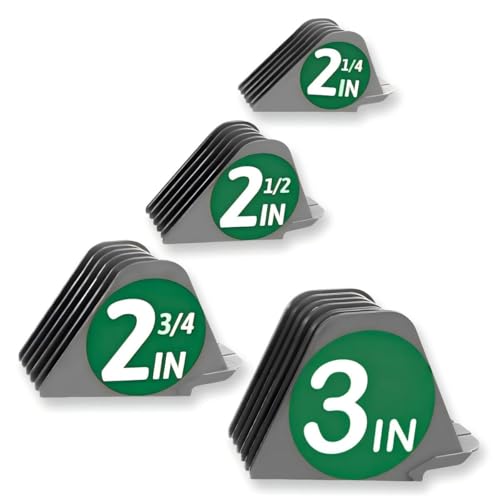
Please check your HAIR CLIPPER'S SIZE/MODEL before purchased.Not fit for PEANUT, POWER PRO TRIMMER, PRO, KM2 and SMALL/MINI HAIR CLIPPER. QPOIBSD Clipper Limit Comb Compatible With WAHL 6102, 2150, 2151, 2171, 2170, 2160, 2110, 21062, 6130, 8591, 8148, 1919, 8504, 6200, 6211, 2240, 2241, 2111. And it also can be applied to clipper with 46*38mm blade

High Quality: Constructed from robust ABS material. Flexible and sturdy like the original.

Please check your HAIR CLIPPER'S SIZE/MODEL before purchased.Not fit for PEANUT, POWER PRO TRIMMER, PRO, KM2 and SMALL/MINI HAIR CLIPPER. QPOIBSD Clipper Limit Comb Compatible With WAHL 6102, 2150, 2151, 2171, 2170, 2160, 2110, 21062, 6130, 8591, 8148, 1919, 8504, 6200, 6211, 2240, 2241, 2111. And it also can be applied to clipper with 46*38mm blade
Shaving vs. Waxing: Does the Removal Method Matter?
Since shaving and waxing remove hair through fundamentally different mechanisms, they produce distinctly different regrowth patterns that directly impact the thickness illusion. Shaving techniques cut hair at the surface, leaving blunt edges that appear coarser and darker against your skin. Waxing benefits stem from root extraction, allowing hair to emerge with tapered tips that feel softer and finer.
Over time, consistent waxing weakens follicles through repeated root pulls, resulting in sparser, lighter growth. Shaving offers no such cumulative thinning effect. Additionally, waxing exfoliates dead skin cells while reducing ingrown hairs more effectively than shaving. Though both methods increase skin inflammation, waxing produces superior long-term results. Shaving lasts only 1-3 days, whereas waxing provides 3-4 weeks of smoothness. Hair pulled from the root enters a resting phase prior to regrowth, which further delays the appearance of new hair compared to shaving. Using specialized body groomers with proper technique can help minimize the blunt edges that create the thickness illusion when shaving. For those seeking more permanent solutions to hair concerns, many men opt for a bold style statement by shaving their heads entirely rather than managing regrowth cycles.

【All-in-One Waxing Kit】Easy waxing at home, the TIKESI wax kit contains everything you need. wax machine 500ml(1 unit), 5 bags wax beads(14 oz), 1 pre-waxing spray, 1 after-waxing spray, 10 small waxing sticks, 10 big waxing sticks, 5 waxing protection rings, and 1 user manual. Up to 98% of unwanted body hair can be removed with this eyebrow waxing kit.

COMPLETE 500ML WAXING KIT: Everything you need for at-home waxing in one box: 1 × 500ml electric wax warmer with aluminum pot, 6 × 80g hard wax bead bags (480g total), 20 applicator sticks, 3 small waxing bowls for small areas waxing, tweezers, scissors and a step-by-step guide. No separate wax warmer or wax strips needed to get started.

WAXING KIT INCLUDES - Complete waxing kit for women with a digital wax warmer, removable silicone wax pot, pre- & post-wax oils, applicator sticks, a full how-to guide, and 4 wax bead bags for Coarse Hair, Brows & Face, Legs & Back, and All Hair Types.
The Regrowth Timeline: When Hair Actually Returns
Understanding your hair’s regrowth pattern requires tracking the biological timeline from initial stubble emergence through full restoration. You’ll notice stubble appearing within 12-24 hours post-shaving, with coarse texture from blunt ends. By day 3-5, visible short hairs emerge as your follicles restart their growth cycle.
The regrowth phases progress predictably: one month yields 0.5-inch length, while two months reaches bob-like proportions at one inch. Your hair’s characteristics shift noticeably—texture softens after 4-6 weeks, and color darkens at roots by month two. At three months, you’ve grown 1.5 inches with complete scalp coverage by month four. Many people find that allowing hair to grow naturally without chemical treatments or frequent styling restores the hair to its authentic state. Research shows that grooming quality matters more than the specific style you choose during regrowth. It’s important to note that shaving does not affect hair follicles beneath the skin’s surface, which is why your hair will continue to grow back at a consistent rate. Full restoration occurs around 24 months, when your hair’s natural texture and thickness return to pre-shave equivalence, maintaining a consistent 0.5-inch monthly growth rate throughout.
Why You Notice Regrowth More Than Before
When you run your hand across freshly shaved skin, you’re not actually feeling thicker hair—you’re experiencing a well-documented optical and tactile illusion created by the shaving process itself. The blunt edge of regrown hair feels coarser than your hair’s naturally tapered ends, enhancing stubble visibility against smooth skin. Your freshly shaved surface provides stark contrast that amplifies how prominently short, uniform hairs stand out. Additionally, new growth lacks the sun and environmental exposure that weathered your previous hair, making it appear darker and denser. Hair growth patterns vary across body regions—armpit hair regrows 50% faster than leg hair, increasing your observation frequency. To maintain grooming tools properly and ensure precise results, clippers and trimmers should be regularly disinfected and oiled using professional cleaning methods. For precision grooming in various environments, using a waterproof trimmer allows you to maintain your appearance with consistent results. These combined perceptual factors explain why you notice regrowth more intensely than before shaving, despite no actual change in your hair’s diameter or growth rate. Genetic traits, not the shaving process itself, ultimately determine your hair’s true texture and thickness characteristics.
If Shaving Won’t Change Hair Growth, What Actually Will?
While shaving leaves your hair’s growth rate and thickness fundamentally unchanged, several biological and environmental factors do genuinely influence how thick your strands become. Genetics through genes like EDAR and FGFR2 determines your baseline hair thickness. Hormonal fluctuations, particularly DHT binding to follicles, cause miniaturization affecting hair thickness markedly. Nutritional deficiencies in iron, zinc, and biotin weaken your hair structure, while omega-3 fatty acids and vitamin D support stronger growth. Chronic stress elevates cortisol levels, triggering telogen effluvium and thinning. Environmental stressors like UV radiation, pollution, and harsh chemicals strip oils and damage follicles. For those with sensitive skin, using gentle electric shavers can help minimize additional irritation while maintaining your grooming routine. If shaving isn’t your preferred method, alternatives like hair removal creams offer convenient options for managing body hair without the potential for irritation. These factors—not shaving myths—actually dictate your hair thickness. Understanding what genuinely affects your strands helps you address real concerns rather than chasing misconceptions about shaving benefits. A balanced diet plays a crucial role in promoting healthy hair growth and maintaining follicle integrity.

Biotin Collagen & Keratin Supplement - An essential blend of biotin vitamins, collagen, and keratin. Our biotin for women and men works to nourish your hair, skin, and nails to diminish signs of aging by fortifying your body with essential antioxidants.

SUPPORTS HEALTHY HAIR (1): Biotin helps maintain healthy hair; providing essential nutrients crucial for beautiful hair (1)

Biotin, Collagen & Keratin — a beauty multicomplex featuring Biotin, Collagen, Keratin, Hyaluronic Acid, Vitamin B-complex, Vitamins A & E, and natural botanical extracts. Each serving is designed to provide well-rounded nutritional support to complement your beauty routine.
The Science Behind Real Hair Growth Changes
The misconception that shaving thickens hair persists because several biological mechanisms genuinely activate during regrowth—yet these don’t alter your hair’s inherent properties. When you shave, you trigger elevated ornithine decarboxylase and transglutaminase activity in regrowing skin, which accelerates cellular regeneration. These biochemical responses genuinely stimulate regrowth speed, particularly in younger individuals. Interestingly, repeated shaving continues to promote this hair growth activation cycle more effectively than single shaving events.
However, this activation doesn’t change hair thickness or follicle characteristics. Your hair still progresses through its predetermined anagen, catagen, and telogen growth phases unaffected by razor contact. The follicle, located 4mm beneath your skin’s surface, remains genetically programmed for specific thickness and color regardless of surface manipulation. Additionally, alkaline phosphatase levels correlate with the intensity of hair regrowing activity in these stimulated areas. Quality safety razor blades from brands like Astra and Wilkinson Sword help maintain consistent shaving technique and reduce skin irritation during regrowth. Proper shaving technique, such as shaving with the grain at the correct angle, can minimize irritation during this regrowth process.
Real hair growth changes require hormonal shifts, nutritional factors, or aging—not shaving mechanics.