You’ll get a closer, more comfortable shave by mastering four critical fundamentals. First, prepare your skin with warm water and exfoliation to soften your beard and open pores. Next, select appropriate tools based on your beard length and skin sensitivity. Then, map your grain direction and shave with light strokes at a 30-degree angle, letting the blade’s weight do the work. Finally, moisturize immediately with alcohol-free products tailored to your skin type. The details behind each step reveal why proper technique transforms your entire grooming experience.
Prepare Your Skin and Beard Before Shaving
Why do so many men skip the preparation stage and wonder why they get razor burn or ingrown hairs? Proper prep work is essential for a comfortable shave.
Start by washing your face with warm water and a gentle cleanser to remove dirt and oil. Next, perform skin exfoliation using a gentle scrub in circular motions, which lifts facial hair and removes dead skin cells. This reduces ingrown hairs considerably.
Apply a hot towel for a couple minutes to soften your beard and open your pores. For thick beards, use a second towel. This beard hydration makes hair pliable and easier to cut. Shaving after a hot shower can further enhance these benefits by ensuring your hair is optimally softened and ready.
Finally, use a pre-shave oil on damp skin to create a protective barrier against friction. Apply shaving cream with a brush to distribute it evenly and further lift hairs. Using products with anti-friction technology helps minimize skin dragging and irritation. Regular maintenance of your shaving tools, including proper blade cleaning and oiling, ensures optimal cutting performance and prevents bacterial growth. You’re now ready for an effective shave.

SHAVE OIL: Prepares the skin for shaving. May be used under shave cream or gel.

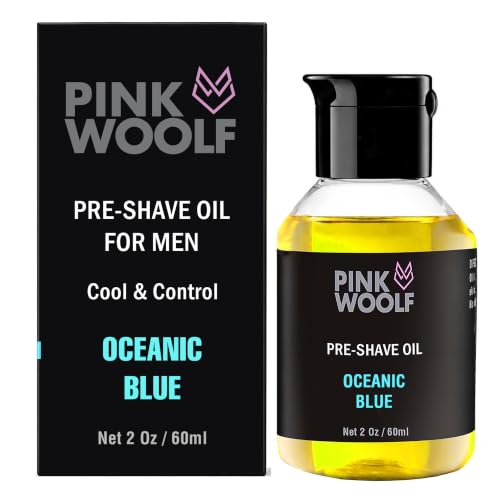
PRE SHAVE OIL FOR MEN – Lightweight shave prep oil helps soften coarse beard hair and improve razor glide for smoother electric and wet shaving with less tugging, pulling, and irritation
Choose the Right Tools for Your Shave
Since you’ve properly prepared your skin and beard, selecting the right shaving tool becomes your next critical decision—and it’s one that dramatically affects your results.
Electric shavers offer efficiency with consistent cutting action, delivering close shaves through foil or rotary designs. Foil shavers excel at precision and portability, while rotary shavers accommodate longer beard lengths effectively. These devices minimize pulling and irritation through advanced blade technology like NanoTech precision blades. Many electric shavers feature water-resistant designs for easy cleaning and maintenance. To keep your electric shaver performing optimally, apply clipper-specific oil regularly to reduce friction and extend blade life.
Manual razors demand greater technique but provide superior control for detailed line work and contouring. They’re ideal if you prioritize precision over speed.
Consider your beard length, skin sensitivity, and grooming goals. If you prefer speed and consistency, electric shavers serve you well. If you need meticulous control for edge work, manual razors deliver that capability.

Professional Foil Shaver: Engineered for barbers, delivers an ultra-smooth, bump-free finish on face, head, neck, and hairline. Perfect for blending bald fades or finishing close cuts.

World's #1 Foil Shaver Brand. The perfect holiday gift.

Three-Head Floating Design: Experience professional grooming with our advanced Foil Shavers for Men featuring an innovative three-head system that adapts seamlessly to facial contours. The flexible floating heads glide smoothly across your face, neck, and jawline, capturing both short stubble and longer beard hair without pulling
Trim Bulk Length With Clippers First
Now that you’ve selected your ideal cutting tool, you’re ready to tackle the bulk of your beard—and clippers are your first line of offense. Start with a #4 guard to debulk without removing excessive length, then step down gradually to reach your target length. For bulk removal techniques, focus on the sides first to reduce puffiness and weight while maintaining chin projection.
Use short, even passes with the grain during debulking to avoid over-cutting. Your clipper guard selection strategy should include #2 or #3 guards for conservative side reduction. Professional clippers feature taper levers for micro-adjustments between guards, allowing you to blend seamlessly. Be gentle to avoid hair breakage during the combing process when re-checking your work. To maintain your clippers’ performance, apply clipper oil after each use to ensure optimal cutting results. Re-comb frequently to check evenness throughout the process, ensuring consistent results across your entire beard. For those seeking a closer finish after clipper work, consider transitioning to an electric shaver to refine your beard to your desired length and smoothness.

【Complete Set for Versatile Styling】 This clipper guard kit includes 10 colorful guide combs in full sizes (1.5mm, 3mm, 4.5mm, 6mm, 10mm, 13mm, 16mm, 19mm, 22mm, 25mm) to meet a wide range of haircut lengths, from precise trims to longer cuts. It also comes with 2 black ear taper combs (left & right) for clean edging around the ears. The set is equipped with a cleaning brush, blade oil, and a convenient storage bag, making organization and maintenance easy. Multiple size options allow you to achieve buzz cuts, fades, layered trims, and various hair lengths with confidence.

COMPATIBLE: Compatible with models U-1176 beard trimmer. Please check if the model matches before you purchasing.

High Quality: Constructed from robust nylon material. Flexible and sturdy like the original.
Shave With the Grain to Protect Sensitive Skin
Before you bring blade to skin, you’ll need to map your grain direction—it’s the single most important factor in preventing irritation and maintaining healthy skin. Run your clean hand over one to two days’ growth; a smooth glide indicates the grain direction, while resistance signals against it.
Facial hair grows downward on cheeks but swirls or runs sideways on your neck and jawline. These grain patterns remain consistent and dictate your shave techniques for minimal irritation. For those with sensitive skin, consider using specialized grooming tools like electric razors for armpits which employ similar protective principles to minimize irritation across all body areas. Moisturizing immediately after shaving with an aftershave lotion or balm helps soothe freshly shaved skin and prevent irritation.
Execute your first pass always with the grain using light strokes. Let the blade glide without pressure—this method pins hair between blade and skin for a cut above the surface. You’ll reduce nicks, razor bumps, and ingrown hairs considerably. Reserve against-grain passes for special occasions only, prioritizing skin safety over closeness. Finding your personal shaving approach through continuous learning about your facial hair patterns ensures you achieve the best results for your individual skin type.
Get Your Blade Angle and Pressure Right
As you’ve mapped your grain and prepared your skin, the angle at which you hold your razor becomes equally critical to shaving success. You’ll want to maintain a 30-degree angle from your face, which optimizes blade exposure and guarantees your safety guard functions properly. Your pressure techniques matter just as much—apply little to no pressure and let the razor’s sharpness and weight handle the cutting. Excessive force risks nicks and irritation. Keep your strokes short, between 1–3 centimeters, which naturally minimizes pressure needs. Remember that facial contours and body size impact your razor choice and may require technique adjustments for optimal results. Using fresh sharp blades ensures you achieve the closest shave while minimizing the risk of irritation and discomfort. For aggressive razors with positive blade exposure, employ a steeper angle, keeping your handle more parallel to your skin while pivoting on the top cap. This prevents peeling while maintaining effective cutting performance. The diamond-hard coated blade technology found in modern trimmers allows for closer cuts with less pressure required, making proper angle technique even more effective.

【Adjustable Head 】The angle of our razor extension head is fully adjustable, ensuring a comfortable and effective experience for use on legs, back, and other body areas.

【Bundle Head Design】 The connector of women's razor and body brush can assist with shaving and bathing the whole body and is easy to bind all men's razor and bath brush. The head has slightly shaking, which can better close to the skin.
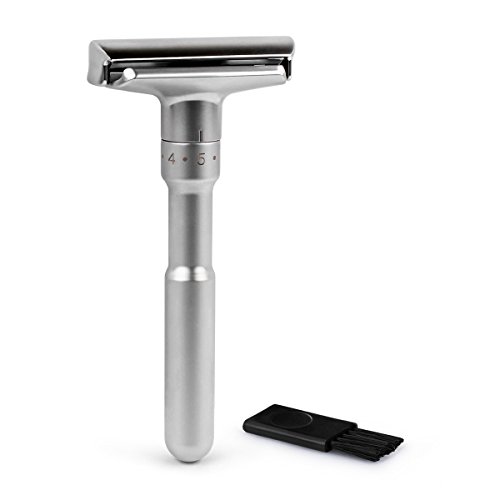
German Design Adjustable Handle to set blade exposure levels from 1 to 6. Matte chrome plated over zinc.
Soothe and Moisturize After Shaving
Your shaving routine isn’t complete until you’ve addressed your skin’s post-shave needs, as the razor’s passage leaves it temporarily compromised and vulnerable to irritation. Apply product immediately to damp skin, maximizing absorption and effectiveness.
Select product recommendations based on your skin type: acne-prone skin requires beard conditioner, while normal to dry skin benefits from beard oil containing shea butter. Sensitive skin needs fragrance-free, non-comedogenic moisturizer. Even oily skin requires moisturizing to prevent flakiness.
Employ these hydration techniques: massage product through skin using circular motions with a pea-sized amount, ensuring even coverage. Use alcohol-free formulas to prevent dehydration. Consider soothing gels with natural ingredients or alum blocks for irritation relief. Cold water rinses followed by damp application enhance soothing effects, restoring moisture lost during shaving and leaving your skin softer and healthier. For those with particularly sensitive skin, choosing a specialized sensitive skin razor can minimize irritation during the shaving process. Foil shavers with integrated trimmers like the Braun Series 9 PRO+ provide efficient grooming while reducing multiple passes that can aggravate delicate skin. Changing your razor blade regularly prevents bacterial buildup and reduces irritation during the shaving process.
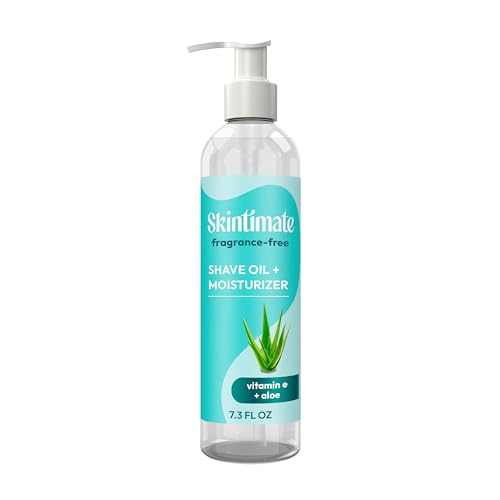
AWARD WINNING 2-in-1 SHAVE OIL – Skintimate shaving oil for women protects + softens skin. Can be used as shave prep & as a post-shave moisturizer for 24-hour moisturization.

UNPARALLELED COMFORT AFTERSHAVE FOR MEN. Soothing Aloe Vera and Vitamin E in our post shave lotion calms skin irritation and redness. Ideal for sensitive skin. Loved for its cooling feel, perfect for everyday men's skincare.

Moisturizes: use this soothing moisturizer daily to help reduce ITCH (due to dry skin). can be used after shaving, as well as between shaves
Prevent Common Mistakes That Cause Irritation
Many men don’t realize that common shaving mistakes—from skipping proper skin preparation to applying excessive pressure—are the primary culprits behind irritation, razor burn, and ingrown hairs.
You must prioritize skin hydration by moistening your face with warm water before shaving. This softens facial hair and opens pores, establishing ideal conditions for a smoother shave. Additionally, select quality lubrication products containing natural ingredients like almond oil or shea butter rather than aerosol foams lacking essential skincare components.
Blade maintenance proves equally critical. Replace dull razors weekly if you shave regularly; blunt blades tug and tear hair instead of cutting cleanly, causing irritation. For men with sensitive skin, consider investing in safety razors designed with mild shaving characteristics and stainless steel construction to minimize irritation. Always shave with the grain direction, never against it, and apply only light strokes. Excessive pressure forces the razor into skin, increasing inflammation and discomfort unnecessarily. After shaving, avoid alcohol-based aftershaves that can dry out your skin and accelerate aging.