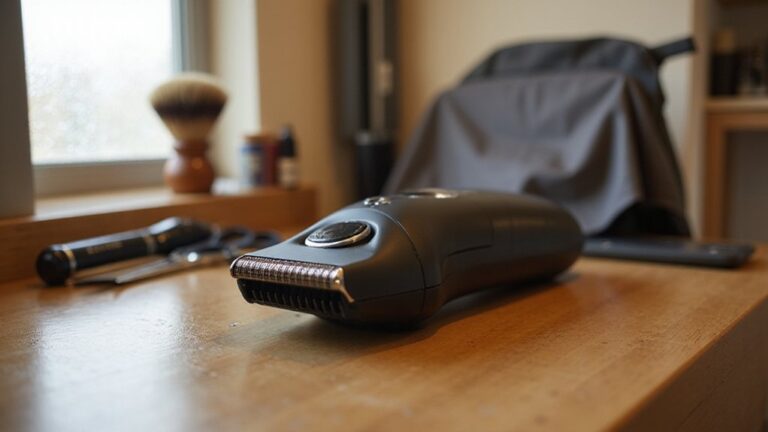
You’ll achieve best results by selecting an ergonomic tool like the BakBlade 2.0 Elite Plus or electric shaver designed for body grooming. Prepare your back with a five-minute warm shower to soften hair and open follicles, then exfoliate gently. Shave methodically from top to bottom using light pressure in the direction of hair growth, rinsing your blade frequently. Apply moisturizer post-shave and allow 2-3 days between sessions. Following proper technique and aftercare substantially reduces ingrown hairs and razor irritation, though specific strategies can further optimize your results.
Choose Your Back Hair Removal Method: Shaving, Waxing, or Laser
You’ve got three primary options for back hair removal, each with distinct advantages and trade-offs. Shaving benefits from immediate accessibility and minimal cost, though results last only 1-3 days before hair regrows at identical thickness. Waxing drawbacks include recurring expenses and frequent appointments, but hair regrowing finer and less dense after repeated sessions, with results lasting 3-6 weeks. Laser advantages dominate long-term planning: you’ll achieve 70-90% permanent hair reduction across 6-8 sessions, with results lasting years. Understanding hair regrowth patterns helps inform your decision. Shaving demands constant maintenance, waxing requires monthly commitment, while laser provides substantial permanency despite higher upfront investment. For those choosing shaving, maintaining proper blade sharpness ensures clean cuts and reduces skin irritation during the process. For back hair removal specifically, electric trimmers with rounded blades for safety and long battery life offer a practical alternative to traditional razors. Clinical studies demonstrate that popular laser technologies achieve approximately 50% decrease in hair counts with minimal adverse effects across different light-based and laser systems. Your choice depends on prioritizing convenience, cost, or durability.

【2-in-1 Back Shaver & Bald Head Shaver 】 This versatile grooming kit combines a bald head shaver and a back shaver into one convenient tool. You can easily switch between the rotating shaving head (for a smooth, bald look) and the precision trimmer (for trimming longer hair, styling facial hair, chest hair, or body hair).
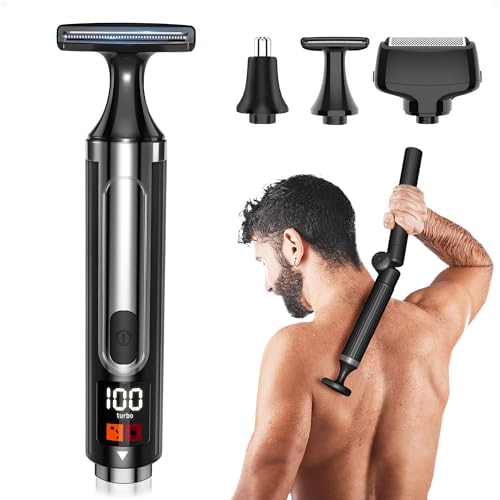
Long Handle Back Shaver — The extended handle helps you reach your back without twisting or asking for help, making self grooming easier for men. Ideal for back hair removal and regular body grooming

4-IN-1 Back Shaver & Body Groomer Kit:Includes back shaver head, foil shaver, precision body trimmer for intimate areas, and nose trimmer, providing a complete grooming solution for men
Gather the Right Tools for Back Shaving
Now that you’ve selected shaving as your back hair removal method, acquiring the appropriate tools determines your success. You’ll choose between manual shavers and electric shavers based on your needs and preferences.
Manual shavers like the BakBlade 2.0 Elite Plus offer efficient multi-blade coverage with ergonomic design suitable for wet or dry application. These devices typically cost around $75 and include exfoliating brushes for skin preparation. The BakBlade 2.0 Mens Back Shaver provides a more budget-friendly option starting at just $39.95 while still delivering ergonomic design for both wet and dry use.
Electric shavers provide superior performance for coarse hair. The Mangroomer Ultimate Pro features an ultra-wide 1.8-inch blade with extendable handles and flexible necks. Its cordless capability and Power Burst function accommodate extended grooming sessions. For those with sensitive skin who prefer frequent hair removal, Series 7 equivalent shavers offer better balance between effectiveness and gentleness. The customizable arm functions on premium models allow for personalized grooming that adapts to different body contours and hair types.
For thorough body grooming, multi-purpose trimmers like the Philips Norelco Bodygroom Series 5000 offer specialized back attachments and extended runtime, providing versatility for various body areas.

PAIN FREE & PRECISE: EVIEY mini facial hair trimmer features 18 karat gold plating and LED light removes hair with precision, no nicks or pain, specifically designed for face upper & lower lip cheeks chin and neck
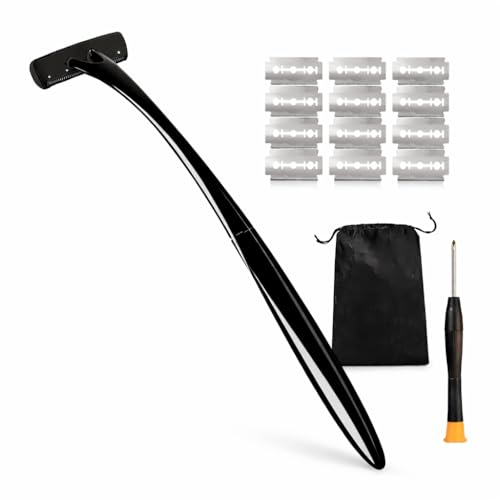
Engineered with a pivoting triple-blade cartridge and wide precision blades, this back shaver for men glides smoothly across your skin for efficient hair removal. The flexible shaving head adapts to body contours to reduce tugging, nicks, and irritation, delivering a comfortable and clean shave even on sensitive areas.

THE ORIGINAL BACK SHAVER: BakBlade 1.0 DIY back & body shaver is specifically designed to swiftly shave your back and body hair in just minutes. The waterproof mens back shaver gives you a quick and smooth shave without causing pain or discomfort.
Prep Your Back and Skin Before You Start
Proper skin preparation is the foundation of a successful, irritation-free shave. You’ll want to cleanse your back thoroughly with a gentle cleanser suited to your skin sensitivity and hair types. A warm shower lasting at least five minutes softens hair and opens follicles, allowing the razor to glide smoothly without tugging.
After cleansing, gently pat your skin dry with a clean towel—avoid rubbing, which can cause irritation. Light exfoliation using a long-handled brush removes dead skin cells and prevents ingrown hairs by clearing follicles. Ensure your designated shaving area is well-lit and organized before beginning the process.
Finally, apply a moisturizer or natural lubricant like aloe vera or coconut oil. This step rehydrates your skin, replenishes oils removed during cleansing, and guarantees smooth razor passage. Just as specialized blade oils extend the life and performance of grooming tools, quality lubricants enhance your shaving experience and skin health. After shaving, prioritize immediate post-shave care by rinsing with cool water to close pores and applying soothing products to prevent razor bumps. Properly prepped skin minimizes irritation risk and produces superior shaving results.
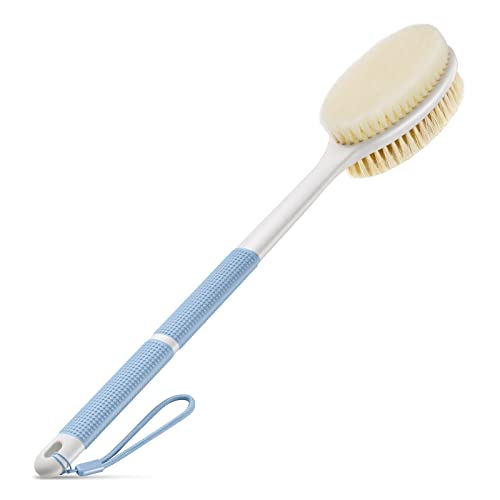
【Non-Slip Handle】The handle comes with two sections of long anti-slip textured rubber, easy and reliable to grasp or hold anywhere along its length in hand in a wet and soapy condition during a bath. Protected by US patent.

【Non-Slip Handle】The handle comes with two sections of long anti-slip textured rubber, easy and reliable to grasp or hold anywhere along its length in hand in a wet and soapy condition during a bath. Protected by US patent.

Effective Cleaning & Exfoliating: Dual-sided silicone back scrubber gently cleanses and exfoliates; a little gel or soap makes rich, luxurious foam; removes dirt, dead skin, oils and residue for smoother, revitalized skin.
Master the Shaving Technique From Top to Bottom
Mastering the shaving technique requires three critical components: positioning your body for ideal access, preparing your hair and blade, and executing controlled strokes with proper hydration. Start from the top of your back, working methodically downward in small sections. Use the spine as your anatomical reference point, shaving outward with proper shaving angles to guarantee even coverage. Apply light pressure control—allow the razor to do the work rather than forcing it across your skin. Shave in the direction of hair growth to minimize irritation and prevent ingrown hairs. Rinse your blade frequently to prevent clogging, and consider applying lubricant oil to maintain optimal razor performance. Work each section twice for complete hair removal, exercising extra caution around bony areas, moles, and skin tags. Consider using a back shaver with an extendable handle to reach difficult areas more effectively. To prevent razor burn and discomfort, use specialized body grooming devices designed with skin-friendly features rather than standard facial razors. Finish with a warm water rinse and apply moisturizer.

【Hatteker Electric Back Shaver 4 in 1 Kit】Comes with 4 interchangeable heads: precision trimmer, nose/ear trimmer, body hair trimmer, and main back shaver. Includes 5 guide combs: 1/2/3mm for the precision trimmer (ideal for haircuts, beard and sideburn trimming), and 3mm/6mm for the body hair trimmer (perfect for back, arms, legs, and body grooming). This kit supports everything from facial detailing to below-the-waist grooming, meeting daily grooming needs for men.

ADJUSTABLE LENGTH: Features an extendable handle that can be adjusted to reach different body areas comfortably and safely while shaving

【Adjustable Head 】The angle of our razor extension head is fully adjustable, ensuring a comfortable and effective experience for use on legs, back, and other body areas.
Use Mirrors and Visibility Tricks to Catch Missed Spots
Successfully shaving your back hinges on establishing a mirror system that counteracts the anatomical limitations of your posterior body’s visibility. Position your primary mirror at chest height for broad coverage, then angle a secondary mirror at 30-45° against your vanity to capture your full back profile. Optimize mirror angles by rotating leaned mirrors to expand your field of vision across hard-to-reach areas.
Enhance visibility techniques through strategic lighting and surface preparation. Integrate LED modes—daylight for color accuracy and cool-white for contrast—using diffused lights that eliminate glare. Clean your mirror daily to remove soap residue and obstructions that impair reflection clarity. Position a white backdrop behind your setup to fill reflections and highlight missed spots. Consider using a handheld mirror held at a 45-degree angle to view specific sections of your back that remain obscured. Move your mirror toward your body rather than leaning forward, maintaining consistent sightlines while keeping your arms mobile for clipper handling. For optimal results on back hair, electric body trimmers with adjustable combs provide safer, more controlled trimming compared to traditional razors, with rotary options like the Philips Norelco 9800 delivering high cutting speed and reduced irritation.
Prevent Ingrowns, Razor Burn, and Other Common Mistakes
Since your back’s curved topography and limited visibility create unique shaving challenges, you’ll need to adopt specific preparation and technique protocols to minimize common dermatological complications like ingrown hairs, razor burn, and folliculitis.
Shave with the hair growth direction to prevent snagging and ingrown hairs. Replace your razor every 5-7 shaves, as dull blades tear hair instead of cutting cleanly, exacerbating irritation. Apply light, multiple gentle passes rather than excessive pressure on any single area. Avoid shaving over the same spot repeatedly, which increases razor bumps risk. Before shaving your back, use a warm, damp washcloth to soften the hair, which reduces the likelihood of hairs curving into the skin.
Post-shave, rinse with cool water and moisturize immediately with bland cream. Exfoliate 1-2 times weekly using salicylic acid or glycolic products to clear dead skin cells. Skip shaving for 2-3 days between sessions, allowing skin recovery time that prevents irritation and infection. Consulting a dermatologist is advisable if irritation persists despite following proper technique and aftercare protocols.

1.5X MORE GEL – This sensitive skin razor for men has even more Hydro Gel for lasting comfort*. *vs. previous Schick Hydro

SUPERIOR COMFORT: Experience the ultimate in body shavers for men with our dual-sided handle, allowing you to use a forehand or backhand grip when shaving. Completely avoid the discomfort of other back hair removal methods.

Compatible with baKblade 1.0 back shaver only