Modern electric razors don’t universally feature lithium batteries, though premium models increasingly do. You’ll find lithium-ion technology in high-end shavers like Braun, delivering 40-90 minute runtimes and sub-one-hour charging. Budget razors still rely on nickel-cadmium (NiCd) or nickel-metal hydride (NiMH) alternatives, which cost considerably less but offer shorter runtimes. Lithium batteries provide 20-30% more usable capacity and maintain stable voltage within ±5%, outperforming older technologies. Your choice depends on usage frequency and budget constraints—understanding these differences reveals which battery type truly matches your grooming routine.
Not All Electric Razors Use Lithium
While lithium batteries dominate modern electric razors, you’ll find that many cordless models—particularly older designs and budget options—rely on nickel-cadmium (NiCd) or nickel-metal hydride (NiMH) alternatives. These non-lithium batteries maintain excellent razor compatibility with established brands like Norelco, ensuring reliable performance across legacy equipment. NiCd batteries standardize at 1.2 volts with capacities ranging from 650 mAh to 2200 mAh, addressing diverse power requirements.
However, battery lifespan differs greatly. NiCd and NiMH options last substantially less than lithium equivalents—typically under three times longer per charge cycle. You’ll notice slower charging speeds without the one-hour full-charge capability lithium delivers. Electric shavers with non-lithium batteries may require proper skin preparation before use to minimize irritation, similar to traditional shaving methods. Proper maintenance, such as using light mineral oils on foil and reservoir components, can extend the operational life of razors with any battery type. Despite these limitations, non-lithium alternatives remain viable for budget-conscious users and those maintaining older razor models requiring specific battery configurations unavailable in lithium chemistry. Manufacturers increasingly prefer lithium technology for improved user experience and long-term cost-effectiveness.
Why Lithium-Ion Dominates Premium Shavers
Because premium shavers demand superior performance in compact designs, lithium-ion batteries‘ve become the standard choice for high-end models. You’ll experience lithium advantages through their high energy density, delivering 20-30% more usable capacity than older NiCad or NiMH alternatives in the same physical footprint.
Performance consistency defines premium shavers. Lithium-ion maintains stable voltage throughout the charge cycle, keeping motor speed fluctuations within ±5%. You’ll enjoy 80 minutes of runtime with blade speeds remaining above 90% even at 20% capacity. Built-in safety features prevent overheating and overcharging, ensuring reliable power for efficient shaving without skin irritation. Unlike methods that involve complete hair removal, maintaining consistent shaver performance helps preserve scalp health during regular grooming routines. Many premium electric razors are specifically engineered for contoured areas like underarms to provide precise edging and comfortable shaves.
Additionally, these batteries support rapid full charges in under one hour—ideal for travelers. With 300-500 charge cycles and no memory effect, you’ll minimize replacement costs while maintaining consistent shaving performance long-term. The waterproof designs of modern mini shavers with lithium-ion batteries make cleaning and maintenance effortless, further enhancing their durability and user experience.
Ni-Cd and Ni-MH: The Budget Battery Alternative
Not every electric razor owner needs premium performance or can justify lithium-ion pricing. You’ll find Ni-Cd and Ni-MH batteries offer viable budget considerations for compatible Norelco, Philips Philishave, and Remington models.
Ni-Cd batteries deliver more charge cycles than Ni-MH alternatives, extending overall battery lifespan for frequent users. However, you’ll experience shorter runtime per charge and need more frequent recharging sessions. Conversely, Ni-MH packs provide longer runtime and eliminate memory effect without toxic cadmium, though they offer fewer total cycles. The 2.4 volts specification is commonly found in these nickel-cadmium configurations for electric shaver compatibility. For users seeking superior performance without frequent charging, lithium-ion batteries provide extended runtime comparable to premium models like the Braun Series 9 PRO+.
Your installation requires soldering the battery tabs directly to the circuit board. You’ll measure your original battery dimensions—typically 48-51mm length—to guarantee proper fit. Proper storage in a dry location away from heat and humidity will help maintain battery performance over time. Most packs are final sale and non-returnable, so verify compatibility with your specific razor model before purchasing.

Mighty Max 12V 7Ah SLA battery and complete wire harness Replacement for 24v Razor Scooter ride on toy

CLOSE, CLEAN SHAVE: 3 blade free floating system follows facial contours for a flawless finish and includes a middle trimmer to cut difficult hairs along with 2x SensoFoil shaving elements for ultimate closeness and skin comfort

🛴 DESIGNED FOR RAZOR SCOOTERS Compatible with Razor e200s, e225, e300, e300s, and e325 electric scooters.
When Budget Batteries Make Sense
If you’re operating an inexpensive electric shaver, you’ll likely encounter nickel-cadmium or nickel-metal hydride (NiMH) batteries rather than lithium-ion technology. Budget battery advantages emerge when you prioritize cost savings over compact design. NiMH replacements cost considerably less than lithium alternatives while delivering adequate performance for basic grooming. You’ll benefit from sourcing standard AA-sized cells from multiple suppliers, avoiding premium pricing associated with proprietary lithium-powered models.
Maintenance considerations favor budget batteries in high-use scenarios. Rather than discarding your entire device when power diminishes, you’ll simply replace the battery—a cost-effective repair strategy for older models. Though NiMH requires more frequent charging than lithium-ion, the trade-off proves worthwhile when balancing performance against affordability. Just as regular maintenance prevents performance degradation in grooming tools, proper battery care extends device lifespan. Electric shaver batteries are often the most expensive part of the device, making replacement options particularly valuable for budget-conscious consumers. For professional-grade tools like beard trimmers, models with quick charging capabilities offer flexibility when you need reliable performance without premium battery costs. This approach extends device lifespan while maintaining functional grooming capabilities.

Battery pack with two AA-size 1.2V NiMH rechargeable cells (2.4V total, 2000mAh). Designed for electric shaver battery replacement applications. Please verify battery size, voltage, connector configuration, and installation requirements before purchase.

High Capacity: No longer to worry about the endurance of the batteries, Kastar high capacity battery will provide ultra strong power for your devices to performance well and operate longer.

Replacement for Norelco, Remington shavers using one or two 1.2V Ni-Mh AA size rechareable batteries with capacity of 1500 mAh - 2500 mAh
Lithium vs. the Rest: Which Charges Fastest and Lasts Longest?
While budget batteries offer practical affordability, lithium-ion technology fundamentally outperforms older alternatives in the metrics that matter most: charging speed and runtime duration. You’ll notice lithium-ion batteries charge noticeably faster than nickel-cadmium predecessors, delivering single shaves in minutes through quick charge options. For runtime comparison, lithium-ion provides 40 to 90 minutes per charge—considerably longer than older battery types. The Braun Series 9 achieves 50 minutes, while the Wahl Professional 5 Star Vanish extends to 100 minutes. The Panasonic ARC5 LV67 specifically provides approximately 45 minutes of battery life for wet shaving applications. This charging efficiency eliminates frequent recharges, supporting your daily grooming without interruption. Just as proper preparation and trimming techniques enhance eyebrow grooming results, lithium-ion’s structural design transmits power efficiently through shaver motors, revolutionizing performance standards across electric razors and establishing itself as the clear winner in both speed and longevity metrics. Unlike older battery technologies, lithium-ion batteries reduce the hassle of frequent charging during shaves, contributing to overall efficiency in electric shavers.

【Compatibility】 SEFEPODER 24v 9Ah battery Complete wire harness Replacement for 24v Razor Scooter ride on toy
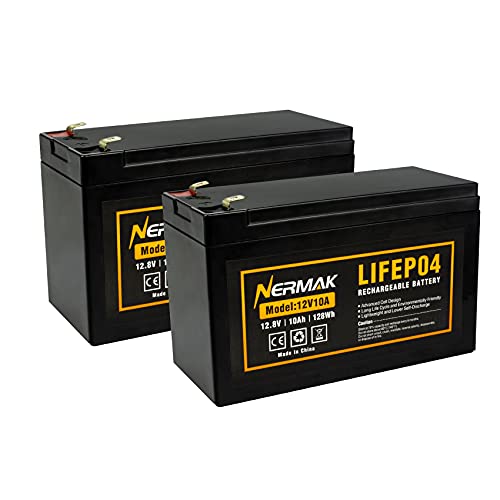
【Superior Performance】: Lithium iron phosphate battery has high energy density, Long cycle life, Good safety performance, No memory effect, etc. NERMAK LiFePO4 battery has built-in BMS protection to prevent overcharge, Over-discharge, Over-current and short circuit, and excessive low self-discharge rate ensuring up to 1-year maintenance-free storage.

22 Volt Battery Charger: This 22V (21.9V) 0.5A coaxial lithium-ion battery charger ensures rapid charging for your electric devices, providing a quick power-up when you need it most
What Battery Should Your Electric Razor Have?
Choosing the right battery type for your electric razor depends on prioritizing your specific grooming needs against performance trade-offs. If you’re frequently on-the-go, lithium-ion offers superior compactness and fast charging—reaching full capacity in roughly one hour. You’ll benefit from extended lifespan, reducing battery maintenance costs considerably over 2-3 years.
However, if maximum runtime matters most, nickel-metal hydride delivers superior energy capacity, though it demands longer charging frequency intervals. Nickel-cadmium remains viable only for budget models, given its lower energy density and shorter lifespan. For example, our 1650 mAh AA NiMh replacement battery is compatible with Braun series 2000-8000 and various Norelco models, providing reliable performance for those prioritizing extended runtime. Much like maintaining grooming tools with proper blade oiling and cleaning, battery maintenance ensures your electric razor performs optimally throughout its lifespan.
Match your selection to your shaver’s specifications—Braun series 2000-8000 and Norelco models like 5811XL require compatible batteries. Premium Braun shavers like the Series 9 Pro leverage lithium-ion technology to achieve the quick, close shaves expected from flagship models. Ultimately, lithium-ion balances longevity, charging speed, and portability most effectively for modern grooming routines.

Compatibility: The battery charger for the Razor Electric Party Pop, Tekno Electric Scooters, and Turbo Jetts Electric Heel Wheels

Casil CA1270 SLA is a 12V 7AH Sealed Lead Acid (SLA) rechargeable maintenance free battery.
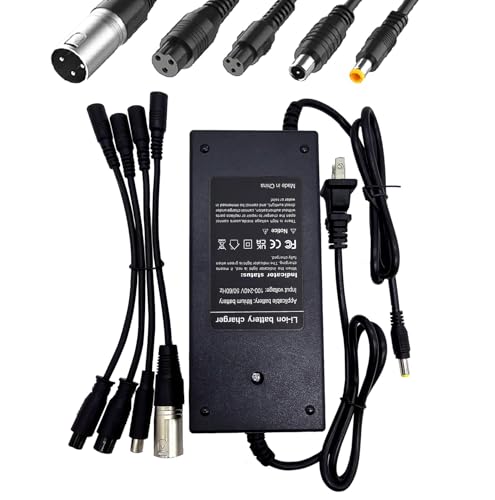
Input: 100-240V 50/60Hz; Output: 42V 2A. (also compatible with 2A, 1.5A, 1A, 0.5A). Only for 36V Li-ion battery pack. Don’t use it for Lead Acid battery pack. NOT for 54.6V or 24V or 25.2V or 29.4V version.
How to Check Your Razor’s Battery Specifications
Before you purchase a replacement battery or troubleshoot charging issues, you’ll need to identify your razor’s exact battery type and specifications. Start by consulting your product manual‘s specifications section, where you’ll find battery chemistry listed as Li-Ion, Ni-MH, or Ni-CD with voltage ratings. Check the manufacturer’s website using your model number to access detailed spec sheets and battery replacement sections. Physically inspect your razor’s battery compartment for cell markings and note the charging port style—Li-Ion typically uses docking stations. Contact manufacturer support directly with your model number for definitive battery confirmation. This battery compatibility verification enables accurate performance comparison between replacement options and guarantees you select the correct chemistry for ideal longevity. Most electric shavers utilize NiMH batteries rather than Lithium Ion technology, so verify your specific model’s chemistry before purchasing replacements. If you need to cancel any subscription services related to razor replenishment plans, you can do so by contacting customer support with your account details for prompt confirmation. Cordless razor batteries typically last 2-3 years before requiring replacement to maintain optimal performance and charging capacity.
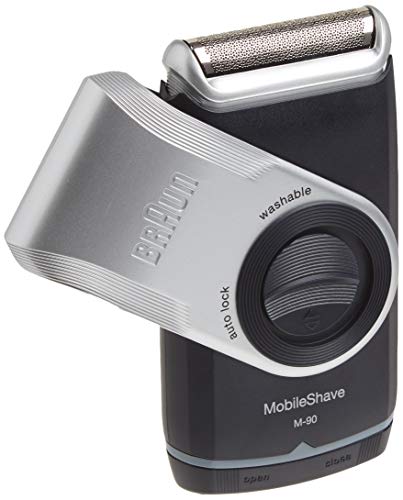
Wide Floating Foil - for close comfortable shaving

A DURABLE, POWERFUL, COMPACT SHAVER: Men’s electric razor has an 8,500 rpm motor drive to ensure fast, evenly distributed power

SpotGlide Blade Technology: Unlike others in the industry, MANSPOT's SpotGlide Blade Technology features a wider 40mm ceramic blade designed to cover more area in fewer passes, reducing friction and irritation in sensitive areas including the groin. Rounded tip guards and a hypoallergenic steel and ceramic blade combination help minimize nicks and discomfort for a clean, comfortable result, no razor burn, no regrets.
Lithium’s Cost vs. Longevity
Once you’ve confirmed your razor uses a lithium battery, you’ll want to evaluate whether the upfront investment aligns with your long-term usage patterns. Lithium batteries deliver superior cost efficiency through their extended cycle life—typically 3,000-5,000 cycles versus 500-1,000 for lead-acid alternatives. This longevity comparison becomes compelling when you calculate total cost of ownership by dividing initial expense by capacity multiplied by cycle life and depth of discharge.
Your lithium razor battery likely lasts 5-10 years with minimal maintenance, thanks to integrated battery management systems. For users with sensitive skin, the consistent power delivery from lithium batteries ensures reliable performance of protective features like foil shaver guards that prevent irritation and razor burn. Quality electric razors designed for sensitive areas, such as the Philips Norelco Bodygroom 7000, demonstrate how advanced battery technology supports specialized grooming needs. Though lithium batteries cost 20-40% more initially, you’ll recoup this investment within 2-4 years of daily use. The 5-10 year warranty further reduces replacement risk, making lithium’s higher upfront cost economically justified for regular shavers. Quality manufacturers typically stand behind their products with these extended warranties, which indicate confidence in the battery’s durability and protect your investment from premature failure.
5 Myths About Electric Razor Batteries (Debunked)
Several misconceptions surround lithium batteries in electric razors, yet the evidence contradicts these claims. You’ll find that lithium batteries are actually lighter and more compact than older NiCad alternatives, enabling sleeker razor designs without sacrificing performance. A performance comparison reveals that lithium-powered razors charge in approximately one hour—far faster than outdated technologies. Regarding battery maintenance, lithium eliminates the memory effect problem that plagued previous chemistries, considerably reducing upfront maintenance expenses. Safety concerns dissolve when you examine specific lithium variants: lithium titanate offers exceptional thermal stability, while lithium iron phosphate demonstrates reliable long-life cycles. These advanced formulations prioritize user safety through improved electrochemical design, much like how proper blade handling procedures are essential for safe straight razor use. To maintain optimal performance, you should also implement regular cleaning procedures to remove debris and hair buildup that can affect battery efficiency. The insulating separator in lithium batteries allows ions to pass while blocking electrons, ensuring consistent performance throughout the device’s operational life. Your initial investment in lithium-equipped razors pays dividends through extended lifespan, lasting two to three times longer than alternatives, ultimately lowering replacement costs substantially.
Choose by Your Usage Pattern: Daily Users, Travelers, and Weekend Shavers
Because your shaving routine directly determines which battery technology delivers ideal performance, selecting the right electric razor requires matching battery specs to your usage frequency.
Daily shaver essentials demand lithium-ion batteries offering 500–1,000 charge cycles and 45–60 minutes runtime per charge. You’ll benefit from fast charging under one hour, minimizing downtime between sessions. Premium models like those in professional grooming feature high-torque motors that maximize cutting efficiency during daily use.
Travelers prioritize compact Li-ion or Li-Po designs enabling ultra-light packing. Quick one-hour recharge capabilities suit on-the-go needs, reducing recharging frequency with extended runtime. Li-ion batteries maintain their no memory effect characteristic, allowing you to charge at any battery level without reducing overall capacity.
Weekend shavers gain efficiency through NiMH batteries that maintain charge over extended periods without degradation. You’ll maximize intervals between charges with moderate 300–500 cycles and replaceable packs supporting sustainability.
Battery maintenance tips across all patterns include avoiding full discharge in lithium-ion models and leveraging no-memory-effect technology for flexible charging schedules.