A buzz cut uses uniform clipper guards for consistent length across your scalp, requiring trims every 2-3 weeks and zero styling products. A crew cut features shorter sides with 1-2 inches on top, allowing tapered styling and needing maintenance every 3-5 weeks. You’ll find buzz cuts ideal for simplicity and hot climates, while crew cuts offer versatility for professional settings. Your face shape, hair texture, and grooming commitment should guide your choice—and there’s plenty more to reflect upon when selecting between them.
Buzz Cut vs. Crew Cut: The Core Difference
While both styles keep your hair short and low-maintenance, they’re fundamentally different in execution and appearance. A buzz cut uses the same clipper guard uniformly across your entire scalp, creating consistent length throughout. A crew cut, however, features shorter sides and back with longer hair on top—typically one to two inches—allowing for tapered styling.
The buzz cut exposes your scalp’s natural contours and delivers a no-nonsense aesthetic. The crew cut adds structure and texture, giving you shape and control you can style forward or to the side. Crew cuts provide volume and shape, making thinning less obvious for those concerned about hair density changes. For buzz cuts, a wide blade clipper ensures quick and even coverage across the entire head. Your choice depends on your lifestyle and preferences. The buzz cut suits active schedules requiring minimal upkeep, while the crew cut offers versatility for those wanting occasional styling options without high maintenance demands. Just as proper skin preparation with warm water enhances grooming results, maintaining your haircut with regular trims keeps either style looking sharp and well-defined.

【Complete Set for Versatile Styling】 This clipper guard kit includes 10 colorful guide combs in full sizes (1.5mm, 3mm, 4.5mm, 6mm, 10mm, 13mm, 16mm, 19mm, 22mm, 25mm) to meet a wide range of haircut lengths, from precise trims to longer cuts. It also comes with 2 black ear taper combs (left & right) for clean edging around the ears. The set is equipped with a cleaning brush, blade oil, and a convenient storage bag, making organization and maintenance easy. Multiple size options allow you to achieve buzz cuts, fades, layered trims, and various hair lengths with confidence.

▶Premium Value & Complete Set Get 10 durable Clipper Guards in one pack for unmatched value. Our set includes the most needed sizes from 1.5mm to 25mm for versatile cutting and fading.

High Quality: Constructed from robust nylon material. Flexible and sturdy like the original.
Face Shape: Which Cut Suits You Best?
Your face shape plays a considerable role in determining which cut will work best for you. Face shape considerations guide your styling tips considerably.
Square faces benefit most from buzz cuts, which emphasize your strong jawline and angular features. Round faces gain better proportion with crew cuts, as tapered sides elongate your appearance and add definition. Oval faces tolerate both styles well, though crew cuts provide more structured balance.
Diamond-shaped faces look sharp with buzz cuts that reveal cheekbones without excess bulk. For oblong faces, buzz cuts minimize perceived length while adding feature prominence. If you prefer revealing your true facial structure and angular lines, buzz cuts deliver maximum impact. The Butch cut, typically achieved between guards 3 and 5, allows for styling flexibility while maintaining the structured appearance that works well for angular face shapes. With maintenance required every 1-3 weeks, both cuts keep your look sharp and intentional. Just as maintaining a sharp appearance requires attention to detail, proper grooming tools like those maintained through stropping techniques ensure your clippers and razors stay in optimal condition. Conversely, crew cuts offer refinement and versatility across most face shapes, providing sophisticated styling options when you want definition with less intensity.
Styling and Versatility: What Each Cut Offers
When you’re deciding between these two cuts, styling demands and versatility become critical factors. The buzz cut delivers unmatched styling simplicity—you’ll need no products or daily routines, making it ideal for active lifestyles. However, the crew cut offers superior adaptability through its longer top and gradual taper. You can adjust the fade intensity, add textured dimension, or blend it into an undercut for edgier looks. The crew cut accommodates varied professional and casual settings while maintaining structured neatness. Both styles work exceptionally well with facial hair, though the crew cut provides more volume for diverse styling options. The crew cut’s longer hair on top with smooth transition to short sides maintains the volume and texture that enables contemporary styling choices. If you prioritize minimal maintenance, choose the buzz cut; if you want styling flexibility without heavy grooming, the crew cut bridges that gap effectively. For head shaves of either style, using quality shaving creams and gels can help achieve smooth, comfortable results while maintaining healthy skin. Those with sensitive skin may benefit from exploring razors designed for sensitive skin to prevent irritation during the initial shave or maintenance cuts.

HAIR GEL: A moisture-rich gel that provides a defined look while taming hair leaving a high shine finish

SIMILAR TO HAIR GEL: Easy to use styling cream that creates wave separation or curl definition.

HAIR GEL: A moisture-rich gel that provides a natural look while taming hair leaving a natural shine finish is to revitalize dry, dehydrated hair
Maintaining a Buzz Cut vs. a Crew Cut
Once you’ve committed to either style, maintenance becomes the defining factor in how well your cut performs over time. Buzz cuts demand trimming frequency every 2–3 weeks to keep edges crisp, while crew cuts extend to 3–5 weeks between full appointments. Self maintenance proves more practical for buzz cuts—you’ll need quality clippers ($50–$100), a hand mirror, and basic technique to maintain uniform length. When using clippers at home, start with the sides and back using an upward rocking motion to ensure even coverage. Crew cuts, however, benefit from professional trimming to preserve precise shape and blending. If you prioritize convenience, buzz cuts eliminate daily styling routines entirely. Crew cuts require light texture work and product application. For crew cuts, a gentle wash routine with shampooing 2-3 times a week helps maintain the style between appointments. For those seeking the closest possible results with clippers, consider that foil shavers maintain advantages over rotary options in terms of cutting precision. Your choice hinges on whether you’ll accept slightly blurred edges or invest time in frequent professional visits.

Hair Clipper:Heavy-duty gear for proper powerful cut, with stable and steady control. The R shaped rounded edge design prevents from accidentally hurting skin.
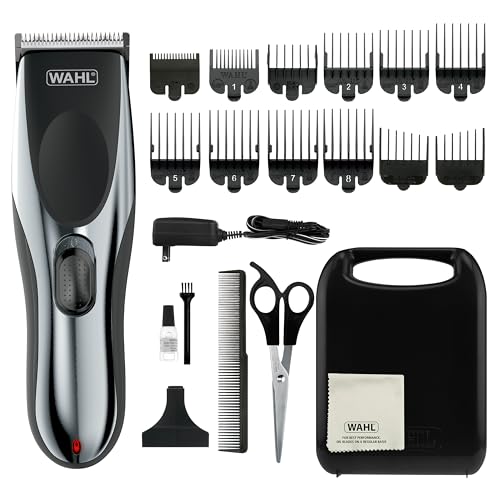
Long Run Time - These clippers feature convenient cord/cordless use options with 60 minutes of cordless run time. Long-lasting easy-to-clean stainless-steel precision blades enable no-snag cutting.

Cordless Convenience – Color Pro Cordless is rechargeable and wireless. Cord/Cordless allows you to use the clipper on battery or when it's charging.
Do You Actually Need Hair Products?
How essential are hair products for maintaining a buzz cut or crew cut? The answer depends on your hair type and grooming goals. You’re not strictly required to use specialized hair care products for these short styles—water and basic soap often suffice for cleanliness. However, incorporating targeted products enhances results considerably. For buzz cuts, lightweight products minimize buildup on short hair. Crew cuts benefit from texturizing products that add definition and hold. Data shows 86% of U.S. consumers use shampoo or conditioner regularly, reflecting product necessity awareness. Men specifically demonstrate higher per-unit usage due to dispenser design and application methods. Just as those with sensitive skin require tailored shaving solutions for comfort, individuals with sensitive scalps should consider specialized formulations that address irritation and inflammation. For those seeking the closest shave possible, investing in quality grooming tools like high-performance electric razors can significantly impact overall grooming results. The scalp care market is experiencing rapid expansion, with scalp-focused formulations becoming increasingly viewed as essential components of comprehensive grooming routines. While product necessity isn’t absolute for short haircuts, quality hair care products optimize appearance, health, and longevity of your chosen style.
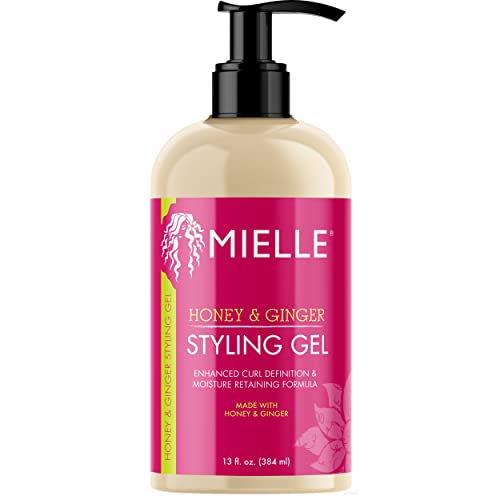
Style Your Way - Achieve the styles you love while encouraging healthier, stronger hair. This styling gel for women and men enhances curls with a blend of honey and ginger, providing shape and bounce without stiffness.
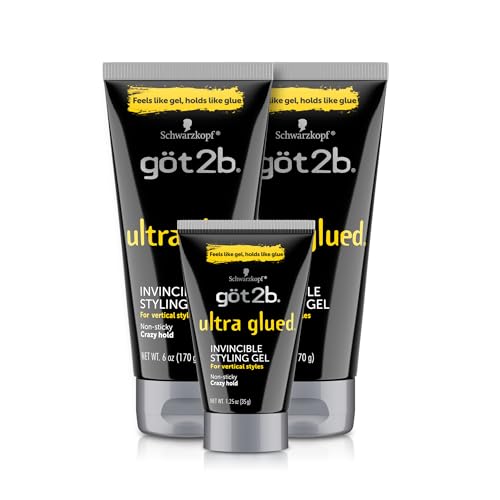
Invincible Hold for Bold Styles: Take your hair to gravity-defying heights. This hair gel delivers a no flake, non-sticky hold that locks style in place. Feels like gel, holds like glue. Suitable for vertical spikes, slick backs or sculpted edges

Strong Hold Hair Gel That Lasts Up to 24 Hours: Garnier Fructis Pure Clean Styling Gel delivers up to 24 hours of extra strong hold with lasting control and definition. For a strong, reliable hold with a clean finish
The Buzz Cut: Who Should Choose It
Now that you understand how minimal product maintenance a buzz cut requires, you can better evaluate whether this style actually suits your lifestyle. You’re an ideal candidate if you’re a busy professional prioritizing efficiency over elaborate grooming routines. Active individuals and athletes benefit greatly from buzz cut suitability—the style eliminates interference during physical activities and intense workouts. If you live in hot climates, you’ll appreciate the scalp breathability and reduced heat trapping. You’ll also value the consistent professional appearance maintained throughout your day without weather-related complications. Strong facial features and well-defined bone structure maximize the aesthetic benefits, as exposed cheekbones and jawlines gain prominence. Finally, if you’re cost-conscious, buzz cut benefits extend to substantial savings on styling products, salon visits, and grooming tools over time. For maintaining your buzz cut, investing in quality clippers with close cutting performance ensures you achieve the precise results you want at home. Regular trims are necessary to maintain the style, requiring salon visits every few weeks depending on your hair growth rate, and keeping your clippers clean with regular blade maintenance ensures optimal cutting performance throughout the year.
The Crew Cut: Who Should Choose It
While the buzz cut demands minimal maintenance across nearly all situations, the crew cut offers a more nuanced alternative that balances low-upkeep styling with versatile aesthetic appeal. You’ll benefit from crew cut advantages if you prefer a polished professional appearance without excessive grooming demands. The style suits ideal face shapes including square, oval, heart-shaped, and rectangular structures. Clean lines soften angular features while adding definition to rounder faces. You’ll appreciate the high-contrast effect‘s masculine aesthetic across various head types. Whether you have straight, wavy, or curly hair, the crew cut adapts effectively to your texture. The style works particularly well if you’re active or disciplined, requiring visits every 4-5 weeks for maintenance while delivering confident, well-groomed results. For precise fading and blending, consider using cordless beard trimmers that offer consistent power and runtime throughout your styling sessions. To keep your clippers in optimal condition between barber visits, maintain your grooming tools with regular maintenance practices. The crew cut originated in the Ivy League rowing community, establishing its reputation as a practical and purposeful choice for those seeking both style and functionality.
Growing Out: How Each Cut Transitions
Understanding the growth trajectory of each style helps you anticipate the awkward phases and plan accordingly. Your buzz cut enters transformative phases around week four when mushrooming emerges at the top-sides junction. You’ll need barber visits every 4-6 weeks for texture management and gentle tapering without returning to skin fades. Growth management during this period involves applying styling products to control the fuzzy appearance while bulk reduction via clipper guards precedes lower settings. By month one, expect quarter to half-inch growth monthly under normal conditions. Working out increases blood flow to the scalp, promoting faster hair growth during your transition period. To maintain your clippers in optimal condition during frequent trims, remember to clean your head shaver regularly by rinsing under warm running water and lubricating with oil for peak performance. Your crew cut, conversely, requires less frequent maintenance once established. When requesting your initial crew cut from your barber, specify guard numbers and fades to ensure the proper foundation for your growing-out phase. Commitment to letting hair ride post-initial shaping accelerates your transformation. Within one year, you’ll achieve approximately six inches of growth from your buzz cut starting point, completing your style evolution.
Making Your Decision: A Quick Comparison
Choosing between a buzz cut and crew cut ultimately depends on your lifestyle, maintenance tolerance, and aesthetic goals. The buzz cut pros include minimal styling requirements and quick drying—ideal if you’re active or time-constrained. However, crew cut cons involve slightly more upkeep, though you’ll gain versatility and a refined appearance that shifts seamlessly between casual and formal settings.
Consider your hair texture and face shape. A buzz cut exposes head contours, while a crew cut adds structure and volume. If you prefer zero styling decisions, the buzz cut suits you. If you want flexibility without high maintenance demands, the crew cut balances professional sharpness with adaptability. A tapered top on crew cuts allows for texture and styling options that buzz cuts cannot provide. For precise grooming of your chosen style, tools like the 4000k LED spotlight help ensure clean lines and even length throughout. To maintain either style effectively, using specialized grooming devices designed for skin safety will help prevent irritation and ensure optimal results. Ultimately, assess your schedule, grooming patience, and desired aesthetic before deciding.
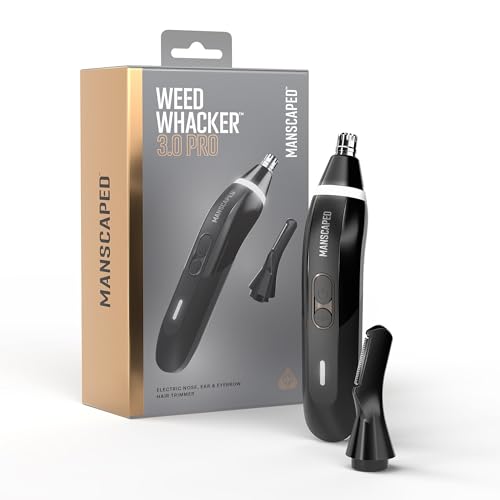
WEED WHACKER 3.0 PRO: Our third-generation electric nose hair trimmer for men includes a new SkinSafe eyebrow trimming attachment for precise detailing. Waterproof* design makes cleanup quick and easy—just rinse and go. *IPX7 rated to protect against immersion in up to one meter of fresh water for up to 30 minutes.

Precision & Safety R-Blade: Achieve a flawless trim every time with our body hair trimmer. The heat-resistant ceramic blades are sharp enough to glide through thick hair without pulling, while the skin-friendly R-shaped tips make this electric trimmer safe for even the most sensitive skin. It's the perfect grooming tool for detailing body hair, trimming various areas, and full-body grooming

MicroTouch Titanium TRIM is an at-home haircutting tool that shapes and trims your hair, and transforms into a full-body groomer