You’ll find brushless motors superior for all hair textures because they operate at 110,000 RPM with exceptional efficiency. They require just 1200W for fine hair and 1875W for thick hair—significantly less than traditional AC motors needing 1600-1800W. Brushless technology delivers consistent airflow, precise temperature control within ±1.5°C, and 70% faster drying with ionic enhancement. Their 20,000-25,000 hour lifespan outlasts brushed motors by tenfold. Understanding how wattage, airflow, and attachments work together reveals why this motor type dominates professional styling.
Why Brushless Motors Deliver Better Results Than AC and DC Motors
When you’re choosing a hair dryer motor, brushless technology stands apart from traditional AC and DC motors in nearly every performance metric. Brushless advantages include superior RPM capabilities—reaching 110,000 RPM versus 15,000–20,000 in conventional models—delivering consistent, powerful airflow that cuts drying time in half. Motor efficiency improves dramatically through electronic commutation that eliminates friction losses inherent in brushed designs. You’ll experience reduced noise at 74 dB without carbon brush vibrations, extended lifespan five to ten times longer, and minimal maintenance requirements. Similar to how premium grooming tools like the Remington Foil Shaver F5 incorporate advanced motor technology for optimal performance across different hair types, brushless hair dryer motors adapt seamlessly to varying conditions. Professional barbers recognize that blade sharpness and motor precision are equally critical for delivering consistent results with grooming equipment. The electronic control board regulates motor speed to optimize performance based on your specific hair texture and drying needs. The precise temperature control protects your hair from hot spots and thermal damage, while lower power consumption achieves better results at reduced wattage. These technical advantages make brushless motors the superior choice for excellent drying performance across all hair textures.

Salon-Speed Drying — 5x Faster Than Standard Dryers: 160,000 RPM brushless motor with 23m/s airflow gets mid-length hair from soaking wet to silky smooth in just 3 minutes. Outperforms basic drugstore dryers by 5x while delivering salon-quality results at home
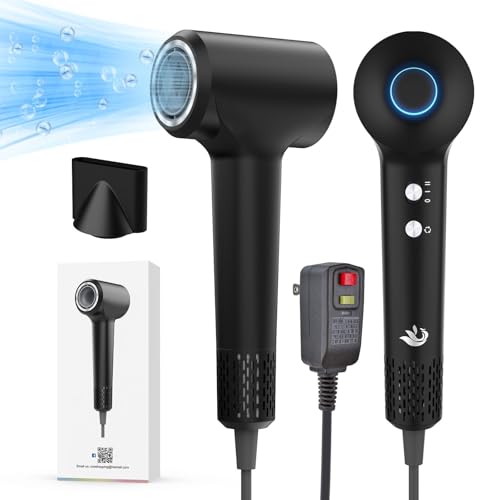
✅【High Speed Hair Dryer】KARFUN professional hair dryer equipped with a 110,000 RPM high-speed brushless motor that delivers wind speeds of up to 22 meters per second. It takes only 2-5 minutes to dry hair, faster than traditional hair dryers. Increases air speed for fast drying, reduces frizz, enhances shine, and reduces hair damage. Enjoy the comforts of a professional salon in the comfort of your own home
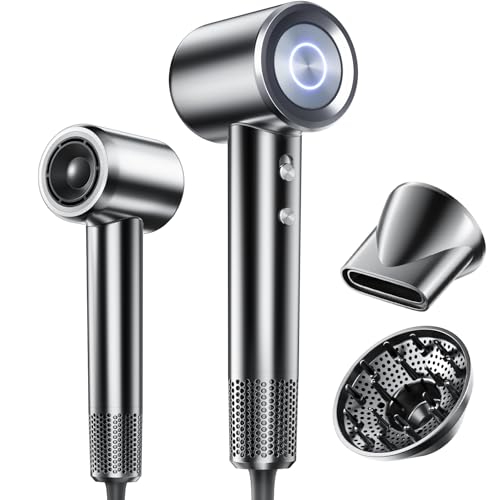
Fast Drying with 160,000RPM Brushless Motor & 1800W Power:Powered by a 160,000RPM brushless motor and 1800W high-performance power, this hair dryer delivers 36m/s airflow to help dry short hair in about 1 minute, medium-length hair in 2–3 minutes, and thick long hair in 3–5 minutes. Results vary by hair type, length, and environment. The extra-long 1.8m cord gives you flexible use in front of any mirror, by your bedside, or on the go.
Motor Speed vs. Wattage: Which One Actually Determines Drying Power
Why do some hair dryers with lower wattage ratings outperform higher-powered models? The answer lies in wattage efficiency and motor technology rather than raw power consumption.
High-speed digital motors operating at 100,000+ RPM deliver superior drying velocity using just 1200–1600W, while ordinary AC dryers need 1600–1800W for comparable results. You’ll notice that motor speed generates wind velocities of 20–70 m/s, whereas standard dryers produce only 12–17 m/s. Just as professional clippers require guide combs to establish proper baseline cuts and achieve smooth blending, hair dryers benefit from optimized motor engineering to direct airflow efficiently.
Wattage doesn’t equal airflow. Instead, motor engineering determines how effectively you evaporate and remove moisture. Higher wattage actually masks inefficient motor design. Similar to how razors offer superior closeness compared to electric shavers, the most effective grooming tools prioritize design efficiency over raw specifications. For everyday use, a wattage range of 1,600–1,900W is typically recommended to balance speed and safety for most hair types. When you prioritize motor longevity and efficiency over wattage numbers, you’re investing in genuine drying power driven by airflow velocity and volume, not consumption metrics alone.

【UPGRADED 3-LAYER PROTECTION FOR EXTENDED LIFETIME】 Say goodbye to sudden blowouts or hair dryer failures after just a few weeks. Engineered with a high-performance 160,000 RPM brushless motor, our ionic hair dryer features integrated motor-lock hair entanglement protection, NTC smart short-circuit sensors, and automatic airflow-blockage power reduction. This advanced system prevents overheating and premature motor burnout, ensuring reliable performance that outlasts traditional styling tools.

HIGH-SPEED DRYING, DIGITAL POWER: This high-speed hair blow dryer uses a digital motor to deliver powerful, controlled airflow for fine, thick, coarse, and long hair, helping reduce frizz and create shiny, polished blowouts—even on humid days. Unlike traditional hair dryers, it provides precision styling performance.

High-Speed Styling, No Compromise: This powerful hair dryer delivers ultra-fast wet-to-dry results with three smart styling attachments tailored to your hair type—ideal for women seeking quick, professional blowouts at home.
How Airflow and Heat Distribution Prevent Damage Across Hair Types
Because damage occurs when hair strands endure prolonged heat exposure, understanding how airflow velocity and heat distribution technology work together becomes critical to safeguarding your hair across all textures. High-speed motors generate 42 m/s wind speeds, dramatically reducing drying time compared to budget dryers operating at 18–25 m/s. This airflow benefit allows you to use moderate heat settings rather than extreme temperatures. Simultaneously, ceramic and tourmaline coatings maintain heat consistency by distributing thermal energy evenly across strands, preventing localized damage zones. SmartTemp™ technology maintains temperatures within ±1.5°C, compared to standard dryers fluctuating ±5–10°C. Regular maintenance and cleaning of motor components ensures sustained performance and optimal airflow delivery over time. The quieter operation at 76 dB noise levels also reduces user fatigue during extended styling sessions, allowing for better control and technique. Proper technique during use helps prevent common issues like folliculitis or infection that can occur with improper hair handling. Combined with ionic technology that preserves moisture content, these integrated systems protect delicate and textured hair by minimizing unnecessary heat exposure while maximizing drying efficiency.
Durability: Why Brushless Motors Outlast Traditional Designs by 10X
If you’ve invested in a quality hair dryer, you’re naturally concerned about longevity—and this is where motor architecture makes a decisive difference. Brushless motors deliver exceptional motor lifespan, reaching 20,000-25,000 operational hours compared to brushed designs‘ mere 1,500 hours. This tenfold advantage stems from eliminating physical brush-to-commutator friction, the primary wear mechanism in traditional motors.
Without brushes, you’ll experience zero maintenance requirements for component replacement or cleaning. Brushed motors demand periodic servicing as carbon dust accumulates and contacts degrade, necessitating costly downtime. The maintenance advantages of brushless designs translate directly to lower long-term ownership costs and uninterrupted performance across extended use cycles. Just as stropping requires consistent technique to maintain a sharp edge, brushless motor performance benefits from proper usage patterns. For optimal equipment performance, establishing a maintenance routine similar to professional grooming standards ensures your investment remains reliable. Engineers consistently prefer brushless motors for demanding applications due to their reduced maintenance needs and enhanced reliability over time. Electronic commutation runs cooler, reducing thermal stress and preserving internal components, ultimately justifying the initial investment through superior durability.

Ultra-Fast Drying: Powered by a 110,000 RPM brushless motor and 1875W heating system, this hair dryer generates a 65 m/s high-velocity airflow that cuts drying time by half vs. traditional dryers. Perfect for busy mornings, gym trips, or last-minute styling
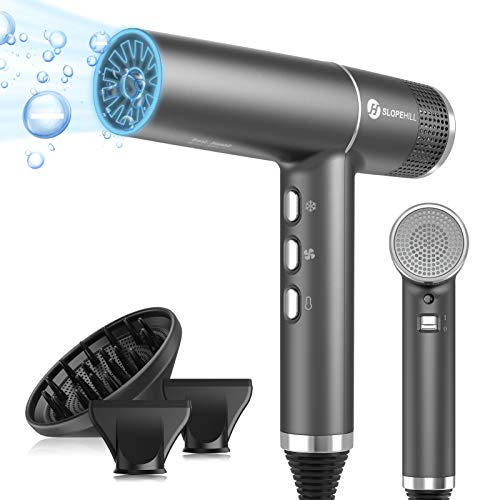
Brushless Motor + Aircraft Turbine Engine Modeling: The hair dryer is equipped with a self-developed unique 110,000 RPM high-speed brushless motor. The impeller adopts the aircraft turbine engine shaped, which helps to promote strong airflow and significantly improve the air output, making the air outlet wind speed up to 58m/s.

Ultra-Fast Drying: Aniekin hair blow dryer is equipped with a 110000 RPM high-speed brushless motor and the wind speed up to 26 m/s with strong airflow which can dry your hair in a short time and is 5x faster than traditional hair dryers
How Negative Ions Enhance Brushless Motor Performance
While brushless motors already deliver superior durability and efficiency, they’ve become even more powerful when paired with ionic technology. Negative ions break water droplets during the drying process, reducing your drying time by up to 70%. This ion-motor synergy works because brushless motors accelerate evaporation, drying your hair five times faster than traditional designs.
Beyond speed, negative ion benefits extend to hair health. The ions seal your hair cuticles, flattening scales and eliminating static caused by friction. This sealing mechanism traps moisture, reducing frizz across all textures while enhancing shine and hydration. NTC sensors in brushless systems maintain consistent ion output without overheating, ensuring your cuticles stay protected from heat damage. Positive ions from heat-styled hair typically carry higher charges that can lead to dryness and damage, making the protective benefits of negative ion technology even more essential. For precision grooming applications like eyebrow detailing, dual-protection cutter systems similarly combine multiple technologies to protect delicate facial hair while maintaining performance. Brushless efficiency combined with ionic technology creates measurable improvements in both drying performance and hair quality. Electric shavers with protective guards are especially beneficial for sensitive skin types, as they limit blade contact while maintaining grooming effectiveness.
Why Quieter Motors Reduce Hand Fatigue During Extended Styling
Extended styling sessions expose you to cumulative auditory stress that directly impacts hand fatigue and overall comfort. When you operate conventional hair dryers producing 80–90 dB, your body experiences physiological strain that extends beyond hearing damage. Noise-induced fatigue forces your muscles to work harder, intensifying hand fatigue during prolonged use.
Quieter motors employing brushless technology and sound-dampening components operate at notably reduced decibel levels, minimizing auditory stress on your system. This noise reduction directly decreases the physiological tension you maintain during styling, allowing your hands and arms to remain relaxed. Similar to specialized electric shavers designed with 6D floating heads, advanced motor design prioritizes user comfort during extended use. For optimal results, it’s important to follow proper technique guidelines such as pulling skin taut and using short strokes to maximize efficiency and comfort during styling sessions. By selecting hair dryers with advanced motor design and acoustic insulation, you’ll experience less cumulative strain, enabling extended styling sessions without the exhaustion associated with conventional, louder alternatives. Strategic intake baffle redesigns can reduce side noise by up to 2 dBA, further contributing to the overall quieter operation that supports comfortable, fatigue-free styling.
The Wattage You Need: 1200W for Fine Hair, 1875W for Thick Hair
Motor wattage represents the second pillar of motor selection, working alongside quieter operation to optimize your styling experience across different hair types. Understanding wattage implications directly impacts your results and hair health.
For fine hair guidelines, you’ll want 1200–1500 watts maximum. This range prevents damage prevention by minimizing excessive heat exposure while maintaining adequate drying speed. Lower wattage with adjustable settings gives you control over temperature. Pairing your fine hair dryer with heat protection spray will further shield delicate strands from thermal stress. Just as beard grooming requires mild beard shampoo to protect delicate facial hair, fine hair benefits from gentle product selection.
Thick hair standards demand 1875 watts or higher for efficient drying of dense strands. Higher wattage generates stronger airflow necessary for managing coarse textures and reducing frizz effectively. Similar precision in tool selection applies to personal grooming, where choosing products designed for sensitive skin types ensures optimal results without irritation.
The medium range of 1500–1800 watts accommodates most hair types, balancing drying speed with heat control. Selecting appropriate wattage guarantees you’re not overshooting your hair’s tolerance while achieving professional results consistently.
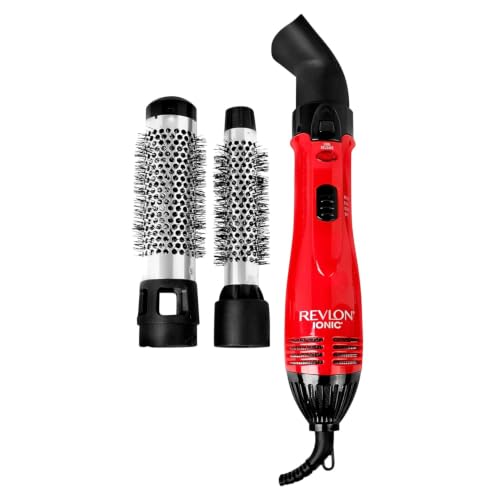
Ionic Technology: Gives you the power to create a salon-styled finish. Less frizz, for shiny, healthy-looking hair.

MINI HAIR DRYER: This hair dryer with folding handle offers 1200 watts of power in a compact size, 2 heat/speed settings for all hair types, plus dual voltage for worldwide travel.

Maintain Hair's Natural Moisture: Infrared Heat Technology helps prevent over-drying while supporting healthy-looking shine
Temperature Control Without Sacrificing Motor Power
Because high-powered motors generate substantial heat, you’ll need sophisticated temperature management systems to protect your hair while maintaining the airflow strength that thick, coarse textures require. Advanced closed-loop control systems continuously monitor exit flow temperature over 40 times per second, adjusting heater power dynamically based on real-time data. NTC sensors detect temperature changes within milliseconds, while a PID algorithm manages motor speed to deliver steady, efficient airflow without overheating. This precise temperature regulation keeps airflow below 150°C, preventing damage across all hair types. High-speed BLDC motors operating at 110,000 RPM generate powerful airflow without excessive heat exposure. Just as sensitive skin requires gentle care during pubic hair removal procedures, delicate scalp and hair also benefit from protective temperature controls during styling. Similar to how routine post-trim rinsing prevents buildup on grooming devices, consistent temperature management prevents heat damage accumulation on hair fibers. The motor’s position in the handle also improves weight distribution, reducing fatigue during extended styling sessions. Thermal security switches activate cold airflow if temperatures spike, ensuring your hair receives protective drying performance alongside motor power.
Choosing Attachments That Match Your Motor Power and Hair Density
How do you maximize your hair dryer’s performance? You’ll match your attachments to both motor power and hair density through strategic attachment compatibility.
For high-power motors (1875W+), you’ll need vented concentrator nozzles and wide-tooth diffusers that distribute intense 65 m/s airflow effectively across dense hair. These professional attachments enhance motor efficiency without creating bottlenecks.
Conversely, fine hair requires gentle diffusers and narrow concentrators paired with low-wattage DC motors (under 1500W). These attachments prevent tangling while improving volumizing lift.
Moderate-power dryers (1500-1875W) benefit from standard concentrators that control airflow precisely on average-density textures.
Mismatched attachments compromise motor efficiency—oversized nozzles restrict powerful airflow, while inadequate diffusers overwhelm delicate strands. Similar to how shaving requires holding at a 90-degree angle to skin for optimal results, hair drying demands proper positioning and attachment alignment for effectiveness. You’ll achieve the best drying speed and hair health when attachments align with your motor’s specifications and your hair’s density requirements.

2x Faster Drying: Powered by a robust 1875W motor and advanced aerodynamic design, this ionic hair dryer delivers high-speed airflow to dry your hair twice as fast. Spend less time drying, avoid overheating, and minimize damage—all while achieving effortlessly sleek results.

2x Faster Drying: Powered by a robust 1875W motor and advanced aerodynamic design, this ionic hair dryer delivers high-speed airflow to dry your hair twice as fast. Spend less time drying, avoid overheating, and minimize damage—all while achieving effortlessly sleek results

【2000W Voltage Converter for Travel】The ALLWEI 220V to 110V Voltage Converter is specially designed for travelers who need reliable power overseas. Delivers up to 2000W for high-power devices like hair dryers and kettles, plus 2 extra AC outlets (up to 200W) for low-power electronics such as laptops and straighteners. Note: 2000W port does not operate in the US when input voltage is 100–125V