You’ll need to wait at least 24 hours before shaving your face after Botox. This waiting period allows the neurotoxin to properly bond with your facial muscles. Shaving too soon can cause Botox migration, asymmetry, or drooping. Additionally, mechanical trauma from premature shaving may increase bruising, swelling, and infection risk at injection sites. When you’re ready to shave, use gentle techniques with electric razors designed for sensitive skin to maintain your results. Understanding what happens when you shave too early can help you avoid compromising your treatment outcomes.
The 24-Hour Rule for Shaving After Botox
Because Botox requires time to bond with muscle fibers after injection, you’ll want to avoid shaving for at least 24 hours post-treatment. During this critical window, the neuromodulator shifts from injection sites into surrounding muscle tissue, making it vulnerable to displacement.
Shaving techniques—particularly the mechanical action of blade strokes and razor pressure—can disrupt Botox integration and cause unwanted Botox migration to unintended muscles. The friction and micro-trauma created by shaving razors interfere with the settling process, potentially compromising treatment effectiveness. Following proper post-injection care guidelines helps ensure strenuous activities and friction are minimized during the initial healing phase. Much like using a wide-tooth comb to detangle delicate hair without damage, gentle techniques protect sensitive post-treatment skin. Proper blade maintenance, including disinfection with 70% isopropyl alcohol, ensures your shaving tools won’t introduce bacteria to vulnerable injection sites when you resume shaving.
Maintaining a hands-off approach during this 24-hour period protects both your results and skin integrity at puncture sites. After this timeframe passes, you can resume shaving with gentle techniques that minimize pressure and friction on treated facial areas.
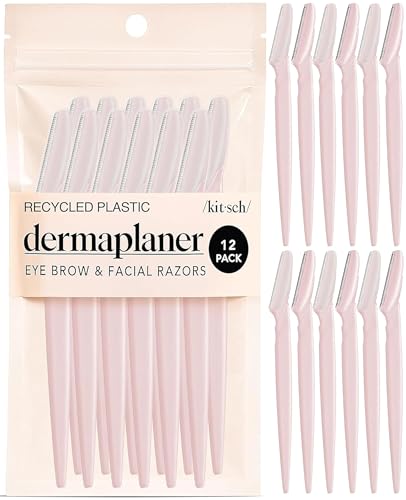
GENTLE EXFOLIATION & FACIAL HAIR REMOVAL: Achieve smoother, glowing skin with the Kitsch dermaplane razor for women face. This facial razor gently removes dead skin cells, peach fuzz, and buildup, helping improve skin texture and reveal a fresher, brighter look.
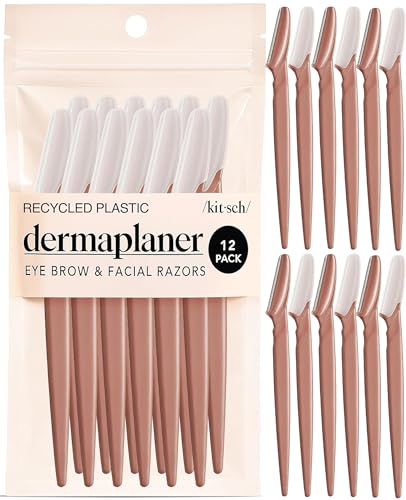
GENTLE EXFOLIATION & FACIAL HAIR REMOVAL: Achieve smoother, glowing skin with the dermaplane razor for women. Featuring 100% stainless steel blades, this facial razor gently removes dead skin cells, peach fuzz, and buildup, improving skin texture and revealing a fresher, brighter look. Perfect as a face razor or face shaver for women.
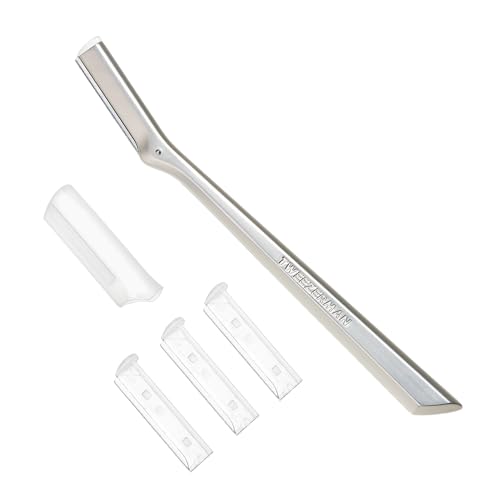
‘Allure Best of Beauty 2023 Winner’ - This facial razor provides easy removal of peach fuzz and gentle exfoliation of dull, dead skin.
Why You Should Wait Before Shaving Your Face
While the 24-hour waiting period protects your Botox settlement, understanding the specific risks of premature shaving helps you appreciate why this guideline matters. Shaving techniques involving razor friction directly threaten toxin placement by triggering migration to unintended facial regions, potentially causing temporary drooping or asymmetry. The mechanical trauma from shaving irritates injection sites, intensifying bruising and swelling—complications affecting 3.8% of treatments. Your facial care routine during recovery must exclude activities creating micro-abrasions, which increase infection risk. Traditional manual razors require proper lubrication products to prevent the blade from tugging and shredding skin during the healing process. For those with sensitive skin concerns during recovery, safety razors with protective guards can minimize additional irritation while shaving is permitted. Additionally, shaving-induced irritation can exacerbate headaches, reported in up to 9% of forehead treatments, and disrupt muscle relaxation patterns. Seeking treatment from experienced professionals ensures proper injection technique and minimizes the risk of improper placement. Early physical manipulation compromises your results while extending recovery duration. Postponing shaving guarantees ideal toxin distribution and minimizes neuromuscular complications occurring in 3.3% of injections.
Common Shaving Slip-Ups That Ruin Botox Results
Though you’ve committed to waiting before shaving, the manner in which you shave matters equally to timing. Your shaving techniques directly impact Botox placement and longevity. Pressing hard during strokes displaces the product to adjacent muscles, creating asymmetrical results or unnatural movement. Harsh razor strokes heighten skin sensitivity around injection sites, increasing irritation and redness.
Without proper preparation, you’ll experience razor burn and nicks near treated areas. Skip vigorous pre-shave routines that exacerbate vulnerability. Instead, use gentle, short strokes with minimal pressure and consider electric razors designed with ultra-thin foils that prevent direct blade contact with skin. Avoid shaving one week before injections and immediately after to prevent trauma and product migration. Your skin sensitivity demands deliberate, controlled techniques rather than aggressive approaches. Research on grooming injuries shows that aggressive shaving practices can cause skin irritation and other complications that compromise your results.
These precautions preserve your investment and maintain ideal aesthetic outcomes. Consult your practitioner about which gentle cleansing products are suitable to use during your recovery period, as harsh soaps can compound irritation at injection sites.
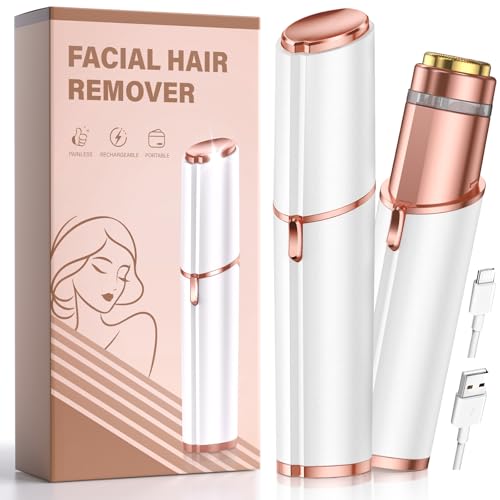
Precise & Effective Facial Hair Remover - Erase peach fuzz on lips, chin, neck, and cheeks effortlessly. Prep skin like a pro: gently rotate against hair growth direction before makeup for 3x better foundation adherence and 15-minute shorter routine.

Introducing a new way to shave: Flawless Nu razor dry shaver comes with a safety guard for sensitive areas, a cleaning brush and a USB charging cord.

60 Seconds Before Your Makeup — Glide this sonic dermaplaning tool over cheeks, upper lip and chin; peach fuzz and dull surface skin lift away in one pass. Foundation stops clinging to fuzz, serum sinks in instead of sitting on top, and skin looks lit-from-within. No salon, no wax, no stubble shadow.
Preparing Your Face for Safe Post-Botox Shaving
After your Botox injection, the first 24 hours are critical for establishing a proper healing foundation before you resume shaving. Your skincare routine should prioritize gentle cleansing with mild, hydrating products rather than harsh formulations. Pat your skin dry gently—avoid rubbing, which risks neurotoxin displacement. Incorporate pre-injection tips into your preparation by discontinuing exfoliating scrubs and chemical exfoliants one week prior to treatment. When you’re ready to shave after 24 hours, use an electric razor instead of manual blades to minimize pressure and irritation. Avoid depilatory creams and bleaching products entirely on treated areas. Light-touch application during your cleansing routine reduces the risk of disrupting Botox settlement and guarantees optimal results. Stay hydrated throughout the healing process to help reduce swelling and support your skin’s natural recovery mechanisms.
If You Shave Too Soon: Recovery Steps
If you’ve shaved within the critical 24-hour window following your Botox injection, you’ll need to take immediate corrective steps to minimize potential complications. Stop shaving immediately to prevent further disruption to your treatment results. Avoid touching, rubbing, or applying pressure to the treated area for at least 24 hours. Monitor closely for signs of Botox migration, including asymmetrical results or unexpected facial drooping. Discontinue harsh skincare products like retinoids and exfoliating scrubs for 48 hours to support skin recovery. Document the timeline and any adverse reactions to report to your physician. Limit physical activity and heat exposure, which increase blood flow and may worsen complications. Maintain proper hygiene and avoid additional cosmetic procedures for one week. Staying upright and avoiding lying down will help minimize the risk of product migration to unintended areas. Be aware that proper infection control practices are essential during the recovery period to prevent complications. Consider using a waterproof electric shaver with a gentle touch if you must shave during the recovery period, as it may reduce trauma to treated skin compared to manual razors. Contact your treating physician promptly if concerning symptoms develop.