You’re managing two distinct outcomes: accidental baldness from androgenic alopecia or medical procedures versus intentional shaving. The critical difference lies in perception. Research shows you’ll appear approximately 13% stronger and project greater confidence when you’ve deliberately chosen a shaved head—observers associate this choice with control and leadership potential. Conversely, unintended hair loss carries different social connotations. Your face shape, hair loss stage, and maintenance commitment greatly influence whether this aesthetic works for you, and understanding these variables will reveal your best approach.
Bald by Accident or Choice: What’s the Real Difference?
Why does baldness matter when it comes to how others perceive you? The distinction between accidental baldness and intentional shaving considerably influences social perception. Accidental baldness results from baldness causes including androgenic alopecia, medical procedures, nutritional deficiencies, or chemotherapy-induced hair loss. These involuntary conditions often appear less favorable than deliberate choices.
Conversely, you control shaving techniques to project confidence and dominance. A choice-driven shave signals intentionality, whereas progressive hair loss suggests vulnerability. Research demonstrates that shaved heads appear more dominant and stronger, yet only when you’ve made the active decision to shave. Maintaining a shaved head requires regular grooming to sustain this perception of intentional control. Many people report experiencing increased confidence from this deliberate choice compared to managing involuntary hair loss. Using quality tools like electric head shavers can make the maintenance process more efficient and comfortable.
At early balding stages, retaining hair typically looks better than allowing natural progression. However, once you’ve committed to shaving techniques and maintain regular grooming, you reclaim agency over your appearance, fundamentally altering how others perceive your baldness status. This active decision to shave can also reduce maintenance demands on your daily routine.
Does Your Hair Loss Stage Work for a Shaved Head?
When you’re considering a shaved head, your current position on the Norwood Scale fundamentally determines whether you’ll achieve an aesthetically cohesive result or simply expose patchiness and scalp irregularities. Early hair loss stages (1-3) don’t require shaving, as buzz cuts effectively manage recession without revealing contrast disparities. However, stages 4 and beyond demonstrate ideal shaved head suitability. At stage 4+, widespread bald patches and pronounced M-shaped recession make longer styles problematic, while a shaved head effectively conceals the horseshoe pattern by eliminating visual contrasts between thinning crown and denser peripheral hair. For maintaining a shaved head, products like head shavers for men offer close and consistent results across all stages of baldness. To achieve optimal results, applying shaving foam or gel and allowing it to sit before each pass helps reduce irritation and razor burn during the shaving process. Stages 6-7 particularly benefit from this approach, as the clean-shaven aesthetic provides uniformity and psychological control regardless of donor hair limitations, making it the most clinically viable option. The progression to advanced stages accelerates hair loss visibility, which underscores why accepting the shaved head solution becomes increasingly practical for those experiencing significant baldness.

7D Flexible Floating Head System: Multi-angle rotating heads adapt to head contours with rounded blade edges designed for skin comfort, featuring a larger shaving area compared to traditional rotary shavers based on internal laboratory testing compared to basic 7-head shavers

Magnetic Removable Design: Experience hassle-free maintenance with our innovative magnetic removable head system for bald head shavers for men. Simply detach the shaving head with one click, rinse under running water, and reattach in seconds. The advanced magnetic connection ensures secure attachment while enabling quick cleaning

All-in-One Grooming Kit: This 5-in-1 electric head shaver for men comes with 5 replacement shaver heads: smooth texture, hair trimmer, nose hair trimmer, massage brush, and cleaning brush. For better daily use, replace the head every 3 to 6 months. Our head shaver for bald men is powerful enough for daily need and delivers a fast, smooth shave
Why Others See You as More Confident (and Powerful)
Perception shifts dramatically when you shift from managing visible hair loss to embracing a deliberately shaved head. Research demonstrates that you’ll be perceived as noticeably more confident and powerful through this intentional choice. The confidence perception stems from the bold nature of your decision—you’re actively controlling your appearance rather than passively accepting baldness.
Your shaved head signals dominance and authority to others. Studies show you’ll be rated higher in leadership potential, influence, and masculinity. This power dynamics advantage occurs because observers interpret your shaved scalp as a confident assertion of control. You’re perceived as approximately 13% stronger and roughly one inch taller, despite no actual physical changes. For those managing other areas of grooming, electric trimmers offer safe alternatives to razors for avoiding irritation. The psychological shift from involuntary hair loss to deliberate styling fundamentally alters how others assess your confidence and authority. A shaved head also serves as a mental marker for new beginnings, allowing you to take control over hair loss anxiety rather than hiding it. This deliberate choice is perceived as more honest than attempting to conceal hair loss through alternative styling methods.

Gentle, No Irritation Grooming – Achieve a close and smooth trim without razor bumps. Perfect for eyebrows, bikini lines, peach fuzz, & facial hair; great for any area needing light hair removal

2-in-1 Multifunctional Hair Trimmer: Made of high quality stainless steel sharp blade, Yunmiss nose hair trimmer can effectively and comfortably remove unwanted hair from your nose, ears, eyebrows and face. To meet your different needs in a device implementation
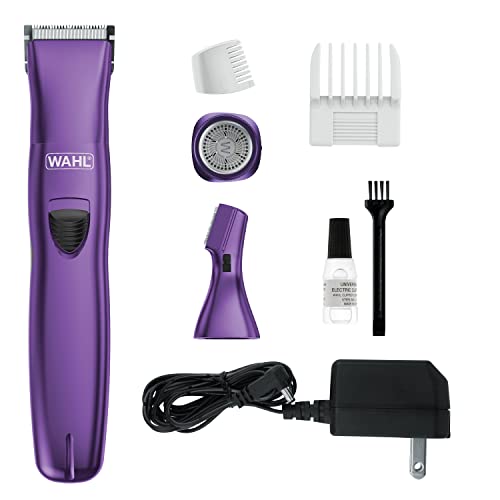
3 Grooming Heads - Trimmer for easy painless trimming, detail head for fine detailing, and rotary shave head for skin smooth finish
Will Your Face Shape Actually Suit It?
Does your facial geometry align with a shaved head aesthetic? Face shape compatibility determines how well you’ll pull off this look. Oval and round head shapes rank highest for bald styling, offering balanced proportions that require minimal adjustments. Square faces rank second, emphasizing strong jawlines and masculine definition—especially with short, defined beards at 5-10 mm.
Diamond shapes accentuate sharp cheekbones and angular features, potentially appearing overly chiseled. Consider softening elements or adding facial hair like a defined goatee. A well-groomed appearance combined with personal style can define the bald look uniquely and enhance your overall aesthetic. Maintaining a sharp look requires proper grooming tools, such as waterproof electric shavers for consistent, clean lines on bald or closely-cropped heads. For home grooming, cordless options with self-sharpening blades offer reliable performance for regular upkeep.
Triangle and rectangle shapes present challenges, as baldness widens foreheads and elongates faces. These head shapes benefit considerably from styling options including beards—ducktail styles add width to the jawline—or wider-framed glasses with round or oval shapes to balance angles.
Shaving Every Day: Time and Effort Breakdown
Three critical factors determine your head-shaving maintenance schedule: hair growth rate, skin sensitivity, and desired aesthetic. Your shaving duration remains minimal—typically five to ten minutes—since you’re targeting a smaller surface area than facial shaving. Proper skin preparation precedes each session: cleanse your scalp with warm water to soften hair follicles and open pores, reducing friction and irritation risk.
Daily shaving demands consideration of cumulative skin stress. While the procedure itself consumes negligible time, frequent blade contact triggers irritation, razor bumps, and ingrown hairs, particularly on sensitive skin. Electric shavers present a gentler alternative, distributing pressure more evenly and offering foils and gliding rollers that enhance comfort during regular use. For users seeking precise edge definition, specialized edge-up trimmers can help maintain clean hairline details between full head shaves. Most dermatologists recommend every 2–3 days for ideal scalp health, balancing maintenance demands against physiological recovery. Since average hair growth occurs at approximately 0.35 mm per day, your personal hair growth rate will significantly influence how quickly stubble reappears after shaving. Your individual hair density and genetic factors ultimately dictate the ideal frequency for your specific needs.

FAST, SMOOTH HEAD SHAVE IN MINUTES: Shave your entire head in under 2 minutes with 5 Dual Track rotary blades designed for maximum coverage and fewer passes. Get a fast, even, barbershop-smooth result at home.

SMOOTH SHAVE - Experience the number one benefit of this electric razor for men: a smooth shave. This high-quality electric shaver is designed for wet or dry use, with or without shaving cream. Its waterproof construction makes it extremely durable and shower-safe, perfect for grooming your head, body, and sensitive areas. The cordless design and long battery life, charged via rapid USB, provide ultimate convenience for travel.
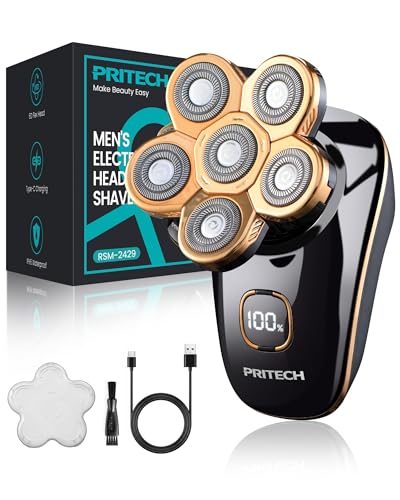
Fast & Efficient Shaving:Can you shave your head in just a few minutes? Absolutely. With 6 floating rotary heads and a powerful motor that captures more hair with each pass, this head shavers for bald men quickly delivers a smooth, bald look — without multiple strokes
What a Shaved Head Actually Costs (Beyond Razors)
While maintaining a shaved head demands minimal time investment, the financial calculus extends beyond blade expenses. Your annual shaving costs depend on equipment selection: electric shavers require $151 initially, then $16 bi-yearly for replacement heads, yielding $0.65 per shave. Manual razors cost approximately $101 yearly across blades and cream. Beyond razors, maintenance expenses include scalp care products—specialized cleansers replacing traditional shampoos and conditioners. You’ll eliminate styling tools, hair products, and frequent salon visits entirely. Long-term analysis reveals electric shavers prove economically superior after year one, requiring only periodic head replacements. The adjustment period for transitioning to an electric shaver typically spans approximately three weeks, during which users acclimate to the device’s performance and technique. For best results during this learning phase, remember to hold the razor at a 90-degree angle with a light grip to prevent irritation. Working in steady strokes from the sides upward ensures even coverage and minimizes scalp irritation. Consider this against hair restoration alternatives: transplants ($4,000–$15,000), micropigmentation ($1,600–$5,000), or annual hair systems ($8,000). A shaved head represents the most cost-effective aesthetic option available.

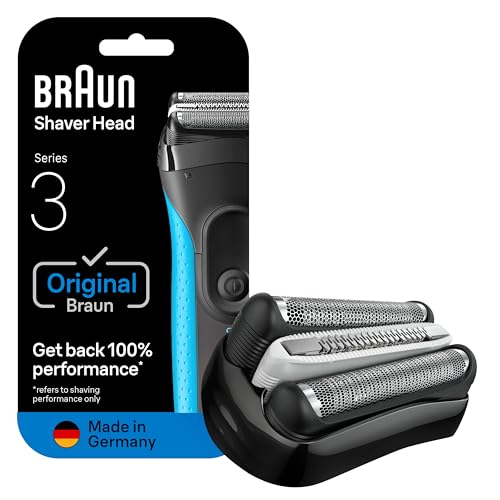
[Fit Model] - This 5-head blades for shaver, shaving kit head shaver for bald men, head shaver kit

7D Floating Electric Razor Head: This upgraded 7D floating bald shaver head has a larger contact area with 360°shaving can easily perfectly fit the contours of your face, head, neck and chin, providing you a smooth and comfortable experience. Mark: Not fit pitbull skull shaver.
Your First Shave: When and How to Start
Timing your first shave hinges on observable physiological markers rather than age alone. You’ll notice darkened, coarser facial hair replacing soft peach fuzz—typically between ages 14-17 for most males. Assess whether growth appears uneven or patchy; this indicates sufficient density for effective shaving.
Preparation proves critical. Shower immediately before attempting your first shave; warm water hydrates and softens hair, reducing pressure requirements and cut risk. Apply minimal pressure while using proper shaving techniques, directing the razor along hair growth patterns to prevent razor burn. Start with your mustache if you’re not ready for full-face coverage. Using a quality razor minimizes discomfort and reduces the likelihood of nicks during your initial shaving experience.
Aftercare matters equally. Moisturize immediately post-shave to prevent irritation. Establish a consistent routine, monitoring for adverse skin reactions before progressing to frequent shaving schedules.

Great Value Complete Shaving Kit Contains 8 Shaving Essentials: This men`s shaving kit is your one stop station wet shave set with every pieces you need! INCLUDED: Double Edge Safety shaving Razors for men with 10 replacement blades, Shaving Brush and Bowl, Sandalwood Pre-Shave Oil, Shaving Cream, AfterShave Balm & Shaving Apron Bib. Razor head fits most standard double-edge blades, making replacements easy and affordable.8 Shaving Essentials will bring you the most comfortable experience on your daily shaving

HARRY'S TSA APPROVED ORIGINAL SHAVE KIT FOR MEN: Includes a Harry's Truman razor handle, five razor blade refills, Harry's Foaming Shave Gel, and a travel blade cover, making it a perfect addition to your TSA approved toiletry bag; Designed for your face, and not recommended for head shaving

COMPLETE MEN'S SHAVING KIT: The Gentleman Jon Shaving Kit for Men is a comprehensive set that includes a safety razor, badger hair brush, alum block, shave soap, stainless steel bowl, shaving stand, canvas & leather dopp kit, and five razor blades - everything needed for a luxurious, comfortable and smooth wet shave experience. With its compact design, our product is also a suitable travel companion to those who value traditional shaving, ensuring a neat shave even while on the go.