You’ll achieve a denser, fuller beard by skipping the razor on your neck entirely. Shaving removes hair follicles that’d otherwise contribute greatly to your overall beard volume and thickness. Neck hairs stimulated by DHT can markedly boost fullness. Plus, you’ll avoid razor burn, ingrown hairs, and skin irritation that plague sensitive neck skin. Instead of shaving, maintain a clean neckline using proper trimming techniques and strategic grooming to preserve every follicle while keeping your beard looking intentional and well-defined.
Shaved or Natural: How to Choose for Your Beard Type
How you shape your neckline depends primarily on your beard’s natural growth pattern and your face shape. Your trimming techniques should align with your specific beard style to enhance facial structure.
If you’ve got a square face, you’ll want an inverted U-shape that maintains strong jawline definition without appearing weak. For oval or round faces, a soft U-shape from your central neck point to your ears works best, defining your jawline while preserving fullness.
Triangular beard shapes benefit from a U-shaped neckline with rounded corners, preventing bulk from dominating your lower face. Short beards require a tight, clean line just above your Adam’s apple using the two-finger rule. Longer beards allow you more flexibility—extend slightly onto your neck for a seamless shift without creating awkward visible lines. For optimal results, consider using a quality electric shaver with 360° flex heads that can adapt to your neck’s contours. Regular clipper maintenance ensures your trimming tools stay sharp and properly aligned for clean, precise neckline work. Always shave with the grain to minimize irritation and achieve the cleanest results possible on your neck shaping.
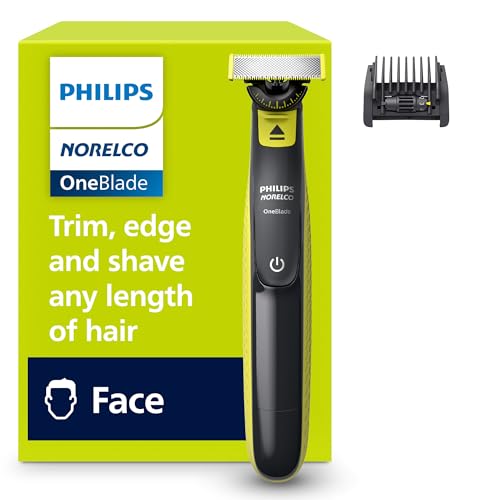
OneBlade Technology: Fast-moving cutter moves 12,000x/min on longer hair; the Dual Protection system with glide coating and rounded tips supports a more comfortable shave
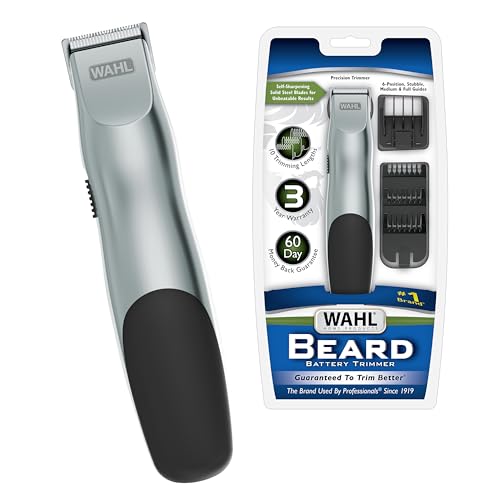
Precision Ground Blades – Our high-carbon precision-ground blades stay sharp longer, use in conjunction with our six-position beard regulator for multiple beard trimming lengths; Our beard guards vary in length from stubble to short and clean, to thick and even

360 Extreme Visibility – Exposed skeleton trimming head design provides a clear line of sight during use to achieve clean and crisp precision lines.
Why Shaving Causes Razor Burn and Ingrown Hairs
While you’re shaping your neckline, you’ll want to understand the mechanics behind why shaving often results in razor burn and ingrown hairs. Razor burn causes stem from inadequate skin lubrication and blade dullness. When you shave without proper hydration, moisture loss increases friction between your razor and skin surface, triggering irritation. Dull blades compound this problem by stretching and tearing hair rather than cutting cleanly, which intensifies inflammation.
For ingrown hair prevention, avoid shaving against hair growth direction and applying excessive pressure. These techniques cut hair below the skin surface, allowing sharp edges to pierce surrounding skin upon regrowth. Dull blades particularly contribute to this issue. Frequent or aggressive shaving practices can increase vulnerability to infections and complications, making trimming a safer alternative for some men. Using fresh razor blades with anti-friction technology reduces skin dragging and minimizes irritation during the shaving process. The characteristic red, irritated patches that develop after shaving can appear within minutes and persist for hours to days if proper aftercare is not applied. Your shaving technique directly determines whether you’ll experience these painful complications when maintaining your neckline.
Skip the Razor: Why Not Shaving Gives You a Fuller Beard
Skipping razor contact on your neck transforms how your beard develops by preserving every available hair follicle. You’ll notice significant improvements in beard density when you retain unshaved neck hair, which provides essential structural support during your growth timeline. Rather than removing sections of facial hair, you’re maximizing total hair retention across your entire beard.
Your neck follicles contribute meaningfully to overall fullness. Many men find that their neck area responds particularly well to DHT hormone stimulation, making this region naturally favorable for robust growth. By allowing these hairs to remain untouched, you’re revealing your genetic potential without artificial manipulation. Avoiding repeated blade contact prevents skin irritation and razor burn that can compromise follicle health. Regular maintenance with quality beard wash and beard oil will support healthy growth during this process. For those who do choose to maintain neck lines, Philips electric shavers offer precision grooming options that minimize skin irritation compared to traditional razors.
This approach eliminates constant blade contact while maintaining consistent growth rates. You’ll develop a noticeably thicker, more substantial beard foundation that shapes naturally according to your body’s predetermined patterns.

Unlock Fuller, Healthier Facial Hair: Infused with 3X biotin for deeply nourishing and strengthening facial hair, preventing shedding while revitalizing and improving the appearance of weak and damaged hair, achieving a fuller, thicker and healthier beard while softening coarse strands. Castor oil can stimulate blood circulation around follicles, delivering vital oxygen and nutrients to wake dormant follicles

Black Jamaican Castor Oil For Hair Growth & Beard Growth: Our amazing 99% natural Jamaican Castor Oil blend is both a beard and hair oil that provides a boost to overall hair growth, while it works to increase natural, healthy hair growth and thickness.

Locate Your Neckline Correctly
Where you position your neckline dramatically impacts your beard’s overall appearance and longevity. You’ll find your natural neckline by standing straight with your head forward, then inserting a straight tool into your jaw-neck crease. Lift your chin slowly to reveal the clean trim line across your neck.
Your neckline’s importance lies in maintaining beard symmetry and a polished look. Position it one to two finger-widths above your Adam’s apple, depending on beard length. For beards under 3mm, use the one-finger rule; longer beards warrant two fingers. A blurred neckline due to stubble can undermine the clean appearance you’ve worked to achieve. Using a quality shaving soap with exceptional slickness helps ensure clean, precise lines when trimming your neckline. For those preferring alternatives to shaving, trimming with disinfected scissors offers a quick and low-risk way to maintain your neckline shape.
Visualize a U-shaped curve from earlobe to earlobe, keeping the line horizontal at center and curving upward toward your ears. This approach guarantees proportional balance and prevents awkward thin lines that undermine your beard’s fullness.

Hand Crafted in the USA


ZERO BEARD TRIMMINGS AROUND SINKS: Mat's Beard Bar is the quickest and most effective way to clean beard trimmings and beard hairs from sinks and counters after a man shaves.
Match Your Neckline to Your Face: Defined or Soft
Your face shape determines your neckline strategy. If you’ve got a round face, a square neckline adds sharpness to your soft bone structure. This defined neckline creates contrast and elongates your appearance.
For square faces, you’ll want less hair on the neckline to keep things trim and highlight your jawline. A defined neckline works well here.
Oval faces benefit from either approach since balanced proportions suit most styles. Rectangular faces need a defined neckline to square and shorten features without extending vertically.
Triangular or heart-shaped faces require a low, soft neckline to lessen your pointed chin appearance. This soft approach adds necessary weight to your lower face, creating better balance with your wider forehead. Close sideburns to face help balance proportions effectively when working with a softer neckline aesthetic. For precise neckline shaping, consider using foil shavers which deliver close, nick-free shaves ideal for defining your neck area. Electric razors designed for sensitive underarm areas can also be repurposed for careful neckline grooming with their precision blade technology.
Maintain Your Neckline: Daily Grooming and Timing
Once you’ve established your ideal neckline based on your face shape, you’ll need a consistent grooming routine to keep it sharp and clean. Begin neckline maintenance once your beard exceeds 3mm in length. Allocate at least 15 minutes uninterrupted for initial trims, working cautiously to avoid mistakes.
Your grooming routine should include daily combing to guarantee hairs lay naturally. Check and adjust your neckline daily as growth occurs for a tidy appearance. When trimming, start from the middle above your Adam’s apple, working outward along the curve. Stretch your neck skin with one hand while trimming with the grain using a longer guard first for a faded look. For the closest neckline results, consider using a foil shaver which maintains a slight edge in closeness compared to rotary options. Contrary to common misconceptions, shaving your neckline will not cause hair to grow back thicker or darker, as trimming only cuts the hair shaft without affecting growth rate or density. A well-defined neckline can complement various beard styles and enhance your overall appearance. This consistent approach maintains definition and prevents unkempt appearance during beard growth phases.
Troubleshooting: Irritation, Ingrown Hairs, and Recovery
Because your neck’s skin is thinner and more sensitive than other facial areas, you’re prone to irritation when shaving—including razor burn, rashes, bumps, and nicks. Blunted blades and poor hygiene intensify these issues, while cross-contaminated tools introduce bacteria and fungi.
To achieve irritation relief, apply beard oil immediately after shaving to soothe your skin and prevent razor burn during regrowth. For ingrown prevention, avoid frequent shaving in the curved throat area where nicks commonly occur. Allow 4-8 week growth check-ins to assess regrowth progress. Keeping neck hair well-trimmed is essential to avoid unkempt appearances and contamination. Define your neckline with precision to maintain clean lines while minimizing irritation in this sensitive area. When shaving your neck, use short controlled strokes with minimal pressure to reduce skin damage and irritation.
Shaving doesn’t damage whisker health—your hairs regrow at the same speed and thickness. However, neck hairs grow faster than chin hairs, so trim periodically for even recovery and balanced beard development.