You can use shave oil as body oil, but it’s not ideal for daily moisturization. Shave oils prioritize friction reduction over sustained hydration and require damp skin for proper absorption. They’ll feel greasy on dry skin and won’t deliver the extended moisture that dedicated body oils provide. While suitable for post-shave application on sensitive skin, you’ll likely need frequent reapplication in dry climates. The specifics of when shave oil actually works as a body moisturizer depend on your skin type and application technique.
The Short Answer: Yes, But With Caveats
While shave oils can deliver moisturizing benefits to your body, you’ll want to apply them differently than you’d use traditional body oils. Shave oil benefits stem from nourishing ingredients like plant oils, shea butter, and vitamins that hydrate skin effectively. However, their application techniques differ greatly from standard body oils. You’ll need damp skin for ideal absorption rather than dry skin. Apply shave oils to slightly wet areas after warm water preparation to maximize penetration. This moisture-dependent approach guarantees proper hydration and barrier formation. Shave oils are formulated with natural ingredients that make them particularly suitable for individuals with sensitive skin due to fewer harmful chemicals present in their composition. Much like how dermatologists recommend single-blade safety razors for reducing skin irritation and ingrown hairs, choosing gentle shave oils can also minimize potential adverse reactions. Like choosing the right hairstyle for your face shape, selecting the appropriate oil for your skin type requires understanding your unique needs. While you can use shave oils as body oils, success depends on following correct application techniques and understanding their lightweight formulation wasn’t designed for heavy moisturization alone.
Why Shave Oil Isn’t Quite the Same as Body Oil
Though shave oils share moisturizing ingredients with traditional body oils, they’re formulated with distinctly different priorities that affect their performance outside the shaving context. Shave oil benefits center on friction reduction and razor glide rather than sustained skin nourishment. Their thinner consistency prioritizes lubrication during wet shaving but lacks the emollient depth body oils provide for all-day wear. Body oil differences become apparent in application: shave oils require rinsing post-shave, while dedicated body oils absorb and remain on skin. You’ll notice shave oils may feel greasy when applied dry or used liberally across your body, since they’re engineered for damp environments. Their formulation targets temporary protection during shaving, not extensive moisturization, limiting their effectiveness as standalone body care. Similar to how clipper oil maintains blade performance, shave oils are specifically designed to create a protective barrier for smoother shaving experiences rather than to serve as comprehensive body moisturizers. For those seeking specialized grooming solutions, skin-friendly tools like dedicated trimmers may offer better results than alternative products for sensitive areas.
Which Skin Types See the Best Results
Skin type fundamentally determines how effectively you’ll use shave oil as body oil, since formulation priorities don’t align uniformly across dermatological profiles. If you have dry skin, you’ll experience substantial skin benefits from shave oil’s emollient-rich composition featuring shea butter and argan oil, which enhance oil absorption and moisture retention. Sensitive skin types also respond favorably, gaining soothing plant oils that reduce irritation without greasiness. Oily skin presents challenges—while shave oil provides adequate lubrication, its hydrophobic properties may impede absorption and leave residue. Combination skin adapts reasonably well to multi-use formulas balancing hydration with barrier repair. Acne-prone skin requires caution; though sunflower and castor oils offer anti-inflammatory benefits, you’ll need to monitor oil absorption carefully to avoid clogging pores and triggering breakouts. The preservatives in formulations like phenoxyethanol help maintain product integrity, ensuring the oil remains effective throughout its shelf life without degradation that could compromise its suitability for any skin type.
When Shave Oil Works Well Enough as a Daily Moisturizer
Once you’ve identified your skin type’s compatibility with shave oil, you can evaluate whether it’ll serve as an effective daily moisturizer for your specific needs. Shave oil benefits extend beyond razor preparation when you consider its absorption qualities and moisturizing duration. The oil-based formula penetrates deeper than conventional lotions, delivering up to 24-hours of hydration through meadow foam seed oil and natural oils like jojoba and almond. The non-greasy formula ensures that you won’t experience messy residue or a heavy feel on your skin throughout the day.
However, body oil comparison reveals important distinctions. While shave oil provides adequate daily moisturization for most skin types, its protective barrier properties primarily target post-shave application. Similar to how ergonomic grip enhances the functionality of grooming tools, the application technique and product choice significantly impact your skincare routine’s effectiveness. For optimal results, consider using tools with wet/dry versatility that allow you to apply shave oil in various conditions. If your skin tolerates oil-based products well and you prefer lightweight, fast-absorbing formulas, shave oil can replace your daily moisturizer. Otherwise, reserve it specifically for post-shave use to maximize its intended benefits.
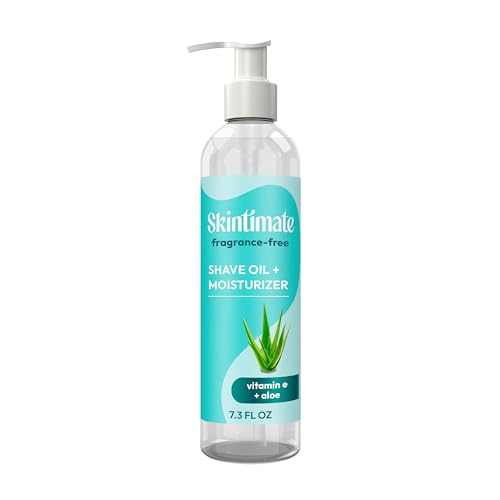
AWARD WINNING 2-in-1 SHAVE OIL – Skintimate shaving oil for women protects + softens skin. Can be used as shave prep & as a post-shave moisturizer for 24-hour moisturization.

DAILY HEAD AND FACIAL MOISTURIZER: Protect, enrich, and experience vibrant, healthy skin. Our men's face lotion is specially formulated to tone and hydrate for unbelievably smooth, incredibly soft skin day in and day out.

Intensive Scalp Moisture: Delivers long lasting moisture to relieve dryness and flaking while helping improve overall scalp comfort, softness, and appearance for a healthier looking scalp
Where Shave Oil Falls Short as a Standalone Product
While shave oil can temporarily hydrate your skin during and immediately after shaving, it falls short as a standalone moisturizer for extensive body care. You’ll encounter significant shave oil limitations when applying it beyond targeted shaving areas. The lightweight plant oils—hemp seed, safflower—evaporate rapidly on damp skin, providing minimal barrier protection against environmental irritants. Without the shaving context, these formulations risk clogging pores on acne-prone areas and causing tugging sensations on unshaved skin due to mismatched viscosity.
This represents a common skincare myth: that pre-shave oils function as thorough body moisturizers. They don’t. Unlike dedicated body oils containing thicker emollients and nutrient-dense ingredients, shave oils prioritize razor glide over sustained hydration, whereas safety razors with single sharp blades require less product buildup for effective use. Dedicated body oils typically include calming ingredients like those found in quality aftershave products, which provide additional skin soothing benefits beyond basic moisture. For optimal scalp and skin health, daily moisturization with products specifically formulated for your skin type ensures consistent hydration and protection. You’ll need reapplication multiple times daily, especially in dry climates, making them impractical for full-body skincare routines.
How to Apply Shave Oil for Maximum Post-Shave Hydration
Now that you understand shave oil’s limitations as a full-body moisturizer, you’ll want to maximize its actual strength: delivering post-shave hydration to freshly shaved areas. The application methods matter greatly for ideal shave oil benefits. After rinsing with cold water to close pores, leave a residual oil film on your skin rather than removing it completely. Pat skin dry gently—don’t rub—to preserve the protective barrier. This hydrophobic layer sustains moisture retention considerably longer than conventional aftershave products. The emollient properties reduce razor bumps and ingrown hairs while keeping skin conditioned. Our formulation contains Pure Argan Oil, Organic Sunflower Oil, Organic Almond Oil, and Organic Jojoba Oil that replace natural lipids lost during shaving for enhanced skin softness. However, avoid over-application; excess oil creates a greasy residue rather than protective coating. Precision application to shaved zones ensures maximum efficacy without compromising adjacent skin areas. For optimal results, incorporate natural soothers like tea tree oil or vitamin E into your post-shave routine alongside quality shave oil products. For best results, ensure your razor blades maintain proper blade tension to prevent irritation that shave oil must then soothe.


MULTI-PURPOSE SKIN CARE ESSENTIAL: This lightweight dermaplane oil supports multiple skincare routines—from prepping your face for smooth hair removal to hydrating daily as a face moisturizer. It also doubles as a shave oil, helping blades glide effortlessly while nourishing the skin.

NOURIA Pre-Shave Elixir Oil contains HydroLock, meticulously formulated with concerted mix of 12 botanical and organic essence and extracts that are rich in deep-hydrating and long-lasting moisturization properties. It further fortifies your intimate skin for maximum moisture retention and prevents moisture loss. Nourishing areas normally forgotten or unnoticed. It reduces ingrown hair, razor burn, razor bump, itchiness and other irritations commonly associated with shaving.
Layering Shave Oil With Moisturizer and Other Products
To maximize hydration benefits, you’ll want to layer shave oil strategically beneath your moisturizer rather than applying products randomly. This layering technique leverages oil absorption rates, allowing the lightweight shave oil to penetrate first while creating a protective barrier that locks in subsequent moisturizer benefits.
Apply shave oil to damp skin immediately post-shave, then follow with your moisturizer within minutes. The oil’s nourishing plant compounds won’t interfere with heavier creams—instead, they’ll amplify the moisturizer’s conditioning effects on compromised skin. This combination minimizes irritation and extends hydration retention considerably longer than moisturizer alone. For optimal results, consider adding glycerin to improve slickness and comfort during the shaving experience itself. High-quality non-aerosol shaving creams or soaps provide superior lubrication and protection without excessive foaming that can hinder visibility during your shave. For individuals with limited dexterity or arthritis, selecting products with accessible application methods can enhance the shaving routine’s comfort and ease.
Avoid reversing this order; moisturizer applied first blocks oil absorption. For sensitive skin types particularly, this strategic layering reduces razor burn while delivering enhanced slip and protection during your shaving routine.

VANILLA SHAVE OIL: Moisturizing shave oil helps prevent irritation, nicks, and cuts from shaving and provides ample skin hydration; Warm, creamy vanilla scent with notes of sandalwood and coconut cream

SHAVE OIL: Prepares the skin for shaving. May be used under shave cream or gel.

2-in-1 SHAVE PREP & POST-SHAVE MOISTURIZER – Skintimate shaving oil for women protects + softens skin, and can be used as an after shave oil for 24-hour moisturization
Best Body Oil Alternatives to Shave Oil
Strategic layering maximizes your current shave oil’s effectiveness, but you’ll benefit from knowing alternatives that perform comparably or better for body application. When evaluating product comparisons, prioritize formulations addressing sensitive skin concerns. Trumpers Skin Food delivers dual functionality as both pre-shave and body oil, eliminating redundant purchases. Prorasso pre/post shave products offer multi-use versatility at lower costs than premium brands. Baby oil provides an economical, readily available substitute despite inferior performance metrics.
For enhanced results, consider Domepeace Pre Shave Oil, which delivers clean glide with minimal residue. Mountaineer Brand and Bevel present viable alternatives outperforming traditional options in specific applications. Just as beard trimmers for sensitive skin require careful selection to avoid irritation, body oil products formulated without common preservatives reduce the risk of allergic reactions in individuals with fragile skin barriers. Specialized razors designed with anti-irritation barriers similarly protect sensitive skin during grooming routines. SkinSAFE-approved coconut-free and talc-free designations guarantee compatibility with reactive skin types. These evidence-based alternatives accommodate various sensitivities while maintaining superior efficacy for body care routines.

100% Organic Jojoba Oil: Yoken jojoba oil is proudly USDA Certified to meet the most rigorous standards and ultimate quality, cold pressed from responsibly grown organic jojoba seeds, extra virgin, and unrefined. Single Ingredient Oil, Chemical Free

100% Pure & Natural Jojoba Oil: Yoken jojoba oil organic is cold pressed from natural jojoba seeds, extra virgin, and unrefined. Single Ingredient Oil, Chemical Free, Alcohol Free, Parabens Free, Hexane Free, and Cruelty-free

CONDITION DRY, ROUGH SKIN: 6.7-fluid ounces of Aveeno Daily Moisturizing Dry Body Oil Mist with oat oil and jojoba oil to moisturize and condition dry, rough, sensitive skin. The body spray supports the skin barrier and provides long-lasting hydration