You’ll want to evaluate your Norwood hair loss stage first—buzz cuts suit stages 1-2, while shaved heads work better for stages 3-5. Consider your maintenance commitment: buzz cuts need 5-10 minutes weekly, whereas shaved heads demand 10-15 minutes every few days. Factor in your desired aesthetic and how others perceive each style. Climate and lifestyle matter too—shaved heads offer better cooling but require sun protection. The right choice aligns your hair loss progression, grooming capacity, and personal brand identity into one strategic decision.
What’s Your Hair Loss Stage?
Understanding where you fall on the hair loss spectrum is essential before deciding between a buzz cut and a shaved head. Hair loss types range from mild recession to extensive baldness, each requiring different styling considerations.
If you’re experiencing Norwood Stage 1-2, you’re seeing minimal recession and retain most of your hair. Prevention methods like finasteride and minoxidil work effectively at this stage. A buzz cut maintains your natural appearance while concealing early thinning. Proper maintenance of your grooming tools through regular cleaning and maintenance helps preserve their effectiveness over time. The Norwood Classification, published in 1975 by Dr. O’tar Norwood, remains the most widely used system for categorizing male hair loss patterns. It’s important to note that hair regrowth after cutting occurs at a consistent rate of about half an inch to one inch per month, regardless of how short you cut it.
Stages 3-5 show significant frontal and crown loss. Here, a buzz cut becomes increasingly impractical, while a shaved head provides a polished, intentional look that eliminates visible thinning patterns.

Cordless Design: The cordless design allows you to be unrestrained during the trimming process, you could groom your pets anywhere. No need to worry about the entanglement of wires, improving the convenience of operation, it is an ideal choice for home and professional pet grooming.

𝐃𝐨𝐠 𝐂𝐥𝐢𝐩𝐩𝐞𝐫𝐬 𝐟𝐨𝐫 𝐆𝐫𝐨𝐨𝐦𝐢𝐧𝐠 𝐟𝐨𝐫 𝐓𝐡𝐢𝐜𝐤 𝐂𝐨𝐚𝐭𝐬: Dog clipper with a stainless steel detachable metal blade is specially designed for grooming thick coats. It is firmer, easier, and faster than ceramic ones when grooming thick and matted hair. The 6800 rpm motor works better for thick coats by reducing the possibility of pulling hair, and it can truly realize rapid shaving.

Cordless Convenience – Color Pro Cordless is rechargeable and wireless. Cord/Cordless allows you to use the clipper on battery or when it's charging.
How Much Maintenance Can You Handle?
Maintenance demands represent an essential differentiator between buzz cuts and shaved heads, and your lifestyle compatibility with either option will greatly influence your satisfaction long-term.
Your time commitment directly impacts which style suits you best. Buzz cuts require 5-10 minutes weekly or bi-weekly, making them ideal if you’ve got limited grooming bandwidth. Shaded heads demand 10-15 minutes every few days, substantially increasing your routine’s frequency. To keep your clippers in optimal condition, regular clipper oiling maintains blade performance and extends equipment life. For multi-user households, remember that proper disinfection between uses ensures hygiene and safety when sharing grooming tools.
Consider your personal preference regarding daily attention. Buzz cuts eliminate styling entirely and allow flexible timing between trims. Shaved heads necessitate consistent maintenance to prevent stubble and maintain that polished appearance. Sun protection becomes critical with shaved heads since daily sunscreen is required to prevent damage.
Evaluate your tool accessibility too. Buzz cuts need only an electric trimmer, while shaved heads require razors, blades, cream, and aftercare products. If you prioritize simplicity and minimal upkeep, buzz cuts deliver superior convenience. If you’re willing to invest regular effort, shaved heads offer refined aesthetics.

CORDLESS&CORDED TCMKY Hair Clippers for men can be with cord or cordless which is super convenient for self cutting. USB charging 3Hours One full charge Last up to 200 minutes of use.When the power of the hair cutting kit is used up This hair clippers for men supports plug and play.When charging The charging capacity can be seen from the display.When the power in the display screen is 100% unplug the power cord
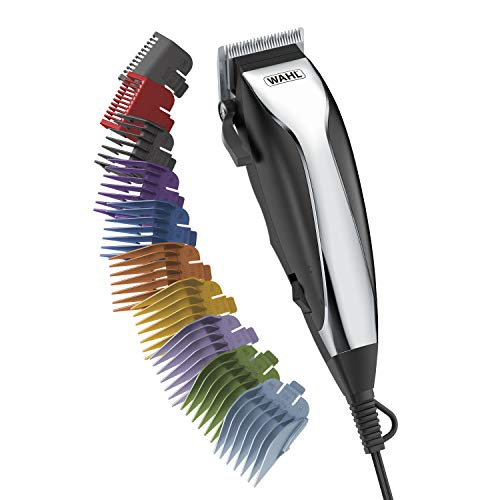
Multi-Cut Hair Clipper - Heavy duty motor for exceptional power and no-snag cutting; features an adjustable taper lever for easy blending and fading. This results in a very strong audible hum, but is completely normal to its operation. Don’t settle for a weak clipper.
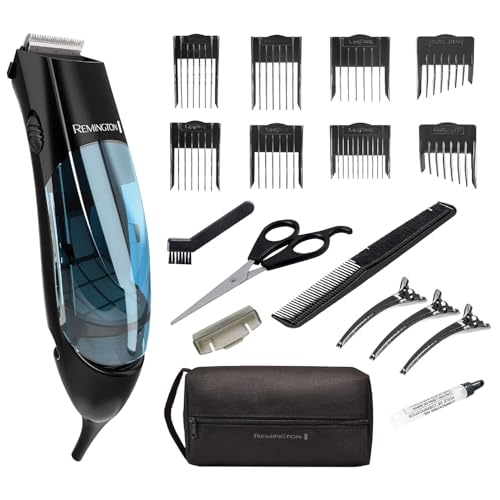
MESS-FREE HAIRCUTS AT HOME – Built-in vacuum system captures trimmed hairs while you cut, helping reduce cleanup around the sink and bathroom counter for a cleaner grooming experience.
What Look Do You Want To Project?
Your desired aesthetic directly determines whether a buzz cut or shaved head better serves your goals. Each option carries distinct psychological impact and personal expression potential.
A buzz cut projects structured masculinity while retaining texture and natural hair patterns. You’ll showcase confidence without appearing extreme, making it ideal for professional environments where you need approachability alongside authority.
A shaved head delivers bolder impact, emphasizing minimalist strength and unwavering self-assurance. You’re projecting ultimate confidence and decisiveness through this deliberate choice. However, maintaining a bald cut requires regular maintenance for that consistently polished appearance. To keep your clippers in optimal condition for frequent head shaving, you should regularly lubricate your blades with mineral oil-based clipper oils, which provide the appropriate viscosity and cutting accuracy needed for clean results.
Consider your face shape‘s role in this decision. Oval and square faces suit both options equally. Triangle faces benefit from a buzz cut’s coverage, while oblong faces appear more balanced with shorter lengths rather than complete removal.
Your personal brand should align with your choice.

Laxative

FOOD-GRADE MINERAL OIL FOR CUTTING BOARDS: Helps restore and protect dry cutting boards, butcher blocks, and wooden kitchen surfaces. Refreshes dull, worn wood and helps prevent cracking or splitting; works on bamboo, teak, acacia, olive wood, and hardwood boards

NSF CERTIFIED FOOD GRADE - This premium mineral oil is NSF certified and lab-tested to meet the strictest food safety standards. Colorless, odorless, tasteless, and gluten-free — perfect for cutting boards, butcher blocks, and all food-contact surfaces.
How Will Others Perceive Your Choice?
While your personal brand shapes the decision between these styles, social perception adds another layer of complexity that’ll directly influence how others respond to your choice. Research shows shaved heads trigger dominance perceptions—you’ll appear more authoritative and powerful. However, you’ll face an attractiveness penalty in initial judgments without additional context.
Buzz cuts offer nuance. They’ve shifted from military uniformity to mainstream fashion, particularly post-pandemic. They’re perceived as empowering and individualistic rather than vanity-driven. Men with shaved heads are often judged as nearly an inch taller and significantly stronger in comparative assessments. Studies on grooming preferences show that body positivity trends increasingly favor natural or minimally groomed appearances over extreme styling choices. For those interested in precise grooming, electric eyebrow trimmers can help maintain clean lines and sharp definition around the head and facial features.
The cultural implications matter greatly. Your choice signals either ego reduction or detachment from superficial identity constructs. Once people know you personally, these stereotypes diminish considerably—individuating information eliminates the social attractiveness gap entirely.
Consider your professional environment and social circles when deciding.
Which Fits Your Daily Lifestyle And Climate?
How much grooming time can you realistically commit to weekly? Your lifestyle compatibility depends on your schedule and preferences. If you’re busy, a buzz cut‘s dry shave process is faster than shampooing and styling. However, it requires trims 1–2 times weekly to maintain sharpness, while shaved heads need shaving 2–3 times weekly.
Climate considerations greatly influence your choice. In hot weather, a shaved head offers superior cooling but demands sunscreen and moisturizer protection against scalp sunburn and dryness. A buzz cut provides moderate coverage, reducing environmental irritation while hiding thinning or gray hair in varying conditions. Wet shaving can become costly due to products, making climate-appropriate grooming choices financially important for long-term maintenance. Both styles may cause skin irritation if proper preparation techniques are not followed during grooming. Traditional manual razors require proper lubrication to prevent blade tugging and shredding of skin.
Consider your commitment level: buzz cuts demand regular trimming consistency, whereas shaved heads require frequent maintenance but eliminate shampooing routines entirely.

Rust Prevention – Prevents rust from forming & helps extend the life of the clipper & blades; can also reduce the likelihood of blades becoming dull

【OPTIMAL SIZE & DESIGN】 Measuring 9.25" X 5.5" with a height of 2.75", this RED by Kiss Travel Pouch is perfect for storing essential items. Its compact design ensures it fits easily in luggage or bags, making it ideal for travelers and busy professionals.

Multipurpose Trimmer - Perfect for facial hair detailing with the detail & rotary heads; great for any area needing light hair removal such as nose, ear, brow, sideburn, toes, & touch-ups on the neckline
Making Your Final Decision: Buzz Cut Or Shaved Head?
Now that you’ve evaluated your lifestyle and climate constraints, it’s time to align those factors with your hair loss stage, face shape, and tolerance for maintenance.
Choose a buzz cut if you’re at Norwood Stage 1-3, possess an oval or square face, and accept bi-weekly trims. This style delivers a confidence boost through styling flexibility and minimal irritation risk. You’ll manage upkeep efficiently without daily blade replacements. When preparing for your buzz cut, ensure you start with clean, dry hair to achieve the most even results.
Opt for a shaved head if you’re progressing beyond Stage 4, prioritize simplicity, and tolerate closer skin contact. This approach demands less frequent maintenance and eliminates styling concerns entirely, supporting your personal style through low-commitment grooming. To achieve the smoothest shave, consider using an extendable handle back shaver designed for reaching difficult areas on your scalp. Remember to apply sunscreen protection to your scalp after shaving to prevent UV damage and maintain skin health.
Ultimately, your decision hinges on balancing hair loss progression, facial structure compatibility, and maintenance commitment against your lifestyle demands.
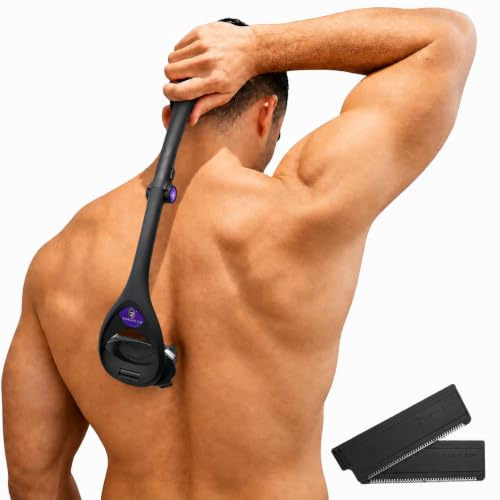
STEP UP YOUR GROOMING GAME: BAKBLADE 2.0 DIY back & body shaver is specifically designed to swiftly shave your back and body hair in just minutes. The waterproof mens back shaver gives you a quick and smooth shave without causing pain or discomfort.

【4-in-1 Versatile Grooming System】Snap-on heads turn one handle into a precision detailer, nosl & ear trimmer, body groomer and dedicated back razor—swap in seconds to tackle everything from five-o’clock shadow to hard-to-reach back fuzz.

2-in-1 Back Hair Removal System: Equipped with a 6D floating shaver and a trimmer head, this mens back shaver delivers smooth and thorough hair removal for the back and entire body. The 6D floating shaver fits snugly to body contours, effectively removing hair and reaching hard-to-access areas. The trimmer is designed to quickly cut longer hair. The detachable handle design allows for easy use on the head, chest, beard, hands, and other body parts, enabling flexible full-body trimming.