You can achieve permanent male pubic hair removal through FDA-approved methods like laser hair removal and electrolysis. Laser treatment typically requires 6-8 sessions spaced 4-8 weeks apart, delivering 70-90% hair reduction with results lasting 5-10 years. Electrolysis destroys individual follicles using electrical current and suits all hair and skin types, though it demands 15-30 sessions over 12-18 months. Both methods require selecting a reputable clinic with proper accreditation and safety protocols. Understanding which option aligns with your specific needs and skin characteristics will help you make an informed decision.
Laser Hair Removal for Pubic Hair: Permanent Results Fast
If you’re seeking a long-term solution to male pubic hair removal, laser hair removal offers clinically significant results, achieving 70-90% hair reduction after a complete treatment course. You’ll typically require 6-8 sessions spaced 4-8 weeks apart to target hairs in the anagen growth phase effectively. Treatment benefits include noticeable reduction after 2-3 sessions, with maximum results by session 5-6. An initial consultation is essential to assess your skin and hair type, leading to a customized treatment schedule tailored specifically to your individual needs. The lasting effects prove substantial—you can expect 80-95% permanent reduction lasting 5-10 years or potentially lifetime results. Post-treatment, remaining hairs appear finer and lighter. For those preferring non-invasive alternatives between treatments, electric razors designed for body grooming can maintain appearance with minimal irritation. Side effects remain minimal and transient; expect erythema and mild edema resolving within days. Regular maintenance treatments 1-2 times yearly preserve outcomes by reducing friction and wear on hair regrowth cycles. This evidence-based approach provides efficient, durable hair reduction with well-tolerated tolerability profiles.

AT-HOME IPL HAIR REMOVAL: Braun IPL hair removal is an at home laser hair removal alternative for women and men, with permanent visible hair reduction and up to 2 years free from hair*

Visible Results in Just 4 Weeks*: Ulike Air 10 IPL hair removal device features latest IPL technology that brings visible hair reduction in only 4 weeks*. Using it consistently every two days for the first two weeks, you will experience 96.52% hair reduction and slower hair regrowth(for the bikini area). A perfect holiday gift choice for women and men to get smooth skin at home with Ulike IPL.
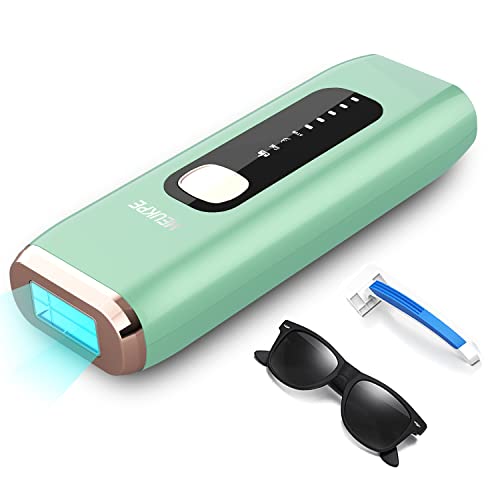
【Permanent IPL Hair Removal】: This is a professional grade IPL hair removal device that is easy to operate and use. Adopting advanced 3.0 IPL high-energy laser technology (600-1200nm red light wavelength), breaking the hair growth cycle, achieving permanent hair reduction, and achieving salon level effects; Say goodbye to hair removal wax - enjoy long-lasting smooth skin.
Electrolysis: Your Option When Laser Won’t Work
When laser hair removal proves ineffective—whether due to light hair color, dark skin tone, or individual response limitations—electrolysis emerges as a clinically validated alternative. You’ll benefit from electrolysis‘s FDA-approved permanence, as it destroys follicles entirely rather than merely reducing hair density.
The procedure targets individual follicles with electrical current, effectively eliminating growth cells regardless of hair characteristics. You’ll experience superior treatment longevity compared to laser methods, achieving lasting absence of regrowth within two months post-completion. A consultation with a qualified practitioner is essential to set treatment goals and perform a patch test to assess your skin sensitivity before beginning treatment.
However, you should anticipate approximately 15-30 sessions over 12-18 months, spaced 1-2 weeks apart. Sessions address hair in different growth cycles for thorough clearance. Unlike temporary alternatives such as hair removal creams, electrolysis provides permanent results through follicle destruction. While mild discomfort occurs—less tolerable than laser—precision application minimizes skin irritation when performed by certified electrologists. Electrolysis also eliminates the bacteria and sweat trapping issues associated with remaining hair, contributing to improved hygiene and comfort.
Electrolysis represents your definitive option when alternative methods underperform.

Effective IPL Hair Removal: Delivering 5J/cm² energy at 600nm wavelength deep into hair follicles to effectively disrupt growth. Enjoy smooth, hair-free skin with far longer-lasting results than shaving or waxing

Electrolysis Hair Removal Device for Beauty Salon: The electrolysis hair removal machine Comfortable hair removal in multiple parts, intelligent energy adjustment, efficient hair removal for both men and women. Suitable for hair removal in different scenarios.

Professional Hair Removal Device: The hair removal machine Comfortable hair removal in multiple parts, intelligent energy adjustment, efficient hair removal for both man groomer and women. Suitable for hair removal in different scenarios.
Which Permanent Method Works Best for You?
Choosing between laser hair removal and electrolysis depends on your specific characteristics—skin tone, hair color, and treatment area—since each method’s efficacy varies considerably across these factors. Laser achieves 80-95% permanent reduction in 5-7 sessions, making it faster for larger areas like the shaft and testicles. Electrolysis, the only FDA-recognized permanent method, suits all skin and hair types but requires weekly treatments for approximately one year, limiting practicality for extensive areas.
Cost comparison reveals laser’s advantage for pubic treatment despite higher initial investment. At home devices like Smoothskin Bare Plus offer FDA-cleared alternatives with unlimited flashes across all skin tones, though professional treatments guarantee ideal laser selection based on your specific characteristics. Both laser and electrolysis require proper technique to avoid risks such as swelling, discoloration, and scarring if performed by unqualified practitioners. For those seeking temporary solutions without permanent commitment, hair removal creams like Nair dissolve hair below the surface for smooth, convenient at-home use. Waxing produces less prickly hair growth compared to shaving, making it a viable temporary alternative if you prefer not to commit to permanent methods. Consider your patience level, budget, and anatomical area when deciding.

【Effective IPL Hair Removal】They zap away unwanted hairs at their roots, which significantly slows down regrowth for smoother skin. With 5J/cm² high energy and a 600nm wavelength, the device delivers light deeper into the hair follicles, effectively damaging them to reduce hair growth over time. This offers longer-lasting results compared to shaving or waxing.

✅ 【High-Efficiency IPL Hair Removal】This laser hair removal device features high energy output and a 3-square-centimeter treatment window, doubling efficiency for more noticeable results that appear faster. In just four weeks, hair removal effectiveness can reach 97%.

【70% Faster Hair Removal】With an upgraded 5.2 cm² treatment window—over 70% larger than standard devices—this IPL hair remover covers more area per flash, significantly reducing treatment time. Achieve smooth, hair-free skin faster and face any occasion with confidence.
Your First Session: What Happens During Treatment
Your first laser hair removal session begins with a private consultation where the clinician reviews your medical history, current medications, and treatment objectives while evaluating your skin type and hair characteristics. During treatment preparation, you’ll shave the area beforehand and avoid waxing or plucking for 4-6 weeks to preserve hair follicles. The clinician applies cooling gel and adjusts laser settings according to your skin type and location. You’ll wear protective eye goggles throughout the procedure. The handheld device delivers light pulses to target melanin in hair follicles, producing sensations described as light snaps or rubber band flicks. Treatment typically lasts 10-30 minutes depending on area size. Expect redness subsiding within hours, with partial hair reduction of 10-25% after your first session. For optimal results between sessions, consider using a cordless beard trimmer for maintenance grooming to keep the treated area neat without disrupting the hair removal process. For sensitive genital areas, the Philips Norelco Bodygroom 7000 offers a skin-safe option with its flexible hybrid head designed specifically for close, nick-free grooming. The laser’s cooling tip enhances comfort throughout the treatment by reducing warmth and minimizing any potential discomfort during the procedure.

Nourishing Formulation: This cooling gel is enriched with hydrating ingredients like hyaluronic acid, vitamin C, and collagen, providing deep nourishment and moisture for all skin types.

Friendly formula for all skin: Paraben and fragrance free, Also free from such as alcohol, oils, dyes, sulfates, silicone, and phthalates. Gentle and safe ingredients, more assured to use.
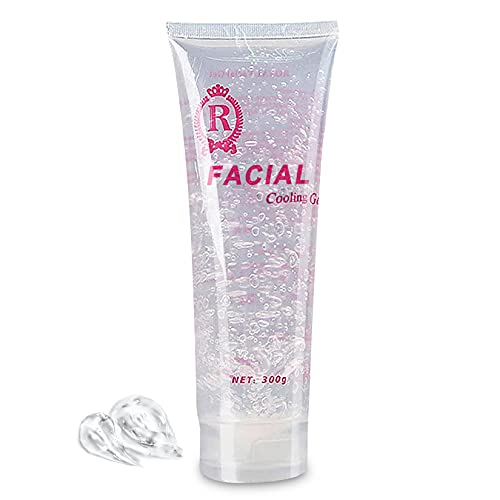
✅The ingredients of the cooling gel are Water, Glycerin, Carbomer, Sodium hyaluronate, Ceramide AP, Propanediol, Triethanolamine, Dipotassium glycyrrhizinate, Cellulose. Gentle and non-irritating, non-greasy and easy to cleanse, it is suitable for all skin types and any part of the skin.
Why Maintenance Sessions Are Essential Long-Term
Because laser hair removal targets only actively growing follicles during treatment, dormant follicles remain unaffected and can activate over time. After completing your initial 6-8 session course, you’ll achieve 70-90% hair reduction. However, progressive hair follicle activation begins approximately 6-12 months post-treatment, necessitating maintenance sessions to sustain results.
You’ll benefit from one to two annual maintenance appointments scheduled every 6-12 months, depending on your individual regrowth patterns. Pubic areas, being hormonally sensitive, may require more frequent maintenance timing toward the 6-month interval. Consistent scheduling prevents newly activated follicles from progressing through growth phases uninterrupted. For long-term grooming maintenance between professional treatments, many people rely on cordless clippers with reliable battery life to manage any regrowth. Products like the Philips Norelco Bodygroom 7000 offer waterproof designs and long battery life ideal for sensitive area grooming. Research from dermatological organizations validates that annual maintenance sessions are critical for preserving long-term smoothness and preventing the return to baseline hair density. Delaying maintenance allows visible regrowth to return, potentially requiring near-initial treatment protocols to restart. Professional assessment during touch-ups determines your ideal maintenance frequency.
Choosing a Reputable Clinic: Safety Standards to Verify
When you’re selecting a clinic for male pubic laser hair removal, verifying safety standards should be your primary concern. Confirm clinic accreditation through state licensing boards and FDA approval of their equipment. Request evidence of technician credentials and dermatological qualifications specific to intimate procedures. Review treatment reviews from verified patients regarding safety outcomes and complication rates. Ascertain the facility maintains sterilization protocols documented for genital-area procedures. Ask about their patch-testing procedures—reputable clinics conduct 48-hour pre-treatment assessments to evaluate skin reactivity. Verify they use medical-grade cooling systems and adjustable energy settings for sensitive tissue. Confirm written safety documentation addressing potential risks in high-nerve-density areas. Professional barbers and technicians often discuss guard numbers and fade transitions when customizing treatments for individual needs, much like how laser clinics should tailor energy settings to your specific skin type and hair characteristics. For clients concerned about longer-lasting results, laser hair removal requires multiple sessions to achieve semi-permanent outcomes, making it important to discuss the full treatment timeline during your consultation. Reputable clinics should prioritize professional expertise and technology as essential factors over competitive pricing when servicing intimate areas. Don’t hesitate requesting their infection-prevention protocols and aftercare guidelines before committing to treatment.


Wavelength: 200nm-2000nm, broad spectrum protection, block UV, Blue, Red and Infrared Laser Light

Visible Results Fast: Get visible results in only 2 sessions⁵ and more than 90% hair removal in just 3 treatments³; less body hair after just one treatment¹², so you can finally put razors, waxing appointments, and ingrowns behind you for good
Temporary Removal Methods That Actually Work
If you’re seeking hair removal results that don’t require professional intervention or long-term commitment, several temporary methods offer varying degrees of efficacy and duration. Shaving techniques remain prevalent, though they cause itchiness and razor burn upon regrowth. To minimize irritation during shaving, apply a sensitive non-lathering shave gel or cream and use short, gentle strokes in the direction of hair growth. Threading provides precise removal lasting 4-5 weeks with minimal irritation, making it suitable for sensitive skin. Waxing pros include longer-lasting results—approximately 4-5 weeks—with less itchiness during regrowth compared to shaving. However, improper waxing technique risks redness, irritation, and ingrown hairs; professional application minimizes these side effects. For those seeking precision with integrated trimming capabilities, electric razors with beard trimmers offer efficient grooming for various hair types. Plucking works effectively for small areas but proves less efficient on fine vellus hairs. Sugaring offers pain-effective temporary removal with extended duration. Chemical depilatories are available as creams, pastes, and lotions that work by disrupting disulfide bonds in keratin to remove hair from the shaft. Evaluate these options based on your pain tolerance, skin sensitivity, and desired maintenance frequency.