
You’re grooming your pubic hair differently than men did a decade ago. Today, roughly 50% of men engage in regular grooming, with trimming at 3–6mm becoming the dermatologist-preferred standard. You’re likely motivated by personal comfort and hygiene rather than partner expectations. Razors dominate at 75.5% usage, though trimmers reduce irritation risk. You’ll want to understand why this shift toward shorter hair reflects evolving attitudes about male body care and sexual health.
How Many Men Actually Groom Their Pubic Hair?
How widespread is male pubic hair grooming? Current grooming statistics reveal that approximately half of U.S. men engage in regular pubic hair grooming. A survey of 4,198 men found that 50.5% reported consistent grooming practices, though prevalence varies across populations, with some studies reporting rates as high as 63.6%.
Age trends notably influence grooming behavior. Men aged 25-34 demonstrate peak grooming prevalence at 73%, with rates declining progressively as age increases. The odds of grooming decrease by approximately 5% annually across the lifespan. Conversely, about 9% of adults never groom their pubic hair. Among grooming tools, razors remain the preferred choice for male pubic hair removal, selected by 75.5% of adults. However, skin-friendly trimmers have emerged as safer alternatives to traditional razors for avoiding irritation and ingrown hairs. Beyond tool selection, grooming practices also contribute to improved hygiene and infection prevention by reducing bacteria buildup in the pubic region.
These statistics demonstrate that male pubic hair grooming represents a common practice among younger and middle-aged men, though adoption remains far from universal.
Why Men Are Choosing to Groom: The Real Motivations
Understanding why men groom their pubic hair reveals motivations that extend well beyond a single driver. You’re primarily motivated by personal preference—90% of men groom according to their own comfort rather than partner expectations. Hygiene concerns rank second, with 61% citing cleanliness as a key factor. Aesthetic appearance influences your grooming choices, particularly above the penis (87%), reflecting body image considerations. Sexual preparation plays a significant role, especially when you anticipate oral sex activities. Research indicates that approximately 50% of US men actively groom their pubic hair regularly, demonstrating the widespread nature of this personal care practice. Cultural influences increasingly shape your grooming preferences, particularly through pornography exposure and evolving masculinity narratives. Significantly, you’re less influenced by partners’ preferences than by internal standards. Your motivations vary by age, with younger men emphasizing sexual preparation while older cohorts prioritize routine maintenance and personal comfort. Common grooming risks include cuts and burns, which affect approximately 25% of men who regularly groom their pubic hair. To minimize these injuries, selecting appropriate grooming tools with protective guards can significantly reduce the likelihood of accidental cuts and abrasions during the grooming process.
Grooming Methods Compared: Trimming, Shaving, and Waxing
When you’re deciding how to groom your pubic hair, you’re fundamentally choosing between three primary methods—razors, trimmers, and professional waxing—each with distinct advantages and trade-offs.
Razors dominate due to cost-effectiveness and accessibility, though they increase ingrown hair risk. Trimming benefits include reduced irritation and decreased ingrown hair occurrence while maintaining protective skin functions. Short cuts at 3-6mm lengths preserve comfort during regrowth. Using an electric trimmer or styler is considered the safest home method for avoiding razor rash and irritation. Devices like the Philips Norelco Bodygroom feature flexible hybrid heads and nick-free technology specifically designed for sensitive genital areas.
Professional waxing delivers longer-lasting results but carries significant waxing drawbacks: higher cost limits routine use, with only 18.9% of adults utilizing these services. Most people choose at-home methods, with weekly grooming representing the highest maintenance frequency at over 30% of adults. Growing male grooming trends indicate that method selection increasingly reflects personal preference rather than traditional expectations. Your method selection depends on balancing irritation tolerance, budget, and desired maintenance schedules.

Body, Pubic, Groin&Bikini- OLOV trimmers were designed for below-the-waist grooming but work great on your not so private parts too

SpotGlide Blade Technology: Unlike others in the industry, MANSPOT's SpotGlide Blade Technology features a wider 40mm ceramic blade designed to cover more area in fewer passes, reducing friction and irritation in sensitive areas including the groin. Rounded tip guards and a hypoallergenic steel and ceramic blade combination help minimize nicks and discomfort for a clean, comfortable result, no razor burn, no regrets.
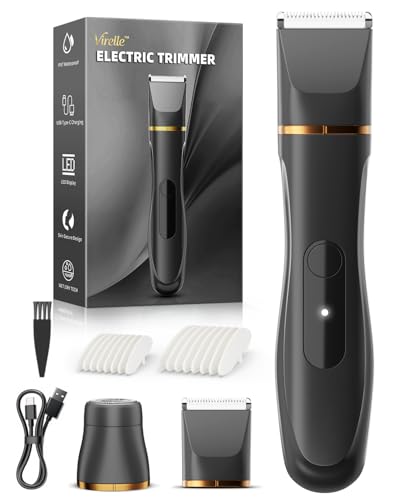
2-in-1 Body Grooming Trimmer for Men -This professional ball trimmer comes with 2 replaceable ceramic heads and 2 adjustable guide combs in 3mm/6mm/9mm/12mm. Multi-use grooming tool trims beard, face, chest, back, underarm, leg and private body hair, fits all daily men hair care needs.
Which Areas Men Groom Most (And Why)?
Your grooming method choice directly shapes which body areas you’ll prioritize. The above-penis region tops your list—87% of men who remove pubic hair groom this area first, with 45.75% preferring a clean shave. Your penile shaft follows at 57% grooming prevalence, while 66% address the scrotum.
Your grooming preferences reflect dual motivations. Sexual preparation drives 73% of grooming decisions, peaking among men aged 25-34, particularly before oral sex. Hygiene concerns motivate 61% of your decisions, with routine maintenance accounting for 44%. Safe grooming practices remain underemphasized, as discussions about grooming often lack due to societal taboos that persist in casual male conversation. Methods like trimming offer safer alternatives to more aggressive removal techniques that increase irritation risk. Rounded blade trimmers with protective guards significantly reduce the risk of nicks and ingrown hairs compared to shaving.
Cultural influences greatly shape your choices. Women’s preferences—64% favor trimmed over natural—combined with media and pornographic imagery, establish contemporary standards. These factors collectively determine which zones you’ll maintain and how extensively you’ll remove hair across different anatomical regions.
Why 3–6mm Is the Sweet Spot (And How to Test Your Length)
If you’re looking to optimize your grooming results, the 3–6mm range consistently emerges as the ideal length across multiple preference studies and functional considerations. This length measurement balances aesthetic appeal with protective benefits while reducing sweat accumulation and odor trapping associated with longer growth.
Research indicates that shorter trimmed lengths create a visual enhancement effect, making your genitalia appear larger while maintaining a groomed appearance. At this length, you’ll preserve pubic hair’s protective functions without sacrificing sensitivity or hygiene. The short length category, optimal between 2mm and 3mm, offers particular comfort and increased sensitivity benefits.
To test your length, use scissors for precision trimming rather than razors, which risk cutting too short. Keep tools disinfected and pointed away from sensitive areas. Applying a hydrating after-shave serum after trimming helps prevent irritation and maintains skin health. Proper grooming routines can also help you address itchiness or discomfort that may arise during the adjustment period. Remember that hair follicles naturally stop growing at predetermined lengths, so you won’t experience unlimited growth once you’ve established your preferred grooming preferences.
Recommended Tools and Products for Men
Several electric trimmers have demonstrated effectiveness for pubic hair grooming, each offering distinct features that address specific needs. When evaluating grooming tools, consider the Philips Norelco Bodygroom 7000, which features a foil head and rounded-tooth blade designed for close, nick-free results. The Panasonic ER-GK80 ranks highly for precision and safety. For product comparison, the Manscaped Lawn Mower 5.0 incorporates SkinSafe technology to prevent nicks during groin-specific trimming. Pull-style grooming methods tend to catch hair more effectively against the direction of growth compared to push-style alternatives. For those with particularly sensitive skin, dedicated trimmers with rounded blade edges can significantly reduce irritation and nicks during grooming.
Supporting your grooming routine requires complementary products. Crop’s line offers pre-trim cleansing with their Cleanser ($11.99), exfoliation via their Exfoliator ($11.99), and post-grooming care through their Mop wet wipes ($11.99). These products work synergistically to maintain skin health throughout your grooming process. Establishing consistent personal growth habits in your grooming routine supports long-term confidence and self-care.

Mirror & LED Precision Grooming: Designed as an advanced body trimmer for men, the trimmer pairs a built-in mirror with an LED light to eliminate blind spots. The dual-assist system brightens hard-to-see areas and delivers real-time visual feedback for unmatched precision. Every stroke stays accurate and controlled, even along curved contours

Safe and Efficient Trimming: PRITECH razors for men uses ceramic blades with built-in protection. On the surface where the blade contacts the skin, we have implemented a chamfered design, ensuring that it never cuts, pulls, or irritates the skin, and guarantees efficient hair trimming. This body trimmer for men equipped with 3 adjustable comb attachments and 5 lengths (1.5mm, 3mm, 6mm, 9mm, 12mm), it meets your diverse trimming requirements

Body, Pubic, Groin&Bikini- OLOV trimmers were designed for below-the-waist grooming but work great on your not so private parts too
How Often Should You Actually Groom?
How frequently you’ll need to groom depends primarily on your individual hair growth rate and personal comfort level. Most men shave or trim three to four times monthly for ideal results. Since pubic hair grows approximately one-eighth inch weekly, you’ll reach a full inch every two months. Your grooming frequency should match your personal preferences and hair growth patterns. Some men groom weekly, while others maintain a monthly schedule. Rather than establishing rigid routines, assess when hair causes discomfort or aesthetic concerns. Alternating between trimming and shaving reduces skin irritation between sessions. Allow adequate recovery time between full shaves. Spacing out shaves gives your skin time to recover from the irritation that even quality grooming products can cause. For optimal results, foil shavers are designed to minimize irritation while providing close shaves with dual functionality for both trimmed and shaved looks. For longer-lasting results between grooming sessions, consider exploring waxing or laser hair removal options that extend the time between maintenance appointments. This flexible approach to grooming frequency accommodates individual variation while minimizing potential skin strain.
Avoiding Irritation and Ingrown Hairs: The Dermatologist’s Guide
Since pubic skin’s sensitivity demands careful attention, proper preparation greatly reduces your risk of irritation and ingrown hairs. You’ll soften hair and skin by wetting with warm water, then applying hydrating shaving cream containing hyaluronic acid or aloe vera.
For ideal irritation prevention, employ gentle shaving techniques using light strokes without pressure. Shave in the direction of hair growth, and avoid stretching skin tight. Switch to single- or double-blade razors if you’re prone to bumps or ingrowns.
Replace blades every 5-7 shaves to maintain sharpness. Post-shave, rinse with cold water to close pores. Mild exfoliation 2-3 times weekly removes dead skin, further reducing ingrown hair risk. Working slowly in steady strokes helps prevent mistakes and irritation in sensitive areas. Disinfect the razor before use to reduce infection risks and prevent complications. For precision grooming in sensitive areas, consider using electric trimmers designed for detailed hair removal without the irritation associated with traditional razors.
Moisturize immediately with fragrance-free products to prevent dryness.

Designed for Sensitive Skin: Vanicream is the #1 Dermatologist-Recommended Brand for Sensitive Skin*. This shaving cream creates a protective barrier between the razor and your skin to deliver a smooth, close, and comfortable shave for both men and women

PROTECT YOUR SKIN – Delivers a smooth, close and comfortable shave

NOURIA Pre-Shave Elixir Oil contains HydroLock, meticulously formulated with concerted mix of 12 botanical and organic essence and extracts that are rich in deep-hydrating and long-lasting moisturization properties. It further fortifies your intimate skin for maximum moisture retention and prevents moisture loss. Nourishing areas normally forgotten or unnoticed. It reduces ingrown hair, razor burn, razor bump, itchiness and other irritations commonly associated with shaving.
Trimmed vs. Shaved: Why Dermatologists Now Recommend Shorter Hair
While complete shaving removes all pubic hair, trimming to shorter lengths—typically 1mm to 3mm—offers dermatologists’ preferred balance between hygiene and skin health. Trimmed hair maintains protective coverage while reducing sweat accumulation and irritation risks associated with full removal.
Shorter lengths decrease friction against underwear and skin, minimizing discomfort in sensitive areas. Unlike shaving, trimming techniques avoid razor burn and stubble itch that compromise barrier function. For those who prefer shaving over trimming, using specialized pre-shave products can help minimize irritation and enhance comfort. Genetics and hormones influence individual hair density, which may affect how frequently grooming becomes necessary for optimal comfort.
Your grooming frequency depends on natural growth rates and hair type. Most men benefit from trimming every 2-4 weeks using adjustable trimmers set to appropriate guard lengths. For contoured areas, specialized tools like those designed for sensitive body grooming can provide precise results without irritation. This approach reduces ingrown hair development while preserving skin integrity. Dermatologists emphasize that trimmed hair provides superior comfort and hygiene compared to either complete removal or untrimmed growth.

MULTIFUNCTIONAL SHAVING KIT FOR HEAD TO TOE USE - The all in one barber clippers include 7 trimmer heads, 10 hair combs and a base. Covers all hair cutting tasks, from hair, face, beard, nose, ear, body and pubic area. Surprise your husband or any special man in your life with the perfect gift.
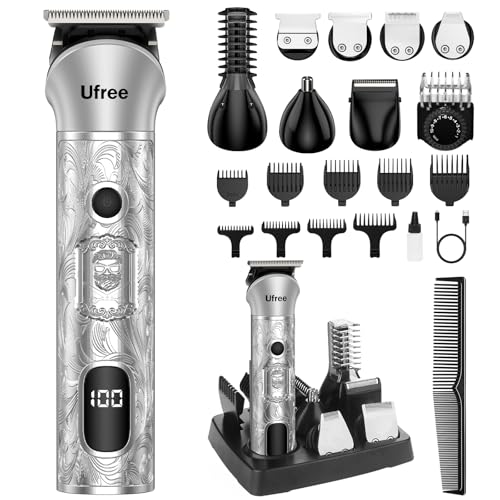
7-in-1 Men's Grooming Kit: The beard trimmer for men with 7 trimmer heads, 10 guard combs and a base. Whether you are trimming your beard, face, body, nose or other public hair, the hair trimmer meets all your hair-cutting needs.

All-in-One Grooming: 18 attachments and 16 lengths (0.5-16 mm) cover beard, hair, nose, ears and body
Common Mistakes Men Make When Grooming
Even experienced groomers frequently make mistakes that compromise skin health and grooming outcomes. Your most common grooming blunders stem from rushing the process—hurried sessions increase nicks, cuts, and irritation considerably. Technique errors also plague many men, particularly starting with guard lengths set too short, which forces corrective trimming that damages skin.
You’ll benefit from using dedicated intimate grooming tools rather than general-purpose razors or kitchen scissors. Standard facial razors cause razor bumps and burn on pubic hair. Additionally, you’re likely neglecting proper preparation and aftercare. Shaving without lubrication increases friction and irritation, while skipping moisturizing prolongs redness. Pre-shave preparation such as hot showers to open pores will improve your grooming results and reduce skin irritation. Holding your razor at the correct angle and using minimal pressure will help prevent irritation and nicks during grooming. Avoid talcum powder and alcohol-based products post-grooming—they worsen discomfort rather than protect skin. Good lighting and a mirror are essential during the grooming process, as limited visibility leads to guessing instead of careful, deliberate trimming that prevents accidental cuts.

GENTLE BIKINI RAZORS: Gently remove unwanted hair along the bikini area for softer, smoother skin with About Body Bikini Shavers. Use with or without shaving cream for an effortless shave.
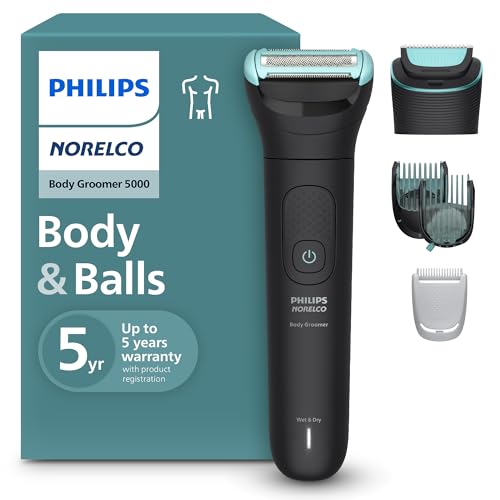
Dual Grooming Heads: Switch between full-body trimming and a close, skin-friendly shave

SPECIALIZED MENS RAZORS FOR SHAVING FOR BODY GROOMING: GilletteLabs Body + Intimate Razor is purpose-built for full-body men's grooming with a shorter* handle (by 10mm) for body contours.*vs GilletteLabs Face Razor


