To sanitize your hair clippers with alcohol, you’ll spray or immerse the blades in 70% isopropyl alcohol, keeping surfaces visibly wet for approximately one minute. This process effectively eliminates pathogens and bacteria. After sanitizing, allow your blades to air-dry completely before applying clipper oil. For best results, sanitize after each client use and incorporate this step into your daily maintenance routine. Understanding the proper techniques guarantees your equipment stays hygienic and performs at its best.
Prepare Your Clippers and Workspace
Before you begin cleaning your clippers, you’ll need to gather the essential tools and establish a proper workspace. Collect a screwdriver, toothbrush or wire brush, clean rag, blade cleaner or 70% isopropyl alcohol, and clipper oil for effective clipper maintenance.
Set up your workspace by placing clippers on a flat, stable surface to prevent movement during cleaning. Use a bowl or tray to contain any cleaning solutions, and position your clippers facing upward for easy access. This workspace organization guarantees you’ll work efficiently without interruption. Regular oiling of clippers should be incorporated into your maintenance routine to ensure optimal performance and longevity of your equipment. Cleaning your clippers after every 2-3 uses prevents fungal and bacterial growth while keeping blades sharp and properly aligned.
Before proceeding, turn off your clippers completely and unplug the unit from the electrical outlet. If you’re using cordless models, remove the batteries. Allow recently used clippers to cool before handling them. Inspect the power cord for any visible damage before beginning your maintenance routine. For optimal sanitation, ensure your workspace includes proper contact time for disinfectants to achieve effective germ elimination.
Clean Blades by Brushing After Every Cut
The most critical step in clipper maintenance is brushing your blades immediately after each cut. You’ll prevent hair from hardening or bonding to blade surfaces by cleaning within thirty seconds of use.
Use the stiff brush included with your clipper set, or substitute a new toothbrush. Direct bristles into the spaces between blade teeth where hair accumulates most heavily. This removes debris from both blades and the carriage, ensuring smooth blade movement. For precision work around detailed areas, consider using detailing blades to achieve the cleanest results after your initial brushing.
Regular brushing extends your equipment’s lifespan by reducing friction and heat generation. You’ll eliminate costly repairs and downtime while maintaining hygiene standards essential for professional settings. Clean blades reduce cross-contamination risks between clients and preserve your professional appearance. Consistent blade maintenance prevents dulling and mechanical wear, keeping your clippers running effectively longer. Brushing after every cut also minimizes heat and wear on your equipment’s internal components. For optimal results, apply clipper oil after brushing to further protect the blades and ensure smooth operation.
Sanitize With Alcohol Dip or Spray
After you’ve brushed away loose hair, you’ll sanitize your clipper blades using either an alcohol dip or spray method to eliminate pathogens and maintain hygiene standards.
For the spray method, apply 70% isopropyl alcohol directly onto blade teeth and undersides, keeping surfaces visibly wet for approximately one minute. For the dip method, submerge only the blades in a cup of alcohol, avoiding electrical components.
The alcohol benefits include rapid disinfection—achieving efficacy at just one minute contact time per CDC guidelines. These disinfecting tips prove essential: spray or immerse after each client use, then allow blades to air-dry completely before oiling. Like electric razors and shavers designed for hypoallergenic and irritation-free results, proper blade sanitization ensures optimal performance and user safety. Always remember to re-oil after disinfection to restore lubrication and prevent friction-related damage.
Avoid higher alcohol concentrations, which reduce effectiveness. Professional barbers maintain these sanitization standards to ensure every client receives service with properly maintained equipment. Store alcohol away from flames due to flammability, and guarantee proper ventilation during application.
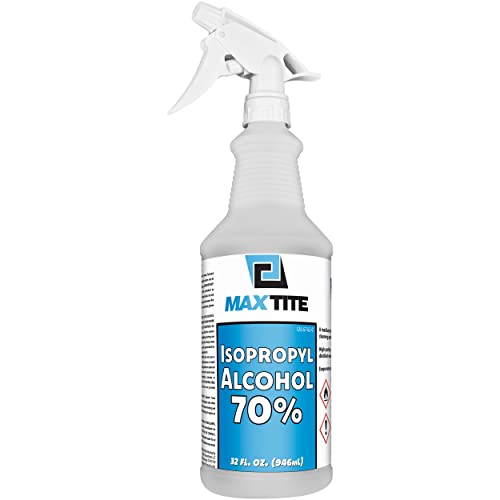
Perfect Balance between Effectiveness and Safety: Lower 70% concentration offers enhanced penetration for thorough cleaning, yet remains less aggressive than higher concentrations—ideal for ensuring prolonged contact without compromising sensitive materials or surfaces.

One 32 fluid ounce bottle of first aid antiseptic

Perfect Balance between Effectiveness and Safety: Lower 70% concentration offers enhanced penetration for thorough cleaning, yet remains less aggressive than higher concentrations—ideal for ensuring prolonged contact without compromising sensitive materials or surfaces.
Choose Your Disinfection Method: Professional vs. Home Use
Now that you’ve mastered basic alcohol sanitization, you’ll want to contemplate which disinfection method best fits your specific situation.
Professional techniques demand EPA-registered disinfectants like Clippercide Spray or Marv Cide, which eliminate bacteria, fungus, and viruses reliably. These industry-standard products require adequate contact time between clients and sanitize non-detachable blades by spraying them while running for 3–5 seconds.
Home solutions leverage 70% isopropyl alcohol as a cost-effective alternative. You’ll submerge detachable blades for 30–60 seconds, then dry them thoroughly to prevent rust. For body grooming tools like those used on sensitive skin areas, ensuring proper sanitization is especially critical. Establishing a regular sanitization routine ensures optimal performance and hygiene while reducing the risk of spreading bacteria and germs between uses. For clipper longevity, plan to replace worn blades and cutting heads every 12-18 months to maintain effectiveness and hygiene standards.
For professional settings with heavy buildup, specialized blade wash solutions complement alcohol disinfection by dissolving oils and microscopic debris that standard products can’t remove. Choose your method based on your environment and maintenance needs.

5-IN-1 FUNCTIONALITY: Cool Care Plus offers coolant, disinfectant, lubricant, cleaner, and rust prevention in one convenient spray, perfect for clipper maintenance.

Blade coolant, disinfectant, lubricant, cleaner and rust pre-treatment expertly packaged into a single, convenient aerosol can

TRUSTED BY PROFESSIONALS: From the makers of Barbicide, Clippercide is the industry-standard choice for professional barbers, stylists, and groomers. Trust the brand that has set the gold standard in salon hygiene to protect your tools and your clients
Rinse and Dry Blades Completely
Completing your clipper maintenance requires meticulous attention to rinsing and drying, as residual moisture and debris compromise both sanitation and blade longevity. Begin by applying dish soap under warm running water, gently scrubbing the blade head with a brush to remove debris. Limit rinsing to the blade only, avoiding the clipper body to protect internal components.
After your alcohol dip, air-dry blades completely for a moisture-free surface. Pat dry with a microfiber cloth or paper towel, ensuring no moisture remains. This thorough blade maintenance directly supports rust prevention—moisture left on blades promotes corrosion that degrades performance. Since alcohol evaporates quickly, complete drying eliminates rust risks from water exposure. Similar to how beard oil prevents split ends, proper blade lubrication after drying maintains optimal clipper function and performance. After drying, apply manufacturer-recommended clipper oil to reduce friction and extend blade life. Store your clippers in a clean, dry place to prevent moisture reabsorption and maintain optimal condition between uses. Dry thoroughly before applying any lubrication to maintain ideal clipper function and hygiene standards.
Oil Your Blades With the 5-Point System
Proper lubrication is essential to maintaining your clipper blades’ performance and longevity, and the 5-point oiling system delivers oil application precisely where it’s needed most. Hold your clipper sideways with blades facing down, then apply three drops across your top blade’s teeth: one on the left, one in the middle, and one on the right. Next, apply one drop on each side of the blade foot, where top and bottom blades meet. This five-point strategy guarantees even distribution and reduces friction throughout your blade maintenance routine. After oiling, move the lever back and forth while running your clipper for several rotations. If your clipper lacks a lever, simply run it for 5-10 seconds. Running the clipper for this duration helps disperse the oil evenly across all components. For optimal blade care, test your clipper blades for even sharpening to ensure consistent cutting performance. For sensitive areas like armpits, proper blade maintenance prevents irritation and ingrowns during grooming. Finally, wipe away excess oil with a clean cloth to prevent motor damage.
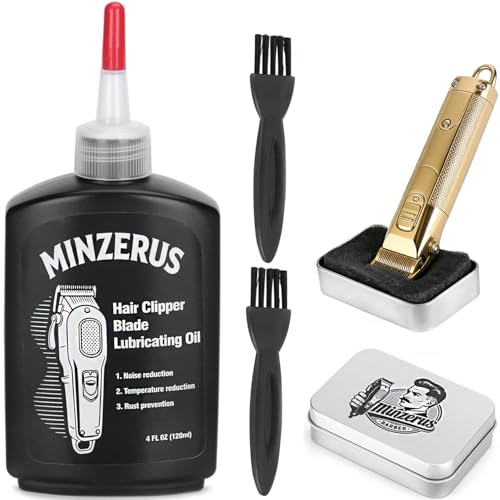
【1x Premium Lubricating Oil】Effectively reduces operating noise and temperature, lubricates internal components, prevents metal part rust, and extends the service life of electric clippers. This mild, skin-friendly mineral lubricant features low viscosity and strong penetration—no compromise to clipper performance during use.

Professional-Grade Blade Care: Ensure your pet and dog grooming blades last for years to come with Wahl’s top-quality clipper blade oil

Rust Prevention – Prevents rust from forming & helps extend the life of the clipper & blades; can also reduce the likelihood of blades becoming dull
Deep Clean Your Clippers Regularly
While regular brushing maintains your clippers between cuts, a thorough deep clean prevents the buildup of hair, bacteria, and debris that can compromise blade performance and hygiene. You should perform a complete deep clean regularly to prevent fungus and staph growth that thrives in moist environments.
Start by detaching all guards and washing them in warm soapy water. Brush your blade front and back multiple times, removing trapped clippings thoroughly. Then spray 70% isopropyl alcohol onto the blade teeth and underside, maintaining wet contact for one minute—the CDC-recommended duration for hospital-grade disinfectants. For optimal hygiene, consider using distilled white vinegar as an alternative cleaning solution if alcohol is unavailable. Just as hair follicles require proper maintenance to support healthy regrowth after shaving, clipper blades need consistent cleaning to maintain their cutting effectiveness. Maintaining blade quality through regular cleaning is comparable to how lubrication strips enhance shaving performance by ensuring smooth operation.
For enhanced results, dip your running clipper blade tip into an alcohol bowl for deep penetration. Allow all surfaces to air-dry completely before reattaching guards. These regular maintenance practices directly contribute to clipper longevity tips, extending your equipment’s lifespan and ensuring consistent cutting performance.

THE GOLD STANDARD SINCE 1947: Trust the iconic blue formula used by barbers, salons and spas worldwide for over 75 years. This professional disinfectant is the #1 choice for industry experts who prioritize hygiene and client safety.
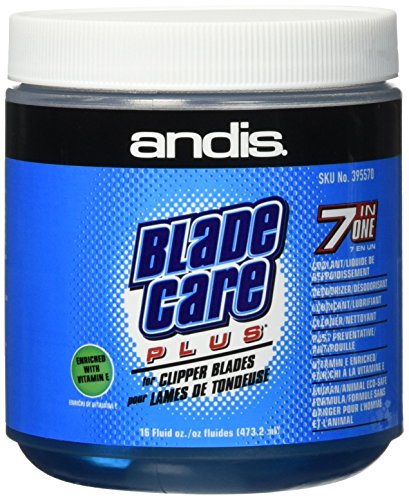
This 7-in-1, Vitamin E enriched formula cools, deodorizes, lubricates, cleans, prevents rust and decontaminates

Rust Prevention – Prevents rust from forming & helps extend the life of the clipper & blades; can also reduce the likelihood of blades becoming dull