You’ve got three motor types powering hair clippers: magnetic, pivot, and rotary. Each converts electrical energy into rapid blade oscillations that cut hair at different speeds and torque levels. Magnetic motors prioritize speed for light trimming but run hot. Pivot motors balance power and cooling for medium-duty work. Rotary motors deliver superior performance across all hair types, making them professional favorites. The right choice depends on your hair density and cutting needs, though there’s considerably more to understand about optimizing your clipper’s performance.
Motor Types: Magnetic, Pivot, and Rotary Compared
Three distinct motor technologies power modern hair clippers, each with different strengths that’ll determine how well they handle your cutting tasks. Magnetic motors deliver high blade speeds exceeding 7000 RPM, prioritizing speed over torque for light-duty trimming. Pivot motors combine magnetic and electromechanical components, offering twice the power of magnetic units with excellent motor efficiency for thick, coarse hair while running cooler and quieter. Rotary motors provide superior performance longevity through balanced high speed and high torque, making them versatile across all hair types and ideal for professional heavy-duty applications. Your choice depends on hair texture and cutting intensity—magnetic suits quick touch-ups, while rotary and pivot motors excel in demanding professional environments requiring sustained power and durability. Similar to how electric razors like the F5-5800 with powerful motors can handle various facial hair types effectively, clipper motor selection should match your specific grooming needs. To maintain consistent performance regardless of motor type, regular application of specialized clipper oils prevents blade friction and heat damage during extended use. Professional barbers and stylists typically prefer rotary motor clippers for their ability to handle all hair types with consistent, reliable performance throughout the workday.

Gold Home Haircut Kit: 360° automatic rotating head, realize the true meaning of full self-service haircutting; head using sharp stainless steel blades, sharp and durable, without the help of others, fast to deal with the perfect inch hair

Professional Precision: Engineered for sharp, accurate trimming and clipping; professional trimmers for barbers; perfect for detailed styling, smooth maintenance and expert grooming

Professional Precision: Engineered for sharp, accurate trimming and clipping, perfect for detailed styling, smooth maintenance and expert grooming
How Motor Speed and Torque Affect Cut Quality
Understanding how your motor’s speed and torque characteristics translate into cut quality separates adequate clippers from professional-grade tools. You’ll achieve cutting smoothness through higher blade speeds, which produce refined results across most hair types. However, speed alone won’t deliver quality cuts—you need adequate torque to prevent snagging and pulling when cutting thick or coarse hair.
Rotary motors excel because they balance both parameters simultaneously, offering you superior torque efficiency without sacrificing speed. Magnetic motors prioritize speed at torque’s expense, while pivot motors reverse this relationship. When external load exceeds your motor’s torque capacity, blade slowdown occurs, compromising cut quality. The inverse relationship between torque and speed means that maintaining consistent voltage becomes critical for optimal clipper performance. Supply voltage stability directly impacts consistent performance throughout extended sessions, which is why battery life and charging technology are essential considerations when selecting your grooming tool. For best results, work in steady strokes to avoid mistakes and maintain uniform cutting throughout your session. You’ll maximize cutting effectiveness by selecting clippers where motor type, speed, and torque align with your specific cutting techniques and hair types.
Why Magnetic Motors Overheat and Pivot Motors Don’t
While magnetic motors deliver impressive speed, they’re inherently vulnerable to overheating due to their fundamental design characteristics. You’ll notice heat buildup occurs from multiple sources: warped armatures vibrate excessively, melted copper windings short out continuously, and carbon brush deposits trap thermal energy around the armature.
Your magnetic clipper’s motor efficiency suffers considerably when hair clogs air intake vents, blocking essential cooling airflow. Pivot motors, conversely, produce less friction heat and expel air effectively, preventing buildup. Professional servicing addresses overheating issues promptly to ensure efficient operation and prevent permanent damage to internal components. For optimal results, investing in barber-grade precision clippers designed with superior cooling systems can significantly reduce overheating concerns during extended use.
To combat overheating in magnetic clippers, you should brush filters during use, oil blades every ten minutes, and alternate clippers during extended sessions. Maintaining proper blade spacing during reassembly ensures smooth operation and reduces friction that contributes to heat generation. Regular maintenance restores airflow and reduces blade friction, maintaining peak motor performance and preventing permanent heat damage.
Choosing a Clipper Motor Based on Your Hair Type
The right motor type depends entirely on your hair’s density and texture. If you’re working with fine hair, you’ll want magnetic motors—they deliver high-speed efficiency without unnecessary power. For thick or coarse hair, rotary motors provide superior versatility and torque that cuts through dense growth effectively. Pivot motors excel at bulk removal, offering twice the cutting power of magnetic units while running cooler for extended sessions.
Consider your user preferences and motor compatibility with your specific needs. Barbers typically favor rotary motors for their adaptability across all hair types. However, if you’re handling mainly coarse hair, prioritize rotary’s power over magnetic alternatives. Brushless motors combine the power of rotary units with quieter operation, making them an excellent choice for noise-sensitive environments. Match your clipper’s motor to your primary use case—quick touch-ups demand different specifications than professional-grade cutting tasks. To maintain optimal performance and prevent blade overheating, incorporate regular oiling into your maintenance routine before and after each use.

【Versatile Trimming Tool】 Made of high-quality stainless steel, this cordless Ear and Nose Hair Trimmer can effectively and comfortably remove unwanted hair from your nose, ears, eyebrows, beard, and face. One-button design is easy to use and suitable for men and women. Let you show the most confident side anytime, anywhere.

Professional Precision Beard Trimmer: Corded trimmer engineered for sharp, accurate trimming and clipping, perfect for detailed styling, smooth maintenance and expert grooming

【3D Arc Floating Blades for Perfect Skin Contour Fit】 Achieve a close, comfortable shave with this premium electric razor for men. The 3D floating arc blades flex seamlessly to follow contours of your jawline, neck and cheeks, delivering ultra-smooth shaving results with minimal irritation, making it suitable for sensitive skin.
Advanced Features: Taper Levers and Speed Control
Once you’ve selected the right motor for your hair type, mastering your clipper’s advanced features becomes essential for professional-quality results. The taper lever functionality provides instant length adjustment without pausing mid-cut. Moving the lever down matches your guard’s exact length for bulk removal, while pulling it up adds 0.5–1mm for fading and blending work. This capability enables seamless shifts between guard lengths—say, adjusting from a #3 to #2—without swapping guards entirely. You’ll find taper lever operation independent of motor speed, allowing simultaneous control over both cutting length and blade movement. For peak performance, brush debris from your blades after lever adjustments to prevent jamming and maintain cutting precision throughout your session. Regular lever maintenance with weekly oil applications ensures smooth functionality and extends the lifespan of your clippers. To maximize blade performance between maintenance sessions, apply clipper-specific oil to the blade corners and teeth to reduce friction and prevent pulling or snagging. Cleaning clippers after every 2-3 uses prevents fungal and bacterial growth while keeping blades sharp and properly aligned for optimal cutting performance.

Color Coded Guide Combs – Finding and remembering everyone’s favorite hair length is easier than ever. Corresponding the correct comb to the right cutting length is simple with our easy to see attachment guards
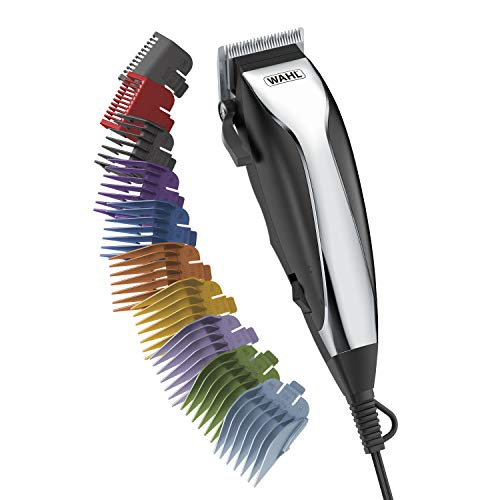
Multi-Cut Hair Clipper - Heavy duty motor for exceptional power and no-snag cutting; features an adjustable taper lever for easy blending and fading. This results in a very strong audible hum, but is completely normal to its operation. Don’t settle for a weak clipper.
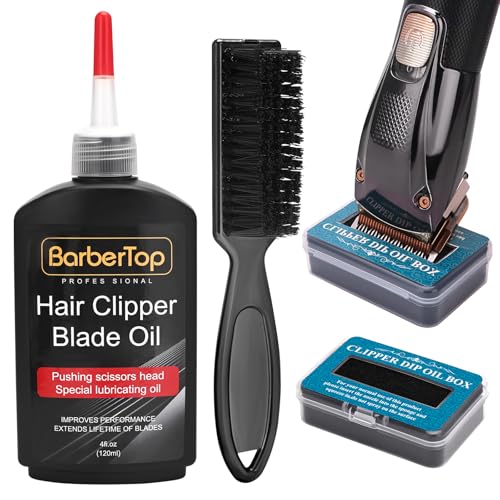
BarberTop: Our brand's Hair Clipper Oil is colorless and odorless, gentle on skin, rust-preventive, and cooling. It delivers convenient and efficient performance, significantly extending the lifespan of your tools.