To use your Freebird Shaver effectively, first cleanse and soften your skin with warm water and pre-shave oil. Maintain a 30-degree blade angle with light to medium pressure, using short, controlled strokes in multiple passes rather than aggressive single sweeps. Shave with-grain first, then across-grain, reserving against-grain passes for touch-ups only. Rinse blades between passes and verify your shaver’s fully charged before starting. For thorough guidance on grip selection, travel preparation, and preventing skin irritation, explore the detailed techniques available to you.
Prepare Your Skin and Shaver Before You Start
There are five essential steps you’ll need to complete before you start shaving with your Freebird: cleanse your skin, soften your hair, apply protective products, charge your shaver, and choose between dry or wet shaving. First, wash your face to remove oil and dead skin that obstruct blade contact. Next, take a warm shower to soften hair, reducing pulling and tugging during your shave. Then, apply pre-shave oil to create a protective layer and enhance glide. Simultaneously, confirm your FlexSeries is fully charged to avoid mid-shave battery failure. Finally, decide between dry or wet shaving based on your skin hydration preferences and tolerance. For those with sensitive skin, consider choosing a shaver designed to prevent irritation or ingrowns during the grooming process. This pre-shave routine establishes ideal conditions for a smooth, irritation-free shave. For electric shavers like the Freebird, ensure your shaver head is clean and free of debris by rinsing after each use to maintain optimal cutting performance, and perform periodic deep cleans to remove hair, residue, and buildup that accumulate over time.
Choose Your Grip Based on Shaver Type
With your Freebird prepared and ready to use, selecting the right grip becomes your next consideration. You’ll find two distinct options: the Standard Grip with its oval shape and plastic-lined panels, and the Pro Grip featuring a rectangular design with rubberized surfaces.
The grip comparison reveals critical differences in performance. The Standard Grip’s plastic coating provides basic traction suitable for straightforward head-shaving motions. However, the Pro Grip’s rubber sections and anti-slip coating deliver superior grip advantages, particularly during wet shaving. Its matte finish prevents slipping on soapy hands, reducing drop risk markedly. Both grip options are designed to work seamlessly with Freebird’s similar accessory kit, ensuring compatibility regardless of which you prefer. The Pro model’s rubberized design has been engineered with 8500 RPM motor technology to enhance control during your shaving routine.
If you’re shaving in the shower, the Pro Grip’s rubberized exterior outperforms standard plastic in wet conditions. Though the rectangular form requires initial adjustment, most users adapt quickly. The Freebird FlexSeries Kit is specifically engineered to deliver irritation-free results for sensitive skin, making it an excellent choice for those concerned about nicks and discomfort during grooming. Choose based on your primary shaving environment and comfort priorities.
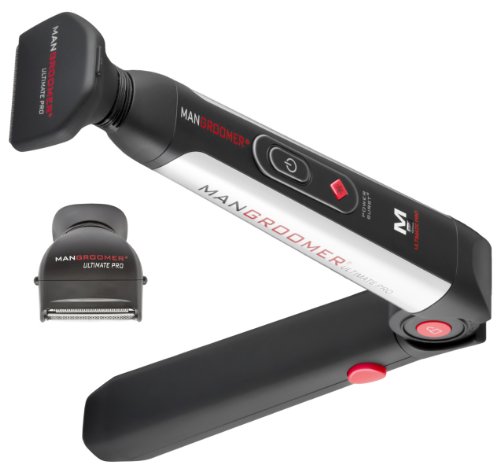
The new ULTIMATE PRO Back Shaver's unique patented design will enable you to reach all areas of your back by yourself with ease and shave off all your back hair effortlessly, plus added Power Burst button to shave through extra thick and coarse hair. battery life is estimated 3-4 years.Charging time from depleted to full charge is 6-8 hours, but initial charge can be from 8-12 hours

【WHATS INCLUDED】5 Different size of grip’s are included for Trimmers, Clippers & Shavers which allows you to fit in most Brands including Supreme Trimmer. ( No Clippers , Trimmers or Shavers included)

WHATS INCLUDED: 5 Different size of grip’s are included for Trimmers, Clippers & Shavers which allows you to fit in most Brands including Supreme Trimmer. ( No Clippers , Trimmers or Shavers included)
Master the Right Shaving Motions for Closer Results
Mastering proper shaving technique separates mediocre results from the close, comfortable shave you’re after. You’ll achieve ideal angles by maintaining your Freebird at 30 degrees—let the cap and guard gently kiss your skin while only the blade edge makes contact.
Execute multiple mild passes rather than one aggressive stroke. Start with the grain, re-lather, then go across grain. Use short, controlled 2-millimeter strokes on contours to prevent nicks around sensitive areas. Rinse your blade every couple strokes. To prevent clogging and maintain optimal blade performance, use fresh blades for each shave to ensure the sharpest edge throughout your routine.
Keep your skin taut with your free hand and work systematically from crown downward with overlapping coverage. Before you begin, prepare your skin by applying a thin layer of shave cream, oil, or moisturizer to ensure proper blade glide and comfort. For hard-to-reach areas like your back, consider using an extendable handle shaver to maintain control and visibility. These shaving techniques guarantee you’ll feel for missed patches and maintain control throughout your routine, delivering consistently superior results.
Shave Against the Grain for Maximum Closeness
While shaving against the grain delivers the closest possible shave by cutting hair below the skin surface, you’ll need to weigh this benefit against increased risks of cuts, ingrown hairs, razor burn, and irritation. This advanced shaving technique works best on low-sensitivity skin with thick stubble.
To minimize damage, map your facial hair growth patterns first. Use multiple passes: with-grain initially, then across, and finally against-grain only for touch-ups. Apply minimal pressure and rinse between passes to assess progress. Incorporating Vs Shave Prep into your routine helps soften hair for easier cutting and can minimize post-shave irritation during this multi-pass technique. For those seeking even more mess-free grooming solutions, vacuum trimmer systems offer an alternative approach to managing facial hair growth without the irritation risks of against-grain techniques.
Your skin sensitivity determines viability. If you’re prone to bumps or redness, against-grain shaving risks follicle damage that negates closeness gains. Consider whether the slightly smoother finish justifies potential healing periods. Proper preparation and quality equipment help, but with-grain techniques remain scientifically superior for irritation prevention. Maintaining your grooming tools through regular clipper disinfection ensures optimal performance and hygiene for any shaving or trimming routine.
Apply the Correct Pressure to Avoid Irritation
Applying excessive pressure to your Freebird Shaver represents the most common mistake beginners make, yet it directly undermines your shaving results. Your device performs most effectively without added force, so pressure management remains critical for success.
Heavy pressing causes razor burn, skin irritation, and hair tugging—counterproductive outcomes that compromise your shave quality. Instead, use light to medium pressure exclusively, allowing your shaver to glide smoothly across your skin without forced contact. While shaving preferences vary widely, from those maintaining military grooming standards to personal grooming choices, proper technique remains universal. Holding your razor at a consistent 30-degree angle ensures optimal blade contact and reduces the need for excessive pressure.
Your skin sensitivity depends entirely on proper technique. Dull or clogged blades force you into applying excessive pressure, so rinse your shaver during use and maintain sharp blades. Pre-shave oils enhance glide, reducing friction and your need for compensatory pressure. Most users notice significant improvement after the 21-day adjustment period as their skin adapts to electric shaving.
Stretch your skin taut during shaving to catch more hairs effortlessly, eliminating pressure dependency entirely.
Clean Your Blades After Every Shave
Maintaining clean blades after each shave directly determines your Freebird Shaver’s longevity and performance. You’ll prevent blade slowdown and jamming by removing hair buildup through effective blade maintenance.
Start your cleaning techniques by running the shaver under water for 30 seconds until it runs clear. Turn the shaver on while rinsing individual blades to flush out the integrated hair chamber. Open each outer blade using side indentations and remove the center blade by turning it counterclockwise.
Hold all blades under warm running water until fully clear, eliminating residue and debris. Allow them to air dry completely before reassembling. For optimal results, inspect blades regularly for any signs of wear or damage that may affect performance. Consider using advanced cleaning options like automated cleaning pods for superior results compared to water alone. Monthly blade lubrication with clipper-specific oil helps maintain optimal cutting performance and extends your shaver’s lifespan. Install the center blade first by rotating clockwise, then close each outer blade cover.
This routine maintenance guarantees cutting performance, prevents irritation, and keeps your Freebird Shaver in prime condition.

Complete Trimmer Maintenance Kit: Includes 100ml clipper cleaner, 100ml clipper oil, 6.1cm dual brush & 11.3cm long brush. Perfect for home, salon, daily shavers & moms. A thoughtful gift for any clipper owner

Multi-function Trimmer Cleaning & Maintenance Kit: compatible with shavers, hair clippers, and all types of electric trimmers. Easily removes hair, grease, and dust from the blade head; effectively conditions and protects the blade surface, reduces stalling and wear, and extends the service life of your device.

🍒High Quality Materials: Our shaver brush is made of high quality PP plastic and the brush head is made of high-quality nylon material Durable and sturdy the shaver brush is sturdy and not easy to fall off with good toughness The brush handle is designed with anti slip particles, providing a comfortable grip that will not easily fall off or deform.It can be used for a long time
Charge Fully Before Your Next Shave
Once you’ve cleaned and dried your Freebird Shaver’s blades, you’ll want to ascertain the device is fully charged before your next shave. Place your shaver on the charging dock and connect it to a standard 5V USB power source. The charging duration takes approximately 60 minutes via dock, though direct USB cable charging requires 1.5 hours. Monitor the LED indicators to track progress—a solid red light signals active charging, while a solid green light confirms 100% completion. Sequential LED fill-up illuminates during the charging process on compatible models. A full charge provides up to 90 minutes of shave time, delivering roughly 30 shaves per charge. For travel and portability, consider how battery life and waterproofing compare across different shaver models to ensure reliable grooming on-the-go. Premium shavers with hypoallergenic foils and powerful motors deliver superior performance and closer shaves during extended trips. The FlexSeries® Pro Charging Dock features a stable base that secures your device safely while charging. For peak performance, always ascertain your device reaches complete charge before use.

[Compatibility] Charging Dock Compatible with Freebird FlexSeries Electric Head Hair Shaver. NOT compatible with Freebird FlexSeries pro

Compatibility-Replacement Charging Dock for Freebird FlexSeries Electric Shaver for Women.Note: NOT compatible with Freebird FlexSeries Pro; check your shaver model before purchase.
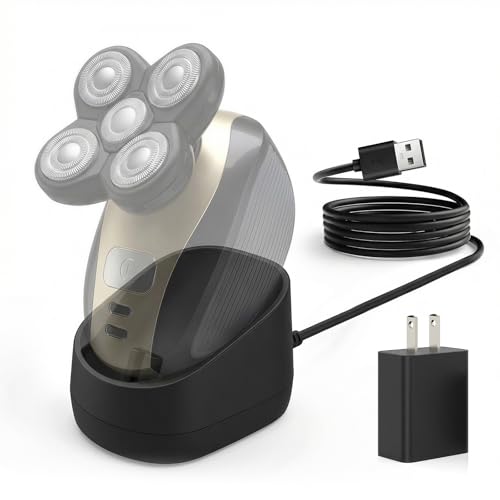
Compatibility-Replacement Charging Dock for Freebird FlexSeries Electric Head Hair Shaver.Note: NOT compatible with Freebird FlexSeries Pro; check your shaver model before purchase.
Lock Your Shaver for Travel and Storage
When you’re preparing your Freebird Shaver for travel or extended storage, you’ll want to activate the travel lock feature to prevent accidental power activation and protect your device. Press and hold the power button for 3-4 seconds until the LED lights flash, confirming engagement. The travel lock prevents unintended activation during transport while enabling battery preservation by eliminating phantom power drain from accidental button presses.
For best protection, attach the blade cap cover and remove the shaving head before packing. Store the head separately in a protective compartment to prevent damage from luggage pressure. Consider choosing a model with wet/dry versatility for added flexibility during your travels. Your device remains inactive indefinitely while travel lock’s engaged, preserving your battery charge until you’re ready to use it again. The LED lights will stop flashing to indicate the travel lock has been deactivated. Simply press and hold the power button for 3-4 seconds to deactivate and resume normal operation.

Complete with All Essential Accessories: This women's grooming kit comes with a full suite of professional accessories - including 3 specialized trimmer heads (hair, foil, facial), 2 adjustable hair guards, a cleaning brush and USB charging cable. Everything you need for precise head-to-toe hair removal is conveniently included in one box.

[Special Design] We have specially designed a pink storage case, tailored specifically for the WEQOEE/ UpperX/ Burtily/SHPAVVER/ umither electric shavers you've been looking for. This travel storage case offers ample space to accommodate your pink 5-in-1 7D electric shaver upgraded version and its accessories.

MINI POCKET SHAVER FOR TRAVEL AND TOUCH-UPS: A compact single-foil electric shaver for stubble, neckline cleanup and shaves on the go. It fits a pocket, glove box, gym bag or carry-on, so a clean face is always within reach.
Prevent Razor Burn and Skin Irritation
To minimize razor burn and skin irritation with your Freebird Shaver, you’ll need to master proper technique, maintain sharp blades, prepare your skin correctly, and follow a consistent cleaning routine. Shave slowly with light pressure using the grain direction, which reduces irritation across all skin types. Replace dull blades every 5-10 shaves to prevent tugging and bacterial buildup. Before shaving, apply warm water and pre-shave oil to soften hair and protect your skin. Rinse your blades during and after each shaving session, then store your shaver in a dry location. Electric shavers like the Freebird cut hair at or above the skin surface to eliminate razor burn, nicks, and ingrown hairs more effectively than traditional blades. Avoid pressing too hard or using aggressive motions, as excessive pressure can push skin tissue into the foil perforations where blades scrape away shallow layers. Finally, apply moisturizer post-shave to calm irritated areas. For prolonged relief from any irritation that does occur, consistent use of aloe vera, hydrocortisone cream, and witch hazel can help soothe persistent inflammation. These shaving tools and practices work together, ensuring your Freebird Shaver delivers clean cuts without painful bumps or burns.

EXPERIENCE THE PERFECT SHAVE TODAY: Clubman Pinaud Shave Oil enhances razor glide for an exceptionally close, comfortable shave. This combats razor burn, rashes, ingrown hairs, and nicks, making it one of the best beard oils and shaving oils for men.

Nourish and Prepare - Bevel Pre Shave Oil is enriched with a powerful blend of Castor Oil, Olive Oil, and Tea Tree Oil, providing deep hydration and nourishment to your skin, while preparing your facial hair for a smooth shave

Fix Poor Contact and Uneven Shaving Results
Even with perfect technique and well-maintained blades, you’ll notice uneven shaving results and missed patches if your Freebird Shaver isn’t making proper contact with your skin or if internal components aren’t functioning efficiently. Start with contact cleaning: use isopropyl alcohol and cotton swabs to remove debris from charging contacts and ports. Faulty cables commonly cause connection issues, so test different USB-C cables and power adapters to isolate the problem.
Next, address battery maintenance. Battery degradation typically occurs after 12 to 18 months of regular use, reducing power delivery and shaving consistency. Recalibrate your battery by fully discharging it, then charging uninterrupted for 4 to 6 hours. For optimal charging efficiency, ensure you’re charging at room temperature between 68-75°F. Check voltage with a multimeter—readings below 3.7V indicate replacement necessity. These systematic approaches restore peak shaving performance.