You’re making a personal choice with no physiological health benefits. Consider your skin sensitivity, maintenance commitment, and grooming priorities before deciding. Shaving requires upkeep every 1-2 days and risks irritation, while laser hair removal offers longer-lasting results with fewer ingrown hairs after multiple sessions. Trimming provides a low-risk alternative. Your decision should align with lifestyle demands and body image preferences rather than masculine standards. Understanding each method’s commitment level will help you determine what works best for you.
Why More Men Are Removing Belly Hair: Trends Explained
As male grooming standards evolve, men’s engagement with body hair removal has shifted dramatically. You’re experiencing unprecedented grooming pressures that reflect changing societal norms. Data indicates 58% of men aged 16-24 feel pressure to groom body hair, compared to just 22% over 65, demonstrating generational differences in expectations.
The global male grooming market reached USD 81.2 billion by 2024, with laser hair removal procedures on men increasing 778% from 2000 to 2020. You’re witnessing behavioral normalization—practices once considered metrosexual now represent mainstream grooming among under-30s. Social media’s proliferation intensifies image-consciousness, particularly through selfies, driving adoption of aesthetic treatments. Medical-grade laser systems now enable long-term hair reduction solutions that were previously unavailable to men seeking permanent grooming results. For those preferring temporary solutions, specialized body trimmers designed for sensitive areas offer safe and effective grooming alternatives, with techniques like shaving in the direction of hair growth and using appropriate guard settings to prevent irritation.
Belly hair removal specifically reflects broader acceptance of permanent hair reduction solutions. Half of U.S. men now regularly groom pubic hair, indicating normalized body maintenance routines extending beyond traditional shaving practices.

Safe and Efficient Trimming: PRITECH razors for men uses ceramic blades with built-in protection. On the surface where the blade contacts the skin, we have implemented a chamfered design, ensuring that it never cuts, pulls, or irritates the skin, and guarantees efficient hair trimming. This body trimmer for men equipped with 3 adjustable comb attachments and 5 lengths (1.5mm, 3mm, 6mm, 9mm, 12mm), it meets your diverse trimming requirements

NO BURNS. NO BUMPS. NO BS: Forget the fear of nicks. Our ceramic blade trims just above the skin—no irritation, no redness, no razor burn, and no ingrown hair. It’s smooth sailing from top to below the belt.

Multipurpose Trimmer - Perfect for facial hair detailing with the detail & rotary heads; great for any area needing light hair removal such as nose, ear, brow, sideburn, toes, & touch-ups on the neckline
Should You Remove Your Belly Hair? A Personal Decision Framework
Whether you should remove your belly hair ultimately depends on weighing your personal preferences against practical considerations—skin sensitivity, maintenance commitment, and risk tolerance for the removal method you choose. Body image concerns and cultural perceptions greatly influence this decision, though removal offers no physiological benefits. Assess your skin’s reactivity; sensitive skin increases irritation risks from shaving, waxing, or depilatory creams. Consider regrowth frequency: shaving requires frequent maintenance, while laser provides longer-lasting reduction over 6-8 sessions. Evaluate cost-benefit analysis against time commitment. Trimming represents the safest option, maintaining hygiene without removal risks. Hair removal methods such as shaving and waxing can lead to complications like razor burn and folliculitis that may outweigh aesthetic considerations. Grooming also carries risks of skin irritation, ingrown hairs, and infections that should be considered before choosing a removal method. Belly hair naturally provides protection to sensitive skin by trapping bacteria and preventing chafing, much like pubic hair serves similar protective functions. Ultimately, no medical necessity exists for belly hair removal. Your choice should align with personal comfort, aesthetic preferences, and tolerance for potential adverse reactions rather than external pressures.
Does Removing Belly Hair Affect Your Masculinity?
The relationship between body hair removal and masculine identity isn’t straightforward—it’s heavily mediated by social context and peer perception rather than determined by the removal act itself. Research shows you’ll face greater social penalties from other men than from women when removing body hair, including accusations questioning your sexual identity. However, the psychological threat depends on your removal method and the narrative you construct around the decision. You can preserve masculinity perception by framing removal as an expression of autonomy or employing traditionally masculine depilation methods. Ultimately, your peers’ acceptance—particularly from other men—outweighs partner preferences in influencing your grooming choices. The threat to masculinity stems not from removal itself, but from how you contextualize and communicate that decision. Studies using Theory of Planned Behaviour analysis have found that positive attitudes toward body hair removal correlate with higher intention for grooming behaviors among young men.
Laser vs. Shaving: Which Method Lasts Longer?
If you’re weighing long-term results, shaving and laser hair removal operate on fundamentally different timelines. Shaving’s primary drawback is its brevity—you’ll experience stubble regrowth within 1-2 days, requiring maintenance twice weekly indefinitely. This creates a dependency cycle demanding constant product use and repetition.
Laser advantages emerge through sustained efficacy. After completing multiple sessions spaced 5 weeks apart, you’ll achieve considerable permanent reduction lasting months or years. Research demonstrates this disparity: laser-treated areas show only 1mm hair growth versus 7mm in shaved areas after four weeks. Additionally, ingrown hairs are significantly reduced with laser treatment compared to the frequent irritation caused by shaving. For the safest results with shaving, consider using an electric trimmer or styler to avoid razor rash and other skin irritation. For precise edge detailing and cleaner lines on body hair, precision trimmers with sharp blades can provide more controlled results than standard razors.
While shaving offers immediate smoothness, laser provides long-term relief. Post-treatment, you’ll need occasional maintenance sessions only. For durability and reduced upkeep, laser hair removal considerably outperforms shaving’s temporary results.

Visible Results in Just 4 Weeks*: Ulike Air 10 IPL hair removal device features latest IPL technology that brings visible hair reduction in only 4 weeks*. Using it consistently every two days for the first two weeks, you will experience 96.52% hair reduction and slower hair regrowth(for the bikini area). A perfect holiday gift choice for women and men to get smooth skin at home with Ulike IPL.

AT-HOME IPL HAIR REMOVAL: Braun IPL hair removal is an at home laser hair removal alternative for women and men, with permanent visible hair reduction and up to 2 years free from hair*

❄️ PAINLESS & EFFECTIVE: Advanced IPL tech glides smoothly with cooling contact, safe, effective & nearly painless hair removal sessions.
The Reality: Regrowth, Maintenance, and Long-Term Commitment
Once you commit to shaving belly hair, you’re entering a cycle of perpetual maintenance that demands consistent effort throughout your lifetime. Your regrowth timing depends on individual factors—genetics, hormonal levels, and hair density determine how frequently you’ll need to shave, typically weekly to biweekly. Maintenance tips include establishing a consistent schedule aligned with your growth rate and skin sensitivity. You’ll invest considerable time and money replacing razors, purchasing shaving products, and performing regular sessions. To keep your razor performing optimally, incorporate regular razor maintenance into your grooming routine to remove hair and debris buildup. Hair growth rates remain constant until age-related slowdown occurs after thirty. Unlike permanent methods, shaving provides no lasting reduction. Body hair, particularly torso hair, grows at 0.2 to 0.35 mm/day, which influences how quickly visible regrowth appears between shaving sessions. For those with sensitive skin, consider using electric shavers for sensitive skin to minimize irritation and razor burn during your maintenance routine. Understanding this commitment helps you decide whether temporary hair removal aligns with your grooming priorities and lifestyle expectations.

Skin Friendly Foil System: Dudes, meet your no-yank zone! These grooming beasts rock precision titanium blades with built-in smart sensing tech – bye-bye beard tugging. The floating head design? Lets your portable razor glide like butter on facial contours. Smooth operator status: unlocked

From the #1 electric shaver brand¹: Shaver 2400 Series gives you a fast, clean shave even on sensitive skin thanks to 27 self-sharpening ComfortCut blades and 4D Flex Heads

Unique OneBlade Technology delivers a fast, clean shave while caring for skin for first-time shavers.
How to Choose Your Method: Cost, Pain, and Permanence
Now that you understand the maintenance burden shaving demands, you’ll need to evaluate which hair removal method actually fits your circumstances. Consider your pain tolerance first: shaving and depilatory creams are painless, while waxing causes significant discomfort. Laser removal and electrolysis involve moderate to minimal pain respectively.
Cost comparisons reveal substantial differences. Shaving requires minimal investment in razors, though specialized body grooming trimmers offer precision alternatives for sensitive areas. Depilatory creams offer affordable at-home solutions. Waxing demands moderate salon expenses. Laser removal necessitates substantial investment across multiple sessions. Electrolysis proves most expensive, ranging $35–$200 per session with frequent follow-ups.
For permanence, shaving and depilatory creams provide temporary results requiring constant repetition. Waxing extends intervals between treatments. For those seeking gentler options on sensitive skin, electric razors with floating foil technology can minimize irritation while providing temporary hair removal. Laser removal offers semi-permanent reduction through multiple sessions that gradually diminish hair regrowth over time. Electrolysis delivers FDA-approved permanent follicle destruction, though it demands extended commitment and professional administration.

Body, Pubic, Groin&Bikini- OLOV trimmers were designed for below-the-waist grooming but work great on your not so private parts too

Unique OneBlade Technology: fast-moving cutter (100x per second) powers through any length of hair, while skin protector and rounded tips protect your armpit and pubic skin

SpotGlide Blade Technology: Unlike others in the industry, MANSPOT's SpotGlide Blade Technology features a wider 40mm ceramic blade designed to cover more area in fewer passes, reducing friction and irritation in sensitive areas including the groin. Rounded tip guards and a hypoallergenic steel and ceramic blade combination help minimize nicks and discomfort for a clean, comfortable result, no razor burn, no regrets.
Your First Appointment: What Actually Happens
Before you commit to a hair removal treatment, you’ll undergo an initial consultation where the technician assesses your skin type, hair color, and specific goals while reviewing your medical history, current medications, allergies, and skincare routine. The technician addresses your concerns and establishes realistic expectations for results.
During pre-treatment preparation, you’ll shave the target area 12-24 hours prior to your appointment to guarantee the laser or wax effectively targets follicles. On treatment day, avoid applying lotions, makeup, deodorants, or perfumes. The technician cleanses the area and provides protective goggles for safety. Similar to how a clean-shaven look requires frequent upkeep, hair removal treatments demand consistent maintenance sessions to sustain results. For men seeking a stubble appearance rather than complete hair removal, specialty shavers with advanced spacer technology can achieve a neatly groomed 2-3 day growth look.
The actual procedure varies by method: laser sessions last 15-30 minutes depending on area size, while waxing requires hair grown to at least one-quarter inch length. You’ll experience mild discomfort but no significant pain during treatment. A patch test may be conducted to assess your individual skin’s reaction to the treatment method before proceeding with the full session.

【Effective IPL Hair Removal】They zap away unwanted hairs at their roots, which significantly slows down regrowth for smoother skin. With 5J/cm² high energy and a 600nm wavelength, the device delivers light deeper into the hair follicles, effectively damaging them to reduce hair growth over time. This offers longer-lasting results compared to shaving or waxing.

Razorless Cream Shave for Bald Heads: The best way to get rid of razor bumps is to get rid of the razor! Our depilatory cream features a light fresh scent, works in 4 minutes and lasts for 4 days.
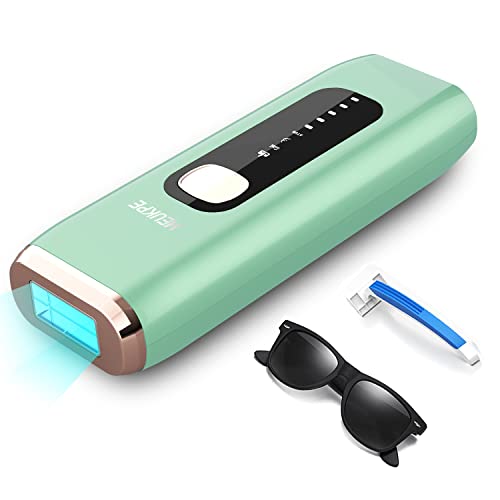
【Permanent IPL Hair Removal】: This is a professional grade IPL hair removal device that is easy to operate and use. Adopting advanced 3.0 IPL high-energy laser technology (600-1200nm red light wavelength), breaking the hair growth cycle, achieving permanent hair reduction, and achieving salon level effects; Say goodbye to hair removal wax - enjoy long-lasting smooth skin.