
You don’t need to shave your pubic hair for medical reasons—it naturally protects against friction, infection, and harmful microorganisms. However, if you choose removal, understand the risks: shaving causes nearly three times more injuries than other methods, including razor burn, ingrown hairs, and folliculitis. Trimming with electric clippers offers the safest alternative, considerably reducing injury rates. Waxing and depilatories carry chemical burn and infection hazards. Prioritize safety over aesthetics, and seek medical attention for signs of infection like increased redness or swelling. Your grooming choices deserve informed consideration.
What Does Pubic Hair Actually Do?
Pubic hair serves multiple biological functions that extend well beyond aesthetic considerations. You benefit from natural protection through several mechanisms. The hair reduces friction during sexual activity by acting as a cushioning buffer between delicate skin surfaces. Additionally, pubic hair traps dirt, debris, and potentially harmful microorganisms before they reach sensitive areas, helping prevent infections like UTIs and STIs. Hair follicles produce sebum, an oil that actively inhibits bacterial reproduction. Your pubic hair also maintains ideal genital temperature during varying weather conditions, which supports sexual arousal and physiological function. The amount and thickness of pubic hair varies normally across individuals due to hormonal differences and genetics. As a secondary sex characteristic, pubic hair develops in response to testosterone increases during adolescence. Studies show that grooming injuries like cuts occur in approximately 25% of men who regularly remove their pubic hair. For those seeking to modify their pubic hair, trimming with disinfected scissors offers a quick and low-risk option for shaping. These pubic hair benefits demonstrate why this natural feature plays an important protective role in your reproductive health and overall well-being.
The Real Risks of Shaving and Hair Removal
While the protective benefits of pubic hair are substantial, the practices you might use to remove it carry genuine medical risks. You face significant injury odds when you remove pubic hair frequently and completely. High-frequency full removal increases your injury risk nearly threefold, with common complications including razor burn, ingrown hairs, and folliculitis. More serious risk factors involve laceration, wax burns, and skin infections that occasionally progress to sepsis.
You’re also at greater STI risk when you groom regularly. Skin tears from razors facilitate herpes, syphilis, and HPV transmission. The vagina is naturally self-cleaning and soaps can disrupt pH levels, which is why maintaining your natural protective barriers is important. Just as grooming quality matters more than style in facial hair preferences, the same principle applies to pubic hair removal—how you approach grooming is more important than whether you remove hair at all. Your recovery methods matter considerably—keeping tools clean, allowing adequate healing time between sessions, and using proper aftercare can minimize complications. However, understanding these risks helps you make informed decisions about your body.
Why Shaving Causes the Most Complications
Among pubic hair removal methods, shaving carries the highest injury risk, accounting for 83% of emergency room visits related to grooming injuries between 2002 and 2010. Sharp metal blades create direct contact with delicate genital tissue, substantially increasing laceration risk. The pubis, inner thigh, and labia majora represent the most commonly injured sites.
Razor safety remains compromised by several factors. Blade dullness and improper technique elevate friction and tissue damage. High-frequency grooming—11 or more sessions annually—produces 2.98 times increased odds of injury compared to less frequent removal. Repetitive trauma prevents adequate tissue healing between sessions, compounding cumulative damage. Additionally, open wounds create entry points for bacterial colonization and infection transmission. Regular maintenance with blade wash solutions and clipper oil can help prevent the blade dullness that contributes to injury risk. For safer grooming, electric trimmers with rounded blades offer reduced injury risk compared to traditional razors. Women experience grooming injuries at higher rates than men, with 27.1% of women reporting injury compared to 23.7% of men. For effective injury prevention, consider alternative removal methods or reduce grooming frequency if you choose shaving.
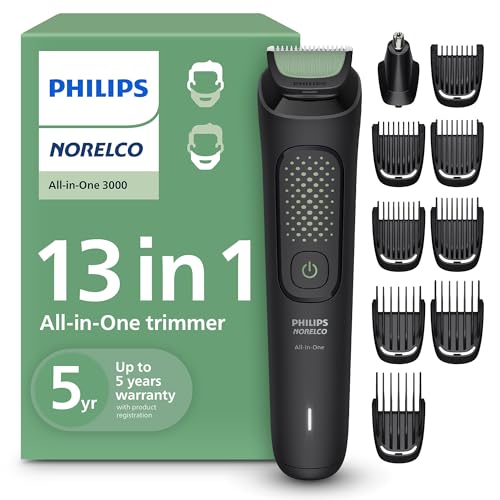
Skin-Friendly Blades: Rounded comfort-blade tips feel gentle on skin for a quick, comfortable trim when shaping beard or hair

2-IN-1 FACE AND BODY GROOMING: This bikini trimmer for women includes a body hair trimmer and face shaver. Use the body head for bikini line, pubic hair, legs and underarms, and the facial head for peach fuzz and quick touch-ups.
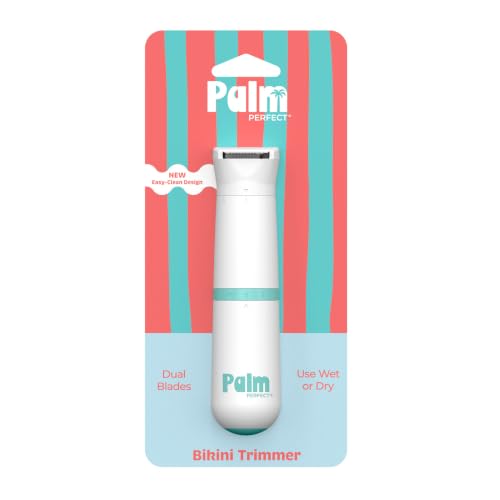
FLAUNT YOUR CONFIDENCE: The PalmPerfect cordless bikini trimmer gives you a bikini line as smooth as tanning oil, providing precise and comfortable results every time.
How to Shave Safely If You Choose To
Given the injury risks associated with shaving, implementing proper preparation and technique greatly reduces harm. You’ll want to soften your pubic hair by soaking in warm water for 5-10 minutes, then gently exfoliate to prevent ingrown hairs. Select sharp, new razor blades and shaving products formulated for skin sensitivity. Trim long hairs first using rounded-tip scissors for even length and safety.
When shaving, pull skin taut and use light, steady strokes in the direction of hair growth. Rinse your razor after each swipe to maintain a clean cutting edge. Work methodically—research shows over 25% of rushed groomers suffer injuries. Consider using body-safe trimmer options specifically designed for sensitive areas to minimize cutting risks. Rotary shavers may offer better contouring than foil shavers for sensitive skin and curly hair types. Maintaining a dedicated grooming kit separate from other tools helps prevent infection and cross-contamination.
Afterward, pat the area dry without rubbing and apply moisturizer to soothe skin. Avoid shaving within two weeks of gynecological surgery to allow proper healing.

THE ULTIMATE DUO FOR WHEREVER YOU SHAVE: Contains a Venus for Pubic hair and Skin Razor plus a Venus Extra Smooth Sensitive Razor. This smooth duo is designed for everywhere you choose to remove hair.

【Multifunctional Mens Grooming Kit】MAXGROOM trimmer for men includes: 1 V-shaped body hair trimmer head,1 U-shaped beard trimmer head with adjustable guide comb (2-6 mm) for beard trimming, 1 T-shaped hair clipper head with 4 guide combs (3/6/9/12mm) for hair styling and haircutting, 1 beard shaver head, 1 nose & ear trimmer head and 1 comb. From your face and beard to body, groin, pubic and balls, this single kit delivers unmatched versatility and performance.

3-IN-1 GROOMING WITH HYPOALLERGENIC ATTACHMENTS: Customize your routine with three versatile attachments designed to prep, shape, trim, and shave the bikini area with comfort and control, helping minimize irritation on sensitive skin
Waxing, Sugaring, and Depilatories: Comparing Infection Risks
Because mechanical and chemical hair removal methods create microtrauma to the skin barrier, they carry meaningful infection risks that differ from shaving. Waxing techniques expose you to genital burns and viral spread, with 10% of molluscum contagiosum cases linked to waxing in clinical studies. Sugaring alternatives present comparable moderate risks, including skin irritation and post-inflammatory hyperpigmentation, though data remains limited. Depilatories pose distinct chemical burn hazards alongside bacterial infection risks when they compromise your skin barrier. All three methods—waxing, sugaring, and depilatories—facilitate pathogen transmission through hair-pulling microtrauma. At salons, non-sterile tools greatly elevate infection exposure. Evidence shows shaving carries the highest risk overall, yet these alternatives present moderate complications including folliculitis and cysts. Research indicates that scratching during hair removal may facilitate virus spread across different body areas. When using depilatory creams, patch testing beforehand helps identify potential allergic reactions before applying to sensitive genital areas. For those seeking safer mechanical alternatives, rechargeable trimmer models with protective guards offer effective hair management with minimal skin trauma. Trimming remains your safest option.

Multipurpose Trimmer - Perfect for facial hair detailing with the detail & rotary heads; great for any area needing light hair removal such as nose, ear, brow, sideburn, toes, & touch-ups on the neckline

WEED WHACKER 3.0 PRO: Our third-generation electric nose hair trimmer for men includes a new SkinSafe eyebrow trimming attachment for precise detailing. Waterproof* design makes cleanup quick and easy—just rinse and go. *IPX7 rated to protect against immersion in up to one meter of fresh water for up to 30 minutes.

WEED WHACKER 2.0: Fitted with a significantly improved stainless steel rotary blade, our second-generation nose & ear hair trimmer provides a closer, easier cut, missing fewer hairs.
Pubic Hair Removal and STI Risk: What Studies Show
Do pubic hair removal practices actually increase your sexually transmitted infection risk? Research shows conflicting findings. A 2017 UCSF study found that extreme groomers—removing all hair over 11 times yearly—faced four times higher STI risk, particularly for herpes and HPV. However, a 2019 Ohio State study with lab-confirmed testing found no association between extreme grooming and chlamydia or gonorrhea risk.
The discrepancy likely stems from methodology differences. Self-reported STI history in the 2017 study may reflect recall bias and confounding factors like increased sexual activity among those with certain grooming habits. Hair removal creates skin damage that potentially enables infection entry, yet definitive causation remains unclear. Pubic hair serves protective biological functions including reducing friction during sex and protecting sensitive skin from pathogens. For those seeking to groom, using body trimmers with protective features can minimize the skin damage associated with hair removal methods. Electric shavers designed for sensitive skin offer particular advantages through features like foil guards limiting blade contact that reduce trauma to delicate areas.
For STI prevention, focusing on safe sexual practices proves more effective than modifying your grooming habits.
Why Trimming Is Your Safest Option
If you’re concerned about minimizing grooming-related injuries while maintaining pubic hair grooming, trimming stands out as the safest approach. Emergency room visits for pubic grooming injuries increased five-fold from 2002 to 2010, primarily from shaving rather than trimming. Electric trimmers equipped with guards designed for pubic hair considerably reduce accidental nicks and cuts compared to razors or scissors. Trimming advantages include lower incidence of wounds, abscesses, rashes, and ingrown hairs versus full removal methods. Selecting appropriate grooming tools—such as quality beard trimmers or pubic-specific scissors—ensures nick-free results on sensitive tissue. For optimal safety, using specialized manscaping devices with skin-friendly designs like rounded blades and adjustable guards provides superior protection compared to standard razors. This method proves especially beneficial for individuals with compromised immune systems from diabetes or chemotherapy, where even minor injuries pose serious infection risks. Unlike complete hair removal, trimming also offers reduced maintenance demands compared to ongoing full shaving routines. Regular trimming also helps trap protective sebum that naturally inhibits bacterial reproduction and maintains the skin’s natural microbiome.

Complete with All Essential Accessories: This women's grooming kit comes with a full suite of professional accessories - including 3 specialized trimmer heads (hair, foil, facial), 2 adjustable hair guards, a cleaning brush and USB charging cable. Everything you need for precise head-to-toe hair removal is conveniently included in one box.

Precision & Safety R-Blade: Achieve a flawless trim every time with our body hair trimmer. The heat-resistant ceramic blades are sharp enough to glide through thick hair without pulling, while the skin-friendly R-shaped tips make this electric trimmer safe for even the most sensitive skin. It's the perfect grooming tool for detailing body hair, trimming various areas, and full-body grooming

Safe and Efficient Trimming: PRITECH razors for men uses ceramic blades with built-in protection. On the surface where the blade contacts the skin, we have implemented a chamfered design, ensuring that it never cuts, pulls, or irritates the skin, and guarantees efficient hair trimming. This body trimmer for men equipped with 3 adjustable comb attachments and 5 lengths (1.5mm, 3mm, 6mm, 9mm, 12mm), it meets your diverse trimming requirements
When to See a Doctor: Signs of Infection or Injury
While trimming considerably reduces grooming-related injuries compared to shaving, complications can still occur. You should recognize signs infection requires medical attention: increased redness, swelling, warmth, and pus-filled bumps lasting beyond a few days. If you experience spreading inflammation, fever, or severe pain, seek treatment immediately.
Seeking treatment early prevents serious complications like permanent scarring or hair loss. Your healthcare provider can properly drain infected cysts or prescribe antibiotics if needed. Using single-edge safety razors or electric shavers can significantly reduce the risk of these complications in the first place.
The healing timeline varies depending on infection severity. Minor cases resolve within one to two weeks with proper care; infected lesions may require longer. Electric razors with integrated beard trimmers offer additional precision for safer grooming on sensitive areas.
Prevention tips include maintaining clean razors, moisturizing regularly, and exfoliating gently. Avoid tight clothing that irritates the area. Don’t squeeze or pick at bumps, as this introduces bacteria and worsens infection risk. Coarse hair in the genital area increases the likelihood of infection from shaving, so consider alternative hair removal methods if you experience recurrent folliculitis.
Deciding What’s Right for You: Health vs. Preference
Ultimately, pubic hair removal is a personal choice that shouldn’t be dictated by medical necessity—the research is clear that you’ll gain no health benefits from removing it. Your personal grooming decisions should prioritize safety over aesthetic choices. If you decide removal aligns with your preferences, trimming rather than full removal minimizes complications considerably. The data shows 90.7% of shavers experience adverse effects, while partial removal carries substantially lower risk.
Consider your skin type and pain tolerance when weighing options. Licensed professionals reduce injury risk for waxing or laser treatments, though costs may be prohibitive. It’s important to note that overweight women face nearly three times higher risk of complications from hair removal. If you do choose to trim, electric trimmers with SkinSafe® blades offer a safer alternative to razors by reducing the risk of cuts and irritation. Like eyebrow grooming, making small, careful movements with your trimmer while keeping skin taut helps prevent nicks and uneven results. Ultimately, doing nothing remains the safest option. Whatever you choose, avoid depilatory creams and razor shaving on genital tissue. Your health matters more than conforming to grooming trends.

Multifunctional Body Grooming Kit: This men's hair trimming kit features 7200 RPM high-performance motor, which delivers powerful trimming performance and precision trimming close to the skin. It works effectively on the chest, underarms, back, arms, legs and pubic hair, meeting all your daily grooming needs with ease.

OneBlade Technology: Fast-moving cutter (100x per second) powers through hair of any length; protector and rounded tips guard sensitive skin

Body, Pubic, Groin&Bikini- OLOV trimmers were designed for below-the-waist grooming but work great on your not so private parts too