You’ll start by hydrating your skin and applying gentle exfoliation to prevent ingrown hairs. Select a razor suited to your hair density and sensitivity—safety razors minimize irritation while cartridge razors distribute pressure evenly. Apply high-quality shaving cream containing aloe vera to lift follicles and lubricate skin. Use light, gentle strokes in the direction of hair growth, rinsing frequently. Follow with cool water and alcohol-free moisturizer enriched with soothing ingredients. Understanding each preparation step and technique variation profoundly impacts your results.
Prepare Your Skin and Hair Before Shaving
Before you pick up a razor, you’ll want to hydrate your skin and soften your hair through warm water exposure. Soak the area for approximately three minutes in a warm shower or bath to open pores and increase hair pliability. Warm water reduces cutting and irritation risk compared to dry shaving.
Next, cleanse thoroughly with a mild hydrating cleanser or body wash to remove sweat and oil buildup. Clean skin promotes ideal razor glide and prevents clogging. Your pre shave routine should include gentle exfoliation using a scrub, loofah, or washcloth to remove dead skin cells and prevent ingrown hairs.
For dense hair areas, trim excess growth with an electric trimmer beforehand. This preparation step prevents razor clogging and reduces pulling during shaving. Maintaining a sharp, consistent edge on your razor requires regular stropping before each shave to ensure optimal cutting performance. Skin hydration combined with these preparatory steps creates an efficient, less irritating shaving experience. Specialized manscaping devices are designed with skin-friendly features to minimize irritation on sensitive body areas. Using ample shaving gel before shaving adds an additional layer of protection against nicks, cuts, and irritation.
Choose the Right Razor and Tools
Selecting an appropriate razor depends on your body area, hair density, and skin sensitivity. You’ll find three primary razor types suited for body shaving: safety razors, multiblade cartridge razors, and electric trimmers.
Safety razors with double-edged blade materials offer excellent control and reduce ingrown hairs. Choose long-handled models (10-12 cm) for lower legs and short-handled versions for chest areas. Multiblade cartridge razors like Gillette Fusion5 distribute pressure evenly across 3-5 blades, minimizing cuts and irritation. Different body parts require careful consideration due to varying skin sensitivity levels. Maintaining your razor through regular cleaning and disinfection with 70% isopropyl alcohol will extend its lifespan and ensure hygiene between uses.
Electric options provide versatility—the Philips Norelco Bodygroom 7000 excels for sensitive groin areas with its foil head design. For specialized needs, pivoting razors like Leaf Two accommodate body curves effectively. For those with particularly sensitive skin prone to razor bumps, electric shavers with intelligent Sonic Technology offer significant advantages by reducing the number of passes needed over delicate areas.
Consider blade materials carefully; Merkur and Feather blades provide durability and compatibility with safety razors. Match your tool selection to your specific body region for best results.

Smooth & Precise Shave: Single blade design cuts cleanly at skin level, helping reduce the tugging and pulling that multi-blade razors can cause. Designed to minimize razor bumps and ingrown hairs on your face, legs, head, bikini area, and underarms.

Durable long metal handle fits naturally in your hand and provides a weighted-feel for stability while shaving your face

THE PERFECT SHAVE: Make skin irritations and ingrown hair a problem of the past. With the double sided razor, you will achieve the closest shave effortlessly.
Apply Shaving Cream for Smooth Glide
Once you’ve selected your razor, proper shaving cream application becomes essential for achieving a smooth glide and minimizing irritation. Start by soaking your shaving brush in warm water for three to five minutes, which softens bristles and prepares the tool for ideal lather creation. Dispense an almond-sized amount of cream onto the brush, then add small water droplets while whisking in circular motions until you achieve a thick, creamy consistency. Apply this lather in sections across your face and neck, creating an even layer that completely covers all shaving areas. This approach lifts hair follicles and lubricates skin, reducing friction and preventing nicks. The visible shaving cream also prevents accidental re-shaving of treated areas, ensuring efficient technique throughout your routine. High-quality shaving creams containing aloe vera and vitamin E enhance skin protection and provide additional moisture benefits beyond basic formulations.

Shave Cream: This lubricating shave cream is a game-changer; Antioxidants, organic hemp seed oil and soothing aloe vera promote an effortless glide against nicks, cuts and irritation; Semi-transparent cream

CLASSIC PROTECTION: Helps protect your skin against shaving irritation, cuts, nicks, and stinging with Gillette's classic formula

Enriched with healing coconut, vitamin E, and elasticity restoring passion fruit, these all-star ingredients leave skin smooth, springy, and soft to the touch.
Master the Correct Shaving Technique
The foundation of effective body hair removal rests on mastering proper technique, which considerably reduces irritation, ingrown hairs, and razor burn.
Contrary to common shaving myths, you shouldn’t apply heavy pressure during strokes. Instead, employ light, gentle passes that let your razor’s weight do the work. Rinse your blade after every stroke or two to prevent buildup that clogs effectiveness. For optimal safety and control, consider using a safety razor with its protective guard designed to limit blade exposure while allowing precise shaving.
Key technique tips include limiting passes to one per area initially, then reapplying shave product before additional strokes if needed. Maintain a straight razor angle without pressing hard against your skin. Always shave with the grain to minimize irritation and reduce the likelihood of developing painful bumps. Proper preparation such as exfoliating and softening facial hair with warm water is essential for minimizing irritation and achieving a closer shave.
Adjust your direction based on hair growth patterns across different body zones. This evidence-based approach minimizes trauma to your epidermis while achieving ideal results without compromising skin integrity.
Avoid Razor Burn and Ingrown Hairs
While razor burn and ingrown hairs stem from multiple factors, you can prevent both through proper preparation, technique, and maintenance. Shaving frequency greatly influences irritation levels—shaving every 2-3 days gives hair insufficient time to curve back into skin, reducing ingrown hair formation. Conversely, daily shaving or shaving over minimal hair growth causes unnecessary irritation.
You’ll minimize razor burn by shaving with hair growth direction rather than against the grain. Pulling skin taut while examining the area reveals your natural hair growth pattern. Avoid multiple passes over the same region, as this markedly increases irritation risk. Sharp razors require minimal pressure, further reducing skin trauma. Consider using shaving cream or gel to provide essential lubrication that protects your skin during the shaving process. For sensitive areas, electric razors are the safest option as they are designed to avoid grabbing or breaking delicate skin. Electric razors with floating foil technology provide gentle contact with skin while maintaining close shaves for sensitive intimate grooming. Maintaining ideal shaving frequency combined with directional technique creates conditions that prevent both complications effectively.

LED Display & Dual Speed: A built-in LED screen displays remaining battery level at a glance, eliminating guesswork that leads to mid-shave power loss. Paired with 2 selectable speed modes, this electric shaver adapts to different needs: the lower speed provides a gentle pass for sensitive skin, while the higher speed drives through thicker growth
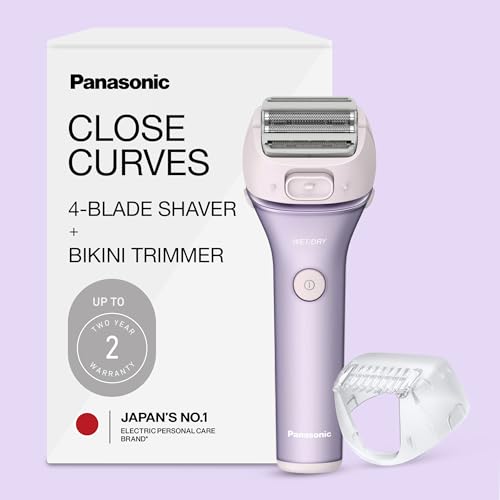
A Safe and Gentle Electric Razor for Women: Experience easy, curve-hugging, smooth shaving with this bikini trimmer for women, featuring a reusable, rechargeable design that minimizes skin irritation and reduces disposable razor waste

Sharp men’s electric shaver blades: Panasonic Arc 5 electric shavers for men with five ultra-sharp precision honed 30° Nanotech blades and ultra-thin Arc foil follow facial contours for a quick, close and comfortable shave; charging time : 1 hour
Calm and Moisturize Post-Shave
After you shave, your skin’s hydrolipidic barrier—the protective layer composed of water and lipids—becomes temporarily compromised, exposing fresh, vulnerable tissue beneath. Your horny layer thins considerably, creating an ideal window for active ingredient absorption but also increasing susceptibility to dryness and irritation.
Begin post-shave hydration by cleansing with a mild, hydrating cleanser and warm water to remove residue and bacteria. Rinsing with cool or cold water to close pores and reduce redness is an integral step in the post-shave routine for optimal skin care. Once dry, immediately apply an alcohol-free moisturizer or aftershave balm containing soothing ingredients like aloe vera, chamomile, or tea tree oil. Products enriched with hyaluronic acid and shea butter restore suppleness effectively. For middle-aged skin especially, lightweight, non-greasy moisturizers with hyaluronic acid or SPF provide optimal hydration and protection.
Massage the product gently across the shaved area for even distribution. Wear breathable cotton clothing to facilitate healing and prevent friction-induced irritation. Be aware that aggressive or frequent shaving can increase risks of ingrown hairs and other grooming-related skin complications that require extra care during recovery.
Compare Alternative Hair Removal Methods
Beyond traditional shaving, you’ve got several hair removal options that vary greatly in effectiveness, duration, cost, and side effects. Waxing benefits include 3-6 weeks of smoothness and finer regrowth, though it causes temporary erythema and irritation. Depilatory creams offer painless application lasting 1-2 weeks but require patch testing and emit strong odors. Laser advantages deliver 70-90% permanent reduction over 6-8 sessions, making it the gold standard for long-term results—particularly effective for dark hair on light skin. Electrolysis provides 100% permanent removal suitable for all hair types, though it demands 15-30 sessions over 18 months. For those seeking semi-permanent results, epilators with radio frequencies can damage hair follicles and reduce regrowth over time. If you prefer traditional shaving, safety razors offer closer shaves with less skin irritation and razor burn compared to multi-blade cartridge systems. Each method presents distinct trade-offs between cost, pain tolerance, and permanence, requiring consideration of your specific needs and hair characteristics. According to survey data, shaving remains the most popular method at 72.33% of respondents, followed by waxing at 13.17%, suggesting that convenience and accessibility drive consumer preferences despite the availability of longer-lasting alternatives.

THE SMOOTHEST SHAVE for both men & women – Significantly reducing ingrown hair, skin irritations and razor burn often experienced with plastic cartridge razors, helping you finally achieve the smoothest, cleanest and closest shave.

THE PERFECT SHAVE: Make skin irritations and ingrown hair a problem of the past. With the double sided razor, you will achieve the closest shave effortlessly.

Clinically proven for sensitive skin