You’ll start by taking a warm shower to soften hair and skin, then exfoliate with salicylic acid or glycolic acid products to prevent ingrown hairs. Apply shaving cream or butter and allow one minute for penetration. Position yourself with a mirror for visibility, maintaining skin tension with your free hand. Shave downward following hair growth with gentle, consistent pressure using short strokes. Rinse thoroughly, pat dry, and apply moisturizer with shea butter or tea tree oil. For ideal technique and post-care strategies, thorough guidance follows.
Prepare Your Skin and Gather Supplies
Before you begin shaving, you’ll want to prepare your skin and gather the necessary supplies to minimize irritation and guarantee safety. Start with a warm shower or bath lasting at least five minutes to soften hair and skin, reducing friction during shaving. Use mild body wash to thoroughly cleanse the area, which enhances razor glide and prevents bacterial contamination.
Your supplies checklist should include a clean, sharp razor with a fresh head—dull blades increase cut risk in sensitive areas. Select a separate body razor to avoid cross-contamination. Gather shaving lubricants such as cream, gel, or specialized shaving butter to create a protective barrier against irritation. For optimal hydration and protection, shave butter is preferred over standard creams or gels. Applying your chosen lubricant and letting it sit for 2 minutes before shaving can further reduce irritation in this delicate area. Since the pubic area has coarse, sensitive skin, it requires gentle care and post-removal soothing with cold compresses or fragrance-free moisturizer. Complete your skin preparation by drying thoroughly with a clean towel before proceeding with shaving.

ENSURES A SILKY SMOOTH SHAVE - Formulated with enriched Macadamia Oil Extracts, Shea, Mango and Cocoa Butters, our Shave Butter has been carefully designed to provide a more comfortable experience and help you avoid pesky nicks, cuts and razor burn.


PROTECT YOUR SKIN – Delivers a smooth, close and comfortable shave
Exfoliate Before Shaving to Prevent Ingrown Hairs
Exfoliation is essential for preventing ingrown hairs, which develop when dead skin cells trap hair beneath the surface or oil buildup clogs pores, forcing hair to curl back or grow sideways into the skin. Exfoliate two to three times weekly using gentle physical or chemical exfoliants to remove dead cells and unclog pores effectively.
Recommended products include body scrubs containing salicylic acid or glycolic acid, which penetrate deeply while manually buffing away debris. Chemical exfoliants like BHA-based cleansers work daily to reduce ingrown risks in oily areas. For sensitive skin, silk scrubs or sugar-based formulations provide gentle exfoliation without over-drying. Salicylic acid has anti-inflammatory properties that calm redness and irritation associated with ingrown hairs.
Products containing tea tree oil, jojoba seed oil, and aloe vera offer soothing benefits while exfoliating. Choosing an electric shaver with ultra-thin foils designed for sensitive skin can further minimize irritation during the shaving process. Consistency with these exfoliation benefits prevents future ingrown hairs and razor bumps effectively. However, be aware that grooming injuries from aggressive shaving practices can increase vulnerability to infections and other complications.

Body scrub with 2% salicylic acid: Exfoliating acne body wash treats and helps prevent acne on back, chest, and shoulders; Cleans pores for clear, healthy-looking skin without clogging pores

[ EXFOLIATING BODY WASH ] Salicylic Acid (SA) is a beta hydroxy acid (BHA), an exfoliator that removes dead skin cells and smooths skin. It acts as a chemical exfoliant, which feels less harsh than physical ones like exfoliating body scrubs.
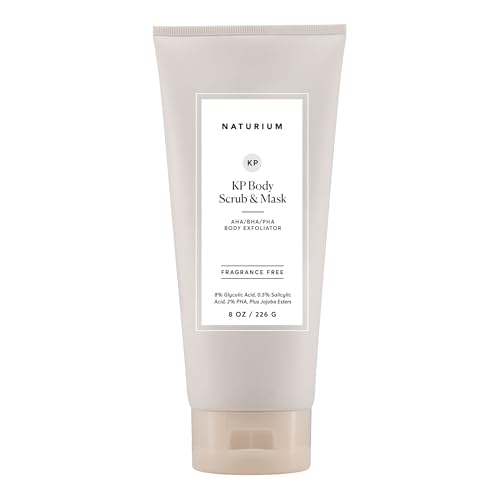
3-IN-1 BODY EXFOLIANT: A body exfoliant that helps smooth the look and feel of rough, bumpy and dull skin. It grips, polishes and helps improve the appearance of skin texture and tone. Developed for aging, dry, combination and sensitive skin.
Apply Shaving Cream or Butter for Protection
Once you’ve removed dead skin cells and unclogged pores through exfoliation, applying a protective layer of shaving cream or butter creates the ideal environment for safe hair removal. Shaving butter hydrates skin more effectively than traditional gels, providing superior lubrication while establishing a protective barrier against razor blade contact. This reduces razor burn, ingrown hairs, and irritation considerably. Cream alternatives offer comparable lubrication with added skin-softening benefits. Apply a generous amount to damp skin, allowing one minute for the product to penetrate hair follicles and soften terminal hairs. The slippery base facilitates smooth razor glide and minimizes trauma to sensitive anal and gluteal tissue. Products from Costco such as Gillette provide reliable quality for this delicate shaving process. For optimal results, consider using products with anti-friction technology that further enhance comfort and reduce irritation during the shaving process. For sensitive areas, specialized tools like skin-friendly trimmers designed for intimate grooming can complement or serve as alternatives to traditional razors. Reapply if water dilutes the initial layer, ensuring consistent protection throughout your shaving session.

ALL-NATURAL SHEA BUTTER: This shave creams contains wild grown, sustainably sourced 100% natural shea butter. eos Shave Cream + eos Body Lotion are paraben, phthalate, and gluten-free. Leaping bunny certified. No products tested on animals

eos VANILLA CASHMERE: Our non-foaming Shave Cream features a sweet and nuzzly Vanilla Cashmere scent that captures the warmth of whipped vanilla, the softness of musk, and the coziness of caramel for a rich, luxurious fragrance with a sensual twist

Enjoy Shaving Again - Our men's grooming products are crafted with safe, natural, plant-derived ingredients to give you the smoothest shave possible without risking razor burn. Use this shaving cream anywhere you shave and pair with your skin care for men regimen.
Position Yourself for Visibility and Safety
Proper positioning is critical to minimizing injury risk when shaving the buttocks and perianal area, as inadequate visibility greatly increases the likelihood of cuts and nicks in this sensitive region. Establish mirror positioning by propping one leg on a bathroom stool or tub edge, or squat over a handheld mirror for direct visualization. Seated positioning in the bathtub provides optimal safety and control. Maintain skin tension by using one hand to hold cheeks apart while your other hand manages the razor. This technique improves visibility and allows smoother blade movement across the skin. Fresh razor blades are essential given the challenging angles and limited sightlines. Consider using a specialized body groomer with rounded blades and adjustable guards designed specifically for sensitive areas rather than standard razors, as trimmers carry minimal risk of nicks, irritation, or ingrown hairs compared to traditional shaving methods. Avoid reaching too deeply into inner areas to prevent tissue trauma. Grooming is an essential aspect of self-care that requires careful attention to comfort and safety in sensitive areas.
Master the Shaving Technique: Direction and Pressure
Three critical factors—direction, pressure, and stroke technique—determine whether you’ll achieve smooth results or experience irritation and ingrown hairs.
Always shave in the direction of hair growth, using downward motions from your buttocks toward your thighs. This approach notably reduces ingrown hair risk and minimizes skin sensitivity reactions.
Apply gentle, consistent pressure throughout. Use slow, short strokes with your shaving tools, holding skin taut with your free hand to improve accessibility and control. Never repeat strokes over the same area, as this increases irritation probability and razor burn likelihood. Monitoring for discomfort or redness during the process allows you to pause and reassess pressure if needed. Before shaving, moisten your skin with warm water to soften facial hair and prepare the area, which is essential for minimizing irritation and achieving a closer shave. Maintaining even pressure during the shaving process prevents wear marks and skin damage similar to proper blade maintenance techniques.
Keep your razor perpendicular to skin, preventing sharp stubble formation. In sensitive areas, employ particularly careful, deliberate movements. Stop immediately if you notice redness or discomfort, as these indicate excessive pressure or technique adjustment needs.
Shave Each Side Systematically
Now that you’ve mastered proper technique, systematic approach to each side guarantees thorough coverage and minimizes missed patches. Begin with your left side by positioning your leg on the tub edge and spreading the cheek with your right hand. Start shaving at the innermost area, moving upward slowly along natural hair growth patterns. Rinse your razor frequently to prevent hair buildup. After completing the left side, switch to your right cheek using your left hand to maintain tension. Apply fresh shaving gel and use identical upward strokes, following the same methodical pattern. This butt shaving strategy secures even results across both sides. Verify smoothness with your mirror before proceeding to final rinsing. To minimize irritation and ingrown hairs, consider using body trimmers with guards rather than foil shavers for this sensitive area. Change your razor blade every 5-7 shaves to ensure you’re using a sharp, clean razor that prevents irritation and provides the closest shave.
Moisturize and Prevent Post-Shave Irritation
After you’ve completed shaving, immediate post-shave care is essential to minimize irritation and promote skin healing. Rinse thoroughly with mild soap and warm water to remove all residue, then pat your skin dry gently with a soft towel to prevent micro-tears.
Select a post shave moisturizer containing beneficial ingredients like shea butter, hyaluronic acid, tea tree oil, or lavender to provide hydration and antimicrobial protection. Apply your chosen product to the shaved area, excluding the butthole region, while your skin remains slightly damp to optimize absorption. Regular moisturizing application helps prevent ingrown hairs that commonly develop in this sensitive area. For those with sensitive skin, razors with 2X lubrication before and after the blades can significantly reduce post-shave irritation.
For irritation relief, consider layering multiple aftercare treatments if you have sensitive skin. If you’re using an electric shaver, remember that blade and foil wear can increase skin irritation, so maintaining your device in optimal condition is important for comfortable shaving. Wear loose, breathable cotton underwear during the regrowth phase to reduce friction and prevent itching. Avoid additional shaving until your skin fully recovers, typically within a few days.

BLACKSTONE MEN'S GROOMING POST SHAVE MOISTURIZER: Cooling balm refreshes, hydrates, and soothes the skin. Sandalwood, 6 oz.

FINAL STEP FOR 72-HOUR HYDRATION: Our Body Cream soothes, moisturizes & smoothes dry skin, making it a great addition to your collection of body skin care products or personal care products

Premium Ingredients - Our Bevel After Shave Balm for Men is formulated with Shea Butter, Jojoba Oil, Tea Tree Oil, and Witch Hazel, delivering a soothing and cooling experience for your skin
Laser Hair Removal vs. Shaving: Which Is Right for You?
When you’re considering long-term hair removal solutions for the buttock area, you’ll want to weigh shaving against laser hair removal based on efficacy, cost, and durability.
Shaving offers immediate convenience and requires minimal upfront investment, though you’ll need repeated applications every few days. Laser hair removal benefits include sustained results, with 6-10 sessions achieving 80-90% permanent hair reduction. While laser demands higher initial costs, you’ll save substantially over time by eliminating recurring expenses.
Shaving provides temporary results requiring constant maintenance, whereas laser treatment produces semi-permanent outcomes lasting years. Clinical data demonstrates 87.9% of patients report sustained improvement 11.5 years post-treatment. The 755 nm alexandrite laser has been proven safe and efficacious for long-term hair reduction in diverse skin types. Dark, coarse buttock hair responds efficiently to laser therapy. For those choosing shaving, proper preparation steps like keeping skin dry ensure blades glide smoothly and reduce irritation. Regular maintenance of your shaving tools, including oiling your razor blades, helps prevent pulling and extends their effectiveness.
Choose shaving for budget-conscious, immediate solutions. Select laser hair removal for long-term efficacy and durability despite higher upfront costs.

Gently and quickly remove unwanted hair

THE ULTIMATE DUO FOR WHEREVER YOU SHAVE: Contains a Venus for Pubic hair and Skin Razor plus a Venus Extra Smooth Sensitive Razor. This smooth duo is designed for everywhere you choose to remove hair.

GENTLE BIKINI RAZORS: Gently remove unwanted hair along the bikini area for softer, smoother skin with About Body Bikini Shavers. Use with or without shaving cream for an effortless shave.