You should shave your head if you’re addressing medical conditions like alopecia or hormonal imbalances, seeking emotional relief from appearance anxiety, and willing to commit to daily scalp maintenance. Consider your head shape, skin sensitivity, and tolerance for social attention. Research shows 87.5% of women find shaved heads attractive, and many report increased confidence afterward. Assess whether the emotional benefits outweigh the maintenance demands before you proceed.
Why Women Shave Their Heads: Medical, Emotional, and Social Reasons
Whether prompted by medical conditions, emotional distress, or social pressures, women choose to shave their heads for interconnected reasons that span biology, psychology, and culture. Health conditions like female pattern hair loss, alopecia areata, and seborrheic dermatitis drive practical decisions to shave. Hormonal imbalances from PCOS, thyroid disorders, and Cushing syndrome create unwanted hair growth or loss, compounding emotional distress. Social stigma surrounding excess facial or body hair intensifies psychological burden, particularly among women of Mediterranean, Middle Eastern, and South Asian ancestry. You may experience anxiety and self-consciousness that prompt immediate action. Head shaving offers you emotional relief and personal empowerment, allowing self-acceptance independent of societal beauty standards. In cases where elevated male hormone levels contribute to excessive facial or body hair, addressing the underlying hormonal cause through medical treatment may reduce the need for head shaving. If you proceed with head shaving, using electric shavers for sensitive skin can help minimize irritation and razor burn during the process, similar to how pulling skin taut and applying moisturizer afterward can prevent ingrown hairs and other complications. Understanding these multifaceted motivations validates your choice as rational, medically informed, and psychologically justified.

From the #1 electric shaver brand¹: Shaver 2400 Series gives you a fast, clean shave even on sensitive skin thanks to 27 self-sharpening ComfortCut blades and 4D Flex Heads

NO PULLING. NO PINCHING. NO CUTS. Gives a razor-smooth finish every time. Our skin-friendly electric shaver for women features precision ceramic blades with the fast-moving cutter trims hair at 100x per second, while R-shaped rounded tips and a protective guard ensure gentle contact with your skin—wrapped in soft, warm-touch silicone for a gentle, comforting feel. Whether you're using it as a intimate razor for women pubic hair or a facial hair remover for women, it's designed to leave zero irritation behind. Just smooth, happy skin from your face to below the belt.

2-IN-1 FACE AND BODY GROOMING: This bikini trimmer for women includes a body hair trimmer and face shaver. Use the body head for bikini line, pubic hair, legs and underarms, and the facial head for peach fuzz and quick touch-ups.
Is Head Shaving Right for You? Five Critical Questions
Before you commit to shaving your head, you’ll want to assess five critical factors that directly impact your satisfaction with this decision. First, evaluate your head shape—irregular skull contours become fully visible post-shave, potentially causing regret. Second, determine your skin sensitivity level, as shaving increases risks of razor burn, ingrown hairs, and irritation requiring consistent moisturization. Third, consider your shaving upkeep commitment; you’ll need daily maintenance and specialized scalp products. To prevent irritation and ingrown hairs, maintain a 30-45 degree angle when holding your razor and use gentle technique with minimal pressure. Consider applying beard oil or scalp conditioner after shaving to hydrate and soften the skin while preventing irritation. Fourth, gauge your attention tolerance, since shaved heads attract frequent unsolicited comments and questions. Finally, assess your sun protection capacity—exposed scalp demands daily 50 SPF sunscreen and weather protection. Investing in quality shaving tools may offset initial costs but will ensure you maintain a smooth, irritation-free scalp throughout your shaving journey. Honestly evaluating these five areas guarantees you’ll make an informed decision aligned with your lifestyle and comfort level.

Hair and scalp sunscreen spray blocks 98% of UV helps prevent fading and damage to dyed or highlighted hair during sun exposure.

BROAD SPECTRUM SPF 50 PROTECTION – Helps protect skin from harmful UVA and UVB rays, making it ideal for daily outdoor use on the face, body, and scalp.

LIGHTWEIGHT FACE AND SCALP SUNSCREEN MIST: Broad spectrum SPF 50 in an easy-to-reapply mist that covers the spots most people miss, including the scalp and part line. Non-greasy, so it layers over makeup and through hair.
What Shaving Your Head Does to Your Scalp
Once you remove your hair, your scalp undergoes notable physiological changes that demand adjusted care routines. Scalp exfoliation becomes essential—shaving removes dead skin cell buildup, creating a cleaner surface for treatment application. This mechanical action exposes your scalp to environmental elements like wind, cold, and direct sunlight, increasing sensitivity and requiring SPF protection.
For dandruff management, shaving eliminates the environment where dandruff thrives by removing hair that traps dead skin cells and sebum. Without this breeding ground, fungal growth diminishes considerably. However, short hair still produces oils and catches dirt, necessitating continued shampooing. Combining shaving with effective scalp treatments can enhance results and provide sustained improvements in your scalp condition. For those seeking precision in their shaving routine, safety razors offer controlled blade exposure that minimizes scalp irritation during the shaving process. When selecting a trimmer, look for models with rounded blades for safety to reduce the risk of nicks and irritation on sensitive scalp areas.
Post-shave care is essential. Massage moisturizing products into your scalp for three to five minutes regularly. As hair regrows, you’ll notice the “tennis ball effect”—a round contour—requiring strategic maintenance to prevent irritation.

DAILY SPF 30 HEAD AND FACIAL MOISTURIZER: Protect, enrich, and experience vibrant, healthy skin. Our daily moisturizer with SPF 30 broad spectrum sunscreen protection is specially formulated to tone and hydrate for unbelievably smooth, incredibly soft skin day in and day out.

RARE, FAST DRYING SPF50 - Our formula is a fast drying, mattifying face & scalp sunscreen gel with a very unique, dry feel texture. It is perfect for your bald head and face, ensuring absolute zero feel of the sunscreen.

NON-GREASY - The Bald Boss bald head moisturizer for men is a non-oily scalp moisturizer that will leave your skin feeling healthy and happy. The ingredients help hydrate, soothe & soften the skin.
Emotional and Confidence Impact of Shaving Your Head
Shaving your head triggers profound emotional responses that extend far beyond the physical act itself. You’ll experience an intense emotional release—tears, euphoria, and freedom intertwined—as you confront internalized hair identity standards. This experience catalyzes significant confidence gains. By eliminating hair as a hiding mechanism, you force authentic face exposure, challenging societal beauty norms that equate femininity with length.
The confidence boost emerges when you realize public scrutiny proves minimal. Overcoming fear of societal judgment becomes a pivotal self-acceptance milestone. Your shaved head becomes a powerful statement against conformity pressure, weeding out relationships built on fragile expectations rather than genuine connection. Research indicates that the daily management burden of unwanted facial hair consumes substantial time and mental energy, making the decision to shave your head an act of reclaiming hours previously lost to appearance maintenance. Many women describe the experience as self-discovery and liberation, finding freedom through this bold choice. Studies demonstrate that shaved heads are perceived as more confident and dominant, reinforcing the psychological shifts women experience after making this transformation.
Research shows 75% report clinical anxiety tied to hair-related distress. Shaving liberates you from this psychological burden. Personal liberation follows as you reclaim agency, affirming that beauty transcends hair presence entirely.
Hair Loss and Head Shaving: When It Becomes a Solution
When you’re experiencing hair loss, head shaving transforms from a cosmetic choice into a practical and psychologically empowering solution. Understanding the causes of hair loss—whether androgenetic alopecia, hormonal shifts during menopause, thyroid disease, or temporary telogen effluvium—helps you make informed decisions about your appearance and identity. While hair loss can stem from various triggers like stress, nutritional deficiencies, or medications, recognizing whether your shedding falls within the normal 50-100 strands daily range is an important first step.
By choosing to shave your head, you reclaim agency over your appearance rather than watching hair progressively thin. This proactive decision represents female empowerment, allowing you to dictate your image instead of having hair loss dictate it for you. You eliminate the daily frustration of managing thinning hair and the emotional toll of continued loss. For a smooth shaving experience, quality tools like head shavers and clippers designed for close, comfortable results can make a significant difference in your grooming routine. Proper preparation and technique, including washing and exfoliating your scalp before shaving, can help ensure a comfortable and smooth experience.
Head shaving becomes a solution that honors your circumstances while restoring confidence and control over your body.

【Feather-Light Ceramic Blades】This bikini trimmer for women glides effortlessly for a soft, gentle even on sensitive skin.

Cordless Convenience – Color Pro Cordless is rechargeable and wireless. Cord/Cordless allows you to use the clipper on battery or when it's charging.
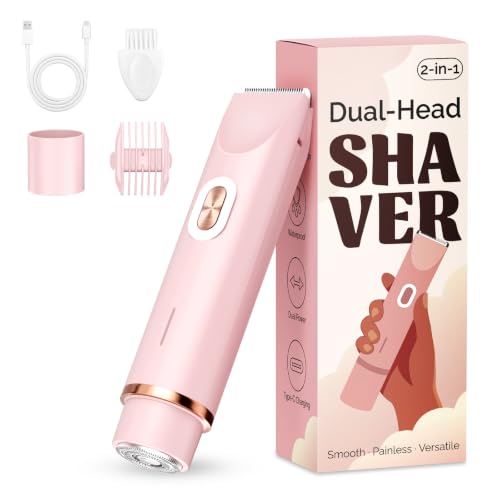
2-in-1 Dual Heads, Each with a Purpose: One trimmer does the work of two! The straight-edge head is designed for longer, thicker hair-quickly trimming it down smoothly. The rotary head precisely targets shorter hair in small areas, glides smoothly against the skin. Together, they handle everything from leg hair to bikini lines, and even delicate peach fuzz on the face
How People Actually React: Social Impact and Support
The social response to head shaving reveals a complex landscape where perception doesn’t align neatly with reality. Research shows 87.5% of women find bald women attractive, associating the look with maturity and confidence. Yet implicit biases persist—some people rate baldness less favorably without additional context about your character.
Community support matters greatly. When you provide individuating information about yourself, negative social perceptions diminish substantially. Women report increased social interactions and positive attention after shaving their heads, defying expectations. Beyond aesthetic preferences, many report improved hygiene and comfort from head shaving. Similar to other grooming practices, maintaining a shaved head can help reduce sweat and odor buildup. The 2026 cultural trend of women embracing baldness strengthens community acceptance. Celebrity figures like Dwayne “The Rock” Johnson and Jason Statham have demonstrated that baldness conveys confidence, reshaping mainstream attitudes about shaved heads.
Your social perceptions will likely improve through genuine connection and self-assurance. Surrounding yourself with supportive communities—both online and offline—reinforces confidence. Your conviction about the decision ultimately shapes how others respond to your appearance.
Getting Ready: What You Need Before You Start
Once you’ve committed to shaving your head, you’ll want to gather the right tools and products to guarantee a smooth, comfortable experience. Invest in pre shave tools including a quality electric shaver designed for head contours, clippers for initial trimming, and shaving cream or gel. For scalp preparation, wash your head with warm water and gentle cleanser to soften hair and open pores. Pat dry gently, then apply shaving cream liberally. You’ll also need multiple mirrors to identify missed spots and a moisturizer or alcohol-free post-shave balm for aftercare. A handheld mirror is particularly essential for visibility when addressing hard-to-reach areas like the back of your head. Professional barbers trust Wahl and Oster clippers for their durability and close-cutting capability, making them excellent choices for achieving the best results. After each use, maintain your clippers by cleaning the blades with 70% isopropyl alcohol and applying clipper oil to ensure optimal performance and longevity. Additionally, stock sunscreen and hydrating shampoo to protect and maintain your exposed scalp health following the shave.

Electric head shaver for men and women from America’s #1 electric shave brand¹: the Philips Norelco Head Shaver Pro 9000 Series is designed for a close shave that’s also comfortable on the skin

7D Flexible Floating Head System: Multi-angle rotating heads adapt to head contours with rounded blade edges designed for skin comfort, featuring a larger shaving area compared to traditional rotary shavers based on internal laboratory testing compared to basic 7-head shavers

All-in-One Grooming Kit: This 5-in-1 electric head shaver for men comes with 5 replacement shaver heads: smooth texture, hair trimmer, nose hair trimmer, massage brush, and cleaning brush. For better daily use, replace the head every 3 to 6 months. Our head shaver for bald men is powerful enough for daily need and delivers a fast, smooth shave 1
Real Stories: Women Who Shaved Their Heads and What Changed
Why do so many women who shave their heads report transformative experiences that extend far beyond aesthetics? Research reveals compelling empowerment stories documenting profound personal transformations. Women consistently report heightened confidence, improved self-acceptance, and enhanced social interactions following head shaving. Physical benefits include resolution of scalp conditions like psoriasis and restoration of damaged hair health during regrowth phases.
The sensory experience proves remarkably significant—women describe showering and feeling wind on their scalp as life-changing. Psychologically, you’ll likely experience reduced anxiety about appearance maintenance and increased focus on inner qualities. Social dynamics shift significantly; many women face initial resistance but ultimately recommend the experience to others. The awkward transitional stage during hair regrowth can test commitment to the change, though most women find the psychological benefits worth the temporary discomfort. For those concerned about scalp care during regrowth, quality grooming tools like electric shavers for head care can help maintain the look during transitional phases.
These accounts suggest head shaving catalyzes genuine psychological shifts, promoting self-love and authentic self-expression independent of external validation. Many women also appreciate the reduced maintenance that comes with having no hair to style or care for daily.