You’ll want to start with a hot shower to soften your hair and open your pores. Select trimmers with SkinSafe blades and protective guards designed for sensitive areas. Trim first using the shortest setting, then shave in the direction of hair growth using light, short strokes while keeping skin taut. Rinse with cool water, pat dry gently, and apply fragrance-free, alcohol-free moisturizer with aloe vera. Exfoliate regularly to prevent ingrown hairs and razor burn. For ideal results tailored to your specific needs, explore the thorough techniques below.
Choose the Right Shaver for Body Hair
Selecting the right trimmer is crucial for safe and effective pubic hair grooming, as the sensitive skin in this area requires specialized equipment designed to prevent nicks, cuts, and irritation. You’ll find several trimmer types that cater to this delicate area. The Gillette Intimate Pubic Hair Trimmer features SkinFirst technology, while the Philips Norelco Bodygroom 7000 offers a flexible hybrid head for contoured precision. The Manscaped Lawn Mower 5.0 includes SkinSafe blades and integrated lighting for visibility.
When evaluating options, prioritize models with protective combs and sensitive guards that shield vulnerable skin. You should verify that your chosen trimmer includes ceramic or foil blades, waterproof design, and dermatologist-tested technology. For those seeking longer-lasting results, professional laser hair removal offers an alternative to trimming for semi-permanent reduction of pubic hair. Pull-style trimmers are particularly effective for sensitive areas such as the groin, facilitating natural wrist movement and enhancing user experience. Similar to how brushing and combing distributes natural oils and prevents irritation on facial hair, using the correct trimming technique on body hair helps maintain skin health and comfort. These features collectively minimize irritation and guarantee nick-free performance on skin sensitivity concerns.

NO BURNS. NO BUMPS. NO BS: Forget the fear of nicks. Our ceramic blade trims just above the skin—no irritation, no redness, no razor burn, and no ingrown hair. It’s smooth sailing from top to below the belt.

NO PULLING. NO PINCHING. NO CUTS. Gives a razor-smooth finish every time. Our skin-friendly electric shaver for women features precision ceramic blades with the fast-moving cutter trims hair at 100x per second, while R-shaped rounded tips and a protective guard ensure gentle contact with your skin—wrapped in soft, warm-touch silicone for a gentle, comforting feel. Whether you're using it as a intimate razor for women pubic hair or a facial hair remover for women, it's designed to leave zero irritation behind. Just smooth, happy skin from your face to below the belt.

Safe and Efficient Trimming: PRITECH razors for men uses ceramic blades with built-in protection. On the surface where the blade contacts the skin, we have implemented a chamfered design, ensuring that it never cuts, pulls, or irritates the skin, and guarantees efficient hair trimming. This body trimmer for men equipped with 3 adjustable comb attachments and 5 lengths (1.5mm, 3mm, 6mm, 9mm, 12mm), it meets your diverse trimming requirements
Prepare Your Skin and Trim First
Once you’ve selected your trimmer, proper skin preparation and initial hair removal set the foundation for a safe, effective shave. Start with a hot shower to soften coiled pubic hair and open your pores. This pre shave preparation reduces knotting and enhances subsequent steps.
Next, exfoliate with specialized soap to remove dead skin and prevent ingrown hairs—particularly vital for sensitive scrotal and shaft areas. Apply shaving oil to facilitate smoother trimmer glide. Regular exfoliation helps to prevent ingrown hairs by keeping the area clean and reducing friction-related irritation.
For trimming techniques, use your electric trimmer on the shortest setting without contacting skin. Position one leg on a sturdy surface for ideal access. Pull skin taut to guarantee precise trimming. This initial trim enables a cleaner, closer shave while minimizing irritation and nicks. Look for trimmers with SkinFirst Technology and ceramic blades to enhance safety during the trimming process. The Philips Norelco Bodygroom 7000 is specifically engineered for sensitive body areas with a flexible hybrid head that reduces the risk of nicks and cuts.

SpotGlide Blade Technology: Unlike others in the industry, MANSPOT's SpotGlide Blade Technology features a wider 40mm ceramic blade designed to cover more area in fewer passes, reducing friction and irritation in sensitive areas including the groin. Rounded tip guards and a hypoallergenic steel and ceramic blade combination help minimize nicks and discomfort for a clean, comfortable result, no razor burn, no regrets.

Body, Pubic, Groin&Bikini- OLOV trimmers were designed for below-the-waist grooming but work great on your not so private parts too

2-IN-1 FACE AND BODY GROOMING: This bikini trimmer for women includes a body hair trimmer and face shaver. Use the body head for bikini line, pubic hair, legs and underarms, and the facial head for peach fuzz and quick touch-ups.
Shave in the Direction Hair Grows
Because pubic hair grows in multiple directions across different areas of the body, mapping your hair’s growth pattern is essential before you begin shaving. Run your fingers over the stubble to identify growth patterns—a smooth, soft feel indicates with-grain direction, while prickly sensations signal against-grain movement.
Once you’ve determined your hair growth patterns, employ proper shaving techniques by making short, light strokes that follow the grain. Pull your skin taut before each stroke and apply gentle pressure to avoid tugging. Rinse your blade every 2-3 strokes to clear accumulated hair. For optimal results, replace your shaver head every 18 months to maintain sharp blades that cut efficiently without causing irritation. Regular maintenance also prevents bacterial and fungal growth that can lead to skin irritation and infections. Using a specialized manscaping device with rounded blades and adjustable guards is recommended over standard facial razors for safer grooming of contoured areas.
This directional approach markedly reduces pulling, irritation, razor burn, and ingrown hair risks. Your initial pass should strictly follow hair growth direction to minimize skin irritation and maximize safety on sensitive areas.
Rinse, Dry, and Soothe Your Skin
Proper aftercare is critical to preventing irritation, ingrown hairs, and infection following pubic hair removal. Begin your post shave care by rinsing thoroughly with cool water for 30-60 seconds to remove residue and close pores, which reduces inflammation and prevents product buildup.
Next, gently pat the area dry with a clean, soft towel rather than rubbing, as friction can cause micro-tears in freshly shaved skin. Guarantee complete dryness to prevent bacterial growth. Maintaining a consistent blade angle during shaving helps minimize irritation and ensures a smoother result. For best results with coarse facial hair and sensitive skin, consider using shavers with nanofoil cutting elements that reduce irritation while providing close shaves.
Immediately after drying, apply alcohol-free moisturizer to restore skin hydration and calm irritation. Choose fragrance-free formulas with glycerin or shea butter to strengthen your skin barrier. Finish with aloe vera gel or post-shave balm for additional soothing benefits. To maintain optimal results, plan for regular trims every 1-2 weeks to manage regrowth and keep the area well-groomed. Maintain these practices daily to optimize healing and comfort.
Prevent Razor Burn and Ingrown Hairs
Razor burn and ingrown hairs are common complications that you can prevent through proper preparation, technique, and tool selection. Your pre-shave rituals establish the foundation for irritation-free shaving. Warm water softens your hair and skin, while exfoliation removes dead cells that trap regrowth. Apply pre-shave oil to protect your skin and plumb hairs for easier cutting.
During shaving, maintain skin hydration by reapplying shaving cream liberally. Shave in the direction hair grows and pull skin taut to minimize friction and cutting. Use a sharp, clean razor designed for sensitive areas rather than dull blades that cause tugging. Always disinfect razors before use to prevent infection and complications. Regular cleaning and maintenance of your razor removes buildup that contributes to blade dullness and performance issues.
After shaving, consider trimming instead of complete removal if you’re prone to irritation. Professional waxing slows regrowth and reduces subsequent itch. Apply fragrance-free moisturizer to vulnerable areas for continued protection and soothing of the sensitive pubic area.

Nourish and Prepare - Bevel Pre Shave Oil is enriched with a powerful blend of Castor Oil, Olive Oil, and Tea Tree Oil, providing deep hydration and nourishment to your skin, while preparing your facial hair for a smooth shave
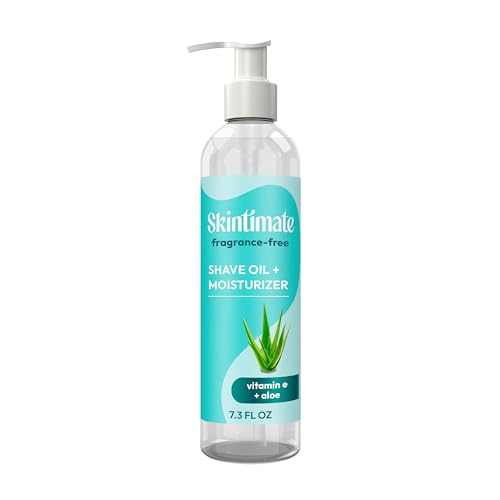
AWARD WINNING 2-in-1 SHAVE OIL – Skintimate shaving oil for women protects + softens skin. Can be used as shave prep & as a post-shave moisturizer for 24-hour moisturization.

NATURAL FORMULA FOR SCALP CARE. Specially designed for head shaving, our blend of natural oils softens hair and protects the scalp. Rich in antioxidants and vitamins, it nourishes and conditions the skin, ensuring a healthy, great-looking scalp.
Treating Razor Burn and Other Shaving Irritation
Even with preventative measures, you may still experience razor burn or irritation after shaving. Your post shave care routine directly impacts recovery time and symptom severity.
For immediate relief, apply a cool washcloth or aloe vera to affected areas. Aloe vera typically clears irritation within an hour. Witch hazel and apple cider vinegar function as natural antiseptics, reducing redness effectively. Symptoms such as itching and stinging can be further minimized by keeping the affected area clean during the healing process.
Topical treatments include fragrance-free lotions containing aloe vera, chamomile, or shea butter. Over-the-counter hydrocortisone cream reduces inflammation in sensitive pubic areas, while topical antibiotic creams speed healing and prevent infection. Selecting an electric shaver designed for sensitive skin can also prevent irritation before it occurs. For those seeking professional-grade tools, rotary motor clippers offer precision and durability for grooming needs.
Avoid alcohol-containing or fragmented moisturizers that cause stinging. Instead, use natural oils like coconut or avocado oil. Most irritation resolves within a couple of days. Refrain from shaving until the rash clears completely. Consult your doctor if symptoms indicate infection.

Made from fresh Aloe Vera leaves, no fragrance or color added

SHIPMENT CONTAINS: 20.3 FL OZ (600 mL) Amazon Essentials Intensive Care Aloe Body Lotion for skin hydration

One 32 oz. bottle of Avalon Organics Natural Unscented Aloe Hand & Body Lotion
When to Switch Methods: Waxing, Laser, and Permanent Options
While shaving remains a convenient short-term solution, you might consider alternative hair removal methods if you’re experiencing persistent irritation, stubble within days, or frequent ingrown hairs.
Waxing offers 3-6 weeks of smoothness by removing hair from the root, though waxing challenges include pain and potential redness. Results last considerably longer than shaving.
Laser benefits include permanent hair reduction and treatment of ingrown hairs. Multiple sessions target melanin in follicles, producing finer regrowth. It’s most effective on dark, coarse hair against lighter skin and suits large areas well. Professional laser treatments typically require 6-10 sessions spaced 4-6 weeks apart to achieve optimal results. For those sensitive to irritation, switching to a closed-comb safety razor can minimize discomfort before pursuing more permanent options.
For permanent results in precise zones, electrolysis destroys follicles via heat or chemical energy, regardless of hair color.
Evaluate your pain tolerance, budget, and desired maintenance level when choosing your progression path.

Visible Results in Just 4 Weeks*: Ulike Air 10 IPL hair removal device features latest IPL technology that brings visible hair reduction in only 4 weeks*. Using it consistently every two days for the first two weeks, you will experience 96.52% hair reduction and slower hair regrowth(for the bikini area). A perfect holiday gift choice for women and men to get smooth skin at home with Ulike IPL.

Deluxe Pink Leather Case: Exclusive storage bag keeps your vanity tidy and organized. Its premium design offers a luxurious unboxing experience, making it an ideal, ready-to-wrap gift for yourself or loved ones.

Effective IPL Hair Removal: Delivering 5J/cm² energy at 600nm wavelength deep into hair follicles to effectively disrupt growth. Enjoy smooth, hair-free skin with far longer-lasting results than shaving or waxing
How Often Should You Shave?
Since hair growth rates vary greatly among individuals, you’ll benefit most from establishing a grooming frequency that matches your personal growth patterns rather than following a universal schedule. Most men achieve optimum results with three to four shaving sessions monthly, though your ideal shaving frequency depends entirely on how quickly your hair regrows.
If you’re pursuing complete hairlessness, expect to shave two to three times weekly, accepting the stubble phase and associated skin irritation. For those with sensitive skin, consider trimming every one to two weeks as an alternative that reduces injury risk without sacrificing hair control. Specialized grooming tools like electric body trimmers can minimize irritation while maintaining your desired appearance. Regular grooming also helps decrease your chances of pubic lice infestations and improves overall hygiene in the area.
Your individual preferences matter considerably. Balancing comfort with adequate skin recovery between sessions prevents damage while maintaining your desired appearance. To support frequent shaving, incorporate exfoliation 2-3 times weekly into your routine to eliminate oily buildup and prevent ingrown hairs.