Start by washing your face with warm water and assembling your tools: safety razor, brush, pre-shave oil, and shaving cream. Soak your brush to soften facial hair, then load your blade carefully by unscrewing the top cap and aligning it with the base plate slots. Maintain a 30-45 degree angle, make short strokes with-the-grain first, then across-the-grain for closeness. Rinse with cold water, apply alcohol-free aftercare, and store your razor in a dry location. There’s considerably more technique to explore.
Prepare Your Skin and Gather Your Tools
Before you pick up your safety razor, you’ll need to properly prepare your skin and assemble the necessary tools. Start by washing your face and hands with warm water and a gentle, face-specific cleanser to open your pores and guarantee proper skin hydration. This three-minute process removes impurities while preserving natural oils.
Next, gather your tool selection: a quality safety razor, shaving brush, pre-shave oil, shaving cream or soap, a mirror, and a bowl filled with warm water for rinsing. Soak your brush in warm water to absorb heat, which softens facial hair for a smoother shave. Applying pre-shave oil or cream before lathering will further prepare your skin and enhance your overall shaving experience. Safety razors feature a protective guard that limits blade exposure, so familiarize yourself with your specific razor’s design before use. After each use, rinse your razor thoroughly and store it in a dry location away from excess moisture to maintain blade integrity.
Don’t neglect your neck—this sensitive area requires the same thorough cleaning and hydration as your face. Proper preparation prevents irritation and guarantees excellent shaving results.

Perfect Holiday Gift For Men - Make any man extremely happy with Viking Revolution Safety Razor Shaving Kit. This luxury shaving kit for men is ideal as a gift for fathers, husbands, sons or any man for that matter.

Great Value Complete Shaving Kit Contains 8 Shaving Essentials: This men`s shaving kit is your one stop station wet shave set with every pieces you need! INCLUDED: Double Edge Safety shaving Razors for men with 10 replacement blades, Shaving Brush and Bowl, Sandalwood Pre-Shave Oil, Shaving Cream, AfterShave Balm & Shaving Apron Bib. Razor head fits most standard double-edge blades, making replacements easy and affordable.8 Shaving Essentials will bring you the most comfortable experience on your daily shaving

Experience a closer, smoother shave with the Grandslam Safety Razor Shaving Kit's double edge safety razor, designed to reduce skin irritation and ingrown hairs, and provide a clean, precise cut.
Select the Right Razor and Blade
The foundation of a successful shave rests on choosing a safety razor and blade that match your skin type, beard thickness, and experience level. For beginners and sensitive skin, you’ll want straight bar or closed comb razor types that maintain consistent blade angles and minimize irritation. If you’ve got coarse hair, slant bar designs deliver efficient cutting through fewer passes.
Regarding blade materials, start with Derby or Astra blades—they’re sharp enough for close shaves without excessive irritation. As you gain experience, experiment with Feather blades for closer results, though they demand careful technique. Match your razor’s aggressiveness to your beard density: gentle designs for fine hair, open combs for thick growth. Consider adjustable razors like the Merkur Progress if you want to customize blade exposure based on your evolving skill level and skin sensitivity. For those with sensitive skin seeking specialized options, single blade razors like the OneBlade Genesis and Feather AS-D2 provide biocompatible designs with skin-following pivots that minimize irritation. For those seeking alternatives beyond traditional safety razors, electric shavers designed for sensitive skin can provide comfortable options with built-in protection features. This strategic pairing guarantees comfortable, effective shaving from your first pass.

THE PERFECT SHAVE: Make skin irritations and ingrown hair a problem of the past. With the double sided razor, you will achieve the closest shave effortlessly.

THE PERFECT SHAVE: Make skin irritations and ingrown hair a problem of the past. With the double sided razor, you will achieve the closest shave effortlessly.

Clinically proven for sensitive skin
Load Your Safety Razor Blade
Once you’ve selected your safety razor and blade combination, you’re ready to load the blade into the razor head. First, unscrew the top cap by twisting the handle counterclockwise, then separate all components. Hold the blade by its short edges to avoid the sharp sides. Carefully align the blade with the slots or posts on the base plate, verifying correct orientation for proper cutting edge exposure. Position the blade flat on the safety bar plate in your palm, confirming it sits firmly in both end slots. For optimal results with the Parker Solo Edge, ensure you are using pre-cut blades or half double-edge blades that are compatible with your razor model. Quality blade selection from trusted retailers like Amazon can enhance your shaving experience and ensure consistent performance. Unlike corded electric razors, safety razors require no power source and rely solely on proper blade alignment for effective results. Lower the top cap straight onto the blade and base, then twist the handle clockwise until it stops. Proper blade alignment guarantees peak performance, while regular inspection during this process supports effective razor maintenance and safe operation.
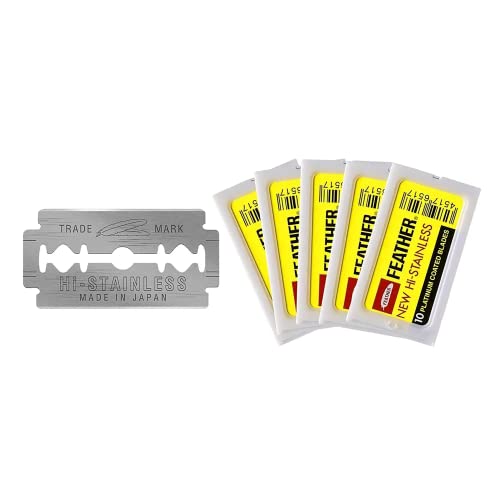
Fifty Count Of Double Edge Razor Blades; Our Razors For Men Feature A Fifty Count Of Double Edge Razor Blades; Feather Razor Blades Are Extremely Sharp And Will Give You A Great Shaving Experience

Model Number: ASTRA01

Sharp and Precise- Highest quality edging blades for a precise and clean shave.
Master the 30-Degree Angle and Technique
Mastering your safety razor’s angle is essential to achieving an effective, comfortable shave. You’ll want to maintain a blade positioning between 30–45 degrees for maximum cutting efficiency while minimizing nicks. Start by rolling your razor back until the safety bar and top cap contact a flat surface, then position midway between them—this locates your sweet spot.
Your angle adjustments should remain dynamic across different facial areas. For daily shaves or delicate contours, ride the cap with a more obtuse angle for gentler results. Conversely, riding the guard with a steeper angle provides closer shaving for heavier stubble. Finding the right angle for your specific facial topography requires patience and practice to develop the muscle memory necessary for consistent results.
Keep your wrist locked and use arm movements to maintain consistency. Apply only razor weight without pressing, keeping skin taut for smooth gliding. Unlike electric shavers that operate at high-speed cutting cycles, safety razors rely on proper technique and consistent angle maintenance for optimal results. For those interested in alternative grooming solutions, body groomers are designed with different cutting mechanics specifically for torso and body hair removal. Experimentation within the 30–45-degree range guarantees you’ll find what works best for your unique facial topography and hair type.

PROTECTION: The MÜHLE Safety Razor Blade guard protects the blade and prevents accidental cuts when storing your razor.

One Blade. Solid Steel: The Single Edge MAX brings the barber's method home: one blade, held at a set angle, cutting at the skin's surface instead of dragging beneath it. Cartridge razors stack three to five blades that pull each hair up and cut it below skin level. That is where razor burn and ingrown hairs start. One blade makes one cut at the surface.

THE PERFECT SHAVE: Make skin irritations and ingrown hair a problem of the past. With the black safety razor for men, you will achieve the closest shave effortlessly
Make Your Shaving Passes
Now that you’ve locked in your angle, you’re ready to execute your shaping passes—the foundation of a close, comfortable shave. Begin with a with-the-grain pass using short, straight strokes and minimal shaving pressure. Let your razor’s weight do the work. After two or three strokes, rinse your blade to maintain blade maintenance and remove debris.
Complete this initial pass, then reapply lather for your second pass across the grain. This perpendicular direction provides additional closeness. Once you’ve mastered these two passes, consider a third against-the-grain pass for maximum smoothness—though experienced shavers handle this best. Hold the safety razor at a 30-40 degree angle away from your skin to ensure optimal blade contact and minimize irritation. For those seeking alternatives, electric beard trimmers can also provide effective grooming with less technique required.
Throughout all passes, keep your skin taut, avoid covering the same spot twice per pass, and never drag sideways. Consistent technique matters more than aggressive pressure. The meditative ritual of proper safety razor technique combined with less skin irritation creates a healthier grooming experience compared to multi-blade systems.
Close Pores and Apply Aftercare
After you’ve completed your final shaving pass, the next critical phase is closing your pores and applying proper aftercare to minimize irritation and maximize skin health.
Start with cold water rinses to constrict blood vessels and tighten skin. Apply a cold compress for 1-2 minutes to reduce inflammation effectively. Avoid hot water, which reopens pores and increases irritation risk.
For close pore techniques, pat your skin dry gently with a soft towel rather than rubbing, which can cause micro-abrasions. Select alcohol-free aftercare products containing witch hazel, aloe vera, or tea tree oil to calm skin and minimize pore visibility. Fully dry the safety razor after each use to prevent moisture buildup that can harbor bacteria and compromise your skin health. For middle-aged skin, consider using quality balms that provide extra nourishment and revitalization during the post-shave phase. Those with sensitive skin conditions like eczema may benefit from safety razors with adjustable aggression settings to further reduce irritation.
Within three minutes of shaving, apply a lightweight, non-comedogenic moisturizer with ceramides or hyaluronic acid. These aftercare products repair your skin barrier and lock in hydration, supporting ideal pore recovery and preventing infection.

WITH VITAMINPRO COMPLEX: Enriched with VitaminPro Complex—Vitamin E, Provitamin B5 and Chamomile extract
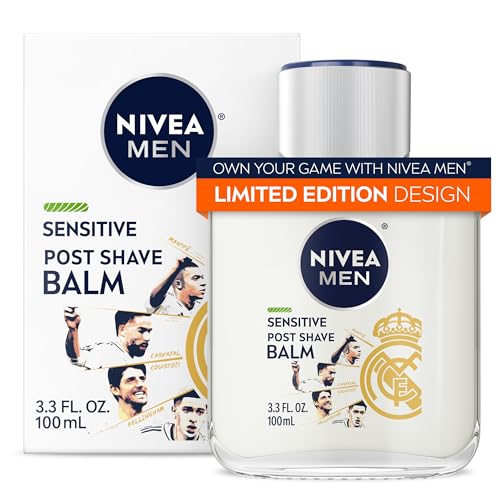
WITH VITAMINPRO COMPLEX: Enriched with VitaminPro Complex—Vitamin E, Provitamin B5 and Chamomile extract

Premium Ingredients - Our Bevel After Shave Balm for Men is formulated with Shea Butter, Jojoba Oil, Tea Tree Oil, and Witch Hazel, delivering a soothing and cooling experience for your skin
Store Your Razor Properly
Your razor’s longevity depends on how you store it once you’ve completed your shaving routine and applied aftercare. Proper storage solutions directly impact razor hygiene and performance durability.
After each use, rinse the razor head under hot water to remove residue, then shake off excess water gently. Wipe both handle and head with a clean towel, ensuring no water pools at the handle-head joint. Allow complete air drying before storage.
Store your razor in a dry environment away from bathroom humidity and condensation. A ventilated bedroom cupboard or closet works well. Use protective storage options like a case, pouch, or upright stand to prevent physical damage and allow proper drying. For collections, consider specialized racks or head covers.
Remove the blade if you rotate razors, but leave it attached for daily use. Clean weekly with a toothbrush and mild soap, drying all crevices thoroughly to maintain the protective plating. Soaking disassembled parts in a diluted vinegar solution can dissolve mineral deposits that accumulate over time. Like beard grooming routines, consistent maintenance with weekly cleaning sessions prevents product buildup and extends the life of your grooming tools.