
You’ll get a closer, more comfortable shave with a foil shaver if you prioritize daily grooming and sensitive skin. Foil shavers’ oscillating blades reach up to 14,000 strokes per minute through microscopic perforations, minimizing irritation and razor bumps. However, rotary shavers excel at adapting to your neck and jawline’s curved contours, making them superior for thick, multi-directional hair growth. Your ideal choice depends on your specific grooming needs and facial anatomy—understanding these differences will help you decide.
Which Shaver Should You Buy: A Quick Decision Framework
How do you know which electric shaver will actually work for your face? Start by evaluating your skin sensitivity and hair characteristics. If you’ve got sensitive skin or shave daily, a foil shaver minimizes irritation and razor burn. You’ll want rotary if you’re dealing with thick, coarse hair growing in multiple directions.
Consider your shaving frequency next. Daily shavers benefit from foil’s consistent performance, while rotary suits less frequent routines. Your facial anatomy matters too—foil handles flat cheeks and precision edges better, whereas rotary excels on contoured neck areas. For optimal results, combining both shaver types based on your specific grooming needs can yield the best overall outcome.
Review brand recommendations from reputable sources for price comparison. Leading foil models like Braun Series 7 offer advanced AutoSense technology for coarser hair, justifying higher price points. The Braun Series 9 features intelligent Sonic Technology that adapts to beard density, making it particularly effective for sensitive skin. Budget rotary options still deliver solid performance for occasional users without premium features. Investing in personal growth through proper grooming routines helps you understand your needs better. Regular maintenance and cleaning practices are essential to maintain performance and longevity across all shaver types.

PIVOT & FLEX FOIL TECHNOLOGY: Shaver adjusts to facial contours for a close, comfortable shave. Use short circular strokes and light pressure. Best results when used daily for the first few weeks.

Skin Friendly Foil System: Dudes, meet your no-yank zone! These grooming beasts rock precision titanium blades with built-in smart sensing tech – bye-bye beard tugging. The floating head design? Lets your portable razor glide like butter on facial contours. Smooth operator status: unlocked
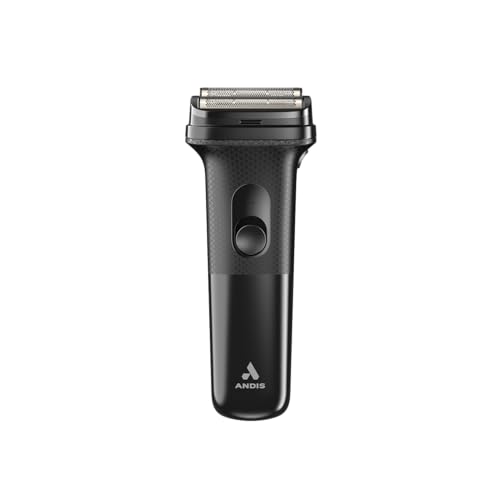
ULTRA THIN: Titanium foils for zero finishes, ideal even for the most sensitive skin.
How Foil and Rotary Shavers Work Differently
While both electric shavers remove facial hair effectively, they accomplish this through fundamentally different mechanical designs and cutting principles. Foil shavers use oscillating blades that move side-to-side up to 14,000 strokes per minute in a straight back-and-forth path. Microscopic perforations in the thin metal foil capture hairs, allowing them to be cut below skin level for a close shave. Rotary shavers, conversely, employ spinning blades beneath circular heads that rotate in multiple directions. Their cutting mechanisms handle hair growth at various angles through scissor-like action inside stationary guards. You’ll achieve precision with foil shavers using straight strokes, while rotary shavers excel at contouring curves with their circular blade motion and broader coverage area. For those seeking the closest shave, models like the Panasonic ER-GB42 demonstrate how precision blade design contributes to optimal cutting performance. For those growing beards, maintaining a defined neckline with either shaver type requires careful technique to avoid the harsh lines that can emphasize sparse areas. With proper maintenance and care, both shaver types can last 5–10 years with regular blade or head replacements to maintain optimal cutting performance.
Which Shaver Suits Your Skin Type and Hair?
Because your skin type and hair characteristics directly influence shaving comfort and results, selecting the right shaver technology matters greatly. Your shaver compatibility depends on understanding these factors.
If you’ve got sensitive skin, foil shavers with hypoallergenic foils reduce friction and redness effectively. However, rotary shavers work better if you’re prone to ingrown hairs. For oily skin, rotary shavers’ flexible designs prevent clogging, though you’ll need regular deep cleaning. Dry skin requires foil shavers with hypoallergenic materials to avoid micro-abrasions. Combination skin benefits from flexible heads that adapt to varying textures—consider rotary for oily zones and foil for drier areas. Ergonomic design also plays a critical role in improving usability and control when managing multiple skin conditions. Most users with sensitive skin experience reduced redness and irritation after an adjustment period of 2-4 weeks with electric shavers. If you’re considering a subscription service for regular blade replacements, subscription cancellation options are available anytime through your account settings.
Thick, coarse hair demands rotary shavers with powerful motors and multiple blades. The Braun Series 9 and Panasonic Arc 5 excel here, cutting dense stubble without repetition.

4 BLADES FOR SMOOTH AND SILKY RESULTS: The hypoallergenic foils and trimmers move smoothly across the skin and leave no hair behind

Professional Precision: Designed for professional use on the face, head, and neckline, this mens foil electric shaver delivers the sharp performance that experts demand

Equipped with a hypoallergenic gold foil and a powerful high-speed rotary motor, this BaBylissPRO foil shaver delivers professional performance for both the barber and at-home user. It efficiently polishes stubble and detailed areas, providing an extra-close finish along the hairline, neck, and face—even on coarse hair and a variety of textures.
Do Foil Shavers Shave as Close as Rotary Models?
When comparing shaving closeness, foil shavers generally deliver a closer shave than rotary models due to their mechanical design advantages. The thinner foil barrier allows blades to position closer to your skin surface, while reciprocating blades oscillate at high speeds for precise, linear cutting action. This shaving precision proves especially effective for facial hair, as the perforated foil traps thin follicles and pulls them for smooth results.
Rotary shavers cut hair at skin level too, but their thicker guards create a larger buffer between blades and skin. While both types achieve closeness, foil shavers excel in accuracy and consistency. You’ll notice foil advantages particularly during daily shaves, where their straight-edge design enables controlled strokes that minimize irritation while maximizing closeness. A powerful motor, such as the Panasonic 14,000 CPM, further enhances shave speed and comfort, allowing for closer shaves with multiple passes. Top-performing models like the Panasonic Arc 5 are specifically engineered with thinner foils and high-speed reciprocating technology to deliver exceptional results on coarse hair and stubble. Some premium shavers, including innovative options like heated shaving technology, provide additional comfort benefits that enhance the overall shaving experience beyond traditional foil or rotary mechanisms.
Foil Shavers for Sensitive Skin: Why the Irritation Difference
If you’re dealing with sensitive skin, foil shavers offer a distinct advantage over rotary models due to their gentler mechanical design. Foil technology creates a protective barrier between sharp blades and your skin, minimizing irritation risks through reduced surface contact. The straight cutting edge avoids pulling hairs, which prevents razor bumps and burn commonly associated with oscillating rotary blades.
Your skin comfort improves considerably because foil shavers require simple up-down motions rather than circular patterns. This straightforward technique reduces accidental multiple passes over sensitive areas. When combined with wet-dry operation and shaving cream, foil shavers deliver ideal gentleness for irritation-prone skin. Some foil shavers are specifically hypoallergenic and waterproof, designed to enhance safety and comfort for users with the most reactive skin types. For additional skin protection, many dermatologists recommend pairing foil shavers with aloe-infused non-irritating formulas to further reduce irritation and maintain skin hydration during grooming. Electric foil shavers like the Braun Series 9 Pro provide particularly gentle performance for sensitive skin by combining foil technology with advanced comfort features.
Dermatologists consistently recommend multi-blade foil models for highly sensitive users, making them the safer default choice for daily shaving without aggravation buildup.

CLOSE, CLEAN SHAVE: 3 blade free floating system follows facial contours for a flawless finish and includes a middle trimmer to cut difficult hairs along with 2x SensoFoil shaving elements for ultimate closeness and skin comfort

4-Blade Floating Precision: Engineered with 4 independent floating blades, the foil shavers for men contour to the jaw, chin, and neck in a single pass, capturing flat-lying hairs that fixed-heads miss. Each flexes for consistent skin contact

ULTRA THIN: Gold titanium foils for zero finishes, ideal even for the most sensitive skin.
Which Design Handles Your Neck and Jawline Better?
Your neck and jawline present unique shaving challenges that expose fundamental design differences between foil and rotary technologies. Rotary shavers excel on neck contours through independent heads that flex and pivot, capturing multi-directional hair growth effectively. Their circular motion handles thick, coarse stubble without requiring repeated passes. Foil shavers struggle here—their linear design demands unidirectional strokes poorly suited to curved surfaces, forcing multiple passes and increasing irritation risk.
For jawline precision, rotary heads adapt to contoured terrain, lifting and cutting coarse hairs efficiently regardless of growth direction. Foil shavers work best when hair lies flat along straight paths, but they miss odd-pattern growth typical of jawlines. The foil design’s straight line requirement makes it less effective for navigating the contours and curves of facial geometry. Professional foil shavers like the Braun Series 9 PRO+ feature flexible heads designed to improve adaptation to facial contours, though rotary technology still maintains an advantage for complex growth patterns. For those dealing with particularly challenging beard types, features like 19 length settings found on high-performance trimmers can provide additional customization for neck and jawline areas. If you’re battling dense neck hair or complex growth patterns, rotary’s adaptive motion delivers superior results. Foil’s linear approach better serves only flat, fine facial hair.

5D Floating Head Technology: Experience precision grooming with an advanced blue electric razor for men featuring a 5D floating head that adapts to facial contours in 5 directions. Hypoallergenic stainless steel blades glide smoothly at jawlines, neck curves, and chin areas without pulling or irritation

NECKLINE SLIMMER EXERCISE TOOL: Use this neckline slimmer, neck toner and facial exercise device as part of a simple chin, jaw, face and neck workout routine at home.

4D Close Shave For Neck & Jawline – This electric razor for men features three flexible 4D rotary heads that follow the curves of your face, chin, neck and jawline. Double-ring curved foils capture more short stubble in each pass, while the 9000 RPM motor delivers steady cutting power for a smooth, efficient everyday shave.
How Much Maintenance Do They Require?
Why does maintenance matter when comparing foil and rotary shavers? Maintenance frequency directly impacts your shaver’s longevity and performance.
Foil shavers demand consistent cleaning methods to preserve cutting efficiency. You’ll need daily brushing with soft bristles, weekly deep cleaning with manufacturer-approved solutions, and monthly lubrication of cutter bars. This regular attention prevents hair buildup and motor strain, extending blade lifespan by approximately 40%. Regular maintenance also prevents fungal and bacterial growth that can cause skin irritation. For optimal results, consider using a small brush and cleaning solutions specifically designed for electric razors to remove debris effectively.
Replace foil heads every 12-18 months under normal use. Signs of wear—skin pulling, reduced closeness, or visible tears—indicate replacement necessity. Neglected shavers require replacement 2-3 times more frequently, costing users between 150 and 300 dollars per shaver.
Rotary shavers generally require less intensive maintenance due to their design. However, both types benefit from proper cleaning tools and consistent care routines. Your commitment to maintenance frequency ultimately determines whether you’ll experience peak shaving performance and minimize component replacement costs.
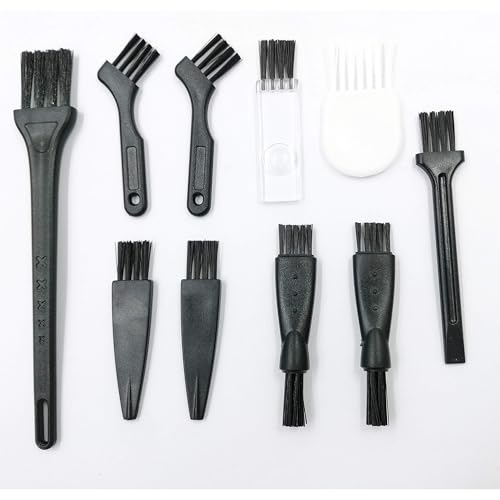

ShaverAid Electric Razor Shaver Cleaning Brush
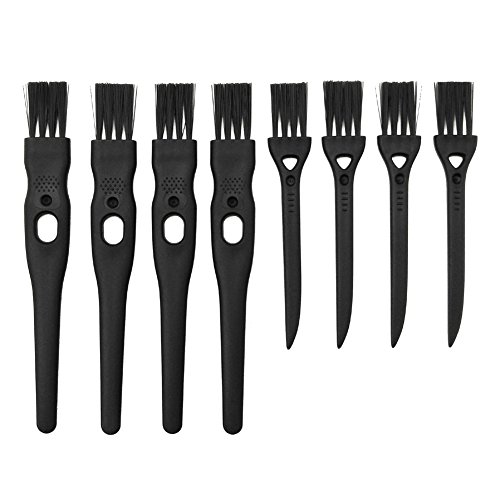
Very convenient to clean shaver / razor.