
You’ll achieve ideal results by selecting appropriate tools—dedicated body groomers, hybrid razors, or multi-tool systems—based on your hair type and skin sensitivity. Prepare your skin through exfoliation and warm-water cleansing to soften hair and minimize irritation. Apply proper technique: trim with the grain at 45-degree angles, use single-blade razors for sensitive areas, and rinse with cool water post-shave. Replace dull blades weekly to prevent tugging and discomfort. Region-specific strategies greatly impact your grooming success and skin health outcomes.
Essential Grooming Tools: Trimmers, Razors, and Scissors Explained
Because body hair grooming requires precision and skin protection, selecting the right tool is critical to minimizing irritation and achieving desired results. You’ll encounter three primary trimmer types: dedicated body groomers, hybrid razor-trimmers, and multi-tool systems. Dedicated groomers like the Philips Norelco Bodygroom 7000 excel with foil heads and adjustable combs for various hair textures. Hybrid devices such as the Philips OneBlade combine trimming and shaving capabilities, though they’re less effective on coarse pubic hair. Multi-tools offer versatility across body areas with numerous attachments. Your choice depends on your specific needs: select specialized trimmers for thick, coarse hair textures and hybrid devices for detailed facial work. Consider battery life, motor power, and skin-sensitivity features when evaluating options. Many users find that maintaining a groomed appearance with the right tools can boost confidence and sense of freedom, particularly when addressing areas of concern. Using specialized tools for body grooming helps avoid risks of bacterial cross-contamination when using the same equipment on multiple body areas. It’s important to note that shaving does not cause hair darkening or thickening, a common misconception based on the visual illusion created by blunt hair edges rather than actual changes to hair properties.

SpotGlide Blade Technology: Unlike others in the industry, MANSPOT's SpotGlide Blade Technology features a wider 40mm ceramic blade designed to cover more area in fewer passes, reducing friction and irritation in sensitive areas including the groin. Rounded tip guards and a hypoallergenic steel and ceramic blade combination help minimize nicks and discomfort for a clean, comfortable result, no razor burn, no regrets.

MULTIFUNCTIONAL SHAVING KIT FOR HEAD TO TOE USE - The all in one barber clippers include 7 trimmer heads, 10 hair combs and a base. Covers all hair cutting tasks, from hair, face, beard, nose, ear, body and pubic area. Surprise your husband or any special man in your life with the perfect gift.

A Safe, Powerful Trimmer for Everyone: This mens body trimmer features a unique V-shaped head, robust motor, and gentle touch to trim and groom safely and effectively anywhere on the body
Prepare Your Skin: Exfoliate, Soften, and Pre-Trim for Best Results
Once you’ve selected your trimmer or razor, proper skin preparation determines whether you’ll achieve smooth results or experience irritation and ingrown hairs. Begin with exfoliation techniques that remove dead skin cells and unclog pores, reducing ingrown hair risk. Follow with warm water cleansing to soften your skin and hair, enabling easier cutting and smoother razor glide.
Apply warm water to your body hair for several minutes—this hair softening step is essential for coarse hair. The moisture penetrates the hair shaft, making it more pliable and less prone to tugging during grooming. For optimal results, consider using sulfate-free cleansers to remove dirt and oil without stripping away natural moisture that protects your skin during the grooming process. After grooming, maintain your tools by applying clipper oil to keep blades in optimal condition for future use. Regular maintenance with a small brush and cleaning solutions will extend your tool’s lifespan and ensure consistent performance.
After cleansing, pat yourself dry completely. Residual moisture causes hair clumping and prevents precise trimmer and razor contact with your skin. Allow several minutes for complete air-drying before beginning your grooming routine.
Chest Hair: Trim for Definition Without Sandpaper Regrowth
Your chest presents unique trimming challenges due to varying hair density, sensitive nipple areas, and the visibility of results. Begin with pre-trim techniques—exfoliate and soften the skin first to reduce irritation risk. Start trimming on your upper chest where hair is thickest, working downward with the grain using a 45-degree angle.
Switch to scissors near your nipples for precision and reduced nicking. Use higher guards initially on longer hair, gradually shortening for control. Work systematically from outer to inner areas to prevent missing spots. When trimming longer hair, consider starting with a comb to guide the angle and ensure even results across the chest area.
For grooming frequency, trim every 3-4 weeks to maintain definition. Electric trimmers with sharp blades and no-nick technology prevent razor burn and ingrown hairs better than shaving. Regular cleaning of trimmer blades is essential to prevent clogging and maintain effectiveness. This approach preserves skin health while delivering a polished appearance without irritation or stubble regrowth sensations.

Safe and Efficient Trimming: PRITECH razors for men uses ceramic blades with built-in protection. On the surface where the blade contacts the skin, we have implemented a chamfered design, ensuring that it never cuts, pulls, or irritates the skin, and guarantees efficient hair trimming. This body trimmer for men equipped with 3 adjustable comb attachments and 5 lengths (1.5mm, 3mm, 6mm, 9mm, 12mm), it meets your diverse trimming requirements
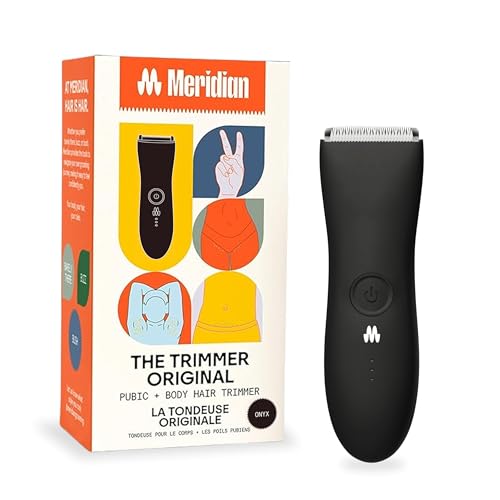
SMOOTH RESULTS, NO OVERTHINKING: Tackle body hair with confidence—chest, legs, and underarms. This men’s body hair trimmer features a ceramic blade for controlled, comfortable trimming on all hair types, helping skin feel smooth with less hassle.

Body, Pubic, Groin&Bikini- OLOV trimmers were designed for below-the-waist grooming but work great on your not so private parts too
Armpits: Trim, Shave, and Prevent Ingrown Hairs
Approximately 68% of men groom their armpits, driven primarily by aesthetic concerns and hygiene preferences rather than necessity. When addressing armpit aesthetics, you’ll find trimming offers safer results than blade shaving, which risks irritation and ingrown hairs.
Start with scissors or clippers held parallel to your skin, trimming in the direction of hair growth. Work systematically across the entire area, maintaining at least three-fourths inch of hair to prevent prickly regrowth. These grooming techniques deliver a polished appearance while minimizing complications.
If you choose shaving, apply sensitive-skin shaving cream first. Shave with hair growth direction, rinsing tools frequently. Sensitive-skinned individuals should prioritize trimming over shaving to avoid irritation. For those prone to razor bumps, electric razors with intelligent sonic technology can reduce the number of passes needed over sensitive skin. Safety razors with single sharp blades deliver closer shaves with less skin irritation compared to multi-blade systems. Post-grooming, rinse thoroughly and pat dry to maintain skin health and prevent infection. Replacing shaving blades every one to two weeks ensures optimal performance and reduces the risk of razor burn and ingrown hairs.
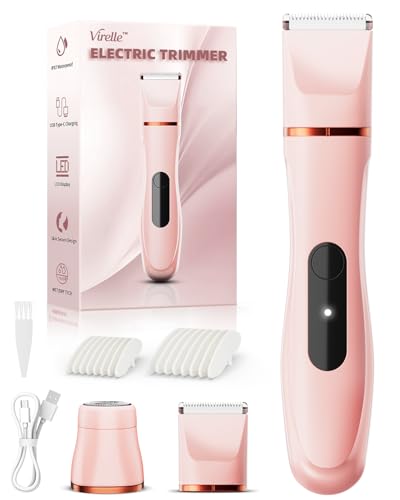
2-in-1Electric Razors for Women- This women's electric shaver comes with 2 interchangeable heads for ultimate versatility. The standard head allows for quick, precise trimming of larger areas like the bikini zone, underarms, legs, and arms. The shaving head delivers ultra-smooth results—perfect for gentle facial hair removal. A shaver specially designed for women, ensuring perfectly smooth skin.

4-in-1 Multifunctional Kit for Full-Body Grooming-This electric shaver includes 4 interchangeable heads to tackle all hair removal needs: trim body hair on legs, armpits, and bikini area; refine facial hair on the face, lips, and nose; and shape eyebrows. One kit replaces multiple tools for effortless full-body care.

Versatile Grooming Kit: Akunbem women electric shaver features an innovative dual head design that combines the functions of a body and facial shaver in one. There is no need to change the cutter head frequently. It can accurately and smoothly remove hair from the face, body and sensitive areas.
Arms and Legs: Shave With the Grain, Against It, or Trim Instead
Three distinct approaches exist for managing arm and leg hair: with-grain shaving, against-grain shaving, and trimming. Each technique addresses different skin concerns and body hair preferences.
With-grain shaving minimizes irritation by following natural hair growth patterns, reducing razor drag by 50% compared to against-grain methods. This approach suits sensitive skin and initial passes, though it produces shorter stubble visibility on coarse leg hair. Electric shavers designed for sensitive skin can further reduce irritation during with-grain passes by cutting hair at or above the skin surface rather than tugging follicles. For optimal results with electric razors, maintain constant contact of all three blades with the skin while using repeated up-and-down strokes.
Against-grain shaving delivers closer results but increases injury risk to 41% during body hair removal. You’ll achieve maximum smoothness on legs, where 83% prioritize this outcome despite elevated irritation potential.
Trimming offers a low-maintenance alternative, avoiding injury risks entirely while maintaining neat appearance. This technique appeals to 52% preferring groomed over smooth aesthetics, requiring considerably less upkeep than shaving methods. Growing acceptance of personal grooming preferences means many women now feel comfortable choosing trimming as a valid option rather than viewing shaving as mandatory.

NO PULLING. NO PINCHING. NO CUTS. Gives a razor-smooth finish every time. Our skin-friendly electric shaver for women features precision ceramic blades with the fast-moving cutter trims hair at 100x per second, while R-shaped rounded tips and a protective guard ensure gentle contact with your skin—wrapped in soft, warm-touch silicone for a gentle, comforting feel. Whether you're using it as a intimate razor for women pubic hair or a facial hair remover for women, it's designed to leave zero irritation behind. Just smooth, happy skin from your face to below the belt.

Complete with All Essential Accessories: This women's grooming kit comes with a full suite of professional accessories - including 3 specialized trimmer heads (hair, foil, facial), 2 adjustable hair guards, a cleaning brush and USB charging cable. Everything you need for precise head-to-toe hair removal is conveniently included in one box.

2-IN-1 FACE AND BODY GROOMING: This bikini trimmer for women includes a body hair trimmer and face shaver. Use the body head for bikini line, pubic hair, legs and underarms, and the facial head for peach fuzz and quick touch-ups.
How to Prevent Razor Burn and Ingrown Hairs (All Zones)
While razor bumps affect up to 83% of Black males and curly hair carries a 50-fold increased risk of becoming ingrown compared to straight hair, you can greatly reduce both conditions through proper preparation, technique, and aftercare.
Prevention starts before you shave. Soften hair with warm water, apply moisturizing shaving cream, and use a pre-shave oil. During shaving, work slowly with a single-blade razor in the direction of hair growth—avoid pulling skin tight or repeating strokes. Hold your razor at a 30-45 degree angle to minimize irritation and prevent nicks. Replace disposable razors every 5-7 shaves.
Afterward, rinse with cool water and apply soothing moisturizer or aloe vera. Adjust your shaving frequency to every 2-3 days rather than daily to limit hair growth and curling. Between shaves, exfoliate and moisturize regularly to prevent ingrown hairs from developing. For sensitive areas like the genital region, consider using electric razors designed specifically for intimate grooming to further reduce irritation and ingrown hairs. Training your hair to grow in a consistent direction through daily brushing with a soft toothbrush can significantly reduce the likelihood of hairs curving back into the skin.
Groin and Pubic Hair: Trim, Wax, or Go Bare
Pubic hair grooming presents distinct challenges compared to other body zones, requiring tailored strategies to minimize injury risk while achieving your desired aesthetic. You’ll find that nonelectric razors dominate grooming methods at 61% usage, though scissors and electric razors offer safer alternatives. Pubic trimming reduces injury risk substantially compared to complete removal, making it an evidence-based choice if you’re injury-prone. About 25% of groomers experience injuries, mainly cuts requiring careful technique. Electric trimmers designed specifically for sensitive areas, such as the Philips Norelco OneBlade Intimate, provide ultra-short, clean finishes while minimizing the risk of nicks and irritation.
If you pursue complete hair removal, recognize that over 80% of individuals experience genital itching post-grooming. You should consider waxing or professional laser removal to minimize self-inflicted trauma. Popular grooming options range from creative pubic hair styles like the Landing Strip or Brazilian to more natural approaches, allowing you to select an aesthetic that matches your personal preferences. Research indicates that grooming behaviors reflect cultural norms shaped by external pressures including social events, partner preferences, and health care contexts. Regardless of your chosen hair removal method, prioritize skin barrier integrity to reduce infection vulnerability and optimize healing between grooming sessions.
Back Hair: Solo Trimming and Partner-Assisted Methods
Because back hair presents unique accessibility challenges, you’ll need to employ either solo techniques with strategic mirroring or enlist partner assistance for ideal coverage and safety. For solo techniques, set up dual mirrors to visualize all back areas. Soften hair with a hot shower, then trim dense growth using an electric body groomer with a long handle. Apply shaving gel for visibility, performing slow, steady strokes against hair growth when possible. Cover larger areas first, avoiding moles or scars. After trimming, use a sharp razor to shave slowly over the skin for optimal results and a cleaner finish. For specialized back grooming, consider tools with extendable handles designed specifically for reaching difficult areas, or choose groomers that operate at high cutting speeds for efficient trimming of coarse hair. Partner tips involve having your partner inspect for missed patches and apply precision work on hard-to-reach center areas. Waxing works well with assistance—your partner applies heated wax, then removes strips quickly. Follow any method with skin-soothing applications to minimize irritation and maintain skin health.
Semi-Permanent Hair Removal: Waxing, Laser, and Electrolysis Compared
How do you choose among hair removal methods that promise lasting results? Waxing benefits include immediate smoothness and exfoliation, costing considerably less than alternatives, though results last only 3-6 weeks. Laser efficiency targets multiple follicles simultaneously, achieving 70-90% hair reduction in 6-8 sessions with finer regrowth and minimal discomfort. Electrolysis precision destroys individual follicles permanently, working universally on all hair colors and skin types while eliminating ingrown hair risk.
Pain comparison reveals electrolysis causes the most discomfort—stinging and pinching sensations—while laser feels like rubber band snaps. Waxing causes potential skin trauma and irritation. Long-term cost analysis favors electrolysis despite higher per-session expenses, while laser provides balanced efficiency and affordability. Your choice depends on permanence priorities, pain tolerance, and treatment area size. Diode lasers offer enhanced darker skin compatibility, making laser hair removal increasingly accessible to individuals with higher melanin concentrations who previously had limited options. For those seeking close trimming alternatives to hair removal, cordless beard trimmers with quality blades provide convenient grooming without the permanence of removal methods. The OneBlade Pro 360 features adjustable settings from 0.4-10mm that make it suitable for maintaining smooth skin on various body areas without the commitment of permanent hair removal.

【Effective IPL Hair Removal】They zap away unwanted hairs at their roots, which significantly slows down regrowth for smoother skin. With 5J/cm² high energy and a 600nm wavelength, the device delivers light deeper into the hair follicles, effectively damaging them to reduce hair growth over time. This offers longer-lasting results compared to shaving or waxing.

✅ 【High-Efficiency IPL Hair Removal】This laser hair removal device features high energy output and a 3-square-centimeter treatment window, doubling efficiency for more noticeable results that appear faster. In just four weeks, hair removal effectiveness can reach 97%.

【70% Faster Hair Removal】With an upgraded 5.2 cm² treatment window—over 70% larger than standard devices—this IPL hair remover covers more area per flash, significantly reducing treatment time. Achieve smooth, hair-free skin faster and face any occasion with confidence.
When to Replace Blades and How Often to Groom
A sharp razor is the foundation of effective grooming, yet most people don’t replace their blades frequently enough. Your blade lifespan depends on grooming frequency and shaving habits. Daily shavers should replace blades weekly, while those who shave every other day need changes every two weeks. Multi-blade razors like 5-blade systems last approximately 20 shaves, compared to 15 shaves for 3-blade models. Thicker hair and larger shaved areas reduce blade longevity considerably.
Replace your blade immediately if you notice tugging, dragging, or increased skin irritation. Dull blades compromise safety and comfort. The lubricating strip fades as your blade dulls, providing a visual cue for replacement timing. For those with sensitive skin, selecting a razor designed to minimize irritation—such as models featuring adjustable aggression levels—can help reduce the impact of dull blades. Proper maintenance extends blade life: rinse thoroughly after each use, pat dry completely, and store in cool, dry conditions. Monitor performance consistently to maintain ideal shaving results and skin health.