Grooming your pubic hair reduces bacterial growth by improving airflow and minimizing microbial attachment sites, lowering your STI and pubic lice risks. You’ll experience better temperature regulation and enhanced genital hygiene. Trimming rather than shaving minimizes micro-cuts and skin irritation. Seventy-three percent of men groom before sexual activity, reporting increased confidence and satisfaction. However, your method choice—trimming, waxing, or laser removal—significantly impacts results, costs, and maintenance requirements.
Health and Hygiene Benefits of Grooming
Because pubic hair traps sweat, oils, and bacteria in a warm, humid environment, trimming it can meaningfully reduce bacterial growth in the genital area. Shorter hair allows better airflow and temperature regulation, minimizing the conditions bacteria need to thrive.
When you groom your pubic region, you enhance bacterial control by reducing attachment sites where microorganisms cling. This directly supports infection reduction, as research shows grooming correlates with decreased pubic lice infestations and lower STI risks.
However, shaving creates micro-cuts that require careful management to prevent complications. Trimming rather than close shaving offers a safer alternative for hygiene benefits while minimizing injury risk. Using an electric trimmer or styler provides the safest home method for achieving these benefits without the irritation associated with razors. To further reduce complications, cleaning your grooming tools with disinfectant or alcohol prevents infections from repeated use. Maintaining pheromone retention through trimmed rather than fully removed hair preserves natural attractiveness while still achieving grooming goals.
Studies indicate 61% of men cite hygiene as their primary grooming motivation, reflecting measurable improvements in cleanliness and overall genital health when you maintain regular grooming routines.

SpotGlide Blade Technology: Unlike others in the industry, MANSPOT's SpotGlide Blade Technology features a wider 40mm ceramic blade designed to cover more area in fewer passes, reducing friction and irritation in sensitive areas including the groin. Rounded tip guards and a hypoallergenic steel and ceramic blade combination help minimize nicks and discomfort for a clean, comfortable result, no razor burn, no regrets.
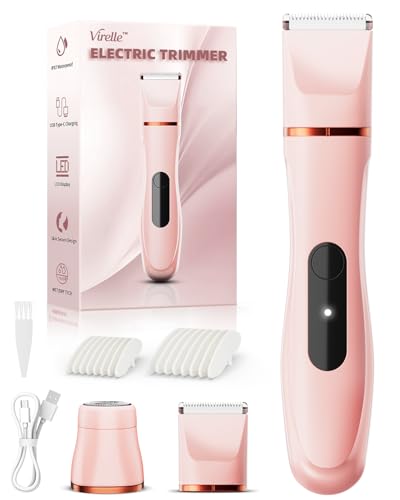
2-in-1Electric Razors for Women- This women's electric shaver comes with 2 interchangeable heads for ultimate versatility. The standard head allows for quick, precise trimming of larger areas like the bikini zone, underarms, legs, and arms. The shaving head delivers ultra-smooth results—perfect for gentle facial hair removal. A shaver specially designed for women, ensuring perfectly smooth skin.

Safe and Efficient Trimming: PRITECH razors for women/men uses ceramic blades with built-in protection. On the surface where the blade contacts the skin, we have implemented a chamfered design, ensuring that it never cuts, pulls, or irritates the skin, and guarantees efficient hair trimming. This body trimmer for women equipped with 3 adjustable comb attachments and 5 lengths (1.5mm, 3mm, 6mm, 9mm, 12mm), it meets your diverse trimming requirements
Sexual Motivation: Why Men Choose to Groom
Sexual preparation stands as the dominant motivator for male pubic grooming, with research indicating that 73% of men trim or shave their pubic hair specifically before sexual activity. You’re most likely to adopt these grooming habits during your peak sexual years, between ages 25-34, when you’re actively seeking sexual satisfaction.
Your grooming practices directly correlate with oral sex frequency and overall sexual expression. You’ll likely notice that your grooming habits intensify with increased sexual activity, reflecting a perceived connection between appearance and partner satisfaction. The association between pubic hair removal and enhanced genitalia satisfaction underscores how you view grooming as instrumental to sexual confidence and performance, particularly when anticipating intimate encounters that involve oral contact. To minimize irritation and prevent ingrown hairs during grooming, it’s important to shave gently in the direction of hair growth while using appropriate tools designed for sensitive areas. For those looking to streamline their grooming routine, a waterproof grooming trimmer can make the process more convenient and efficient during shower preparation. Studies show that women groom mainly for hygiene purposes, demonstrating a significant difference in grooming motivations between genders.

Safe and Efficient Trimming: PRITECH razors for men uses ceramic blades with built-in protection. On the surface where the blade contacts the skin, we have implemented a chamfered design, ensuring that it never cuts, pulls, or irritates the skin, and guarantees efficient hair trimming. This body trimmer for men equipped with 3 adjustable comb attachments and 5 lengths (1.5mm, 3mm, 6mm, 9mm, 12mm), it meets your diverse trimming requirements
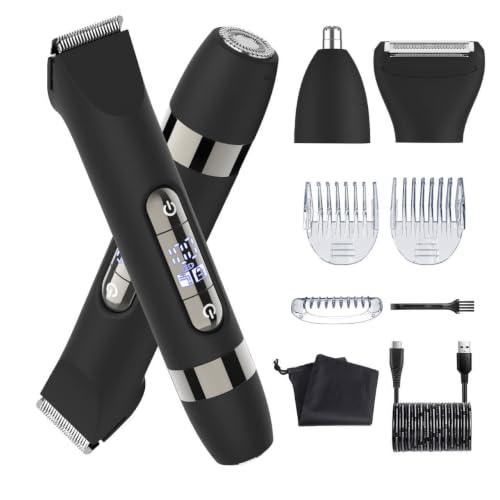
4-in-1 Multifunctional Men’s Full-Body Grooming Kit: Equipped with dual heads and multiple attachments, this men’s ball trimmer effortlessly trims hair on legs, armpits, groin, face, and nose—fully meeting all of a man’s body grooming needs.

【Multifunctional Mens Grooming Kit】MAXGROOM trimmer for men includes: 1 V-shaped body hair trimmer head,1 U-shaped beard trimmer head with adjustable guide comb (2-6 mm) for beard trimming, 1 T-shaped hair clipper head with 4 guide combs (3/6/9/12mm) for hair styling and haircutting, 1 beard shaver head, 1 nose & ear trimmer head and 1 comb. From your face and beard to body, groin, pubic and balls, this single kit delivers unmatched versatility and performance.
Aesthetic Confidence and Long-Term Results
Beyond the immediate gratification of sexual preparation, grooming decisions carry longer-term implications for how you perceive and manage your genital appearance. Research demonstrates that consistent pubic hair removal correlates with heightened genitalia satisfaction and improved self-image. However, sustained grooming requires ongoing maintenance; 44% of regular groomers report committing to routine care indefinitely.
Your aesthetic appeal perception may shift over time. While younger men aged 25-34 show peak grooming prevalence at 73%, satisfaction doesn’t uniformly increase with removal frequency. Evidence suggests that grooming habits compound with social media exposure and sexual activity patterns, potentially creating dependency on maintenance routines. Studies indicate that improved sexual activity represents a primary motivator for men maintaining consistent grooming practices. For those seeking longer-lasting alternatives, waxing can provide smooth results for up to four weeks, though it typically requires professional application. The pubic area has coarse, sensitive skin requiring gentle care during any removal process.
Consider that self-image benefits plateau after initial grooming adoption. Long-term results depend less on frequency and more on establishing realistic expectations about appearance maintenance costs and time investment.
Choosing Your Hair Removal Method
Your method selection depends on balancing efficacy, safety, and maintenance commitment. Trimming techniques offer the fastest, lowest-risk option with minimal irritation or ingrown hair concerns, though results aren’t permanently smooth. Waxing methods provide four-week results by removing hair from the root, reducing regrowth itchiness when performed professionally, but involve upfront discomfort and cost.
Depilatory creams dissolve hair painlessly at the skin surface within 5-10 minutes, yet carry allergic reaction risks on sensitive pubic skin. Laser hair removal delivers permanent follicle reduction most effectively on dark, coarse hair across multiple sessions. Electrolysis similarly targets follicles permanently using heat or chemical energy. For those seeking semi-permanent results, epilators using radio frequencies can damage hair follicles over repeated use.
Consider your pain tolerance, budget, skin sensitivity, and desired longevity. Professional treatments reduce complications. Trimming techniques suit maintenance-focused individuals, while waxing methods bridge temporary and permanent solutions. To minimize irritation after any grooming method, it is important to apply a sensitive non-lathering shave gel or cream and exfoliate before treatment for optimal results. After grooming, apply moisturizing products like aloe vera to soothe the skin and prevent irritation.
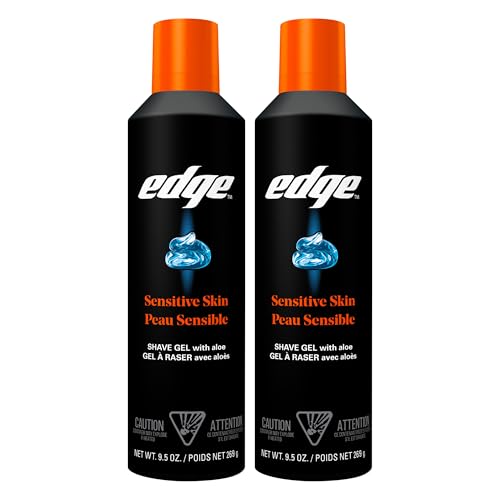
SENSITIVE SKIN PROTECTION: With Edge sensitive skin shaving cream for men, enjoy protection from nicks and cuts thanks to its effective formulation

INFUSED WITH ALOE: Gillette Sensitive Shaving Gel infused with aloe helps soothe skin during shaving

DYE AND FRANGRANCE FREE: this shaving gel for women is specially designed for sensitive skin, made without elements that can irritate skin, like dyes and fragrances
Where and How to Groom: A Location Guide
Because different grooming zones require distinct techniques and safety considerations, understanding location-specific approaches minimizes irritation and ingrown hairs while maximizing aesthetic results. You’ll find that shower grooming provides ideal conditions—warm water softens hairs and running water rinses your blade after every 2-3 strokes, reducing bacterial buildup. For a trimmed style, use an adjustable-guard body trimmer on your pubic mound and shaft base, maintaining even pressure across the chest-to-pubic shift. Professional-grade trimmers like the Andis T-Outliner offer zero-gap performance for precise detailing in grooming applications. When targeting the briefs area, employ short strokes with a clean razor along visible outer regions beyond underwear lines. Always shave with the grain on sensitive genital-adjacent skin to prevent ingrowns. For sensitive areas specifically, dedicated tools like skin-safe blade designs provide additional protection against cuts and irritation during grooming. Post-grooming, rinse with cold water, pat dry thoroughly, and apply anti-chafing products to exposed areas. The choice of grooming method is personal preference, so select techniques that align with your comfort level and desired aesthetic outcome.

2-IN-1 FACE AND BODY GROOMING: This bikini trimmer for women includes a body hair trimmer and face shaver. Use the body head for bikini line, pubic hair, legs and underarms, and the facial head for peach fuzz and quick touch-ups.

【Full Body Hair Trimmer - Safe Grooming for Every Zone】Designed for chest, underarms, groin area, pubic hair, legs and more, these manscape trimmer give you controlled grooming for different body zones while reducing pulling, nicks and irritation. With a rounded corner design, these body trimmer for men help you trim sensitive areas with better confidence, making daily body care safer, easier and less stressful

OneBlade Technology: Fast-moving cutter (100x per second) powers through hair of any length; protector and rounded tips guard sensitive skin
Permanent vs. Temporary Removal: Cost and Maintenance
Once you’ve mastered proper grooming techniques, you’ll want to ponder whether temporary hair removal aligns with your long-term goals and budget. Shaving demands daily or weekly maintenance, accumulating significant costs through razors and creams over time. Waxing extends results to 3-6 weeks but requires repeated salon appointments with mounting expenses. For those seeking precision during grooming, electric body trimmers designed specifically for sensitive areas can minimize nicks and irritation during temporary removal methods.
A cost comparison reveals that permanent laser treatment—typically $1,200 to $4,500 for 6-8 sessions—eventually becomes economical. While initial investment appears substantial, temporary methods’ maintenance frequency creates indefinite recurring expenses across decades. Laser treatment eliminates ongoing grooming routines and product purchases, offering genuine long-term savings beyond financial metrics. Unlike temporary alternatives, laser hair removal targets follicles for 70-90% reduction over multiple sessions, providing superior long-term results. Maintenance sessions, which are often cheaper annually, may be needed post-treatment to sustain results. You’ll recoup your investment through reduced maintenance burden and cumulative savings within several years of treatment completion.

NO PULLING. NO PINCHING. NO CUTS. Gives a razor-smooth finish every time. Our skin-friendly electric shaver for women features precision ceramic blades with the fast-moving cutter trims hair at 100x per second, while R-shaped rounded tips and a protective guard ensure gentle contact with your skin—wrapped in soft, warm-touch silicone for a gentle, comforting feel. Whether you're using it as a intimate razor for women pubic hair or a facial hair remover for women, it's designed to leave zero irritation behind. Just smooth, happy skin from your face to below the belt.

Complete with All Essential Accessories: This women's grooming kit comes with a full suite of professional accessories - including 3 specialized trimmer heads (hair, foil, facial), 2 adjustable hair guards, a cleaning brush and USB charging cable. Everything you need for precise head-to-toe hair removal is conveniently included in one box.

2-in-1Electric Razors for Women- This women's electric shaver comes with 2 interchangeable heads for ultimate versatility. The standard head allows for quick, precise trimming of larger areas like the bikini zone, underarms, legs, and arms. The shaving head delivers ultra-smooth results—perfect for gentle facial hair removal. A shaver specially designed for women, ensuring perfectly smooth skin.
Breaking Free From Daily Shaving
Modern laser technology offers a compelling alternative to the relentless cycle of daily grooming maintenance. You’ll experience significant relief from repetitive shaving pain and the burden of frequent upkeep. Advanced laser systems damage hair follicles permanently, reducing growth by up to 90% and requiring only occasional maintenance sessions yearly rather than daily routines.
However, you should understand that results vary based on hair type, skin tone, and treatment consistency. Multiple sessions are necessary for ideal outcomes, and complete permanent removal isn’t guaranteed for all individuals. You’ll need to maintain realistic expectations about the timeline and potential touch-up requirements. While breaking free from daily shaving offers genuine convenience and reduced irritation, professional consultation guarantees you understand both benefits and limitations before committing to treatment. For those preferring temporary alternatives, electric razors designed for sensitive skin can provide a gentler grooming experience between laser sessions. After shaving, applying daily moisturization with lightweight products helps prevent dryness and irritation on treated skin. Following professional laser treatments, applying broad-spectrum sunscreen on treated areas protects from sun exposure and optimizes healing outcomes.