You can shave your face daily, but it’s not ideal for everyone. Daily shaving causes cumulative mechanical stress, increasing transepidermal water loss and compromising your skin barrier. Your skin type matters greatly—sensitive, dry, and acne-prone skin particularly suffer from frequent shaving. However, with proper technique, quality razors, and a rigorous post-shave care routine including moisturizing and alcohol-free products, you can minimize irritation. Understanding your specific skin needs determines whether daily shaving works for you.
Is Daily Shaving Safe for Your Skin Type?
Whether you can shave daily depends largely on your skin type and its specific needs. Your skin tolerance determines ideal shaving frequency. If you have sensitive skin, daily shaving causes redness and irritation; you’ll benefit from shaving every other day instead. Dry skin requires immediate post-shave moisturizing, making daily shaving potentially problematic without rigorous hydration protocols. Oily skin tolerates frequent shaving better but requires thorough pre-shave cleansing to prevent clogged pores. Acne-prone skin faces aggravated breakouts and infection risks from daily shaving, especially over active lesions. Those with eczema or psoriasis should avoid daily shaving entirely due to compromised skin barriers. Single-blade razors minimize irritation across most skin types. For sensitive skin specifically, electric shavers with intelligent sonic technology can reduce irritation by capturing more hair in fewer passes. Like maintaining a buzz cut’s uniformity, consistent shaving frequency helps preserve your skin’s appearance and health when following a regular routine. Assess your individual skin tolerance and consider less frequent shaving if you experience persistent irritation. Moisturizing after shaving is essential for preventing dryness and maintaining skin health when shaving frequently.

From the #1 electric shaver brand¹: Shaver 2400 Series gives you a fast, clean shave even on sensitive skin thanks to 27 self-sharpening ComfortCut blades and 4D Flex Heads

SkinProtect Technology: Achieve a clean, gentle shave with 5D pivot contour and AntiCorrosion Shaving System

NO PULLING. NO PINCHING. NO CUTS. Gives a razor-smooth finish every time. Our skin-friendly electric shaver for women features precision ceramic blades with the fast-moving cutter trims hair at 100x per second, while R-shaped rounded tips and a protective guard ensure gentle contact with your skin—wrapped in soft, warm-touch silicone for a gentle, comforting feel. Whether you're using it as a intimate razor for women pubic hair or a facial hair remover for women, it's designed to leave zero irritation behind. Just smooth, happy skin from your face to below the belt.
What Daily Shaving Does to Your Skin?
As you shave daily, you’re subjecting your skin to cumulative mechanical stress that triggers multiple physiological responses. Each pass increases transepidermal water loss comparable to ten tape strips, compromising your skin barrier. You’ll experience reduced filaggrin staining—a critical moisture-retention protein—immediately after shaving, though foam incorporation aids recovery over four days.
Your shave frequency directly correlates with skin sensitivity elevation. Daily shaving stimulates keratinocyte proliferation and epidermal thickening as your skin attempts protective adaptation. However, this creates a paradox: while cell turnover promotes smoother texture and product absorption, excessive blade contact removes the protective top skin layer, triggering pro-inflammatory responses and barrier dysfunction. Proper skin preparation before shaving can significantly reduce the severity of these adverse reactions. Selecting shavers with quality blade construction like stainless steel can minimize the physical trauma your skin endures during daily shaving. Using dedicated tools cleaned with disinfectant or alcohol helps prevent infections that could compound skin damage.
Post-shave creams become essential for minimizing cumulative damage from repeated mechanical trauma.
Who Should Avoid Daily Shaving?
Why do certain individuals experience severe adverse effects from daily shaving while others don’t? You’ll likely need to avoid daily shaving if you have pseudofolliculitis barbae (PFB), a genetic condition affecting roughly 60% of Black men with tightly coiled hair. PFB symptoms—including flesh-colored papules, itchiness, bleeding, and permanent scarring—worsen with frequent shaving.
You should also avoid daily shaving if you have eczema or chronic skin irritation aggravated by razor contact. Secondary infections from trapped hairs and razor bumps that cause pain and scarring warrant discontinuing daily shaving. For those with sensitive skin conditions, choosing razors specifically designed for sensitive skin can help minimize irritation if occasional shaving is necessary. When shaving is necessary, using light strokes helps reduce irritation and skin damage.
If you’re military personnel, military policies restrict shaving waivers to 12 months maximum. Growing beards can prevent PFB by eliminating frequent shaving, making this an alternative approach for affected troops. You’ll need medical evaluation and phased treatment plans to determine whether you can resume grooming standards safely.

Shaving’s never been easier—Women’s razors with a built-in moisturizing bar let you lather and shave in one easy step, without the need for shave gel.

1.5X MORE GEL – This sensitive skin razor for men has even more Hydro Gel for lasting comfort*. *vs. previous Schick Hydro

RAZOR FOR WOMEN: Includes 1 Gillette Venus razor handle plus 4 Venus razor blade refills for a smooth, comfortable shave
How to Prep Your Skin Before Shaving
Proper skin preparation is essential for minimizing irritation, nicks, and razor bumps during daily shaving. Your pre shave routine should begin with a gentle facial cleanser to remove dirt, oil, and impurities, then rinse thoroughly with warm water to open your pores.
Next, shower for at least three minutes. Warm water softens your facial hair’s keratin cells and hydrates your skin, making hair break away more easily. You can then apply pre-shave oil—coconut oil, olive oil, or hair conditioner work well—massaging it in circular motions over shave areas for enhanced lubrication.
Consider optional exfoliation using a gentle scrub or loofah to remove dead skin cells and clear low-exit-angle hairs, improving blade access. Finally, apply a hydrating moisturizer like aloe vera to prepare your skin further. To further reduce inflammation and irritation, rinsing with cold water after shaving helps calm your skin and close your pores. Hold your electric razor at a 90-degree angle with a light grip to avoid excess pressure that can cause irritation. Rinsing the blade frequently during your shave will remove buildup and maintain razor effectiveness. This thorough skin preparation maximizes shaving comfort and reduces irritation risks.

Nourish and Prepare - Bevel Pre Shave Oil is enriched with a powerful blend of Castor Oil, Olive Oil, and Tea Tree Oil, providing deep hydration and nourishment to your skin, while preparing your facial hair for a smooth shave

FACIAL SHAVING OIL FOR WOMEN WITH SENSITIVE SKIN – Gentle dermaplane shaving oil made specifically for women with sensitive skin. Provides a soothing glide that reduces irritation during face shaving and dermaplaning. Safe for acne prone skin.

EXPERIENCE THE PERFECT SHAVE TODAY: Clubman Pinaud Shave Oil enhances razor glide for an exceptionally close, comfortable shave. This combats razor burn, rashes, ingrown hairs, and nicks, making it one of the best beard oils and shaving oils for men.
Daily Shaving Techniques to Prevent Nicks and Ingrown Hairs
Three key factors—shaving direction, technique, and blade maintenance—work together to minimize nicks and ingrown hairs during daily shaving. You’ll reduce irritation by shaving in the direction hair grows rather than against the grain. Pull your skin taut in a mirror to identify your hair growth pattern, then use light, gentle strokes with minimal pressure. Let the razor glide naturally without pressing hard, and rinse your blade frequently with warm water to prevent drag.
Razor maintenance directly impacts your results. Replace disposable razors after 5-7 shaves, as dulled blades increase nicks and post-shave damage. Store your razor in a dry location between uses. Sharp, high-quality blades minimize friction and skin trauma, making daily shaving safer and more effective for preventing ingrown hairs and razor bumps. For those with sensitive skin, consider using safety razors with protective guards that control blade aggression and reduce irritation risk. For optimal blade performance, clean electric razors every 5-7 shaves if you use an electric shaver instead of disposable razors. Maintaining constant contact of all three blades with your skin ensures a comfortable shave when using electric shavers like Braun models.

PROTECTION: The MÜHLE Safety Razor Blade guard protects the blade and prevents accidental cuts when storing your razor.

Secure and Easy Storage. Great for keeping your razor edges safe. A comfortable way of closing razor head blades on buttons keeps your blades serving you more than usual closing methods from the side. With this cover, you can keep your finger safe from the blade.

THE PERFECT SHAVE: Make skin irritations and ingrown hair a problem of the past. With the metal razor, you will achieve the closest shave effortlessly.
Does Daily Shaving Make Hair Grow Thicker?
Many people worry that daily shaving will make their hair grow back thicker, darker, or faster—but you’re not actually changing your hair’s growth at all. Shaving only trims the visible shaft; it doesn’t affect your hair follicle or root beneath the skin’s surface.
The growth myths surrounding daily shaving stem from a simple optical illusion. When you shave, you create blunt-tipped hair ends that feel coarser and appear darker initially. This stubble stage creates the false impression of increased hair thickness. Once your hair fully regrows, it returns to its original diameter and texture, typically at a rate of half an inch to one inch per month. To maintain healthy skin during frequent shaving, use proper technique and tools to minimize irritation and prevent razor burn. Additionally, moisturizing immediately after shaving with an aftershave lotion or balm helps soothe freshly shaved skin and reduce irritation.
Your actual hair thickness is determined by genetics and hormones—factors shaving cannot influence. Cleveland Clinic and Foreo confirm that daily shaving produces no effect on your follicle’s growth rate or characteristics.
Post-Shave Care to Protect Your Skin
While shaving removes hair effectively, the process also compromises your skin’s protective barrier, making post-shave care essential for preventing irritation, infection, and long-term damage.
Your post shave routine should begin with lukewarm water rinsing followed by a cold splash to close pores and reduce redness. Pat your skin dry gently—avoid rubbing—then apply an alcohol-free toner to balance pH. Next, massage a pea-sized amount of aftershave balm upward from your neck, addressing inflammation and stinging.
Prioritize skin hydration by applying a moisturizer or SPF-infused balm to restore natural oils stripped during shaving. Support internal hydration by consuming adequate water and omega-3 rich foods like salmon. Just as regular maintenance with lubricant oil keeps razors functioning optimally, consistent post-shave care maintains your skin’s health and resilience. For optimal results, apply skin care products from thinnest to thickest, starting with toner and finishing with balm or moisturizer to maximize absorption. Consider incorporating natural soothers such as tea tree oil or vitamin E to enhance your post-shave recovery. Consistency matters: maintain this routine daily to prevent irritation and maintain skin integrity when shaving frequently.

WITH VITAMINPRO COMPLEX: Enriched with VitaminPro Complex—Vitamin E, Provitamin B5 and Chamomile extract
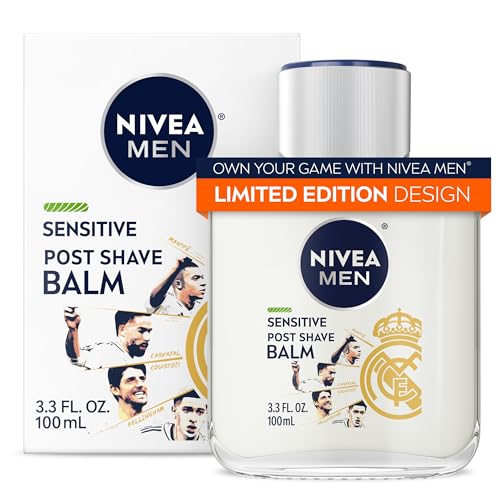
WITH VITAMINPRO COMPLEX: Enriched with VitaminPro Complex—Vitamin E, Provitamin B5 and Chamomile extract

Premium Ingredients - Our Bevel After Shave Balm for Men is formulated with Shea Butter, Jojoba Oil, Tea Tree Oil, and Witch Hazel, delivering a soothing and cooling experience for your skin