You’ll dry shave most effectively by prepping your skin with hydration and mapping your hair’s grain direction first. Use short, fluid strokes with-grain using light pressure on a sharp, clean blade—replace it every 5-7 shaves. Hold skin taut and avoid against-grain passes initially to prevent ingrown hairs. Follow with fragrance-free, alcohol-free moisturizer immediately after. Electric shavers offer less irritation since they cut above the skin surface. While this foundation prevents most complications, mastering advanced techniques and addressing your specific skin type yields substantially better results.
Prepare Your Skin and Tools for a Smooth Shave
Since proper preparation directly determines shaving success and skin health, you’ll want to start by softening your facial hair and opening your pores with warm water—ideally for at least five minutes before you begin. Avoid excessively hot water, which strips natural oils and increases dryness. Use a hydrating face wash rather than bar soap to cleanse effectively without compromising skin integrity.
Implement ideal exfoliation methods 2-3 times weekly using mild exfoliants before shaving to remove dead skin cells and prevent ingrown hairs. Apply moisturizing products containing hyaluronic acid or shea butter to thicken body hair and reduce friction-related irritation. For enhanced nourishment, consider incorporating MÜHLE Organic Argan oil into your pre-shave routine to provide extra hydration to particularly dry areas. While shaving is quick and convenient, it carries risks such as nicks, cuts, and prickly regrowth that proper preparation can help minimize.
Finally, prepare your razor by ensuring the blade remains sharp and clean. Store your razor in a dry location away from heat and humidity to maintain blade integrity and prevent corrosion. Maintain skin tension with your non-shaving hand to create a taut surface for optimal blade contact.

HYDRATING CLEANSER: Moisturizing face wash enriched with Provitamin B5 and Aloe Vera and our maximum level of moisturizers*

[ HYDRATING FACE WASH ] Daily face wash with hyaluronic acid, ceramides, and glycerin to help hydrate skin without stripping moisture. Removes face makeup, dirt, and excess oil, provides 24-hour hydration and leaves a moisturized, non-greasy feel.

Gentle face cleanser: Aveeno Calm + Restore Daily Hydrating Facial Cleanser for Sensitive Skin is a milky, gentle, and fragrance-free cleanser that instantly leaves skin feeling cleansed & soothed, 7.8 fl oz
Why Dry Shaving Works (and When to Use It)
While dry shaving doesn’t offer the closeness of wet methods, it can effectively meet your grooming needs in specific situations. Our benefits overview reveals that electric shavers cut hair above the skin surface, minimizing irritation and reducing ingrown hairs—particularly advantageous for sensitive skin. You’ll experience fewer nicks and less razor burn compared to blade dry shaving. Proper post-shave care including moisturizing is essential to soothe the skin and prevent irritation after dry shaving. Electric shavers with intelligent sonic technology adapt to beard density and capture more hair in one stroke, further reducing the number of passes needed over sensitive skin.
Suitability scenarios favor dry shaving when you prioritize speed over closeness. It’s ideal for quick touch-ups before work or post-gym freshening. You’ll find it invaluable during travel or when water access is limited. Consider dry shaving if you have coarse hair or a history of ingrown hairs. However, note that results won’t match wet shaving’s precision. For maintained scalp health during dry shaving, incorporate regular exfoliation to remove dead skin cells and prevent buildup. Assess your skin type and grooming priorities before committing to this method.
Master the Dry Shaving Technique: Grain-First Method
To achieve the closest safe shave with an electric razor, you’ll need to map your grain direction before you begin. Start by letting stubble grow two to three days, then systematically explore each facial zone—cheeks, chin, and neck—by rubbing your hand across the skin in multiple directions.
Resistance detection is essential: areas where you feel friction indicate against-grain directions, while smooth paths signal with-grain growth. Sketch your grain map based on these findings.
During your shave, execute your first pass strictly with-grain using short, fluid strokes and minimal pressure. This foundation pass removes bulk hair while minimizing irritation and tugging. Follow with a gentle across-grain second pass for refinement. Avoid against-grain passes initially, as they notably increase ingrown hair risk and skin sensitivity. Single-blade razors are particularly effective at reducing tugging compared to multi-blade options, making them ideal for maintaining skin health during the shaving process. For those with particularly sensitive skin, options like the Feather AS-D2 provide a mild design that further protects against irritation. Many users find that safety razors require a moderate learning curve but deliver superior results in closeness and skin gentleness once the proper technique is mastered.
Pre-Trim Long Hair and Handle Sensitive Areas
Before you start your dry shave, you’ll need to address any hair longer than half an inch, as it can clog your razor’s blades and compromise cutting efficiency. Use pre-trim techniques with electric trimmers or cuticle scissors to remove excess length first. Make sure your blade is fresh for clean cutting without tugging.
When handling sensitive areas like the bikini line or facial contours, trim long hairs before shaving. For sensitive skin, foil shavers outperform rotary models. Hold skin taut with one hand and shave with the grain using gentle, controlled 90-degree strokes. Apply light pressure and circular motions with electric shavers on delicate zones. Avoid against-grain passes initially on compromised skin. Use fragrance-free, hydrating pre-shave solutions to lift hairs while protecting your skin barrier. For optimal results on sensitive areas, consider starting with longer trimmer settings like 2-3mm short lengths to avoid irritation before progressing to closer cuts. Women-specific models like the Finishing Touch Flawless Underarm offer curved designs and LED lighting specifically engineered for armpit and bikini area grooming. Proper preparation with exfoliation to remove dead skin cells helps ensure a smoother shaving experience and reduces irritation on vulnerable areas.
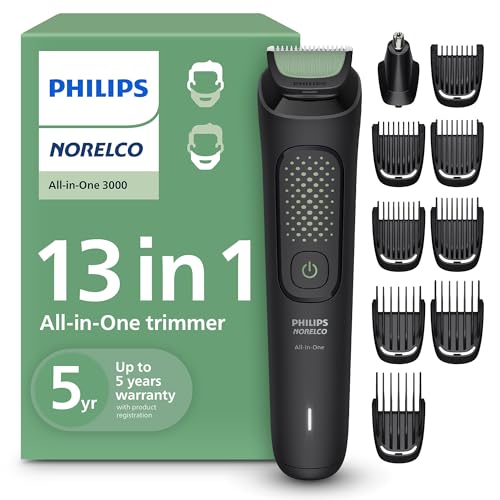
Skin-Friendly Blades: Rounded comfort-blade tips feel gentle on skin for a quick, comfortable trim when shaping beard or hair

𝟰-𝗶𝗻-𝟭 𝗠𝗲𝗻'𝘀 𝗚𝗿𝗼𝗼𝗺𝗶𝗻𝗴 𝗞𝗶𝘁- This beard trimmer for men includes 4 heads for hair, beard, body, nose, ear and detail trimming, plus 11 guide combs for controlled stubble, beard and haircut lengths. Switch styles without buying separate tools
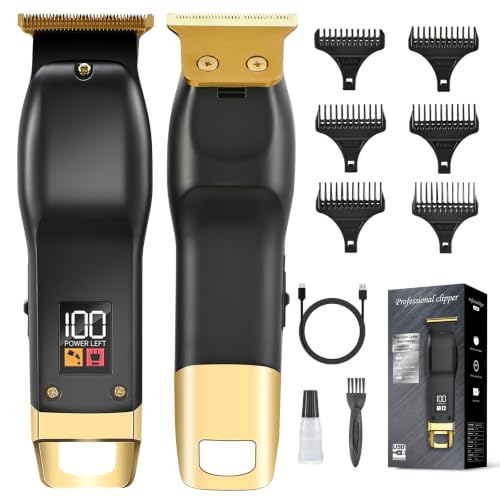
NICK-FREE SHAVING – Engineered with precision stainless steel blades that glide through fine or coarse facial hair without snagging or pulling. The chamfered blade edges protect your skin from nicks and irritation while maintaining exceptional cutting efficiency. Ideal for daily grooming as your go-to beard trimmer for men
Prevent Razor Burn and Ingrown Hairs: Aftercare Essentials
After you’ve finished shaving, your skin’s barrier is compromised by micro-abrasions and moisture loss, making immediate aftercare critical to preventing razor burn and ingrown hairs. Apply fragrance-free, alcohol-free moisturizers immediately post-shave to restore hydration and support skin barrier function. Alcohol-based products irritate freshly shaved skin and exacerbate razor bumps, so avoid them entirely. Incorporate soothing aftercare with emollients and aloe vera to relieve irritation from blade contact. Cool water application further calms inflamed areas. For optimal hydration, choose lightweight moisturizers containing hyaluronic acid or SPF to enhance your skin’s recovery. Pre-shave oils containing carrier oils like jojoba can help prevent razor burn by improving blade glide and reducing micro-abrasions during shaving. Post-shave moisturization prevents stinging and accelerates skin recovery from micro-abrasions. Additionally, avoid tight clothing on freshly shaved areas, as friction increases irritation risk. A pre-shave skincare routine using hydrating products the day before shaving further strengthens your skin’s defenses against irritation. These hydration techniques work synergistically to minimize complications and promote ideal healing.

Soothe Razor Burn and Irritation – Calms redness, razor bumps, and irritation after shaving with aloe vera, witch hazel, and cucumber extract. Helps prevent ingrown hairs for smooth, refreshed skin, without sting or discomfort.

WITH VITAMINPRO COMPLEX: Enriched with VitaminPro Complex—Vitamin E, Provitamin B5 and Chamomile extract

LIGHTWEIGHT HYDRATION, NO STICKY FILM – A thin, water-light aloe vera gel that absorbs fast and leaves skin fresh, not tacky. Made with 99% cold-pressed organic aloe leaf juice; the other 1% is a plant-based thickener, stabilizers and a gentle preservative. No alcohol, no dyes, no added fragrance.
Fix Common Dry Shaving Problems
While proper aftercare prevents complications from developing, you’ll find that addressing problems at their source—during the shave itself—stops razor burn, cuts, and ingrown hairs before they start. Replace blades every 5-7 shaves to maintain sharpness and reduce tugging that causes irritation. Apply generous shaving product and wait 1-2 minutes for peak skin penetration. Use light pressure with slow, steady strokes while holding skin taut—this prevents excessive force and nicks. Shave with the grain to minimize hair pulling and ingrown hair development. If you have skin sensitivities, limit passes over the same area and consider shaving alternatives like electric razors, which decrease drag and irritation. Electric shavers use a different cutting mechanism that chews rather than cleanly cuts hair, reducing some friction-related damage. Hold the electric razor at a 90-degree angle for optimal cutting efficiency and reduced irritation. Lubrication helps prevent skin injuries by reducing friction between the razor and skin. These technique adjustments address root causes effectively.

SkinProtect Technology: Achieve a clean, gentle shave with 5D pivot contour and AntiCorrosion Shaving System

Multi-Area & Hypoallergenic Shaving: Experience a smooth and painless shave with the Orchrose 2-in-1 Electric Razor, designed for multiple body areas including bikini line, face, legs, arms, and underarms. Operating at 10,000 RPM, it trims hair quickly and efficiently without pulling or tugging, leaving skin soft and smooth for effortless daily grooming at home or on the go.

NO PULLING. NO PINCHING. NO CUTS. Gives a razor-smooth finish every time. Our skin-friendly electric shaver for women features precision ceramic blades with the fast-moving cutter trims hair at 100x per second, while R-shaped rounded tips and a protective guard ensure gentle contact with your skin—wrapped in soft, warm-touch silicone for a gentle, comforting feel. Whether you're using it as a intimate razor for women pubic hair or a facial hair remover for women, it's designed to leave zero irritation behind. Just smooth, happy skin from your face to below the belt.
Choose the Right Tools for Your Skin Type
Your skin type determines which shaver features’ll minimize irritation and deliver effective results. Understanding skin type compatibility guides your shaving tools selection.
For sensitive skin, foil shavers with hypoallergenic foils reduce friction and redness. The Braun Series 9 offers extreme comfort for very sensitive skin and ingrown hairs. An adjustment period of 2-4 weeks often yields lasting improvements like reduced redness and irritation.
Oily skin benefits from razors with powerful suction functions that prevent clogging. Models with V-track blades cut thick hair at ideal angles, while quick-charge features support frequent maintenance. Rotating shavers are particularly effective for dense facial hair common in oily skin conditions.
Dry skin requires foil technology that minimizes abrasion. Wet/dry capable razors like the Braun Series 3 ProSkin allow optional lubrication. Electric shavers cut above the skin surface, reducing dryness from blade contact.
Match your shaver’s blade technology and features to your skin’s specific needs for ideal results.

Essential electric shaver for women and girls is designed for shaving sensitive skin on legs

4 BLADES FOR SMOOTH AND SILKY RESULTS: The hypoallergenic foils and trimmers move smoothly across the skin and leave no hair behind

Professional Precision: Designed for professional use on the face, head, and neckline, this mens foil electric shaver delivers the sharp performance that experts demand