You’ll encounter pubic hair that varies considerably based on genetics, hormones, and ethnicity. Your hair develops through five distinct Tanner stages from childhood into adulthood, progressing from sparse growth to coarse, triangular patterns. Texture ranges from tightly curled to straight, while color typically matches your eyebrows and is often darker than scalp hair. Men’s patterns extend toward the navel; women’s remain confined to the vulva. Understanding these natural variations helps you recognize what’s typical for your body.
Pubic Hair Development From Childhood Through Adulthood
Before puberty begins, you’ll find no visible pubic hair during Tanner Stage 1, though your adrenal glands are quietly maturing internally. The puberty timeline typically starts around age 8-9 in girls and 9-11 in boys, when sparse, lightly pigmented hair emerges at the base of your genitals during Tanner Stage 2.
Understanding hair follicle biology helps explain what happens next. Between ages 9-16, your pubic hair darkens, coarsens, and curls as it spreads laterally during Tanner Stage 3 and 4. Regular maintenance with clipper-specific oil can help manage pubic hair grooming if you choose to trim or shape it during these stages. If you decide to groom your pubic hair, using body-specific grooming devices designed with rounded blades and adjustable guards ensures safety on sensitive skin. By Tanner Stage 5, you’ll develop coarse, triangular adult-pattern hair extending toward your thighs. Girls typically reach physical maturity by age 16, while boys continue developing into their late teens or early twenties, completing this transformative developmental process. The hormonal surges during these stages directly influence the texture, color, and growth pattern of your pubic hair as your body approaches sexual maturity.

Safe and Efficient Trimming: PRITECH razors for men uses ceramic blades with built-in protection. On the surface where the blade contacts the skin, we have implemented a chamfered design, ensuring that it never cuts, pulls, or irritates the skin, and guarantees efficient hair trimming. This body trimmer for men equipped with 3 adjustable comb attachments and 5 lengths (1.5mm, 3mm, 6mm, 9mm, 12mm), it meets your diverse trimming requirements

【Multifunctional Mens Grooming Kit】MAXGROOM trimmer for men includes: 1 V-shaped body hair trimmer head,1 U-shaped beard trimmer head with adjustable guide comb (2-6 mm) for beard trimming, 1 T-shaped hair clipper head with 4 guide combs (3/6/9/12mm) for hair styling and haircutting, 1 beard shaver head, 1 nose & ear trimmer head and 1 comb. From your face and beard to body, groin, pubic and balls, this single kit delivers unmatched versatility and performance.

3-in-1 Versatility Body Hair Groomer - Experience the ultimate grooming flexibility with interchangeable ceramic blade head, foil shaver head and ear and nose hair trimmer head. Driven by a powerful 7200RPM motor, this pubic hair trimmer delivers a smooth, irritation-free trimming and precise shave on most of body part, such as pubic, bikini, groin, leg, armpit, chest etc ( Please do not use it to trim scrotum or testicles for safety). Body grooming kits for men & women.
How Do Pubic Hair Patterns Differ Between Men and Women?
While the developmental stages outline the timeline of pubic hair growth, the patterns that emerge differ noticeably between sexes. In gender comparisons of pubic hair patterns, you’ll notice distinct visual differences. Women’s pubic hair typically forms a horizontal triangle confined to the vulva and mons pubis area. Men’s patterns, conversely, extend upward in a diamond shape toward the navel, spreading across the scrotum, penile shaft base, and abdomen.
These differences stem from hormonal influences and genetic factors. Testosterone drives male pattern development, creating coarser, curlier hair that extends further. Estrogen influences female pubic hair growth, which remains localized. Additionally, genetics and ethnicity greatly influence escutcheon shape and distribution direction in both sexes, explaining considerable variation among individuals. Many men choose to groom their pubic hair for enhanced sexual sensitivity and improved personal hygiene. Common grooming techniques include trimming with disinfected scissors, waxing, and laser hair removal for those seeking to manage their appearance. These biological variations are entirely normal and do not indicate any health concerns.
Curly, Wavy, or Straight: Understanding Pubic Hair Texture
Pubic hair texture varies considerably among individuals, ranging from tightly curled ringlets to completely straight strands. Your texture depends primarily on genetic factors and ethnic variations. Curly texture, predominant in African populations, requires moisture retention strategies due to inherent dryness. Wavy patterns, displaying S-shaped waves with frizz propensity, fall between curly and straight characteristics. Straight hair, most common in males, offers easier grooming techniques for trimming and maintenance.
Hormonal influences, particularly androgens during puberty, transform fine vellus hair into coarser terminal hair regardless of texture type. These hormones affect density and growth patterns across all texture categories. Your pubic hair texture remains independent from scalp hair, determined by skin sensitivity and shaft thickness. Curlier hair may require regular exfoliation to prevent ingrown hairs, which occur when regrowth becomes trapped beneath the skin surface. For those preferring hair removal or styling, using an electric trimmer is the safest method to avoid irritation and complications. When selecting grooming tools, electric razors designed specifically for intimate areas offer enhanced safety features that minimize the risk of cuts on delicate skin. Understanding your specific texture enables you to select appropriate grooming techniques and maintenance approaches tailored to your hair’s unique requirements.

Complete with All Essential Accessories: This women's grooming kit comes with a full suite of professional accessories - including 3 specialized trimmer heads (hair, foil, facial), 2 adjustable hair guards, a cleaning brush and USB charging cable. Everything you need for precise head-to-toe hair removal is conveniently included in one box.
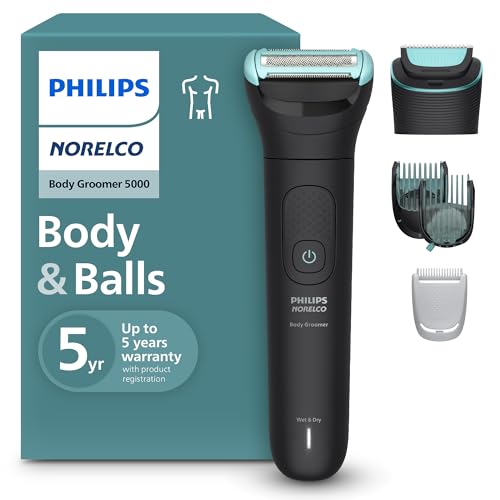
Dual Grooming Heads: Switch between full-body trimming and a close, skin-friendly shave

Why Is Pubic Hair Structurally Different From Scalp Hair?
Although you might assume all hair on your body shares the same basic structure, pubic hair and scalp hair differ considerably at the cellular and molecular level. Your pubic hair contains considerably more cuticle scales than scalp hair, creating a thicker protective barrier. This cuticle composition difference reflects pubic hair evolution, which developed enhanced resistance to chemical exposure from urine and ammonia. The natural protective functions of pubic hair include trapping bacteria and preventing chafing against sensitive skin in the genital area.
The coarser texture of your pubic hair results from distinct keratin strand arrangements and follicle shapes. While your scalp hair grows from oval-shaped follicles, pubic hair follicles are curved, producing thicker fibers resembling beard hair more closely than head hair. Research using Fourier-transform infrared spectroscopy has confirmed that the protein structures within pubic hair cortex layers remain less affected by chemical exposure compared to scalp hair. Grooming practices like trimming and shaving can impact these natural protective functions depending on the method chosen.
Additionally, your pubic hair exhibits longer growth cycles and greater androgen sensitivity during development, distinguishing it as specialized terminal hair designed for specific biological functions.
What’s Normal? Natural Variations in Pubic Hair Color and Thickness
Why does your pubic hair color sometimes differ dramatically from your scalp hair? Your pubic hair color results from melanin pigment levels in regional hair follicles, which operate independently from your scalp. You’ll likely notice your pubic hair matches your eyebrows more closely than your head hair, and it’s typically darker than scalp hair overall.
Thickness variation in pubic hair also occurs naturally among individuals. Some people naturally grow thicker terminal hair, while others develop finer growth. Your androgen sensitivity and follicle responsiveness to 5α-reductase determine these differences. Both pubic hair color and thickness variations are completely normal. As you age, melanin production decreases, causing natural lightening. The anagen phase duration, which lasts only a couple of weeks for pubic hair compared to several years for scalp hair, explains why pubic hair reaches a natural stopping point rather than growing indefinitely. Abundant, thick hair around your genitals post-puberty represents standard development regardless of ethnicity or genetic background. Studies indicate that pubic hair grooming motivations vary widely, with hygiene and routine care being common reasons individuals choose to groom their pubic hair. For those interested in removing pubic hair, safe removal methods range from trimming to laser hair removal depending on individual preferences and skin sensitivity.
Hair Loss, Sparse Growth, and Other Changes Worth Monitoring
While some variation in pubic hair density is normal, significant changes—whether you’re experiencing noticeable thinning, patchy loss, or slower regrowth—warrant attention. Pubic hair loss often reflects underlying hormonal imbalances, particularly declining androgens from aging, menopause, or adrenal dysfunction. Hair growth cycles may slow due to stress-induced telogen effluvium or conditions like androgenetic alopecia. Patchy loss suggests alopecia, trichotillomania, or infections like syphilis. Psychological factors contribute substantially to hair loss patterns. Beyond cosmetic impacts, changes serve as health indicators of hormonal shifts, nutritional deficiencies, or systemic conditions. Age-related hair loss can also impact body hair including pubic hair, affecting density and color through natural aging processes. For those seeking to manage facial hair appearance, options like electric shavers for sensitive skin are available to address grooming concerns related to hair texture and skin irritation. Proper shaving technique and post-shave care, such as using quality balms and astringents, can help prevent skin irritation during grooming. Medical evaluation helps identify causes—whether hormonal decline, medication side effects, or underlying disease—enabling appropriate intervention and management.

SkinProtect Technology: Achieve a clean, gentle shave with 5D pivot contour and AntiCorrosion Shaving System

From the #1 electric shaver brand¹: Shaver 2400 Series gives you a fast, clean shave even on sensitive skin thanks to 27 self-sharpening ComfortCut blades and 4D Flex Heads

【Upgrade 4D Floating Shaving Head】 This electric shaver features an advanced 4D floating shaving head for a more precise shaving experience. Combining precision blades and a powerful 9000 RPM high-speed motor, this electric shaver effortlessly glides along the contours of your face, neck, and even chin for a fast, efficient shave
Should You See a Doctor About Pubic Hair Changes?
Since pubic hair changes often signal underlying health conditions rather than cosmetic concerns alone, you shouldn’t dismiss significant alterations without medical evaluation. You’ll want to schedule medical consultations if you’re experiencing rapid hair growth, sudden loss beyond normal aging, or accompanying virilization symptoms like voice deepening and acne.
You should see a doctor when pubic hair conditions emerge in children before age 8 or 9, as this may indicate premature adrenarche requiring monitoring. Psychological distress from these changes also warrants professional attention. Conditions like polycystic ovary syndrome can disrupt hormone balance and lead to abnormal hair growth patterns that extend beyond pubic areas.
Your healthcare provider can order tests to identify root causes—whether hormonal imbalances, adrenal insufficiency, or medication side effects—and recommend appropriate treatments. For those experiencing skin irritation from hair removal methods, dermatologists can recommend gentler alternatives like safety razors for sensitive skin to minimize discomfort during grooming. Women seeking professional-grade grooming solutions may also benefit from waterproof electric shavers designed specifically for sensitive skin care. Dermatologists and endocrinologists specialize in addressing these concerns, helping you restore confidence and overall health through targeted interventions.

NO PULLING. NO PINCHING. NO CUTS. Gives a razor-smooth finish every time. Our skin-friendly electric shaver for women features precision ceramic blades with the fast-moving cutter trims hair at 100x per second, while R-shaped rounded tips and a protective guard ensure gentle contact with your skin—wrapped in soft, warm-touch silicone for a gentle, comforting feel. Whether you're using it as a intimate razor for women pubic hair or a facial hair remover for women, it's designed to leave zero irritation behind. Just smooth, happy skin from your face to below the belt.

2-IN-1 FACE AND BODY GROOMING: This bikini trimmer for women includes a body hair trimmer and face shaver. Use the body head for bikini line, pubic hair, legs and underarms, and the facial head for peach fuzz and quick touch-ups.

2-in-1Electric Razors for Women- This women's electric shaver comes with 2 interchangeable heads for ultimate versatility. The standard head allows for quick, precise trimming of larger areas like the bikini zone, underarms, legs, and arms. The shaving head delivers ultra-smooth results—perfect for gentle facial hair removal. A shaver specially designed for women, ensuring perfectly smooth skin.
Hormones: The Biological Driver Behind Pubic Hair Growth
Your pubic hair growth doesn’t happen by chance—it’s orchestrated by a complex interplay of hormones that activate dormant follicles and transform fine vellus hair into coarser terminal hair during puberty. Androgens, particularly testosterone and DHT, drive this transformation through androgen receptor signaling in dermal papilla cells. Estrogen impact modulates this process in females by inhibiting hair cycle progression. Progesterone role involves reducing androgen synthesis and 5-alpha reductase activity. Growth hormone interaction amplifies testosterone responsiveness, while thyroid influence extends the anagen growth phase. Cortisol effects and prolactin connection can suppress follicle activity or stimulate hyperandrogenism. The response to androgens varies by body site and follicle type, meaning pubic hair development differs from axillary and scalp hair growth patterns. Hormone fluctuations throughout your menstrual cycle directly influence hair follicle regulation, making hormonal balance essential for normal pubic hair development and maintenance. Pubic hair textures naturally vary widely due to these hormonal influences, with some individuals experiencing straight pubic hair while others develop the more common curly varieties. Like personal grooming choices that require selecting appropriate tools for your needs, hormonal management should be tailored to individual circumstances.
Ethnic and Geographic Differences in Pubic Hair Characteristics
Beyond the hormonal mechanisms that initiate pubic hair development, biological variations across ethnic groups produce distinct differences in timing, texture, and density. Ethnic diversity shapes pubic hair onset considerably—African American boys develop pubic hair approximately nine months earlier than white boys, while Mexican American boys lag over a year behind. Girls show comparable patterns, with black girls reaching pubic hair onset at 8.78 years versus 10.51 years for whites.
Geographic influences and ethnic heritage also determine hair texture and characteristics. East Asian populations typically display black, wavy pubic hair, while texture varies from tightly curled to straight across racial groups. Proper hair care and maintenance often benefits from alcohol-based lotions that help hydrate and protect sensitive skin during grooming routines. Precise grooming of pubic hair requires specialized tools such as high-speed trimmers designed to cut accurately without causing skin irritation. Pubic hair serves as a secondary sex characteristic that reflects underlying biological development patterns. These variations persist independent of scalp hair characteristics and remain apparent even after adjusting for BMI and socioeconomic factors.
Grooming and Care Options for Different Pubic Hair Types
Proper grooming and maintenance of pubic hair requires selecting techniques that align with your hair type, skin sensitivity, and personal preferences. For coarse, curly hair, you’ll benefit from electric trimmers or specialized scissors that deliver precise cuts while minimizing irritation. Fine hair responds well to electric stylers for even trimming across the pubic area and thighs.
Your care routines should prioritize skin health alongside aesthetic goals. Exfoliate 24 hours before any grooming techniques to reduce bumps and ingrown hairs. Always shave in the direction of hair growth using sharp blades, and apply shave cream beforehand for sensitive areas like the scrotum. When using a safety razor, maintain a 30-45 degree angle with minimal pressure to prevent irritation and nicks on delicate skin. Using Skin-Safe™ Ceramic blades prevents snagging and tugging that can cause micro-tears on delicate skin.
Post-grooming aftercare is essential. Moisturize with fragrance-free products containing vitamins A and E, and use SPF protection during maintenance. Regular conditioning and gentle cleansing preserve softness while unclogging pores. Consider using a brush with shaving soap to build protective lather before grooming, which provides additional cushioning and lubrication for delicate areas.

Model Number: ASTRA01
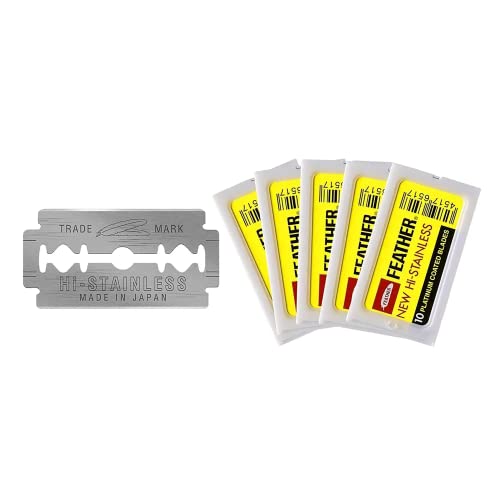
Fifty Count Of Double Edge Razor Blades; Our Razors For Men Feature A Fifty Count Of Double Edge Razor Blades; Feather Razor Blades Are Extremely Sharp And Will Give You A Great Shaving Experience
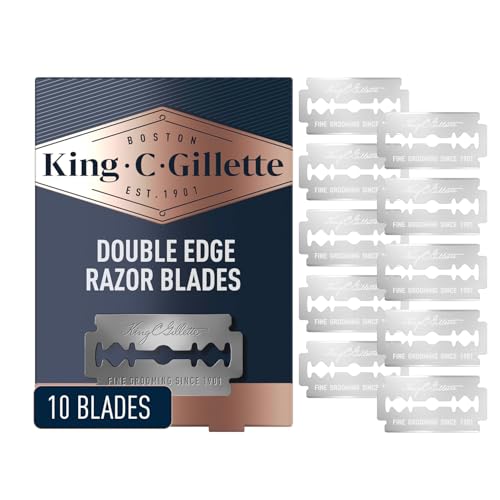
Stainless steel blades. Includes 10 High-Quality Platinum-coated stainless steel double edged razor blades to shape with accuracy