You’ll safely trim butt hair by washing the area with mild soap and warm water, then applying shaving cream for lubrication. Use a SkinSafe trimmer with rounded tips and guards, trimming in the direction of hair growth with short, controlled strokes. Avoid common mistakes like dry shaving or using dull blades, which increase irritation and ingrown hairs. After trimming, rinse thoroughly and apply moisturizer with aloe vera or tea tree oil. For thorough guidance on positioning, technique, and aftercare specifics, the details below offer substantial additional insight.
Why Most Men Choose Trimming
Most men choose trimming as their preferred method of butt hair grooming, and the reasons are both practical and evidence-based. You’ll find that 53% of grooming men prefer trimming over other methods, making it the dominant approach among U.S. men.
Your grooming motivations likely center on two key areas: sexual hygiene and comfort. Research shows that 61% of men cite hygiene as a key motivation, while trimming reduces sweat absorption in hairy areas. Additionally, you may groom in preparation for sexual activity, with peak prevalence occurring among men aged 25-34.
Trimming offers you distinct advantages over alternatives. It’s fast, easy, and painless, avoiding razor burn, ingrown hairs, and infections associated with shaving or waxing. This minimal risk profile makes it ideal for first-time groomers seeking low-hesitancy maintenance. To maintain optimal performance and hygiene of your trimmer, regular maintenance after each use ensures your device remains effective for long-term grooming. For those seeking longer-lasting results, alternatives like waxing or electrolysis are available, but trimming remains the accessible entry point for most men. Most men start grooming before age 30, demonstrating that trimming has become a standard part of male personal care routines.
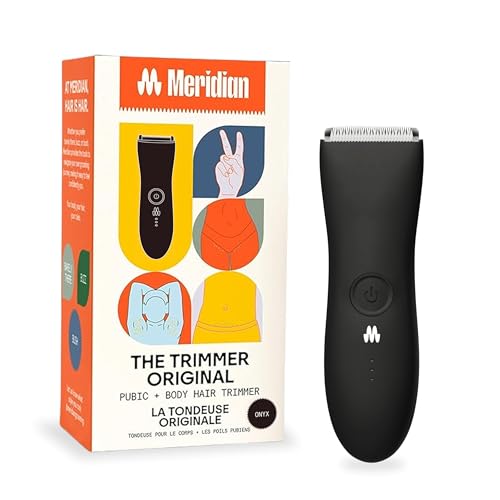
SMOOTH RESULTS, NO OVERTHINKING: Tackle body hair with confidence—chest, legs, and underarms. This men’s body hair trimmer features a ceramic blade for controlled, comfortable trimming on all hair types, helping skin feel smooth with less hassle.

SpotGlide Blade Technology: Unlike others in the industry, MANSPOT's SpotGlide Blade Technology features a wider 40mm ceramic blade designed to cover more area in fewer passes, reducing friction and irritation in sensitive areas including the groin. Rounded tip guards and a hypoallergenic steel and ceramic blade combination help minimize nicks and discomfort for a clean, comfortable result, no razor burn, no regrets.

Body, Pubic, Groin&Bikini- OLOV trimmers were designed for below-the-waist grooming but work great on your not so private parts too
Prepare Your Area Before You Trim
Preparation is essential before you trim butt hair, as it reduces irritation, prevents infections, and improves trimming precision. Start by washing the area thoroughly with mild soap and lukewarm water to eliminate bacteria and dirt—hygiene importance can’t be overstated in this sensitive region. Take a five-minute warm shower to soften hair and open pores, making trimming easier and reducing tugging. Apply a gentle exfoliant with alpha hydroxy acids to lift trapped hairs and remove dead skin cells, which prevents razor bumps. Pat the area dry completely and position yourself for the best access, either seated in the shower or propping your leg on the tub edge. Apply shaving cream for lubrication and consider moisturizing immediately after trimming with an aftershave lotion or balm to soothe freshly treated skin. Using specialized body groomers with rounded blades and adjustable guards is recommended for safe and effective hair removal in sensitive areas. Ensure all shaving equipment is clean and hygienic to maintain safe, effective hair removal while minimizing skin trauma. These sanitation practices maintain safe, effective hair removal while minimizing skin trauma.

【Full Body Hair Trimmer - Safe Grooming for Every Zone】Designed for hair, beard, chest, underarms, groin area, legs and more, these barber clippers give you controlled grooming for different body zones while reducing pulling, nicks and irritation. With a rounded corner design, these mens hair clippers help you trim sensitive areas with better confidence, making daily body care safer, easier and less stressful
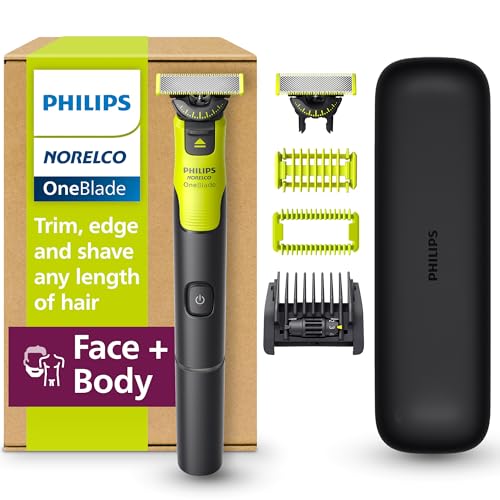
OneBlade Technology: the fast-moving cutter (12,000x min) is efficient, even on longer hairs; the dual Protection System with glide coating plus rounded tips makes shaving easier and more comfortable
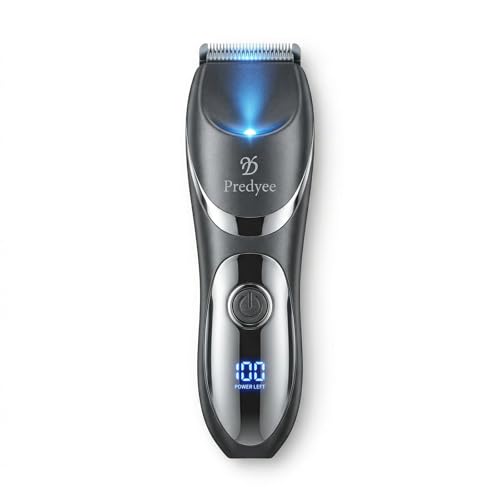
[SKIN-FRIENDLY CERAMIC BLADE] Equipped with precision-engineered, rounded R-angle ceramic teeth to significantly reduce pulling, nicks, and irritation. Enjoy a smoother, safer, and more comfortable manscaping experience, even on your most sensitive areas.
Pick the Right Trimmer and Attachments
Selecting an appropriate trimmer with safety-focused features is essential for preventing irritation, cuts, and infection in this sensitive area. You’ll want to prioritize trimmers equipped with SkinSafe ceramic blades or hypoallergenic options like the Panasonic ER-GK60-S, which minimize nicks and irritation. Rounded tips and guards further protect delicate skin. The Meridian Body Hair Trimmer stands out as a top choice, featuring a wider ceramic blade designed for superior cutting efficiency while maintaining safety standards.
Consider trimmer features that enhance accessibility. The Philips Norelco Bodygroom Series 7000 offers ergonomic design and dual-sided capability, while the Panasonic ER-GK80-S includes a V-shaped head for hard-to-reach spots. Evaluate attachment options carefully—detailing attachments enable precise crevice trimming, and adjustable length settings reduce the need for multiple tools. Models like the Manscaped Lawn Mower 5.0 Ultra provide multiple attachments for versatile grooming across different body areas. For optimal results, maintain your trimmer by rinsing the removable head under tap water after each use.
For budget-conscious choices, the Manspot Groin Hair Trimmer performs reliably. Confirm your selected trimmer is waterproof for easy cleaning and maintenance between uses.

Safe and Efficient Trimming: PRITECH razors for men uses ceramic blades with built-in protection. On the surface where the blade contacts the skin, we have implemented a chamfered design, ensuring that it never cuts, pulls, or irritates the skin, and guarantees efficient hair trimming. This body trimmer for men equipped with 3 adjustable comb attachments and 5 lengths (1.5mm, 3mm, 6mm, 9mm, 12mm), it meets your diverse trimming requirements
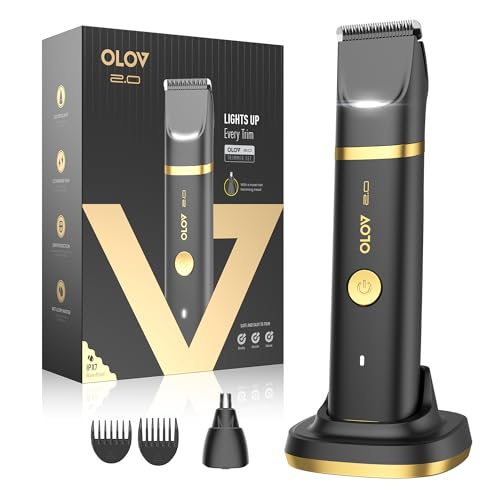
Body, Pubic, Groin&Bikini- Trimmers were designed for below-the-waist grooming but work great on your not so private parts too

Smooth and Comfortable Shave: Say goodbye to the pain and discomfort of traditional shavers with the MANSPOT Manscape Hair Trimmer for Groin & Pubic & Ball of Men Women. Its anti-cut blade and high-power motor make your shaving routine faster, smoother, and more comfortable than ever before. No more nicks, snags, or burns, just a clean and confident look.
Position Yourself for Effective Trimming
Proper positioning is critical to your safety and trimming effectiveness, as research indicates that over 25 percent of individuals who groom pubic hair injure themselves during the process. You’ll find several ideal positioning techniques work well depending on your chosen tool.
Standing with a mirror provides visibility for electric trimmers with guard attachments. Alternatively, squat over a handheld mirror on the floor with legs hip-distance apart to access the crack and perineum clearly. For scissor work, lying on your side reduces strain and slip risk. You might also place one foot on a bathtub edge to create better angles for cheek separation. Consider using electric head shavers with guard attachments for safer and more controlled trimming in sensitive areas.
Regardless of position, trim in your hair’s natural growth direction to minimize irritation. Sit on a dry tub edge when possible to reduce slipping hazards. For those with sensitive skin, consider using tools with extra lubrication to further reduce irritation during the grooming process. Ensuring proper lighting and visibility throughout the trimming process will help you maintain control and achieve more accurate results.
Execute the Trimming Technique Step-by-Step
You’ll want to prepare your hair and skin before you begin trimming to reduce irritation and improve results. Position yourself in well-lit conditions with a mirror for ideal visibility during your hair grooming session. Work methodically through small sections, ensuring even coverage throughout the area.
Direct your trimming techniques along the hair growth pattern to minimize skin irritation. Use short, controlled strokes rather than repeated passes over identical spots. If you prefer a closer trim, move clippers against the grain, though this requires careful technique. Consider using dedicated sensitive area tools designed specifically for genital grooming to enhance safety and precision. Proper aftercare is essential to prevent complications like folliculitis and infections that can result from improper grooming techniques. After trimming, apply a gentle body moisturizer to soothe the skin and prevent irritation.
Maintain consistent pressure and avoid aggressive movements that could cause discomfort or injury. After completing each section, inspect your work in the mirror to identify any missed areas requiring attention before proceeding further.
Mistakes That Cause Cuts, Rash, and Ingrown Hairs
While proper technique matters, common mistakes during trimming and shaving can undermine even the best preparation and result in cuts, rash, and ingrown hairs. Skipping pre-trimming leaves excess hair that clogs razors and causes multiple passes, increasing injury risk. Dry shaving without lubrication removes the protective barrier your skin sensitivity requires, creating razor burn and drag. Using dull blades or incorrect razor types amplifies tugging and trauma—replace blades every 5-7 uses. Poor positioning and rushing with long strokes cause uncontrolled slips and lacerations. Shaving against hair growth sharpens ends, worsening stubble prickliness and ingrown development. Most critically, avoid shaving the crack itself; trimming instead eliminates these complications while reducing infection chances considerably. An electric trimmer offers the safest home method for sensitive areas like the buttocks, as rotary shavers provide greater flexibility for hard-to-reach areas. Applying aloe vera or aftercare lotion after trimming helps soothe any minor irritation and prevents inflammation from developing into more serious skin concerns.
Aftercare: Preventing Bumps and Irritation
After trimming, your skin requires immediate and careful attention to minimize complications like folliculitis, razor burn, and ingrown hairs. Begin your post trim care by rinsing the area thoroughly with lukewarm water, then follow with a cool rinse to close pores. Wash gently using mild soap and warm water, then pat dry without rubbing.
For skin soothing, apply peptide-rich moisturizer or aloe vera immediately after drying to prevent bumps and irritation. Consider products containing chamomile, Vitamin E, or tea tree oil for their calming properties. If inflammation develops, apply cortisone cream or a soothing balm. Like maintaining your trimmer through blade oiling and cleaning, proper post-trim care is essential to skin health. Grooming around the anus with proper aftercare reduces the risk of ingrown hairs and boils that may require medical attention. Choose a trimmer with SkinFirst Technology and waterproof design to minimize irritation during the grooming process itself.
During healing, wear loose-fitting clothing to avoid friction and allow your skin to breathe freely without pressure or constraint.

Made Within 12 Hours of Harvest: At Aloderma, our skincare is rooted in the earth. Our Aloe is processed on-site and turned into final products within hours of leaving the fields to ensure that we capture the natural power of Aloe Vera in every product we make. Aloderma has over 20 years of working with Aloe providing high quality and affordable products for beauty, health and wellness.

【Aloe Vera Moisturizer】:Aloe vera is a versatile plant that has been used for centuries and is known for its numerous skin care benefits. Our moisturizer uses natural aloe vera extract,designed for people who want smooth, hydrated skin while helping to prevent wrinkles, eliminate acne and blemishes, reduce scars, soothe dry or sun-damaged skin, and more.

SHIPMENT CONTAINS: 20.3 FL OZ (600 mL) Amazon Essentials Intensive Care Aloe Body Lotion for skin hydration
Other Hair Removal Methods Worth Considering
Beyond trimming and shaving, several alternative methods can address butt hair removal with varying degrees of permanence, cost, and risk.
Waxing and sugaring remove hair from the root, lasting 3-6 weeks, though waxing carries burn and infection risks on sensitive skin. Sugaring proves less painful and better suited for skin sensitivity. Research indicates that grooming injuries like cuts and burns affect approximately 25% of groomers, highlighting the importance of choosing safer removal methods.
Laser hair removal targets follicles over multiple sessions, offering long-lasting results but requiring professional technicians and significant expense. IPL (intense pulsed light) devices provide faster, more affordable alternatives with fewer side effects and home-use options. Laser hair removal also stimulates collagen production for enhanced skin texture and reduces the likelihood of ingrown hairs developing.
Electrolysis permanently destroys individual follicles through electrical current, working on all hair types and skin tones. However, it demands multiple professional sessions and causes post-treatment tenderness. Proper maintenance of any hair removal tools, such as recognizing signs of dullness in razors used for trimming, helps ensure safe and effective results.
Evaluate these hair removal options based on your pain tolerance, budget, and skin sensitivity before proceeding.

【Effective IPL Hair Removal】They zap away unwanted hairs at their roots, which significantly slows down regrowth for smoother skin. With 5J/cm² high energy and a 600nm wavelength, the device delivers light deeper into the hair follicles, effectively damaging them to reduce hair growth over time. This offers longer-lasting results compared to shaving or waxing.

【Effective IPL Hair Removal】They zap away unwanted hairs at their roots, which significantly slows down regrowth for smoother skin. With 5J/cm² high energy and a 600nm wavelength, the device delivers light deeper into the hair follicles, effectively damaging them to reduce hair growth over time. This offers longer-lasting results compared to shaving or waxing.

Deluxe Pink Leather Case: Exclusive storage bag keeps your vanity tidy and organized. Its premium design offers a luxurious unboxing experience, making it an ideal, ready-to-wrap gift for yourself or loved ones.