You’re examining fuzz, not hair—it’s a precisely engineered blend of wool (50-95%), nylon (up to 45%), and polyester fibers (5-50%) that fundamentally determines how your ball performs. This composite coating alters aerodynamics, enabling spin transfer to your racket strings while creating the drag that controls ball speed. Fresh fuzz keeps shots faster; worn fuzz increases control. The specific composition adjusts based on court type, ensuring consistent play across surfaces. Understanding how these materials interact reveals why tournament standards mandate particular fuzz specifications.
What Is Tennis Ball Fuzz Actually Made Of?
Tennis ball fuzz isn’t a single material—it’s a carefully engineered blend designed to optimize performance. You’ll find that wool comprises 50-95% by weight, providing essential durability and resilience. Nylon, limited to 45% maximum, enhances strength and abrasion resistance. Manufacturers also incorporate polyethylene terephthalate (PET) fiber, ranging from 5-50% by weight, which improves wear resistance and reduces fuzzing.
Fuzz composition varies based on court type. Standard felt uses 70-80% Melton wool, while synthetic yarns like mohair create texture variations. For hard courts, manufacturers increase nylon content for extra duty felt, which you’ll recognize by its enhanced durability. The final vulcanization process secures the fuzz for long-lasting durability throughout extended play. Much like precision lining in grooming, achieving the right felt composition requires careful attention to material ratios and application techniques.
Different fuzz types serve specific purposes. The engineered texture provides grip on court surfaces and strings, maintaining integrity throughout extended play. Similar to how combing out hair reveals its true length before trimming, examining tennis ball fuzz closely helps players understand how wear patterns affect performance. This sophisticated blend balances performance requirements precisely.

【Easy to Use】Our high-quality tennis balls fit most walkers and are pre-cut for easier, safer installation. Simply slip them on and go.

AMERICA'S #1 BEST-SELLING TENNIS BALL: Penn Championship is the top choice for everyday players, clubs, and coaches - trusted for consistent quality, durability, and performance across all court types.

USTA and ITF Approved
How Does Fuzz Create Drag and Ball Control?
Because the fuzz covering a tennis ball isn’t merely decorative, it fundamentally alters the aerodynamic forces that govern play. When you serve at 150 mph, fuzz dynamics immediately engage, causing drag implications that reduce your ball’s speed to roughly 50 mph by the time it reaches your opponent. Each filament contributes additional resistance as air flows through the nap, effectively increasing the ball’s diameter and creating substantial drag forces.
You’ll notice that upright fuzz generates higher surface friction at lower speeds, while filaments compress at greater velocities. This textured surface delays boundary layer separation, reducing your ball’s turbulent wake and optimizing control. Brand-new smooth naps allow faster travel, whereas fluffier, older fuzz retains more drag, enabling tactical precision. Similar to how specialized equipment materials are chosen in other sports to enhance performance and durability, tennis ball fuzz composition is carefully selected for optimal play. Regular maintenance of tennis equipment, including proper blade disinfection practices, helps preserve performance characteristics over time. This fuzz dynamics mechanism guarantees consistent, predictable ball behavior across varying match conditions. The modern materials used in tennis ball manufacturing, typically composed of two-thirds wool and one-third nylon, ensure durability and maintain these critical fuzz characteristics throughout extended play.
How Does Fuzz Affect Your Spin and Racket Control?
Every time you strike a tennis ball, the fuzz creates a critical grip between the ball’s surface and your racket’s strings, fundamentally determining your shot’s spin and directional precision. The nap’s texture introduces friction that enables spin mechanics by allowing brushing motions to transfer rotational energy efficiently. Your racket tension interacts with fuzz to dictate whether you generate topspin dip or backspin control. Fluffier fuzz on older balls provides superior spin retention, while smoother new fuzz facilitates aggressive spin serves. The textured surface delays airflow separation around the ball, enhancing spin predictability and reducing reaction time issues. This Magnus effect is further amplified when the fuzz’s wool and nylon fiber blend interacts with the spinning ball to create pressure differences that curve the ball’s trajectory through the air. Similar to how precision-ground high-carbon steel blades in quality equipment enhance performance consistency, premium tennis ball fuzz maintains its gripping properties through extended play. Proper maintenance of your equipment, including careful blade handling procedures, ensures that your racket remains in optimal condition for consistent performance. By understanding how fuzz amplifies your spin-path interaction, you’ll strategically select fresh balls before critical points, maximizing both control and offensive capability.
How Are Tennis Balls Manufactured?
Manufacturing a modern tennis ball involves a precisely orchestrated series of chemical, thermal, and mechanical processes that transform raw rubber into a high-performance sphere. You’ll find that rubber composition begins when crude rubber combines with chemicals and additives in large mixers, creating a compound that’s then pulverized between heavy rollers for peak texture and consistency. The felt cover, made from nylon and wool, is then prepared in dog-bone-shaped panels before application.
Core molding follows this preparation stage. You place rubber slugs into spherical molds and heat-press them at 316°F under 160kg/sq.cm pressure for 90 seconds, producing hollow hemispheres. After buffing seams with sandpaper and applying adhesive, you join the hemispheres in a hydraulic press while injecting pressurized air at 18 psi during an 8-minute cycle, achieving a sealed core with 15 psi internal pressure that meets strict performance standards. To maintain the integrity of the sealed core and ensure longevity, proper storage in dry locations away from heat and humidity is essential after manufacturing and throughout the product’s lifespan. The precision required in these manufacturing processes mirrors the high-speed motor technology used in professional equipment to ensure consistent quality and performance.

🎾【First choice】:Teloon's Championship tennis is a professional level training tennis ball that is sealed and stored in pressure cans. It is loved by many clubs and tennis enthusiasts in China and is their top choice for training.


Natural Cat Toys with Safe Dyes: 6-piece natural assortment of colors including white, red, green, purple, aqua and pink wool cat ball toys made with safe dyes
Why Does Fuzz Behave Differently on Grass, Clay, and Hard Courts?
Across the three primary court surfaces, tennis ball fuzz doesn’t perform uniformly—it’s engineered and behaves distinctly to match each court’s unique friction, speed, and particle dynamics. On grass, fuzz wears rapidly due to low bounce and high friction, with worn fibers increasing drag and reducing ball speed by two-thirds. Clay courts demand Type 1 balls featuring sustained high drag from protruding fuzz elements, enhancing topspin grip on loose particles. Hard courts utilize Type 2 standard balls with balanced fuzz drag coefficients around 0.52, maintaining consistent bounce while wearing evenly. Surface interaction critically determines fuzz durability: grass requires fresh balls for speed, clay benefits from worn fuzz maximizing lift, and hard courts achieve gradual fraying balancing spin control throughout play. Like the importance of cancellation confirmation when making product changes, taking detailed measurements of ball performance ensures players maintain optimal equipment specifications. The ITF and USTA regularly conduct scientific studies measuring ball behavior on various surfaces to establish these performance standards. Proper preparation and precision in understanding ball characteristics, similar to tactile guidance techniques, help players optimize their equipment selection across different court surfaces.

100 USED TENNIS BALLS FOR DOGS: Stock up with a bulk refill pack of real used tennis balls for dogs who love fetch. Great for backyards, dog parks, trainers, shelters, and everyday supervised dog play.

Effortless Rolling Pickup:Roll the collector over courts to gather balls without bending or squatting, relieving waist and back strain. Fits most court surfaces and compatible with tennis, pickleball, baseball.

【Efficient】 Simply roll over the balls (easier pickup with the middle section), no bending and no neck or back strain, more convenient than tennis ball pickleball basket carts, caddy and machines. Works on grass, clay, and hardwood, NOT for marble, tiles, or other overly smooth surfaces
How Does Fuzz Quality Differ Between Premium and Practice Balls?
While premium and practice tennis balls share the same fundamental construction, their felt composition creates distinct performance hierarchies that directly affect durability, feel, and consistency. Premium balls feature higher natural wool concentrations with woven felt construction, delivering superior fuzz longevity and a plusher playing experience. You’ll notice their thicker felt maintains resilience longer, preserving the ball’s responsiveness throughout extended play.
Practice balls employ synthetic fibers with needle-punch construction, sacrificing fuzz composition quality for cost efficiency. Their fuzz deteriorates faster, reducing control sooner than premium alternatives. Championship balls occupy the middle ground, offering solid recreational performance without premium pricing. To maintain optimal performance, regular maintenance and proper care of your equipment is essential, similar to how personal grooming requires appropriate trimming tools to prevent damage. Just as blade sharpness determines grooming tool effectiveness, fuzz quality directly impacts ball performance.
The critical distinction lies in how fuzz quality impacts your game. Premium balls’ natural fibers sustain their bounce characteristics and soft contact feel substantially longer, justifying their investment for serious players. Natural rubber cores found in premium balls maintain air pressure longer than synthetic alternatives, thereby enhancing playability throughout the ball’s lifespan.
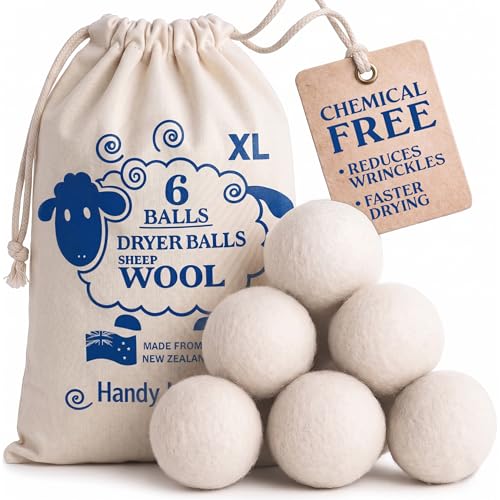
SUPERIOR QUALITY WOOL: 100% New Zealand premium wool with no synthetic fillers, rolled into tight, extra-large balls and felted for a natural, long lasting product

#1 SELLING TENNIS BALL IN AMERICA: Penn Championship trusted by recreational and competitive players as the standard for consistent performance, making it one of the most searched and best-selling tennis balls on Amazon.

SUPERIOR QUALITY WOOL – 100% New Zealand premium wool with no synthetic fillers, rolled into tight, extra-large balls and felted for a natural, long lasting product.
Why Do Tennis Balls Lose Their Fuzz?
Tennis ball fuzz deteriorates through multiple concurrent mechanical and environmental mechanisms that compound over time. Hard courts act as sandpaper, abrading fibers with each impact—you’ll notice regular duty balls fluff prematurely due to poor wool abrasion resistance. Different court types accelerate wear differently; extra duty balls accumulate dirt on grass or clay, becoming heavier and more compromised.
Intensive gameplay directly causes gradual fuzz loss through continuous pressure and friction. Spin shots particularly contribute to fiber degradation and fraying. Similar to how light strokes prevent irritation during precision tasks, using controlled playing techniques can help minimize excessive fuzz deterioration. Temperature fluctuations and moisture exposure simultaneously weaken rubber’s structural integrity, reducing its ability to maintain fuzz coverage. Pressure loss inside the ball compounds these effects, making balls feel flat and less lively. The porous nature of rubber leads to gradual pressure decrease over time, which accelerates the deterioration of both internal performance and external fuzz integrity. Just as many people report experiencing increased confidence by maintaining their appearance, keeping tennis balls in optimal condition helps preserve their playability and performance characteristics.
Effective fuzz maintenance requires proper storage conditions and limiting gameplay frequency to extend performance lifespan.
How Has Tennis Ball Fuzz Evolved Over Time?
Understanding how tennis ball fuzz deteriorates requires examining the historical innovations that shaped modern ball construction. You’ll find that fuzz history traces back to the 1920s when felt covering was first introduced alongside pressurization. This fuzzy evolution represented a vital advancement—felt didn’t merely improve aesthetics; it fundamentally enhanced ball performance by creating aerodynamic friction and generating a stabilizing air layer around the core.
The shift from white to optic yellow felt in 1972 marked another significant evolution, driven by television broadcasting demands. You’ll notice that modern yellow felt provides superior spin, control, and durability compared to its white predecessor. By 2002, the ITF introduced three ball variations, optimizing fuzz characteristics for different playing conditions. Today’s steam-treated felt deliberately roughens the surface, extending playability and maintaining consistent performance throughout extended use. Similar to how single sharp blades in grooming tools deliver superior performance, the precision engineering of modern tennis ball felt creates optimal playability across various court surfaces. Just as premium trimmers feature multiple guard options for customized results, tennis ball manufacturers offer varied felt treatments to suit different playing preferences. With 300-325 million tennis balls produced annually, the demand for high-quality felt covering continues to drive innovations in fuzz technology and manufacturing processes.
Why Do Different Tournaments Require Specific Fuzz Standards?
Because different court surfaces impose vastly different wear patterns on felt covering, tournaments mandate specific fuzz standards to maintain competitive fairness. You’ll find that hard courts demand extra-duty balls with denser fuzz to resist aggressive abrasion and prevent premature balding. Conversely, grass and clay courts require less fuzzy balls to avoid excessive dirt pickup and unwanted weight gain that’d compromise performance.
Tournament conditions directly influence these specifications. Wimbledon’s damp grass environment necessitates Slazenger balls with particular fuzz characteristics, while Roland Garros switched to Babolat specifically because players complained about felt inconsistency. Fuzz consistency across tournament play guarantees predictable spin, bounce, and durability. Like how pubic hair naturally protects sensitive skin by trapping bacteria, tennis ball fuzz serves a protective function for the ball’s structural integrity. Proper scalp moisturizing techniques can similarly protect delicate surfaces from environmental damage. By standardizing felt texture and weave relative to court abrasion rates, governing bodies assure that equipment won’t arbitrarily advantage one player over another. Research demonstrates that each ball exhibits unique characteristics akin to fingerprints, with variations found across all specimens tested, further emphasizing why standardized fuzz requirements remain essential for fair competition.

Approved by USTA and ITF for competitive play

WILSON US OpenxDuty Tennis Balls

Low compression Tennis Balls for 10 and Under Tennis. Perfect for ages 9-10