You’ll achieve a demonstrably closer shave with wet shaving, which cuts hair at your skin’s surface using the hysteresis effect, compared to electric razors that leave hair slightly above the skin. Wet shaving also reduces irritation and costs approximately $210 less over three years. However, it requires 15-30 minutes and prep work, while electric shavers offer speed and convenience. Your choice depends on whether you prioritize closeness and long-term savings or quick grooming sessions—and there’s much more to reflect on about your specific hair type and skin sensitivity.
Wet Shaving vs. Electric: Which Delivers a Closer Shave
When you’re deciding between wet and electric shaving, closeness matters—and the mechanics behind each method explain why wet shaving consistently outperforms electric razors. Manual razors cut hair below the skin’s surface using the hysteresis effect, lifting hair from the follicle before slicing it cleanly. Electric shavers, by contrast, employ scissor-like motion between two blades, leaving hair slightly above the skin’s surface. Their electrical performance depends on motor speed; lower-cost models operate slower, compromising cutting efficiency. Hot water softens your hair, while shaving cream enables precise blade control and reduced friction. Manual razors allow meticulous stroking that achieves superior smoothness—often requiring less frequent shaving to maintain results that electric shavers simply can’t match. Electric shavers offer greater portability for travel and convenience without requiring water or cream preparation. For those with sensitive skin prone to razor bumps and ingrown hairs, electric shavers with specialized foil designs may offer a gentler alternative despite their slightly less close shave. Personal preference and skin type play important roles in determining which method works best for your individual needs.

Great Value Complete Shaving Kit Contains 8 Shaving Essentials: This men`s shaving kit is your one stop station wet shave set with every pieces you need! INCLUDED: Double Edge Safety shaving Razors for men with 10 replacement blades, Shaving Brush and Bowl, Sandalwood Pre-Shave Oil, Shaving Cream, AfterShave Balm & Shaving Apron Bib. Razor head fits most standard double-edge blades, making replacements easy and affordable.8 Shaving Essentials will bring you the most comfortable experience on your daily shaving

COMPLETE MEN'S SHAVING KIT: The Gentleman Jon Shaving Kit for Men is a comprehensive set that includes a safety razor, badger hair brush, alum block, shave soap, stainless steel bowl, and five razor blades - everything needed for a luxurious, comfortable and smooth wet shave experience. With its compact design, our product is also a suitable travel companion to those who value traditional shaving, ensuring a neat shave even while on the go.

Perfect Holiday Gift For Men - Make any man extremely happy with Viking Revolution Safety Razor Shaving Kit. This luxury shaving kit for men is ideal as a gift for fathers, husbands, sons or any man for that matter.
Skin Health and Irritation: What the Research Shows
Because your skin’s barrier function directly determines post-shave comfort and health outcomes, understanding how shaving methods affect this protective layer is essential. Research demonstrates that dry shaving causes significant barrier damage—a single pass increases transepidermal water loss equivalent to ten tape strips. This disruption triggers pro-inflammatory cytokine production, leading to the erythema, flaking, and breakouts you’ll experience.
Wet shaving fundamentally changes this outcome. When you apply foam or cream before shaving, you create a protective barrier that minimizes friction and inflammatory response. Post-shave moisturization further reduces irritation by supporting moisture retention and skin recovery. Studies on male grooming practices reveal that approximately one-third of manual shavers prepare their skin before shaving, yet those who do report significantly better outcomes. Electric shavers designed for wet and dry use offer similar protective benefits by minimizing friction while maintaining skin barrier protection. Just as regular maintenance prevents bacterial and fungal growth on grooming tools, consistent post-shave care prevents fungal and bacterial growth on your skin.
The data’s clear: 57% of men experience immediate redness after shaving, yet proper preparation and technique dramatically lower irritation prevention challenges. Your choice between wet and dry shaving directly impacts whether you’ll join the 88% experiencing post-shave discomfort.
Your Hair Type Matters: Find Your Best Match
While skin barrier protection forms the foundation of post-shave health, your individual hair characteristics ultimately determine which shaving method delivers best results.
Coarse hair demands wet shaving. Water and lather soften dense strands, open pores, and stand hair upright for closer cutting. Wet methods reduce multiple passes, minimizing irritation on resistant hair. Without this preparation, you’ll experience stubble resistance and increased skin friction. Following wet shaving with alcohol-free aftershave balm provides additional hydration to maintain skin health after the shaving process. For subscription users who receive grooming products regularly, managing your subscription plan ensures you have consistent access to quality post-shave care items. Electric razors designed for sensitive skin can complement wet shaving routines by providing gentle foil technology that minimizes razor burn and ingrown hairs.
Fine hair responds differently. You’ll achieve smooth results with dry electric shavers since thin strands cut easily without softening preparation. Dry shaving keeps blades above skin level, reducing nicks on delicate hair. This approach suits frequent shavers prioritizing speed and convenience.
Match your method to your hair density. Higher density benefits from wet shaving’s lubrication and pore-opening effects. Lower density pairs with dry shaving’s efficiency and reduced abrasion.

Premium shaving soap in a bowl creates a thick, protective lather with Sandalwood Oil and Shea Butter to soften beard, cleanse skin and reduce razor burn for a smooth, close shave every time. Ideal for coarse, thick beards


SMALL BUSINESS: This product is from a small family business brand. Support small
Time Investment: How Much Prep and Cleanup
Time investment separates these shaving methods more dramatically than technique alone. Wet shaving demands significant prep efficiency considerations: you’ll spend 1-2 minutes hydrating your beard with glycerin-based wash, apply hot towels for 30 seconds, and open follicles with warm water. Pre-shave oils add additional hydration time. Traditional wet shaves require 20-30 minutes total, though experienced users reduce this to 15 minutes. Streamlining preparation by shaving after a warm shower utilizes steam-softened hair to cut prep time significantly. Just as precision grooming requires careful, small movements to prevent mistakes, wet shaving demands deliberate technique to achieve optimal results.
Dry shaving eliminates prep entirely—you start immediately without water or lubricants. Cleanup convenience differs substantially between methods. Wet shaving requires thorough rinsing to remove lather buildup, plus post-shave care and potential exfoliation steps. Like electric razors, dry shavers benefit from regular maintenance to ensure optimal performance and longevity. Dry shaving offers no mess, no disposal needed, and completes within minutes. You’ll finish dry shaving in mere moments with minimal maintenance, making it ideal when cleanup space isn’t available.

COMPLETE MEN'S SHAVING KIT: The Gentleman Jon Shaving Kit for Men is a comprehensive set that includes a safety razor, badger hair brush, alum block, shave soap, stainless steel bowl, shaving stand, canvas & leather dopp kit, and five razor blades - everything needed for a luxurious, comfortable and smooth wet shave experience. With its compact design, our product is also a suitable travel companion to those who value traditional shaving, ensuring a neat shave even while on the go.

Compact, transportable shaving kit
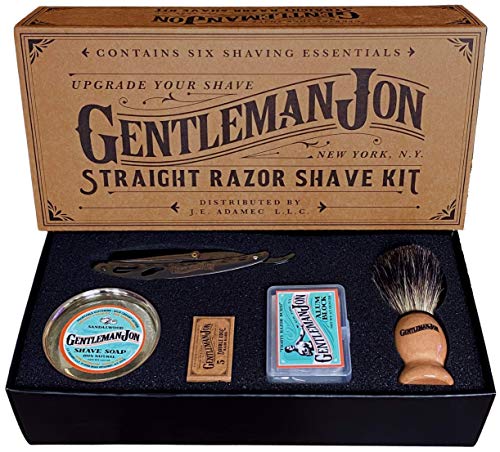
COMPLETE MEN'S SHAVING KIT: The Gentleman Jon Shaving Kit for Men is a comprehensive set that includes a straight razor, badger hair brush, alum block, shave soap, stainless steel bowl, and five razor blades - everything needed for a luxurious, comfortable and smooth wet shave experience. With its compact design, our product is also a suitable travel companion to those who value traditional shaving, ensuring a neat shave even while on the go.
Cost Over Time: Calculate Your True Shaving Expense
Once you’ve factored in time investment, the financial picture becomes equally decisive between wet and dry shaving methods. Your initial expenses differ considerably: dry shavers cost $30–$200 upfront, while wet shaving setups begin around $54. However, long-term savings favor traditional methods greatly. Over three years, you’ll spend $210 on dry shaving versus $80–$350 on wet shaving, depending on product choices. The critical crossover occurs after year one. DE blade replacements cost $65–$75 annually—roughly 2.5 times cheaper than cartridge refills. Within five years, you’ll realize approximately $300 in additional savings through wet shaving. Safety razors also deliver less skin irritation compared to multi-blade cartridge systems, adding a health benefit to your financial investment. DE razors excel at preventing ingrown hairs by utilizing a single sharp blade that cuts cleanly without pulling hair below the skin surface. Electric shavers typically last 3 to 5 years, making their upfront cost more justifiable when spread across their operational lifespan. Your choice depends on whether you prioritize lower initial expenses or maximize long-term financial benefits.
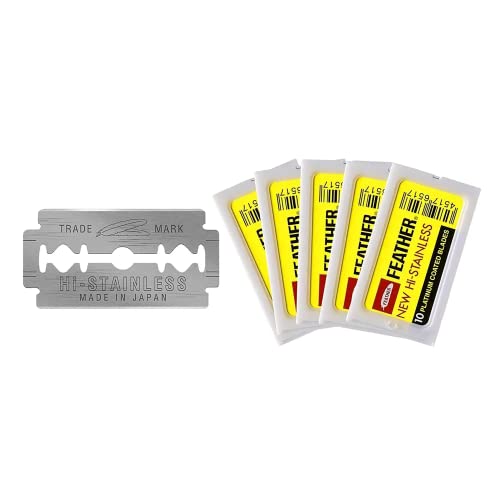
Fifty Count Of Double Edge Razor Blades; Our Razors For Men Feature A Fifty Count Of Double Edge Razor Blades; Feather Razor Blades Are Extremely Sharp And Will Give You A Great Shaving Experience

Model Number: ASTRA01

50 Gillette Saloon Double Edge Razor Blades