You’ll want to use clipper-specific oils like Wahl, Oster, or Andis formulations that contain mineral oil and corrosion inhibitors. These lightweight oils reduce friction between blades, prevent heat buildup, and maintain cutting precision. Apply 2-3 drops before each use with blades facing downward, then run clippers for 10-15 seconds to circulate the lubricant. Avoid generic substitutes like WD-40 or sewing machine oil—they’ll evaporate or attract debris. For peak performance, you’ll also need proper cleaning and blade alignment alongside regular oiling.
Why Oiling Your Hair Clippers Matters
While hair clippers might seem like sturdy, low-maintenance tools, they’re actually precision instruments that demand regular care to perform at their best. Regular oiling directly impacts your clippers’ longevity by reducing friction between moving blades and internal components. When you oil your clippers, you’re minimizing metal-to-metal contact that generates excessive heat and accelerates wear. This friction reduction allows your blades to glide smoothly through hair without snagging or pulling, maintaining cutting precision across every trim. You’ll notice improved performance, reduced noise, and decreased blade degradation. Beyond performance, oiling creates a protective barrier against corrosion and rust—critical in humid salon environments. Regular maintenance also preserves blade sharpness, ensuring clean cuts that meet client expectations for beard and hairstyles. To maintain optimal hygiene and performance, aim to clean your clippers after every 2-3 uses to prevent fungal and bacterial growth alongside your regular oiling routine. For optimal results, apply clipper-specific oil rather than general lubricants, as non-clipper oils can gum up the blades and compromise performance. By investing just seconds in routine oiling, you’ll extend your investment’s lifespan considerably while ensuring consistent, ideal cutting efficiency.
Best Oils for Hair Clippers: Recommended Products Ranked
Now that you understand why regular oiling matters, selecting the right product becomes your next priority. You’ll find Wahl Clipper Oil ranks first for its lightweight penetration and trusted professional heritage. Oster Clipper Oil claims the second spot with its premium mineral oil formula that preserves blade films effectively. Andis Clipper Oil takes third place, offering high-viscosity options designed for high-speed professional equipment.
For clipper maintenance tips, you should consider UniKitchen Oil as an affordable fourth option with generous 8oz volumes. Wahl Clipper Oil comes in a four-ounce bottle providing a long-lasting supply for regular maintenance. After applying oil, run your clippers briefly to distribute the oil and then wipe clean to prevent excess from entering the motor. These oil benefits comparison reveals distinct advantages: Wahl excels at friction reduction, Oster prevents breakages, and Andis guarantees smooth performance across brands. Each product reduces friction, extends blade life, and maintains best clipper functionality when applied regularly to your equipment. Specialized clipper oils formulated by manufacturers contain mineral oil and corrosion-preventing ingredients that protect your blades from rust and degradation over time.

Rust Prevention – Prevents rust from forming & helps extend the life of the clipper & blades; can also reduce the likelihood of blades becoming dull


Clipper Cool Spray Can: Top-of-the-line product for blade maintenance to help you achieve professional results when you clip, trim, and groom your dogs, cats, horses, livestock, and more
How to Apply Oil in 4 Simple Steps
Proper oiling technique directly impacts your clipper’s performance and longevity, so you’ll want to follow a methodical approach. Start by cleaning your blades thoroughly with a brush to remove hair and debris—this prevents oil from mixing with buildup. Next, position your clipper with blades facing downward to direct oil flow away from the motor.
Apply 2-3 drops across the top blade width, targeting the cutting edges and heel. Turn on your clipper for 10-15 seconds to circulate the oil between moving parts, which reduces friction and enhances cutting efficiency. Finally, wipe away excess oil with a clean cloth to prevent motor contamination. Oiling reduces friction between blades, ensuring smooth operation and preventing pulling during haircuts.
These essential maintenance tips and oiling techniques guarantee ideal blade performance and extend your clipper’s lifespan considerably. For optimal results, incorporate oiling into a quick post-cut routine that includes cleaning and disinfection to maintain hygiene and prevent rust. Periodic part replacements every 12-18 months will further ensure your equipment operates at peak performance.
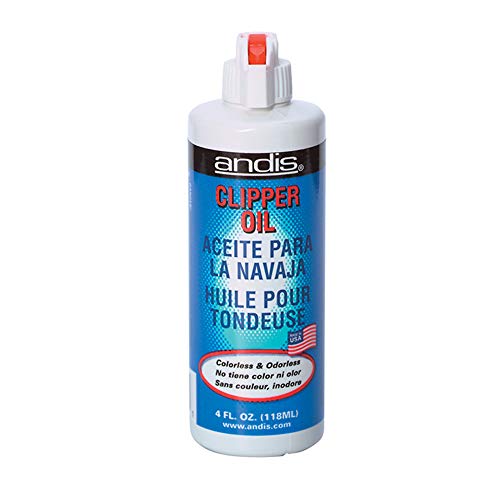
Cutting machine oil to lubricate and clean the blades
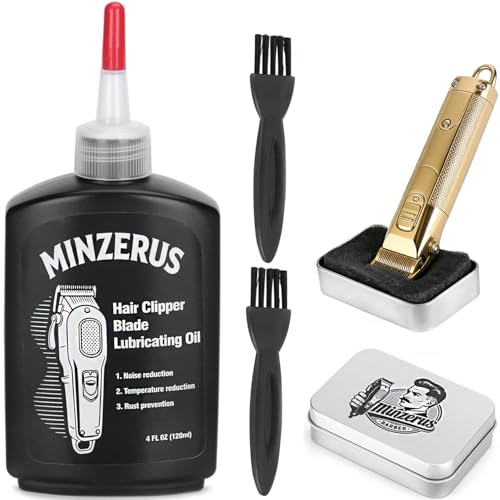
【1x Premium Lubricating Oil】Effectively reduces operating noise and temperature, lubricates internal components, prevents metal part rust, and extends the service life of electric clippers. This mild, skin-friendly mineral lubricant features low viscosity and strong penetration—no compromise to clipper performance during use.

Rust Prevention – Prevents rust from forming & helps extend the life of the clipper & blades; can also reduce the likelihood of blades becoming dull
How Often to Oil: Before Use, After Cutting, and Before Storage
Since oiling frequency directly affects blade performance and clipper longevity, you’ll need to establish a routine that matches your usage patterns. Before each use, apply 2-3 drops on your top blade with clippers facing downward to reduce friction and prevent overheating from startup. After cutting, oil every few uses for heavy users or following cleaning to maintain efficiency and prevent hair and debris buildup. For professional settings with high client turnover, you’ll oil multiple times daily. Before storage, wipe excess oil to avoid motor contamination, then apply a light coat to protect blades long-term. Occasional users require monthly oiling, while barbers with heavy volume adjust frequency accordingly. Just as electric razors require regular maintenance to perform optimally, clippers benefit from consistent upkeep routines. Much like how rotary shavers use advanced blade systems to enhance cutting efficiency, professional clippers demand similar attention to their mechanical components. Consistent oiling maximizes clipper health and ensures your equipment performs at its best. Refer to your specific model’s guidelines for tailored recommendations.

Professional-Grade Blade Care: Ensure your pet and dog grooming blades last for years to come with Wahl’s top-quality clipper blade oil

5-IN-1 FUNCTIONALITY: Cool Care Plus offers coolant, disinfectant, lubricant, cleaner, and rust prevention in one convenient spray, perfect for clipper maintenance.
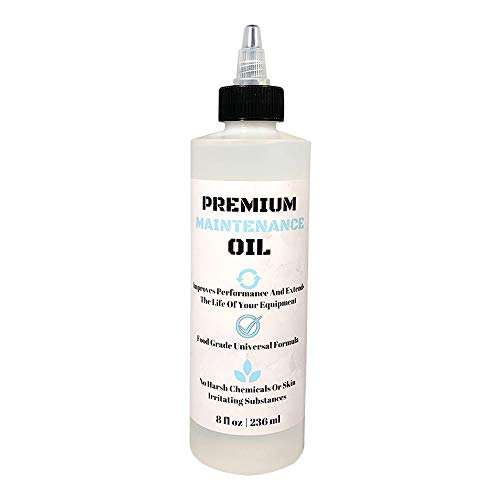
PREMIUM PROTECTION - Protects your cutting equipment from rust and corrosion. Ensuring a prolonged life for your clipper and razor
Common Oiling Mistakes That Dull Blades
While you’ve mastered the timing of clipper maintenance, you can still dull your blades through incorrect oiling techniques. Excess oil application attracts dust and hair, creating buildup that dulls edges. You must wipe away surplus oil to prevent residue accumulation and clogged mechanisms. Using the wrong oil type—mineral, sewing machine, or 3-in-1 oil—fails to handle high-speed friction and heat, causing premature dulling through gumming and corrosion. Your blade maintenance requires targeting specific oiling points: blade corners, feet, and both top and bottom surfaces. Applying oil without running your clippers leaves lubrication unevenly distributed. You need 2-3 seconds of operation to guarantee oil reaches all friction points. Proper blade spacing of 1-2 credit card thicknesses between the cutter and comb blade ensures optimal oil distribution and reduces uneven wear. Commercial clipper oils formulated with white mineral oil as the base lubricant reduce friction and heat for efficient blade operation. High-quality clipper oil specifically formulated for barber tools reduces friction and heat for efficient blade operation. Neglecting this distribution step causes pooling, drag, and accelerated blade wear.

Extends Blade Life: Specially formulated oil helps extend the life of clipper and trimmer blades

CLEANS AND PROTECTS – STA-BIL Blade Guard is a premium lubricant that can be used to clean and protect your outdoor tools. Treating your equipment with this penetrating lube helps to maintain the blade edge as well as keeping the tool at its peak performance

Blade coolant, disinfectant, lubricant, cleaner and rust pre-treatment expertly packaged into a single, convenient aerosol can
Kitchen Substitutes: When They Work and When They Don’t
When you’re caught without proper clipper oil, kitchen substitutes can temporarily maintain blade function—but they’re not created equal. Vegetable oils like olive and canola work in emergencies, though they evaporate quickly and leave residue buildup requiring thorough cleaning afterward. Baby oil functions adequately short-term but lacks durability for regular maintenance.
Mineral oil outperforms kitchen alternatives remarkably. Its lightweight, odorless properties closely match professional clipper oils while preventing the residue accumulation that plagues vegetable oils. You’ll find food-grade options at drugstores affordably. To maintain clipper longevity, apply only 2-3 drops of any oil alternative to avoid excessive buildup that compromises blade performance.
For superior cost considerations, penetrating oil spray from automotive suppliers delivers exceptional value. Its engineered formula extends lubrication effectiveness between applications, reducing your maintenance frequency compared to standard kitchen alternatives. While slightly costlier than grocery store oils, the performance justifies the investment for regular clipper users seeking reliability.
Avoid WD-40 and Other Unsafe Products
You might’ve noticed WD-40 sitting in your garage and thought it’d work fine for your clippers—it won’t. WD-40 dangers extend beyond poor performance. The product evaporates rapidly under blade heat, leaving your clippers underslubricated and prone to seizing. Its non-cosmetic formula creates skin irritation risks when residue transfers to your scalp during cutting.
WD-40 also attracts dirt and debris faster than specialized clipper oils, gunking up your blades and reducing cutting efficiency. You’ll experience skipping, noise, and eventual blade damage. Commercial clipper oils are preferred for long-term maintenance because they reduce heat and friction on clipper blades while providing sustained lubrication throughout extended use. Just as proper blade maintenance extends the longevity of safety razors through regular care and attention, clipper longevity depends on consistent lubrication schedules. For sensitive grooming areas like body grooming, using skin-friendly tools designed with proper lubrication becomes especially important to avoid irritation and ensure safe performance.
Penetrating oils like Blaster pose similar problems—they’re formulated for machinery, not precision grooming equipment. Avoid generic alternatives entirely. Manufacturer-recommended oils from Wahl or Andis withstand friction heat and provide sustained lubrication your clippers demand.

Oil for Clippers and Trimmers Professional Grade Lubricant Extends Life of the Blade Helps Improve Blade Performance Reduces Friction
Cleaning and Blade Alignment: Oiling’s Missing Partner
Because oiling alone won’t restore your clippers to peak performance, you’ll need to master cleaning and blade alignment as complementary maintenance tasks. Start with cleaning techniques: brush away debris after each client and use blade wash solution to remove hair and product buildup that dulls edges. Next, perform blade alignment by positioning the taper lever upward, loosening screws evenly, and shifting the top blade 0.8mm below the bottom blade. Verify parallelism by checking that the top blade sits less than a dime thickness below. Finally, apply oil after alignment and tightening. This integrated clean-align-oil cycle prevents overheating and uneven cuts, maximizing your blade maintenance efforts and extending clipper lifespan considerably. High-carbon steel blades are particularly effective in this maintenance routine because they stay sharper longer when properly maintained through consistent cleaning, alignment, and oiling. Unlike drastic approaches that neglect comprehensive care strategies, a systematic maintenance approach prevents the need for reinfestation prevention methods by keeping your tools in optimal condition.