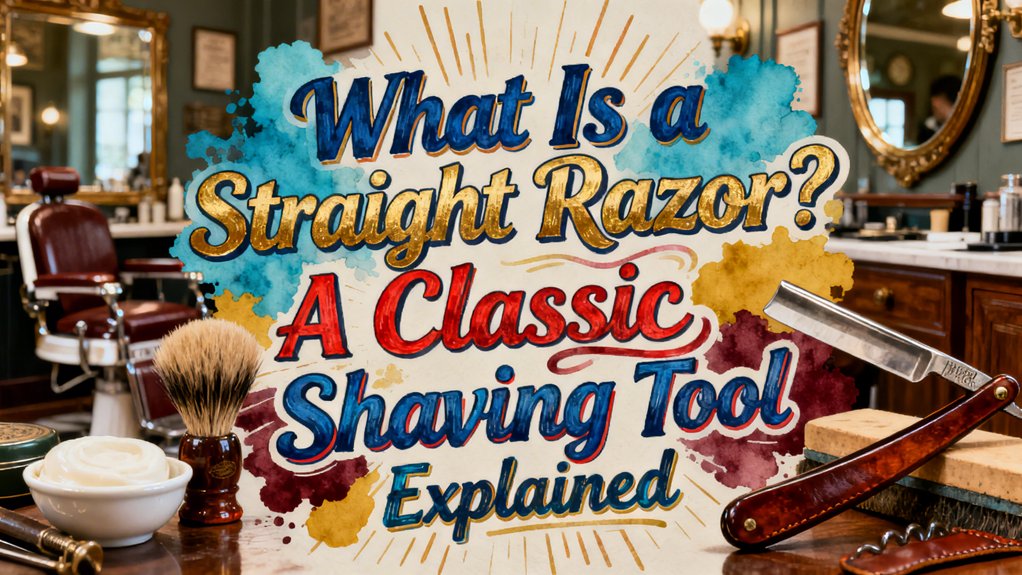
A straight razor is a single-blade shaving tool that delivers superior precision compared to modern multi-blade shavers. You’ll achieve a closer shave with better control over blade angles, making it ideal for detailed work and sensitive skin. However, you’ll need to master proper technique and maintain it through regular stropping and honing. While it demands skill and commitment, you’ll uncover why barbers and enthusiasts prefer this traditional approach for exceptional results.
What Makes a Straight Razor Different From Modern Shavers?
While modern shavers prioritize convenience, straight razors deliver a fundamentally different shaving experience through their single-blade design, which cuts hair at the skin surface rather than using scissor-like or multiple-blade mechanisms. You’ll achieve a closer shave—rated 4/5 stars—that rivals multi-blade safety razors by eliminating uncut hair remnants.
However, this superior closeness demands commitment. Traditional techniques require a steady hand and practiced skill that you’ll develop over time. The user experience differs markedly: you’re engaging in a slow, methodical process rather than rushing through your routine. Electric shavers leave you at 2/5 stars for closeness, while straight razors slice hair imperceptibly close, resulting in smoother skin. This deliberate approach transforms shaving from a chore into a ritualistic experience that rewards your dedication with exceptional results. Unlike double edge safety razors which offer reduced skin irritation, straight razors demand more precision and maintenance. Like clipper blades, straight razors benefit from regular blade oiling to maintain optimal performance and sharpness. Proper maintenance and regular blade care are essential for sustaining the razor’s performance and ensuring consistent, high-quality shaves over time.

PREMIUM PROTECTION - Protects your cutting equipment from rust and corrosion. Ensuring a prolonged life for your clipper and razor

Rust Prevention – Prevents rust from forming & helps extend the life of the clipper & blades; can also reduce the likelihood of blades becoming dull
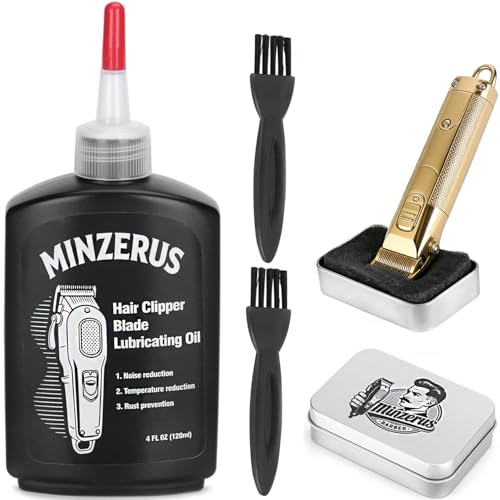
【1x Premium Lubricating Oil】Effectively reduces operating noise and temperature, lubricates internal components, prevents metal part rust, and extends the service life of electric clippers. This mild, skin-friendly mineral lubricant features low viscosity and strong penetration—no compromise to clipper performance during use.
Anatomy of a Straight Razor: Blades, Grinds, and Points
You’ll find two primary blade materials: carbon steel and stainless steel. Carbon steel holds superior sharpness and edge retention but demands regular maintenance to prevent rust. Stainless steel resists corrosion better, though it requires more frequent sharpening. For those seeking a premium option, Damascus steel blades offer visually distinctive patterns alongside excellent sharpness and durability.
Grind types determine your razor’s performance characteristics. Full hollow grinds provide exceptional sharpness and flexibility, ideal for experienced shavers. Wedge grinds create rigid, stable blades perfect for beginners seeking control. Quarter hollow grinds offer a balanced middle ground, combining stability with reduced weight. Like clipper blades, straight razors require proper maintenance including regular sanitization and oiling to ensure longevity and optimal performance. For those prioritizing maximum closeness, foil shavers are recognized as superior to rotary types for achieving the closest possible shave.
Point geometry matters too. Round points prioritize safety for novices, while square points deliver precision for advanced users. Half-round points balance both benefits, making them versatile for most shavers.
Why Straight Razors Deliver Precision (And Why Barbers Prefer Them)?
Because a straight razor features a single ultra-sharp blade that cuts hair cleanly at the base rather than tugging it like multi-blade cartridges do, you’ll achieve a closer shave that lasts considerably longer and leaves noticeably less stubble.
You’ll gain exact blade angle control, enabling precision techniques in challenging areas like your jawline, nose, and sideburns. Barber craftsmanship relies on this control to deliver clean lines and consistent coverage without unevenness. Experienced barbers navigate hard-to-reach spots with steady professional movements, producing results that disposables simply can’t match. This precision control allows barbers to tackle even the most difficult facial contours with confidence and consistency. When requesting a shave from a barber, you can specify preferences for guard lengths and fade styles to customize your grooming experience.
The single blade also minimizes friction and tugging, reducing irritation and razor burn—particularly beneficial if you’ve got sensitive skin or curly hair prone to bumps. For those seeking convenience without compromising on grooming quality, travel shavers offer portable alternatives that maintain performance standards for on-the-go maintenance. You’re investing in professional-quality results that transform your routine into a refined ritual.
Maintaining Your Straight Razor: Stropping, Honing, and Long-Term Care
To preserve your straight razor’s performance and extend its lifespan, you’ll need to master three essential maintenance practices: stropping, honing, and proper storage.
Strop maintenance involves securing your strop taut and applying fine grit abrasive paste before use. You’ll lay the razor flat with spine and edge in contact, then pull it toward you with minimal pressure. Complete 40-50 laps on the leather side before each shave. Stropping realigns the blade’s edge for optimal sharpness and ensures each shave remains consistent and smooth. Regular stropping with a soaked brush and lather preparation helps maintain the blade’s performance between honing sessions.
Honing techniques require a sharpening stone and water lubrication. Push the blade gently over the stone with spine down, using only your index and middle fingers for control. Apply no additional pressure and repeat strokes until the edge sets properly. Unlike safety razors that use replaceable blades, straight razors demand regular honing to maintain their cutting performance.
After shaving, rinse and dry your razor thoroughly. Store it in a dry environment to prevent corrosion and maintain its cutting edge.

Size:45*5cm/18*2". Material: Cow Leather.

At 19.76 x 2.04 inches, this leather strop is crafted from high-grade cowhide, offering exceptional durability for consistent use.

✅ Premium Leather Conditioning Paste (30ml) Formulated to soften, preserve, and protect leather strops—keeps your sharpening tools in excellent condition for long-term use.
Choosing Your First Straight Razor: Width, Grind, and Price Range
Selecting your first straight razor hinges on three primary specifications—blade width, grind type, and point shape—each directly impacting how the razor performs in your hands. A 5/8-inch blade offers ideal balance for beginners, providing control and visibility without sacrificing efficiency.
For grind type, full or half hollow designs deliver forgiving angles that simplify blade maintenance while maintaining cutting effectiveness. These configurations flex slightly, reducing technique demands during your learning phase.
Round points minimize nicks in hard-to-reach areas, prioritizing safety as you develop your skills. Reputable beginner models like the Dovo Barbarossa combine these specifications at mid-range pricing, typically between entry-level and premium costs. Beyond the initial purchase, investing in proper maintenance through regular honing and stropping will extend your razor’s lifespan and ensure consistent performance. Unlike multi-blade cartridge systems that can trap bacteria and cause skin irritation, straight razors offer superior hygiene through their single-blade design. Proper post-shave care using quality balms and astringents will also help prevent irritation and maintain skin health.
This foundation guarantees you experience straight razor benefits—superior shaves and longevity—while building confidence in fundamental technique.

Professional straight razors for men - High quality barber razor & shaving blades from GTEX brand for clean, close & precise shaves. Obtain 100+ close cut shaves from these cut throat razors for men

Durable Stainless Steel – Utopia Care Razor is composed of sturdy stainless steel for reinforced durability and reliability for professional and domestic use

Premium Stainless Steel & Ergonomic Grip – This stainless steel straight razor ensures durability and smooth performance. The professional straight razor for men has an ergonomic handle for superior control, making every shave seamless and precise.