You should shave your head if you’re seeking improved scalp health, reduced grooming time, and enhanced personal confidence. Shaved heads offer measurable benefits: easier hygiene management, cost savings on hair products, and better comfort in warm climates. The decision depends on your facial features, lifestyle, and commitment to post-shave maintenance like moisturizing and sun protection. When you’re ready to proceed, you’ll uncover the specific tools and techniques that’ll deliver professional results.
Choosing the Right Tools: Razors, Electric Shavers, and Clippers
When you’re ready to shave your head, selecting the right tool fundamentally affects your results—from closeness of shave to skin irritation risk. Razor comparisons reveal distinct advantages: safety razors like the Rockwell 6C offer three plate options for customizable shave depth, while cartridge razors provide convenience at higher long-term costs. However, single-edge safety razors outperform cartridge models by using a single sharp blade that requires minimal passes and avoids cutting below the skin surface, which reduces the risk of razor bumps. Electric shaver features vary greatly across models. The Skull Shaver Pitbull Gold PRO excels in ergonomics and performance, whereas the Remington Balder Pro delivers wet-or-dry versatility with five rotary blades. The Braun Series 9 Pro produces 40,000 cuts per minute for efficiency. For optimal performance, electric shavers require regular maintenance such as disassembling blades for soaking in soapy water or vinegar solutions. For budget-conscious users, clippers like the Philips Norelco OneBlade provide pivoting heads that glide without pulling, though they sacrifice closeness compared to razors and electric shavers. A pivoting head is particularly helpful for adapting to head contours and improving consistency in shaving across different areas of the scalp.

Secure and Easy Storage. Great for keeping your razor edges safe. A comfortable way of closing razor head blades on buttons keeps your blades serving you more than usual closing methods from the side. With this cover, you can keep your finger safe from the blade.

REDUCE YOUR SHAVE TIME BY 75%: Shaving your head can often take time, but with OmniShaver’s bi-directional action, you can experience a quicker shave. This razor is designed for use on the scalp, arms, and legs, offering an efficient shaving experience. Many users report achieving a smooth shave in less time compared to conventional disposable razors men & women use.
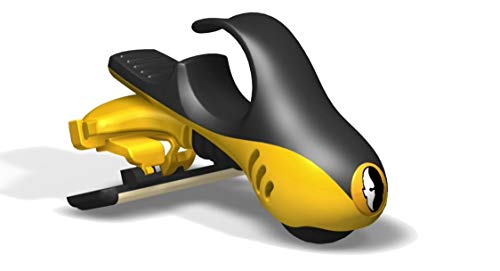
MOTO Razor - Award-winning design (Red Dot Design Award Winner 2017, A'Design Award Winner 2018)
Step-by-Step Guide to Shaving Your Head Safely
Five critical preparation steps’ll determine whether you achieve a clean shave or experience irritation and nicks. Begin with thorough scalp preparation by washing your head with gentle shampoo, then trim hair short using low-guard clippers. Apply heat via warm shower to soften hair and open pores, then guarantee your scalp is completely dry. Examine your scalp for irritation, cuts, or moles before proceeding.
Next, apply pre-shave oil or transparent gel across your entire scalp. Divide your head into sections—front, sides, and back—for even coverage. Shave with the grain using short, light strokes, rinsing your razor frequently. Stretch skin taut with your free hand to prevent nicks. High-quality razors significantly reduce the risk of cuts and provide a smoother glide across your scalp. Reapply gel between passes to prevent razor burn and maintain optimal shaving conditions.
Finally, prioritize post shave care by rinsing thoroughly, applying moisturizer, and using broad-spectrum SPF protection to shield your newly exposed scalp from UV damage. If you plan to travel with your clippers, note that cordless clippers are permitted in both carry-on and checked baggage according to TSA regulations, making head maintenance convenient while traveling.

NATURAL FORMULA FOR SCALP CARE. Specially designed for head shaving, our blend of natural oils softens hair and protects the scalp. Rich in antioxidants and vitamins, it nourishes and conditions the skin, ensuring a healthy, great-looking scalp.

Nourish and Prepare - Bevel Pre Shave Oil is enriched with a powerful blend of Castor Oil, Olive Oil, and Tea Tree Oil, providing deep hydration and nourishment to your skin, while preparing your facial hair for a smooth shave

Frictionless Glide – Smooths your shaver's path across the skin, allowing foils, rotary heads, or traditional blades to glide effortlessly with minimal pressure.
Head Shaving Mistakes to Avoid
Even with proper technique, you’ll sabotage your results if you overlook common pitfalls that range from blade maintenance to preparation errors. Common head shaving mistakes include using dull blades, which increase irritation and tugging. You’ll compound this by skipping hot water preparation—failing to soften hair and open pores—then applying excessive pressure during shaving. Head shaving myths suggest multiple passes aren’t necessary; they are. Ignoring hair growth direction causes uneven results and ingrown hairs. Poor lubrication leads to razor burn, while neglecting post-shave cold water rinses and moisturizer leaves your scalp irritated and dry. Using a shaving brush to lather creates richer and thicker lather that provides superior lubrication and protection for your scalp. Additionally, don’t tap razors against hard surfaces or skip cleaning between strokes. Regular maintenance of your blades through proper cleaning and disinfection prevents bacterial growth and keeps them sharp for optimal performance. Dull blades can be restored using hollow-ground sharpening techniques designed specifically for clipper blade geometry rather than flat-surface methods that may damage the blade’s essential cutting edge. These oversights transform what should be a smooth experience into unnecessary scalp damage and discomfort.
Why Shave Your Head: Health, Style, and Practical Wins
Because you’re considering shaving your head, you’ll want to understand the genuine advantages beyond aesthetics. The health benefits are substantial: you’ll gain easier scalp care for conditions like psoriasis, reduced tangling, and improved hygiene. Research demonstrates significant style perceptions—men with shaved heads appear more dominant and stronger, offering a confidence boost when embracing hair loss or receding hairlines.
The practical advantages extend to daily life. You’ll save considerable time eliminating shampooing, styling, and blow-drying routines. Financially, you’ll reduce expenses on hair products, salon visits, and styling tools. Your head stays cooler in warm climates, and sweat dries faster on exposed skin. When shaving your head, selecting the right tool makes a significant difference, as electric shavers designed for closeness can help you achieve the smooth results you’re looking for. Many people report experiencing increased confidence and a sense of freedom, particularly those struggling with hair loss who no longer feel the need to disguise their baldness. It’s important to note that shaving does not cause balding, so this stylistic choice won’t impact your hair follicles or accelerate any existing hair loss conditions. These cumulative benefits—from health improvements to financial savings—create a compelling case for this transformative decision.
Head Shaving vs. Beards and Fades: Find Your Best Fit
The choice between a shaved head, facial hair styles, and fade haircuts hinges on three measurable factors: maintenance demands, social perception, and personal grooming tolerance. Shaved heads require minimal upkeep and project dominance, while beards demand 1000 hours lifetime maintenance but alleviate skin irritation. Heavy stubble ranks highest for attractiveness at 49.12%, yet clean-shaven faces signal better social skills and cleanliness. Your head shape determines suitability—angular features suit shaved heads, while fuller faces complement beards. If you experience shaving irritation affecting 22-23% of men, facial hair offers relief. Electric razors provide faster shaves by saving 2-4 minutes compared to manual alternatives, though manual razors deliver smoother finishes preferred by some individuals. For travel or on-the-go grooming, compact travel electric razors offer convenient maintenance without sacrificing performance. Consider fade haircuts as a middle ground requiring moderate maintenance. For those using electric clippers at home, maintaining them with clipper oil and proper disinfection ensures optimal blade performance and longevity. Match your grooming tolerance, preferred maintenance level, and desired social signals to your chosen style.

Skin Friendly Foil System: Dudes, meet your no-yank zone! These grooming beasts rock precision titanium blades with built-in smart sensing tech – bye-bye beard tugging. The floating head design? Lets your portable razor glide like butter on facial contours. Smooth operator status: unlocked

A DURABLE, POWERFUL, COMPACT SHAVER: Men’s electric razor has an 8,500 rpm motor drive to ensure fast, evenly distributed power

Panasonic Swipe Right shaver delivers high-performance shaving at home or on the move with premium stainless-steel blades, swipe on/off operation, and a durable ergonomic design built for travel
Maintaining a Shaved Head: Moisturizing, Preventing Irritation, and Regrowth Management
Once you’ve committed to a shaved head, you’ll need to establish a maintenance routine that protects your scalp from irritation, dehydration, and sun damage. Prioritize scalp hydration by applying moisturizer immediately after shaving with oils like jojoba or coconut oil to prevent dryness and flaking. For irritation solutions, reapply shaving gel before re-shaving areas, rinse blades frequently, and avoid dull blades or shaving against the grain. When selecting tools for your routine, consider investing in a quality head shaver that offers consistent performance and durability for optimal results. Exfoliate weekly to clear dead skin and prevent clogged pores. Establish a gentle cleansing routine using sulfate-free products without over-washing. Shave weekly based on your growth rate, and massage your scalp regularly to promote blood flow and healthy regrowth. Apply sunscreen consistently, even on cloudy days. Rinse your head with cool water after shaving to close pores and reduce irritation before applying any moisturizing products.

100% Organic Jojoba Oil: Yoken jojoba oil is proudly USDA Certified to meet the most rigorous standards and ultimate quality, cold pressed from responsibly grown organic jojoba seeds, extra virgin, and unrefined. Single Ingredient Oil, Chemical Free

PURE & ORGANIC JOJOBA OIL: Cold-pressed and unrefined for maximum potency—PURA D'OR Organic Jojoba Oil is USDA certified organic, hexane-free, and sustainably sourced to deliver nature’s best for your skin and hair.