You’ll want to prioritize safety given that genital skin is thinner and more moisture-prone than other body areas, making it three times more susceptible to irritation. Trimming with dedicated ceramic-blade trimmers offers the lowest-risk approach, while shaving requires single-blade razors and directional technique. Depilatory creams demand patch testing first. Professional waxing and laser treatments provide longer-lasting results but involve higher costs and recovery considerations. Understanding each method’s specific risks, techniques, and aftercare protocols will help you select the safest approach for your needs.
Genital Skin Vulnerability: Why Proper Technique Matters
The genital skin isn’t like the skin elsewhere on your body—it’s thinner, more moisture-prone, and considerably more reactive to irritants. This structural vulnerability stems from its semi-occlusive environment, which traps heat and moisture while compromising your skin barrier function. Research shows that genital sensitivity affects over half of men, with heightened neural reactions compounding barrier impairment.
When you remove hair from this delicate area, you’re working with tissue that’s already predisposed to sensitivity. Improper techniques—whether waxing, shaving, or chemical depilation—can trigger burning, itching, and lasting irritation. Your genital skin’s heightened reactivity means it recovers more slowly from trauma than less sensitive sites. Geographic and environmental factors may further influence individual sensitivity levels, meaning personalized approaches to hair removal are particularly important for this vulnerable region.
Body trimmers with guards are generally safer than foil shavers for genital grooming, as they reduce risks of irritation and ingrown hairs while accommodating coarse, curly hair and contoured skin better than alternative methods. Dedicated tools like flexible hybrid head trimmers are specifically designed to navigate the unique contours and sensitivity of genital skin with greater precision.
Understanding these anatomical differences isn’t merely academic; it’s essential for preventing complications and maintaining skin health during hair removal procedures.
Choose Your Method: Safety, Cost, and Recovery Time Ranked
Scissors cutting ranks highest for safety concerns, offering minimal risk at the lowest cost using household tools. Shaving presents moderate safety concerns with higher irritation risks but remains affordable. Depilatory creams pose chemical sensitivity risks requiring patch testing beforehand. Waxing involves significant pain and multi-day recovery, though it delivers longer-lasting results. Manzilian waxing, tailored specifically for male anatomy, may also allow flexible options like leaving a hair strip at the top for those preferring less extensive removal. Laser hair removal requires multiple expensive sessions but provides permanent reduction with minimal daily safety concerns. For those seeking alternative grooming tools, cordless hair clippers offer precision trimming with safety features comparable to professional-grade equipment, though electric razors with specialized guards are designed specifically for sensitive genital skin with rounded blades and adjustable settings to prevent cuts and irritation. Your cost comparison reveals scissors as most economical, while laser demands substantial investment. Consider your pain tolerance, budget, and desired results duration when choosing your method.

Cordless Convenience – Color Pro Cordless is rechargeable and wireless. Cord/Cordless allows you to use the clipper on battery or when it's charging.
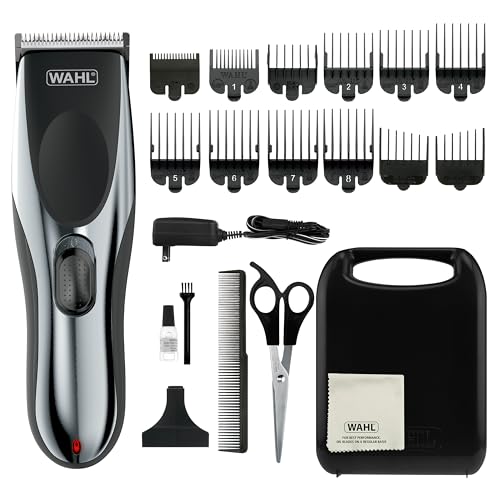
Long Run Time - These clippers feature convenient cord/cordless use options with 60 minutes of cordless run time. Long-lasting easy-to-clean stainless-steel precision blades enable no-snag cutting.

Color Coded Guide Combs – Finding and remembering everyone’s favorite hair length is easier than ever. Corresponding the correct comb to the right cutting length is simple with our easy to see attachment guards
Trimming: The Lowest-Risk Option for Sensitive Skin
If you’re concerned about irritation and cuts, trimming emerges as the safest hair removal method for genital skin. Your tool selection matters greatly—invest in dedicated pubic hair trimmers featuring hypoallergenic ceramic blades that stay sharper longer and generate minimal heat. Body groomer attachments like EasyClick prevent pulling on sensitive areas. Top options like the Philips Norelco OneBlade Intimate deliver ultra-short, clean finishes specifically designed for sensitive genital areas.
For trimming techniques, work with the direction of hair growth using short, light strokes and gentle pressure. Pull skin taut, particularly on the scrotum and shaft, to create a flat surface and reduce nicks. Start with small scissors to reduce longer hairs before using electric trimmers, preventing blade overload. Look for trimmers with powerful motors on thick hair to handle dense pubic hair effectively without tugging or discomfort.
Maintain clean, charged equipment with proper guards to guarantee safe distance from skin. This methodical approach minimizes ingrown hairs and bacterial infection risk while delivering effective results. Rinsing the razor frequently during your grooming session prevents buildup of hair and gel that could compromise blade effectiveness.
Shaving Safely: Tools, Technique, and Irritation Prevention
While trimming offers a safer alternative for sensitive skin, shaving can deliver closer results when you prioritize proper preparation and technique. Select a single-blade razor and disinfect it before use to prevent bacterial contamination. Keep your skin taut with one hand to guarantee even coverage, then use short, controlled strokes following hair growth direction. Progress upward from the scrotum toward the shaft, minimizing pressure on sensitive areas. Rinse your razor during shaving rather than tapping it, which can dislodge blades. After shaving, rinse with warm water and pat dry gently with a clean towel. A warm shower beforehand can make the testicle area less wrinkled and prepare it for shaving. Apply non-scented soap by hand, then moisturize. To minimize razor rash and irritation, avoid alcohol-based products and talcum powder. Replace dull blades immediately to prevent irritation and skin damage. For electric shavers, ensure proper maintenance by disassembling and soaking blades periodically in soapy water to remove debris and maintain optimal cutting performance.

Brand New in box. The product ships with all relevant accessories

WHAT'S INCLUDED: 52 BIC Sensitive 1-blade disposable razors for men, enough to stock a dorm room, first apartment, or toiletry bag for months without needing more

THE PERFECT SHAVE: Make skin irritations and ingrown hair a problem of the past. With the safety razor for women, you will achieve the closest shave effortlessly.
Depilatory Creams: How to Patch Test and Apply Safely
For those seeking alternatives to shaving, depilatory creams offer chemically-assisted hair removal that requires careful preparation and monitoring. You’ll want to prioritize patch testing before full application. Apply a small amount to inconspicuous skin, wait for the label-specified time, and observe for 24 hours. Watch for itching, burning, or redness—signs you should discontinue use.
When selecting products, choose formulations specifically designed for sensitive or genital areas. Men’s lines and dermatologist-tested sensitive formulas minimize burn risk. Always check ingredients for potential allergies, particularly thioglycolic acid. These products work by targeting the keratin structure of hair, breaking down sulfur bonds so hair swells and can be easily wiped away. For those with particularly sensitive skin, electric razors with skin-protect blade design offer a gentler mechanical alternative to chemical hair removal.
Before applying, trim hair short and wet the area. Apply a thick, even layer and adhere strictly to the manufacturer’s time limit—never exceed 10 minutes. Remove with a spatula and rinse thoroughly. Foil shavers designed with protective guards limiting blade contact provide an additional option for those with acne-prone or reactive skin in sensitive areas. Follow up with moisturizer to soothe the skin.

Gently and quickly remove unwanted hair
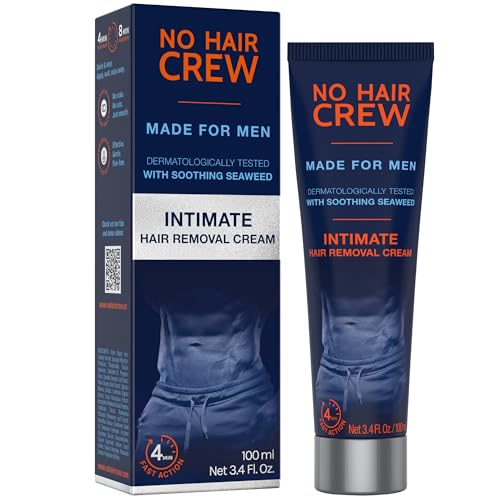
EFFECTIVE & SAFE FOR DIFFERENT BODY TYPES: Thin hair will need less time then coarse and thick hair. Experiment to find the right manscaping time for each body part! Recommended for men, but can be used by women.

HAIR REMOVAL CREAM FOR PRIVATE AREA AND BIKINI LINE: A depilatory cream shaped for the places a razor struggles to reach. Use on the bikini line, pubic and intimate area, inner thighs, underarms and legs for a smooth finish without a blade.
Waxing: Professional Salons vs. At-Home Kits
After you’ve decided waxing suits your grooming needs, you’ll face a critical choice between professional salons and at-home kits.
Professional benefits include trained specialists using high-quality waxes formulated for sensitive skin, strict hygiene protocols with sterilized equipment, and expert pain management techniques. Estheticians handle involuntary responses safely while applying soothing post-wax creams and providing valuable aftercare guidance.
At-home kits present significant risks. Without proper technique, you’ll experience intensified pain, increased infection likelihood, and potential burns or cuts. While at-home waxing costs less initially, complications from improper application often outweigh savings. Professional salons follow recommended hygiene procedures to protect clients during treatment. Waxing in a professional setting also provides better infection control by maintaining sanitary conditions that prevent pathogens from thriving. For those seeking alternatives, body groomers and trimmers designed specifically for male grooming offer safer options with precision blades and built-in safety features.
Professional salons address safety concerns thoroughly, screening for contraindications like infections and STIs. Though fewer estheticians offer male Brazilian services, salon environments minimize injury risk substantially compared to DIY approaches.

WAX STRIPS FOR MEN: Nad's For Men body wax strips are an at-home waxing kit for men's hair removal, with 20 waxing strips and 2 calming oil wipes for a smooth, sculpted finish.

☆ SAFE & PAINLESS UNISEX ☆ 9.8/10 find waxing painless for nose & ear. Our wax beads remove visible hair while protecting inner cilia. Safe for men & women with coarse male hair. NO MORE EXPENSIVE SALON VISITS!
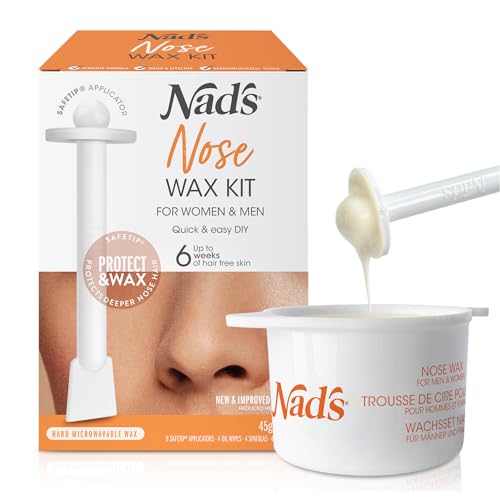
NOSE HAIR WAX KIT: The world's first effective, complete DIY nose hair wax kit gives you everything you need in one box for a smooth, clean nose and easy nose hair removal at home.
Laser Hair Removal: Semi-Permanent Results and Recovery
Laser hair removal offers a semi-permanent alternative that addresses many drawbacks associated with waxing, particularly the risks of improper application and ongoing maintenance demands. You’ll achieve 80-90% hair reduction through 6-8 sessions spaced 4-6 weeks apart, with 74% of patients experiencing 75-100% clearance. Hair becomes progressively finer rather than permanently eliminated, requiring occasional annual maintenance sessions.
Recovery proves straightforward. You’ll experience mild, temporary redness and irritation that dissipates rapidly. Epidermal cooling devices minimize discomfort during treatment, which you’ll tolerate better than waxing alternatives. The long-pulsed 755 nm alexandrite laser demonstrates high safety across all skin types without affecting reproductive function. For professional-grade results, many clinics utilize precision equipment similar in quality standards to professional hair trimmers used in barbershops for consistent outcomes. Long-term adverse events remain minimal with consistent improvement sustained after an average of 11.5 years.
These laser techniques deliver superior patient satisfaction and long-lasting results compared to traditional methods, offering significant time savings and improved hygiene. Unlike waxing which carries risks of improper application at home, laser removal performed by professionals eliminates this concern entirely.

【Effective IPL Hair Removal】They zap away unwanted hairs at their roots, which significantly slows down regrowth for smoother skin. With 5J/cm² high energy and a 600nm wavelength, the device delivers light deeper into the hair follicles, effectively damaging them to reduce hair growth over time. This offers longer-lasting results compared to shaving or waxing.

✅ 【High-Efficiency IPL Hair Removal】This laser hair removal device features high energy output and a 3-square-centimeter treatment window, doubling efficiency for more noticeable results that appear faster. In just four weeks, hair removal effectiveness can reach 97%.

【70% Faster Hair Removal】With an upgraded 5.2 cm² treatment window—over 70% larger than standard devices—this IPL hair remover covers more area per flash, significantly reducing treatment time. Achieve smooth, hair-free skin faster and face any occasion with confidence.
Contraindications and Infection Warning Signs
While laser hair removal delivers excellent results for most patients, certain medical conditions and skin states absolutely contraindicate the procedure. You must avoid treatment if you have oncological diseases, autoimmune disorders, decompensated diabetes, active skin infections, or thin, sensitive scrotal skin prone to burns.
Contraindication awareness protects you from serious complications. Relative contraindications include darker skin tones, recent sun exposure, photosensitizing medications, and hormonal fluctuations affecting hair growth outcomes. Patients with Fitzpatrick types V-VI demonstrate higher risks for adverse thermal effects during laser treatment. Studies show that sexual activity preparation motivates approximately 73% of men in their peak grooming years to pursue hair removal.
Infection prevention demands you recognize warning signs post-removal. Watch for redness, swelling, burning sensations, or painful bumps indicating folliculitis development. Blistering, severe irritation, pus discharge, persistent warmth, or tenderness require immediate medical attention. Any worsening over broken skin necessitates cessation of grooming. Regular maintenance including clipper disinfection helps prevent fungal and bacterial growth that can complicate healing. These symptoms signal advancing infection requiring professional evaluation.
Aftercare: Prevent Ingrown Hairs and Infections
Because the genital area’s sensitive skin remains vulnerable during the initial healing phase, proper aftercare is essential to minimize infection risk and prevent ingrown hairs. You should gently cleanse the area with mild cleanser and lukewarm water immediately after removal, then apply lightweight moisturizer to restore your skin’s moisture barrier. For ingrown hair prevention, wait 48 hours before gentle exfoliation, then continue using soft exfoliating products several times weekly. Massage the area daily with a warm, wet washcloth and consider tea tree oil to reduce inflammation. Pubic hair naturally protects the genital area by trapping bacteria and preventing chafaction, so monitor your skin closely during the healing process. Wear loose-fitting clothing for at least 24 hours and avoid strenuous activities. Refrain from using talcum powder or alcohol-based products on the pubic area post-grooming, as these can irritate freshly groomed skin and increase infection risk. Sharp blades and proper technique are critical, as dull blades and excessive pressure can leave jagged hair ends that curl back into the skin. Watch for infection signs including excessive redness, swelling, pus, or persistent pain, which warrant immediate medical attention.
Cost and Results Timeline: What to Expect by Method
Understanding the financial investment and realistic outcomes for each hair removal method helps you select the most cost-effective option for your needs. Laser methods demand higher upfront costs—$150–$300 per session for genital areas—but deliver superior hair reduction over time. Six to eight sessions achieve 30% noticeable reduction, while 16 treatments provide 70–90% clinical endpoints over two years. At-home devices cost $159–$459 upfront with results visible in 4 weeks. Waxing costs $50–$100 per session but requires maintenance every few weeks indefinitely, accumulating higher yearly expenses than laser packages. Professional laser treatments utilize FDA-cleared technology ensuring safety across all skin tones and hair types. For manual hair removal methods like waxing, proper skin preparation with warm water and exfoliation minimizes irritation and achieves better results. Electric shavers may provide temporary results for short-term grooming needs, though close shave quality depends on blade maintenance and hair growth stage. Professional laser treatments ultimately provide the best long-term value despite initial expense, offering permanent hair reduction without recurring maintenance costs.